Is your organization ready for B Lab’s updated Version 2.1 standards? Achieving B Corp certification now requires meeting strict baseline requirements across core operational topics rather than simply accumulating points. This guide outlines the exact governance, environmental, and legal criteria needed to achieve and maintain compliance.
The B Corp Framework: Moving Beyond Point Totals
B Lab’s certification framework, governed by Standards Version 2.1 (V2.1), represents a structural shift in how corporate social and environmental performance is evaluated. Under previous standards, companies could offset lower scores in one operational area with higher scores in another to reach an overall 80-point threshold. Under V2.1, point averaging is eliminated entirely.
Instead, companies must meet defined baseline performance criteria across seven mandatory Impact Topics alongside universal Foundation Requirements. Verification is conducted through an independent third-party assurance model aligned with ISO 17021-1 standards, replacing direct audits by B Lab staff.
For European enterprises preparing corporate sustainability disclosures, aligning with these standards is essential. Organizations seeking or renewing B Corp certification within European markets must transition to the updated standards to maintain compliance with regional regulations regarding unsubstantiated green claims. Understanding how to become a sustainable business requires integrating these baseline standards into your operational model from day one.
Foundation Requirements & Stakeholder Governance
Before a business can be evaluated on individual impact topics, it must satisfy B Lab’s non-negotiable Foundation Requirements. These establish basic legal eligibility, stakeholder accountability, and operational risk boundaries.
The Legal Stakeholder Mandate
Certified B Corps must legally expand their fiduciary duty beyond maximizing short-term shareholder value. Your business must amend its core governing documents – such as its Articles of Association, Articles of Incorporation, or Operating Agreement – to mandate that executive leaders and board members explicitly consider the impact of business decisions on all stakeholders. These stakeholders include:
- Employees and supply chain workers
- Customers and end consumers
- Local communities and regional society
- The local and global environment
- Shareholders
In jurisdictions across Europe and North America where specific benefit corporation legislation exists, businesses organized as traditional corporate entities are required to formally convert to a Benefit Corporation or equivalent statutory legal form.
Industry Eligibility Criteria (FR1.2)
To maintain the integrity of the B Corp movement, strict exclusion thresholds apply to industries that generate systemic harm. Under Foundation Requirement 1.2, a company is ineligible for certification if it derives 1% or more of its annual revenue from prohibited sectors, including:
- Fossil fuel production, extraction, or refining
- Weapons, armaments, and defense manufacturing
- Commercial gambling operations
- Tobacco product manufacturing
- Private prison facilities or prison labor operations
This 1% revenue cap is calculated separately per industry. Crucially, it also extends to service providers – such as marketing firms, management consultancies, and financial institutions – that derive 1% or more of their revenue from clients operating within these excluded sectors.
Risk Profiling and Company Sizing (FR3.1)
Companies must complete B Lab’s 14-point Risk Tool to evaluate operational risk factors. Based on your responses, auditors may assign additional due-diligence sub-requirements to your assessment, particularly across governance, environmental stewardship, and human rights.
To ensure equitable evaluation across different business structures, B Lab applies the “Lesser of Two” rule to determine company size categories. Your size classification is determined by whichever metric is lower: your total worker headcount or your gross annual revenue. Micro-businesses and companies without employees are exempt from FR3.1 risk profiling due to their lower operational impact.
The Seven Core Impact Topics
To certify under Standards V2.1, your organization must satisfy mandatory performance standards across seven distinct impact topics. Certification is phased over time: businesses must meet Year 0 baseline sub-requirements for initial certification, followed by mandatory Year 3 and Year 5 targets to demonstrate continuous operational improvement.
- Purpose & Stakeholder Governance: Establish a public benefit purpose, maintain worker grievance mechanisms, and ensure top-level governing bodies actively monitor social and environmental metrics.
- Climate Action: Publish a baseline climate action plan aligned with limiting global warming to 1.5°C. Small and medium enterprises publish plans at Year 0, while larger entities must calculate and publicly report independently verified Scope 1, Scope 2, and Scope 3 greenhouse gas inventories annually.
- Human Rights: Implement due-diligence processes to identify, prevent, and mitigate negative human rights impacts across direct operations and supply chains.
- Fair Work: Provide high-quality jobs, implement fair living wage practices, foster positive workplace culture, and integrate worker feedback into corporate strategy.
- Environmental Stewardship & Circularity: Conduct comprehensive audits of operational impacts, minimize resource depletion, and integrate circular economy principles throughout procurement and waste management.
- Justice, Equity, Diversity & Inclusion: Build inclusive workplaces, eliminate compensation gaps, and foster supplier diversity within your operational communities.
- Government Affairs & Collective Action: Engage in collective action to drive systemic economic change, with large corporations publishing transparent country-by-country tax reports.
Operationalizing Environmental Stewardship & Waste Governance
For facility managers, operations directors, and ESG leads, fulfilling the Environmental Stewardship & Circularity topic requires verifiable operational change. Physical facilities serve as primary touchpoints for demonstrating compliance during independent audits.
Scope 3 Emissions & Material Waste
Under the Greenhouse Gas Protocol, operational waste generated in daily activities falls under Scope 3, Category 5. B Lab auditors examine how effectively an organization tracks, manages, and diverts waste from landfills and incinerators. Managing Scope 3 emissions and waste requires turning traditional disposal habits into structured circular workflows.
Building a compliant workplace waste framework involves systematic operational steps:
- Perform a baseline waste audit for offices over a one to seven-day period to categorize waste streams and evaluate current diversion rates.
- Establish an operational management framework using standards like an ISO 14001 environmental management system to document compliance procedures.
- Replace individual deskside bins with centralized sorting hubs in high-visibility areas, which can boost waste diversion rates by up to 40%.
- Integrate routine diversion metrics into your corporate ESG reporting for waste management framework to satisfy stakeholder transparency rules.
Low-Embodied Carbon Procurement
Environmental stewardship extends directly to physical infrastructure. Equipping office spaces with fixtures made from high-carbon materials like virgin plastic or heavy metals inflates your upstream Scope 3 footprint.
Transitioning facility hardware to sustainable materials, such as renewable birch plywood, can yield 2 to 4 times lower CO₂ lifecycle emissions compared to traditional plastic or metal alternatives. Integrating low-embodied carbon furniture directly supports a net-zero office strategy while accelerating your broader targets on how to reduce office carbon footprint.
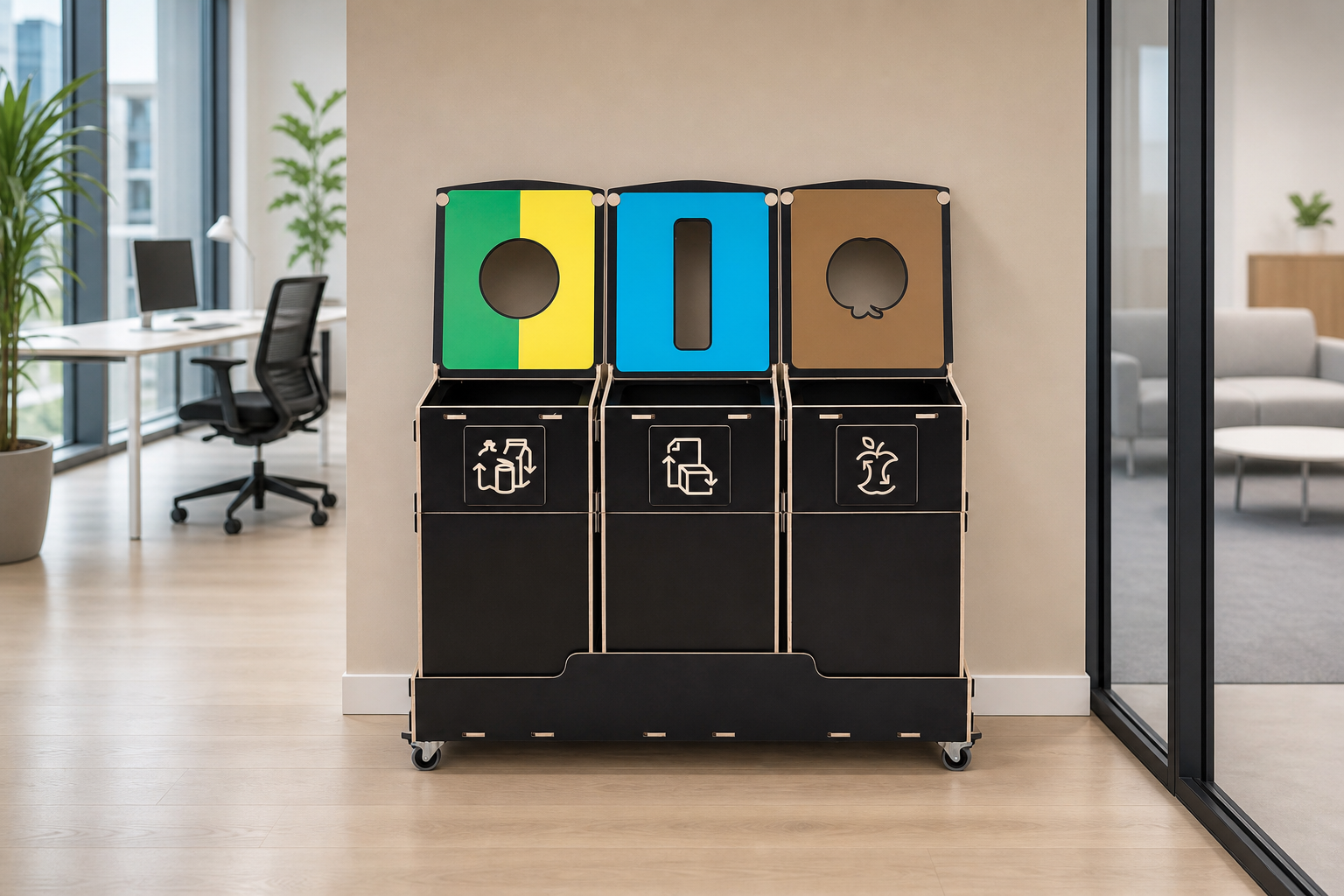
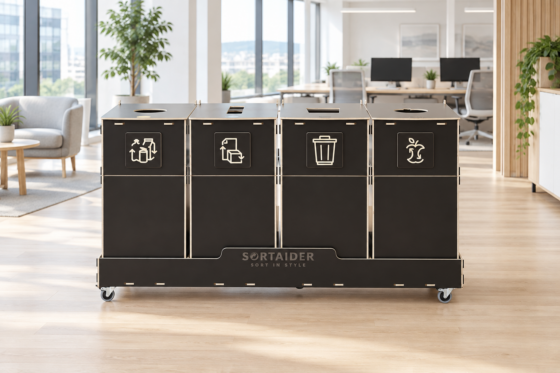
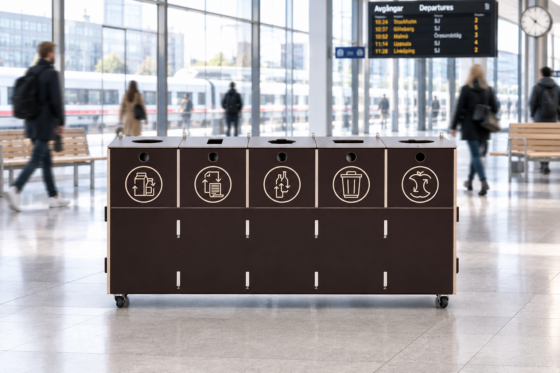
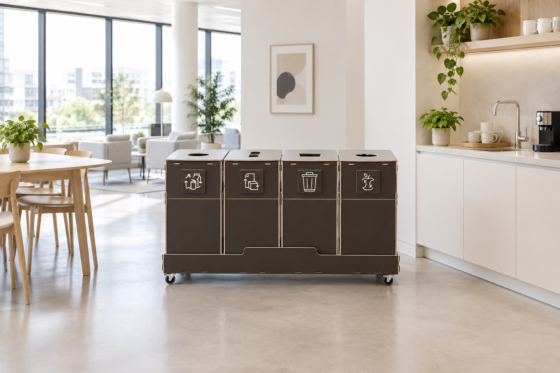
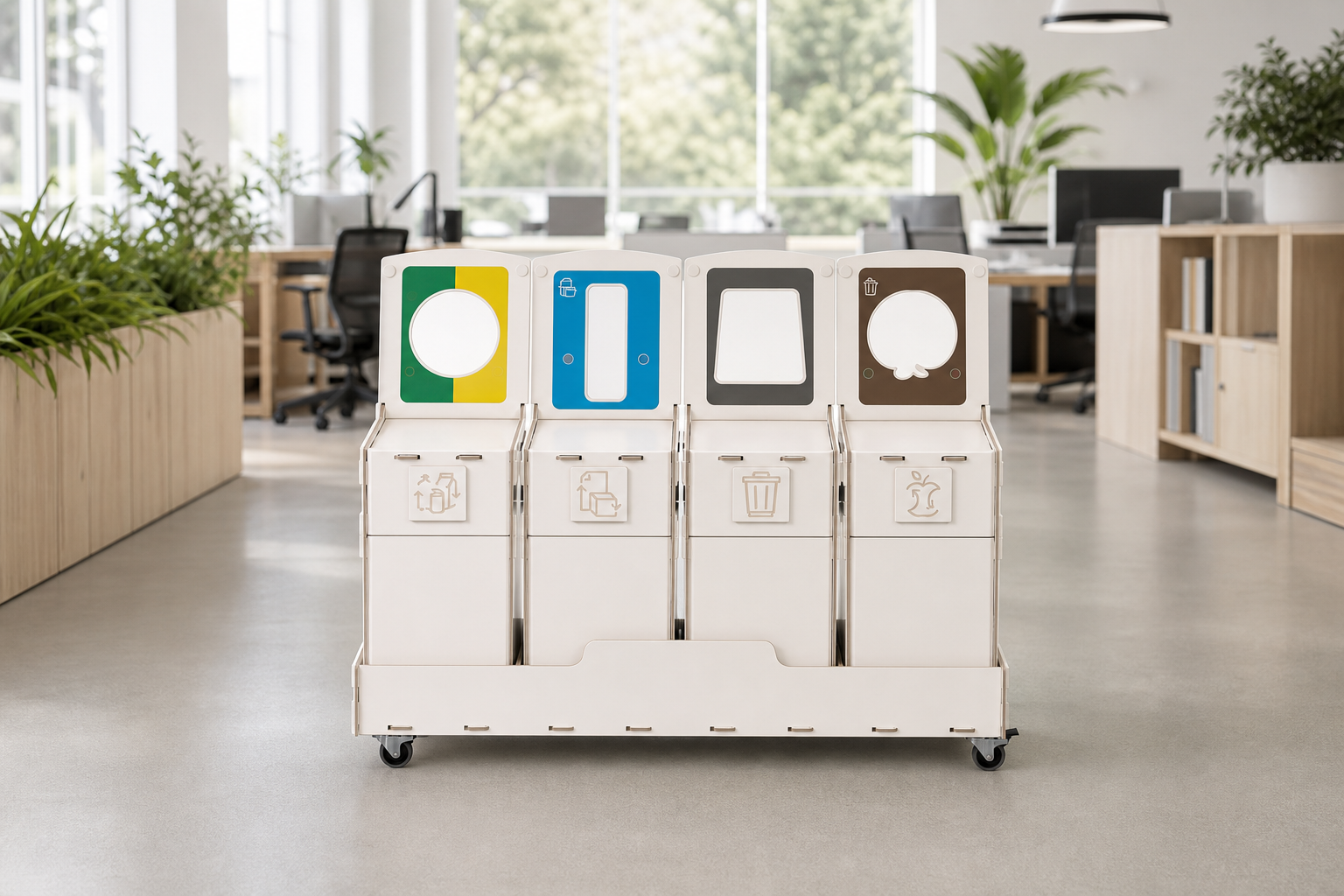
To explore modular sorting infrastructure designed for modern workplaces, browse our full range of recycling bins.
For flexible office configurations, our laser-customizable recycling bins sorter collection offers compact 1 to 5-stream plywood designs.
-
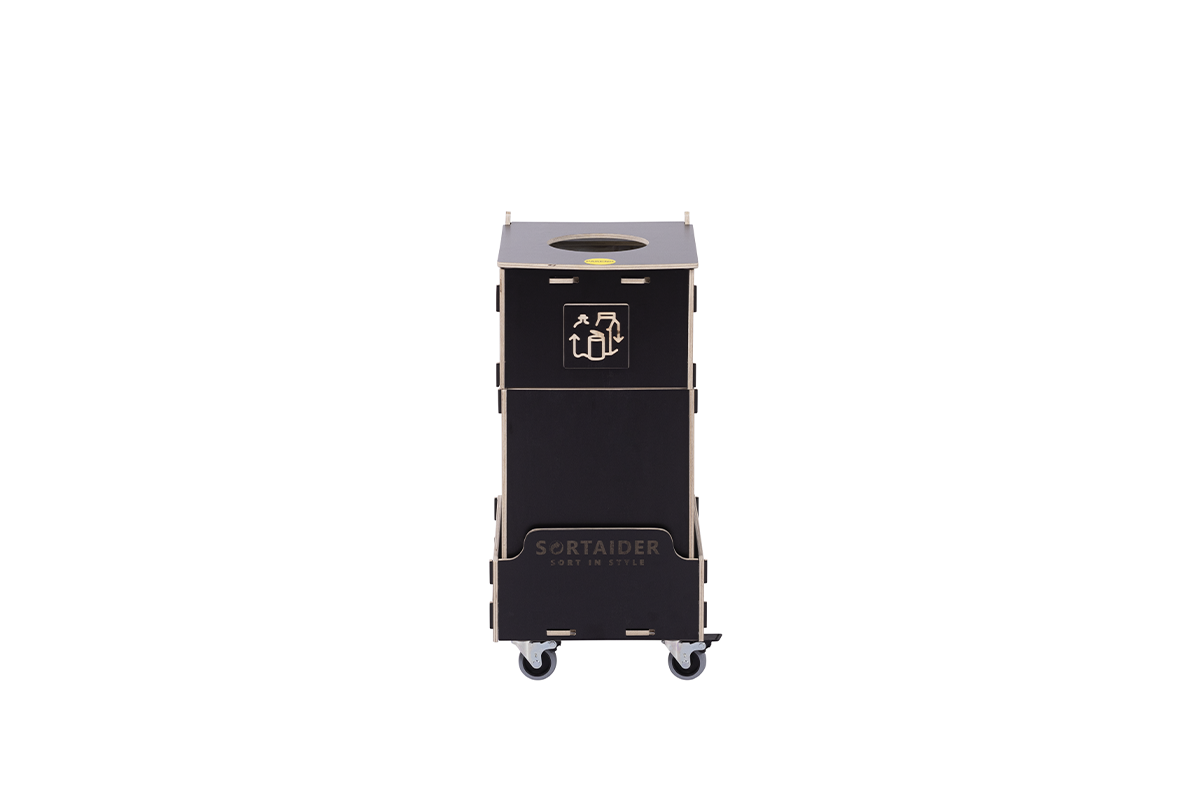
Recycling Bin Sorter 1 × 10 l brown
1 type of waste 1 x 10 l173,60 € (incl. 24% VAT)140 € (excl. VAT) -
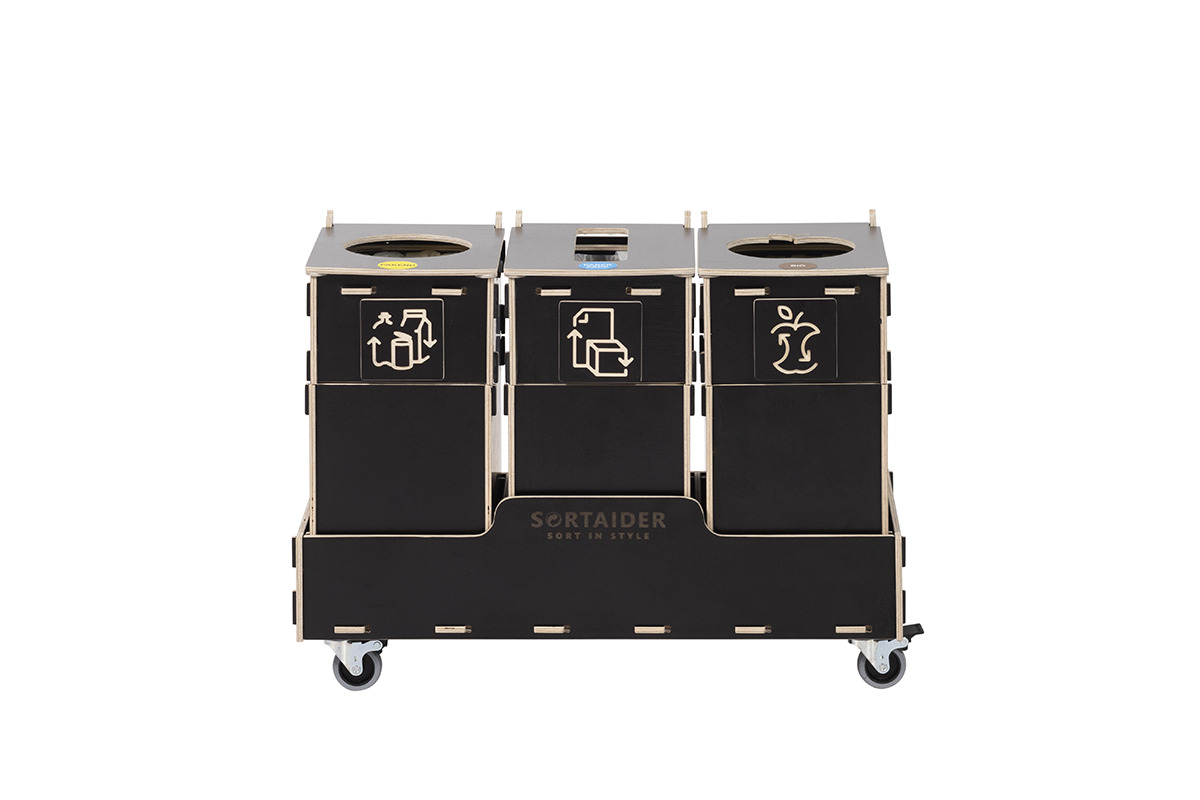
Recycling Bin Sorter 3 × 10 l brown
3 types of waste 3 x 10 l297,60 € (incl. 24% VAT)240 € (excl. VAT) -
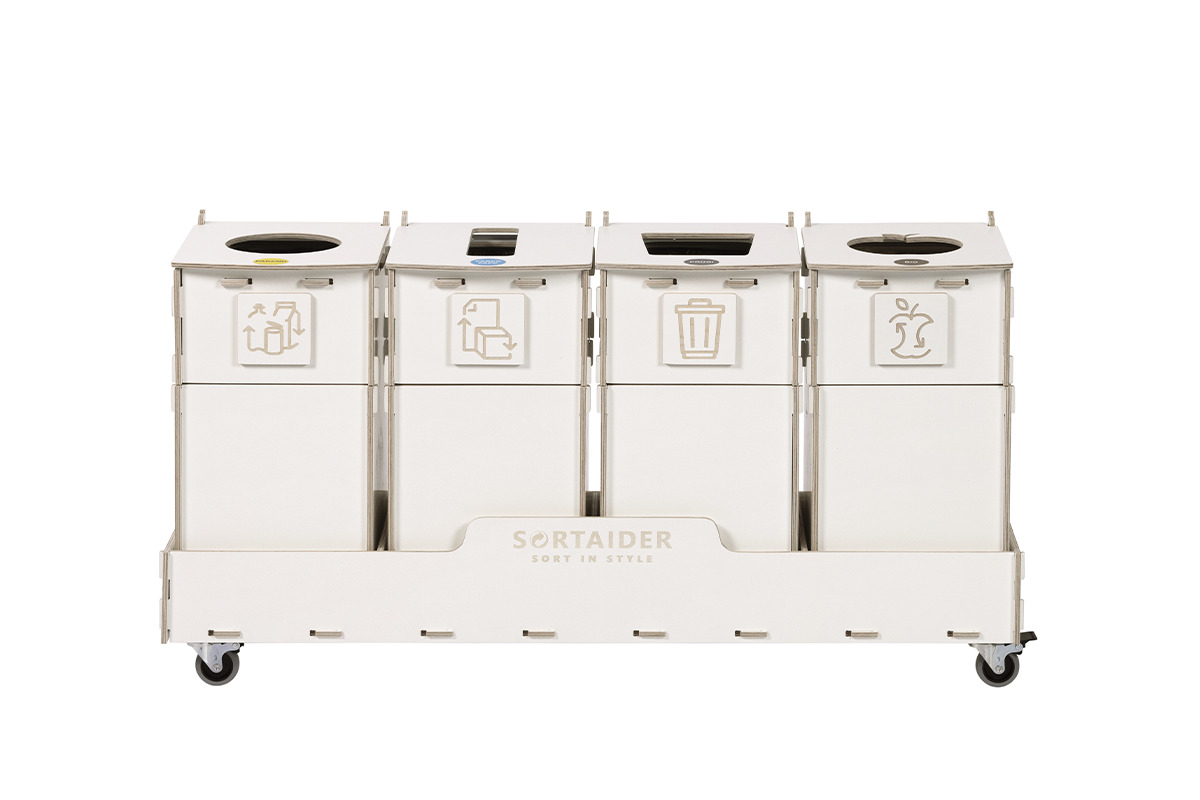
Recycling Bin Sorter 4 × 20 l white
4 types of waste 4 x 20 l607,60 € (incl. 24% VAT)490 € (excl. VAT)
For high-capacity spaces, healthcare facilities, and educational institutions, explore the modular recycling bins ecolong series, featuring continuous liner technology for seamless waste handling.
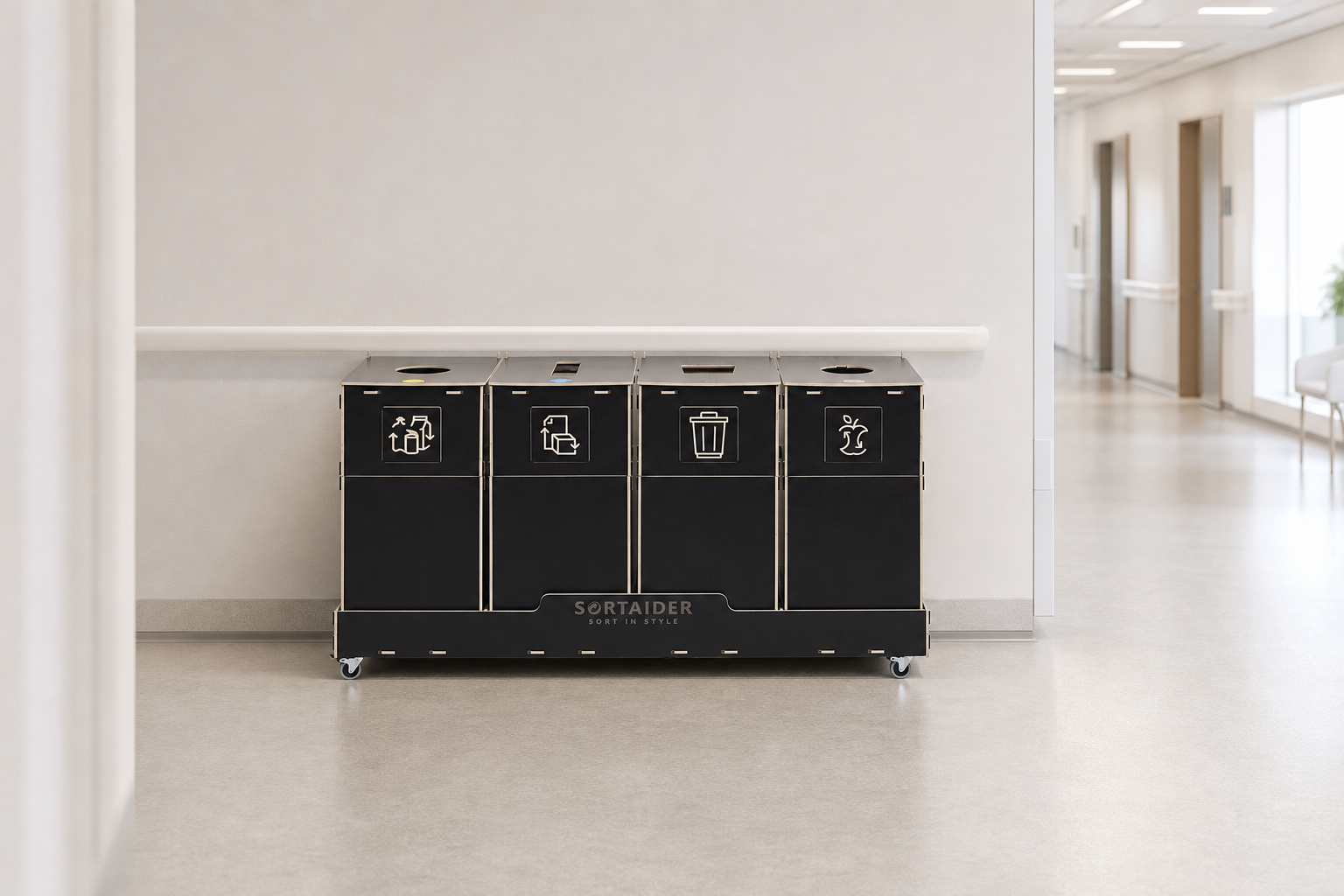
-
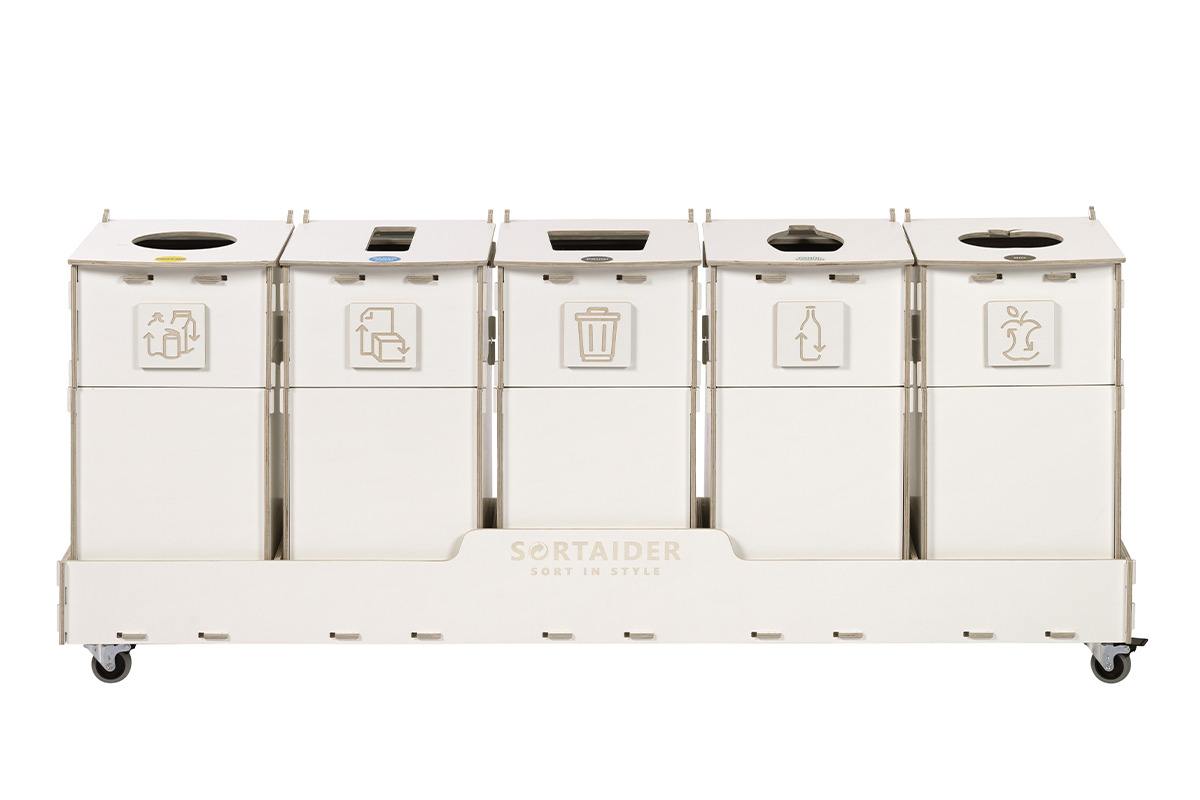
Recycling Bin Sorter 5 × 30 l white
5 types of waste 5 x 30 l1 165,60 € (incl. 24% VAT)940 € (excl. VAT) -
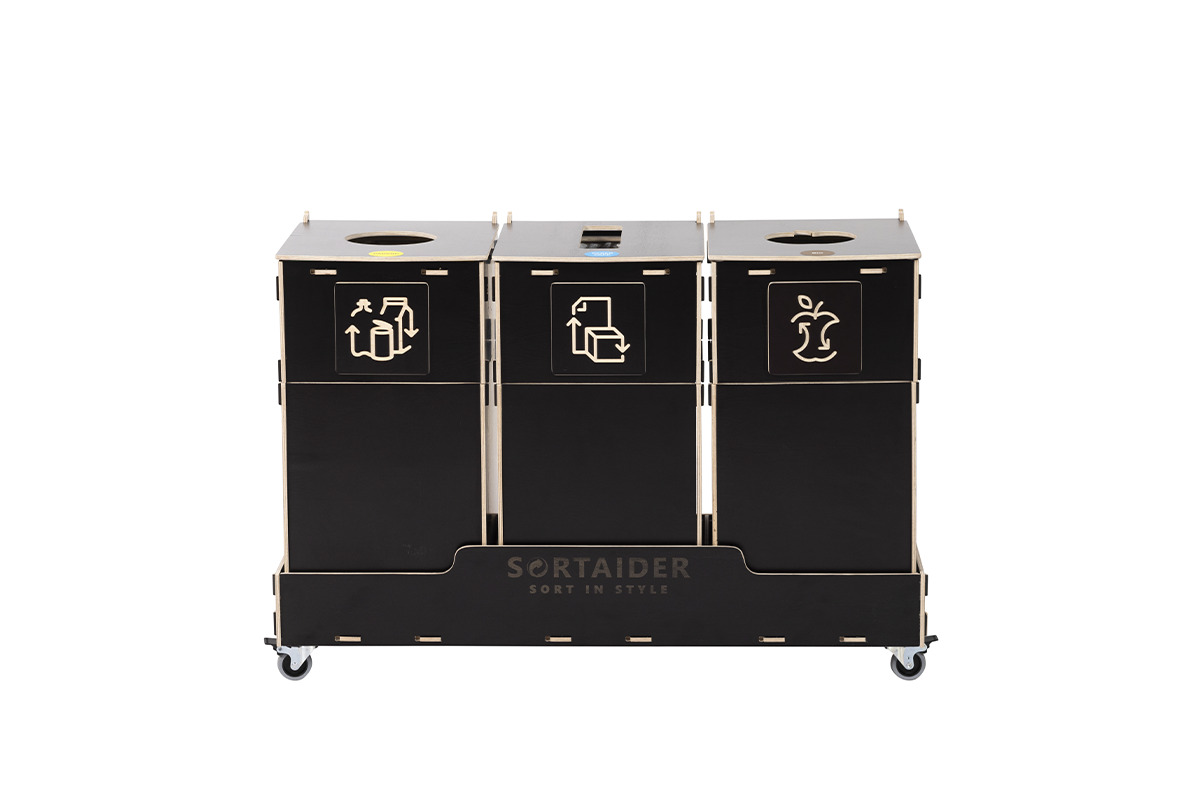
Recycling Bin Sorter 3 × 40 l brown
3 types of waste 3 x 40 l992 € (incl. 24% VAT)800 € (excl. VAT) -
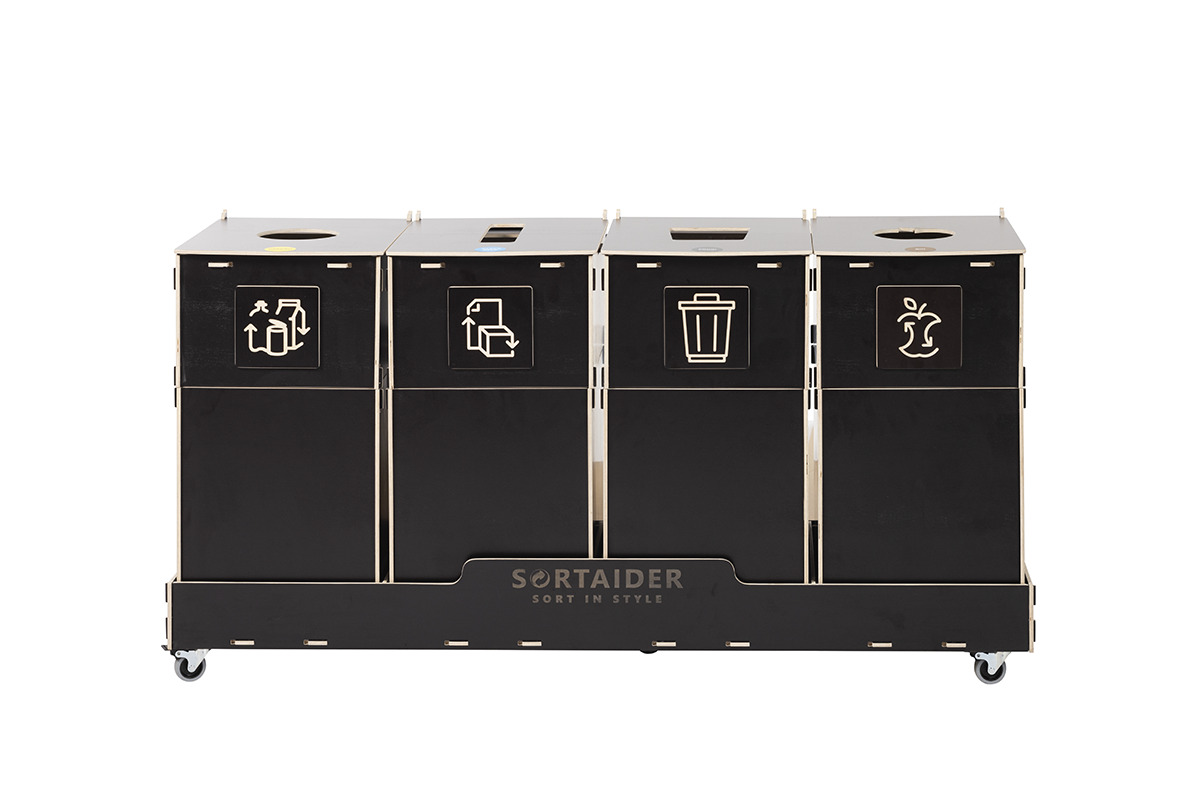
Recycling Bin Sorter 4 × 60 l brown
4 types of waste 4 x 60 l1 500,40 € (incl. 24% VAT)1 210 € (excl. VAT) -
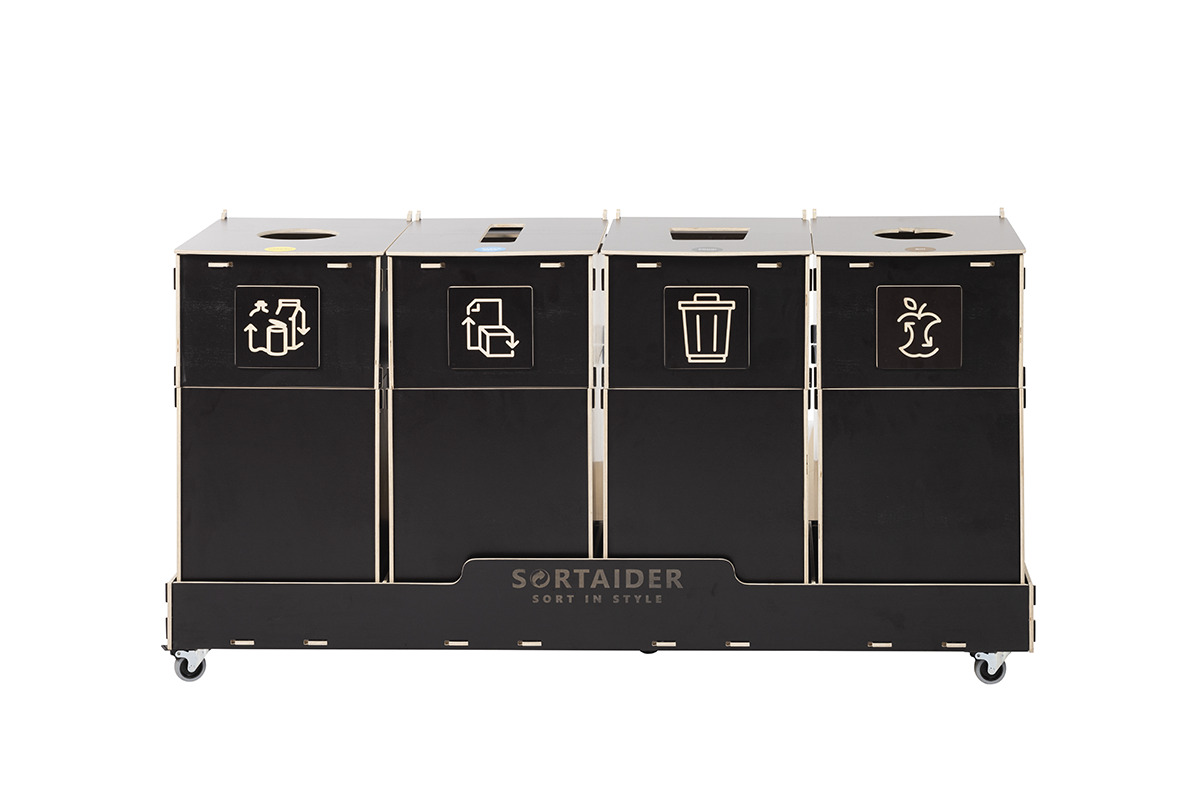
Recycling Bin Sorter 4 × 90 l brown
4 types of waste 4 x 90 l1 810,40 € (incl. 24% VAT)1 460 € (excl. VAT)
Certified B Corporation vs. Benefit Corporation
A common area of confusion during legal governance reviews is the distinction between a Certified B Corporation and a Benefit Corporation. While complementary, they represent different operational and legal concepts.
| Feature | Certified B Corporation | Benefit Corporation |
|---|---|---|
| Type | Third-party operational certification | Official legal corporate entity structure |
| Issuer / Authority | B Lab (Independent non-profit) | State or national government corporate registry |
| Eligibility | Open to most for-profit business types | Restricted to jurisdictions with specific statutes |
| Assessment | Mandatory audit across 7 Impact Topics | Self-reported annual performance updates |
| Legal Status | Verified via commercial contract with B Lab | Embedded directly in corporate legal charter |
| Recertification | Every 5 years (with Year 3 and 5 audits) | Permanent until legal charter is amended |
In regions where benefit corporation statutes exist, B Lab requires corporations seeking certification to legally convert to a Benefit Corporation. You can explore how circular operational models align with governance frameworks in our detailed guide to the circular economy for businesses.
The Certification Process & Audit Journey
Achieving and maintaining B Corp status follows a 10-step process managed through accredited third-party assurance bodies:
- Account Setup & Scoping: Register your organization, define operational boundaries, and establish your size category using the lower of revenue or worker count.
- Self-Assessment: Complete the self-assessment against Standards Version 2.1 to evaluate baseline practices.
- Legal Governance Updates: Amend corporate governing documents or adopt Benefit Corporation status where legally applicable.
- Foundation Review: Verify eligibility under FR1.2 and complete the 14-point FR3.1 Risk Tool.
- Submission & Assignment: Submit your completed assessment and receive an assigned independent assurance provider.
- Third-Party Audit: Undergo an independent audit lasting 1 to 10 days based on company size and operational complexity.
- Audit Reporting: Review auditor findings, compliance performance, and identified operational gaps.
- Corrective Action Period: Address and resolve identified non-conformances within designated timeframes.
- Certification & Agreement: Sign the B Corp Agreement, accept the Declaration of Interdependence, and pay your scaled annual fee.
- Surveillance & Recertification: Maintain valid status across a 5-year cycle, completing surveillance audits at Year 3 and Year 5 to demonstrate continuous improvement.
For complete operational guidance on setting up workplace infrastructure, review our guide to crafting an office waste management plan or analyze the broader environmental trade-offs of traditional fixtures in our report on the environmental impact of plastic bins.
Next Steps for Your Organization
Transitioning to the updated B Corp standards demands a shift from high-level sustainability pledges to verified operational performance. By embedding stakeholder accountability into your legal charter and establishing rigorous operational controls across climate, labor, and waste systems, your organization can build a resilient foundation for long-term compliance.
To prepare your operations for an upcoming B Corp audit, begin by evaluating your physical infrastructure, auditing workplace waste streams, and establishing verified Scope 3 baselines. Explore Sortaider’s Nordic-designed waste management solutions to align your facility hardware with international ESG standards.