Are overflowing recycling bins and lingering odors disrupting your facility’s daily operations? Setting the optimal collection schedule balances custodial efficiency with legal sanitation standards and pest control across your building.
Recommended Collection Frequencies by Waste Stream
A single collection schedule rarely fits every bin across a commercial facility. Determining effective pickup intervals requires evaluating the specific material discarded in each stream:
- Bio-Waste and Food Scraps: Daily (or at the end of each shift). Organic matter decomposes rapidly, generating foul odors and leachate that attract pests. Emptying organic containers at least once a day reduces pest attraction and minimizes the need for heavy-duty recycling bin smell prevention protocols.
- Paper and Cardboard: 2 to 3 times per week (or at 80% capacity). Clean paper products do not decay, but large accumulations present a severe fire hazard and obstruct emergency access routes. Before setting a schedule, establish strict guidelines on what goes in each recycling bin to ensure organic contaminants stay out of dry paper streams.
- Plastics, Metals, and Packaging: 2 to 3 times per week. Empty beverage containers and food packaging frequently contain liquid residues. If your facility utilizes commingled vs. separated recycling, residual liquids can easily spill into paper fractions, corrupting recyclable batches.
- High-Traffic Public Bins: 1 to 2 times daily. Bins situated in lobbies, main corridors, and dining zones reach capacity rapidly. Proactive monitoring prevents unsightly overflows during peak visitor hours.
Key Factors That Dictate Your Pickup Schedule
To optimize custodial routes without over-allocating labor, facility managers must evaluate localized environmental and operational conditions.
Facility Type and Foot Traffic
Waste generation patterns vary significantly across commercial sectors. High-density educational facilities like schools and university campuses experience heavy spikes in paper and food waste during meal periods and class transitions. Facilities like gyms and leisure centres generate large volumes of single-use PET bottles and damp paper towels that demand frequent emptying to control humidity and bacterial growth. Large venues hosting public events, such as sports stadiums, require dynamic shift-based monitoring rather than fixed calendar schedules.
Container Capacity and Placement
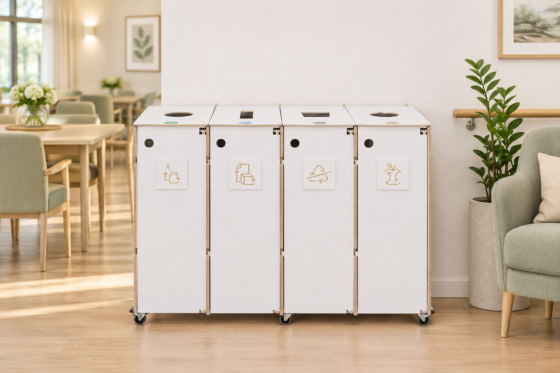
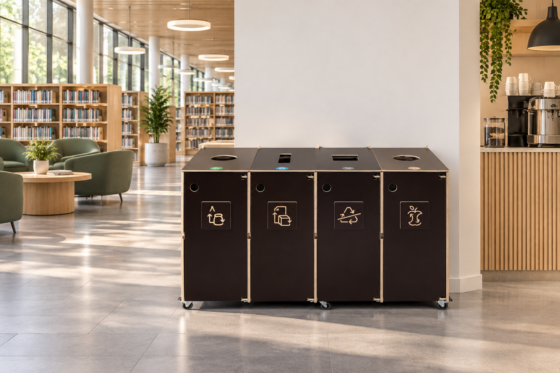
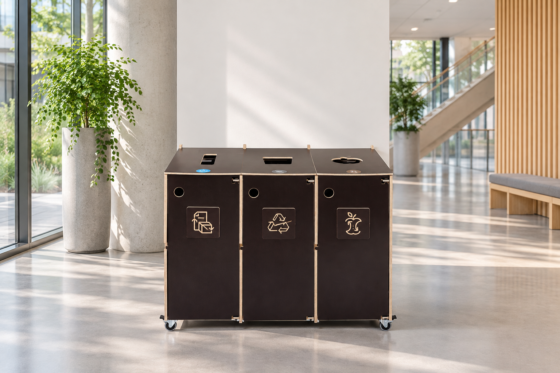
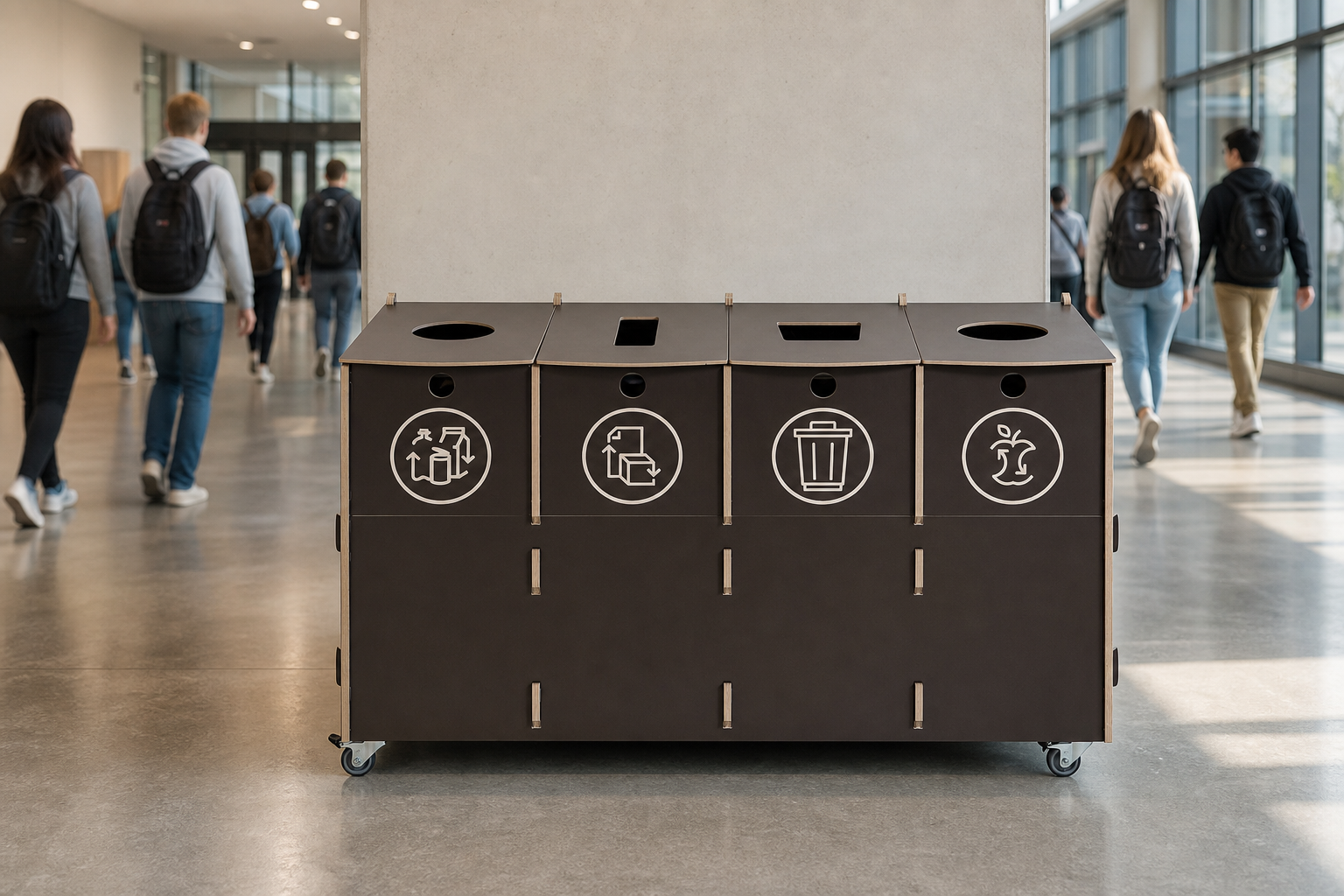
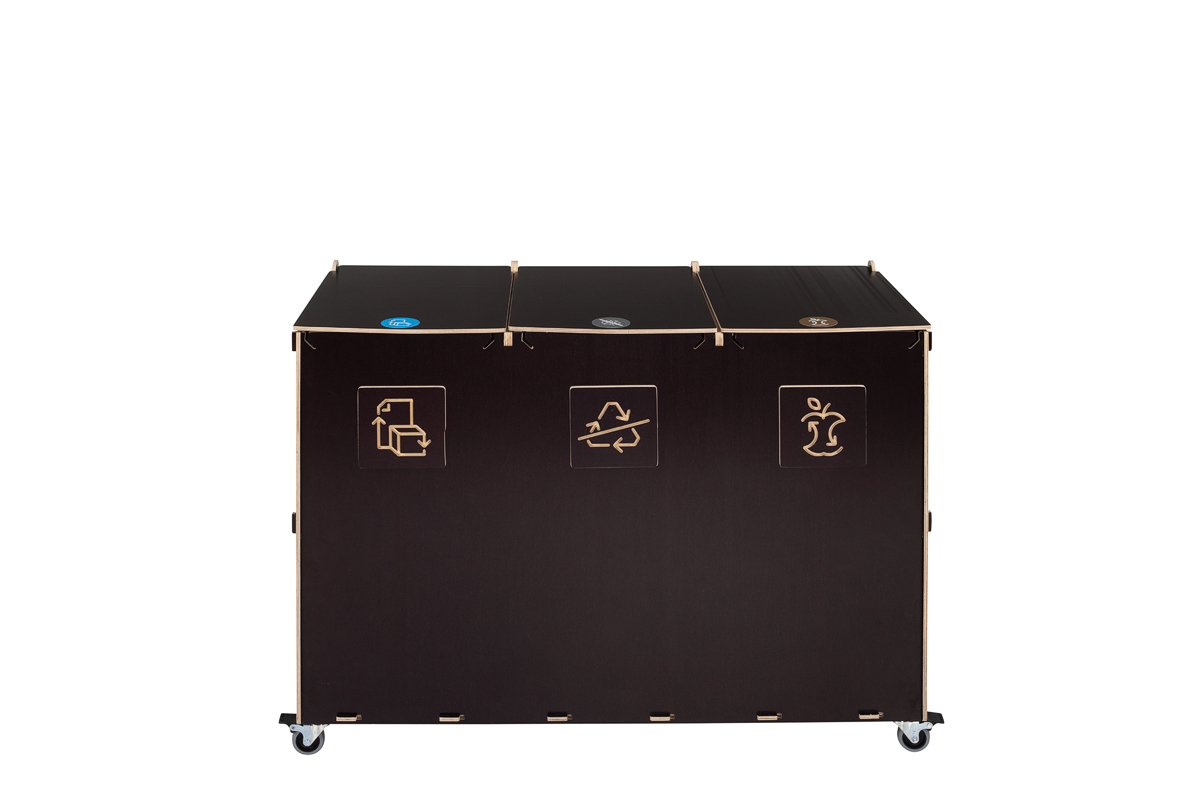
Matching container volume to local foot traffic prevents premature overflow. Deploying multi-compartment options from a broader commercial recycling bins catalog allows custodial staff to extend collection intervals safely while keeping streams organized.
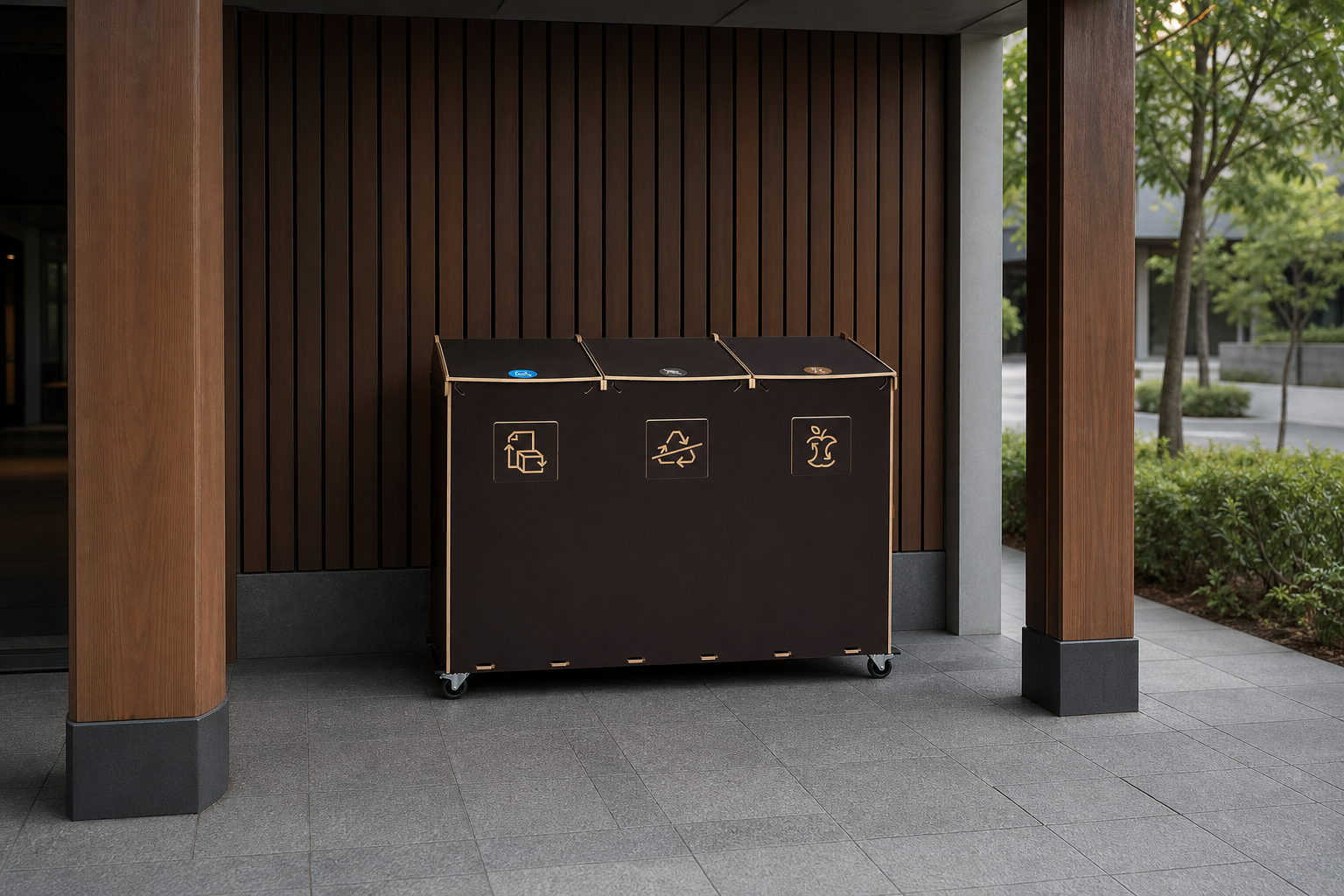
Environmental factors also impact collection needs. Bins exposed to direct sunlight or warm HVAC vents accelerate organic decomposition. Following proper outdoor waste bin placement principles keeps outdoor containers sheltered and accessible while protecting them from rain, which can flood liners and cause messy leaks.
How to Conduct a Bin Sizing and Frequency Audit
Rather than guessing collection frequencies, establish an empirical baseline by conducting a four-week bin audit across your building:
- Log Fullness Levels: Have custodial staff record each bin’s fill level (for instance, 25%, 50%, 75%, 100%, or overflowing) immediately before emptying for four weeks.
- Analyze Capacity Trends: Bins that consistently sit below 75% capacity at pickup suggest that collection frequency can be decreased or containers resized. Conversely, overflowing bins or units with lids that cannot close indicate an immediate need for higher collection frequency or larger stations.
- Adjust and Re-Audit: Rebalance custodial servicing routes based on collected audit data, and repeat this evaluation every one to two years or whenever workplace occupancy changes.
Regulatory, Safety, and Workplace Hygiene Standards
Inadequate collection schedules create operational bottlenecks and expose facilities to regulatory liabilities:
- Fire Safety Regulations: Accumulations of uncollected paper, corrugated boxes, and packaging violate workplace fire safety guidelines. Keeping exit corridors clear of combustible waste is a critical legal obligation across European markets.
- Sanitation and Pest Control: Health standards dictate that workplace waste must be removed regularly to prevent conditions that harbor insects and rodents. Inspect liners routinely for tears and implement deep washing schedules using our guide on cleaning and sanitising recycling bins.
- European Waste Directives: Under the EU Waste Framework Directive, organizations must ensure effective source separation for paper, metal, plastic, glass, and bio-waste. Regional rules further specify compliance; for example, Sweden mandated separate bio-waste collection for all businesses in 2024, whereas Denmark requires digital tracking for waste shipments exceeding one ton annually.
Operational Strategies to Streamline Collections
Optimizing collection schedules relies on efficient custodial workflows as much as container volume.
Centralized Sorting Stations
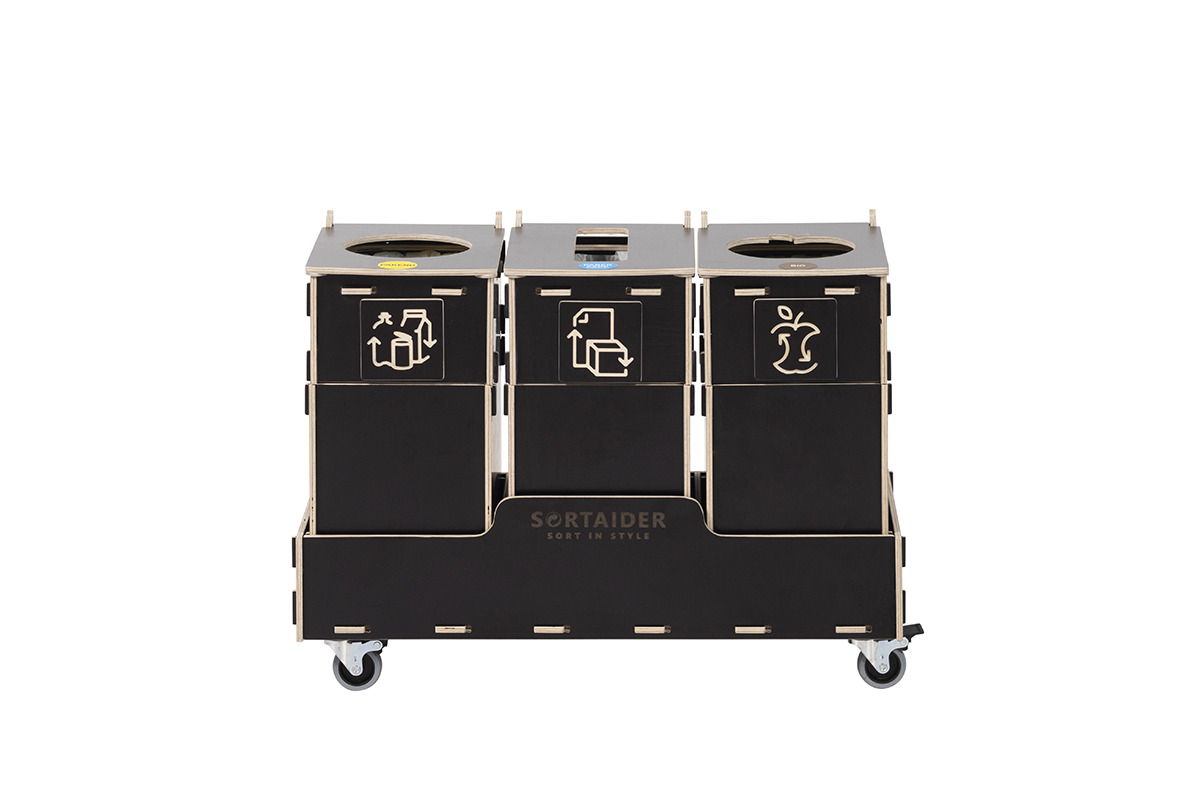
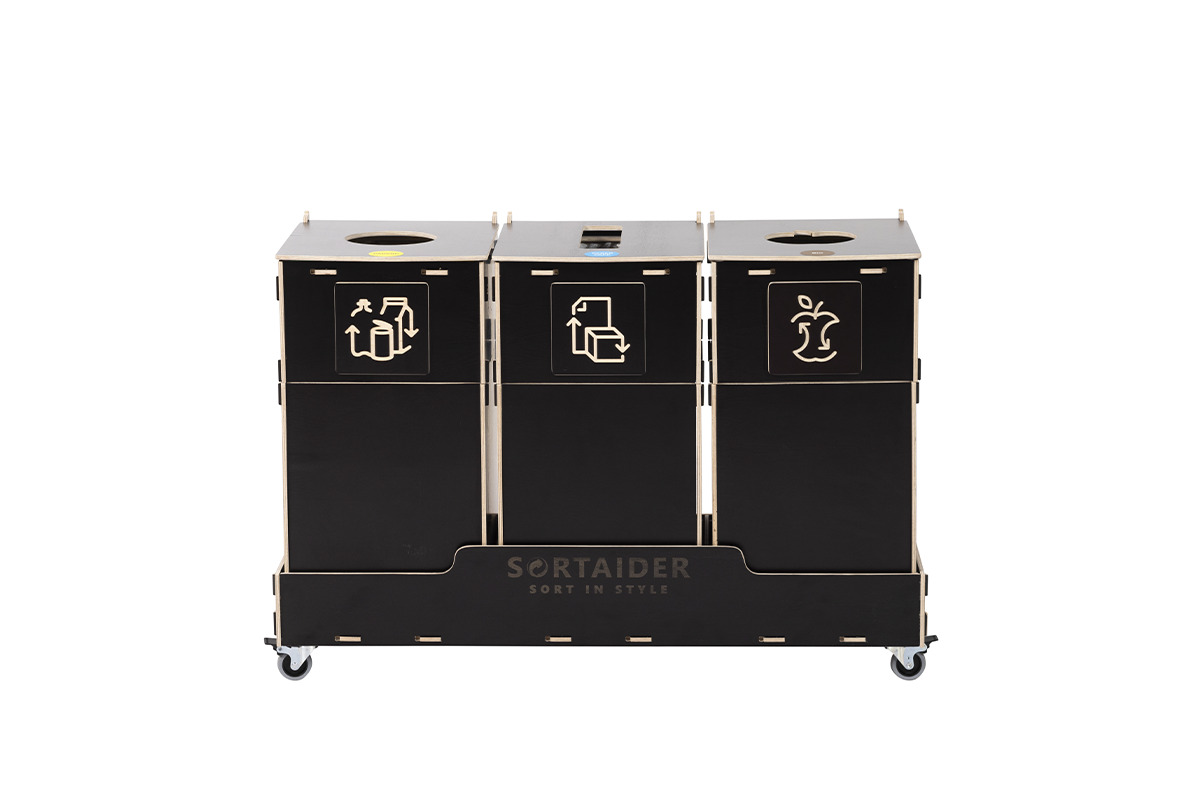
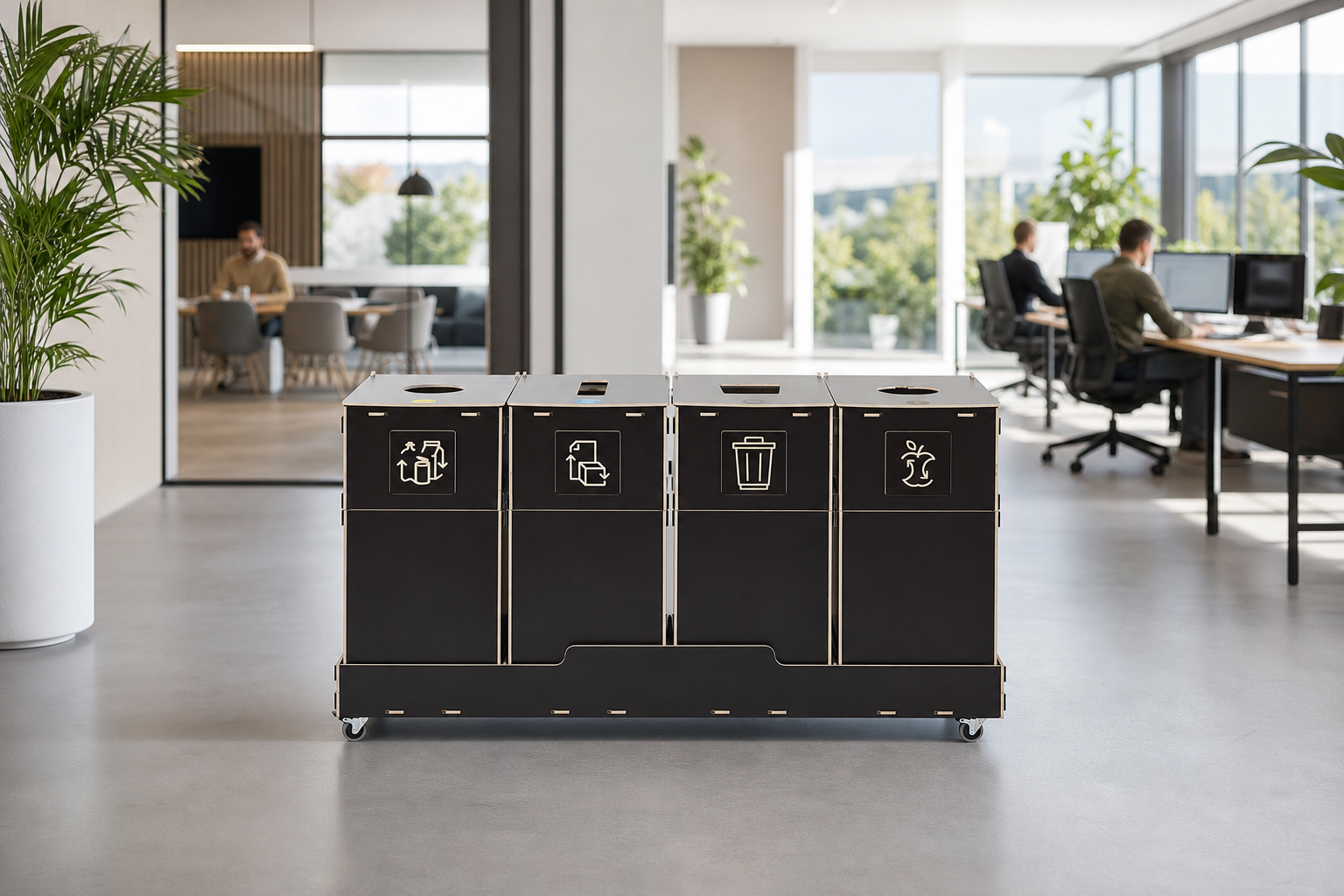
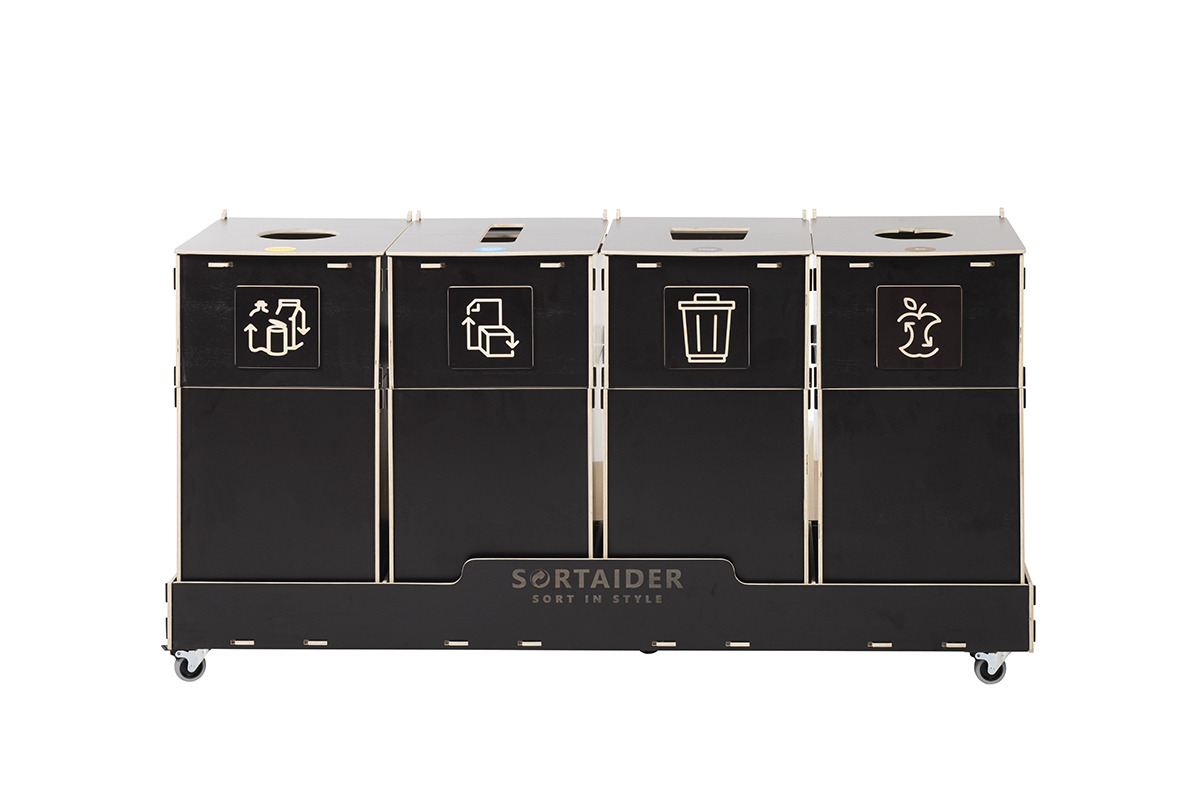
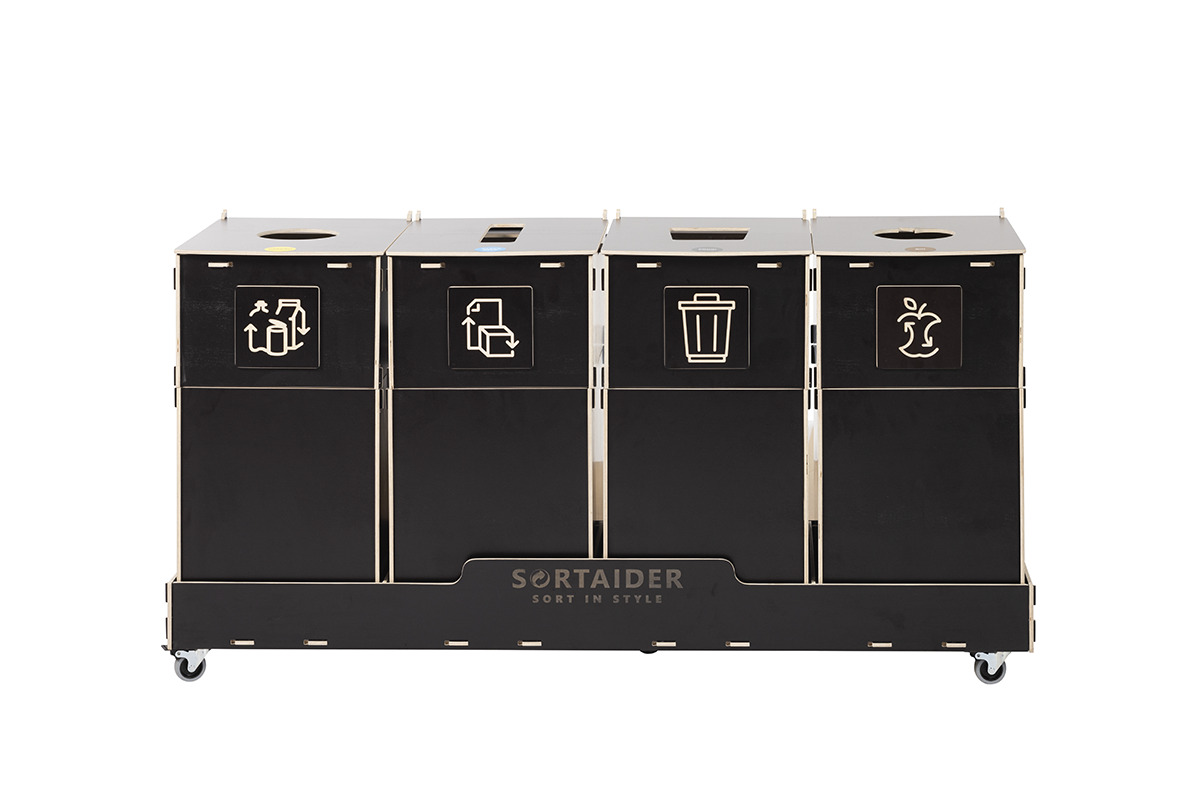
Replacing individual deskside bins with centralized multi-compartment recycling hubs dramatically reduces the total number of pickup points custodial staff must visit. Centralized stations encourage employees to sort waste consciously, while cutting the custodial labor required to service dozens of half-empty containers.
Ergonomic Bin Design
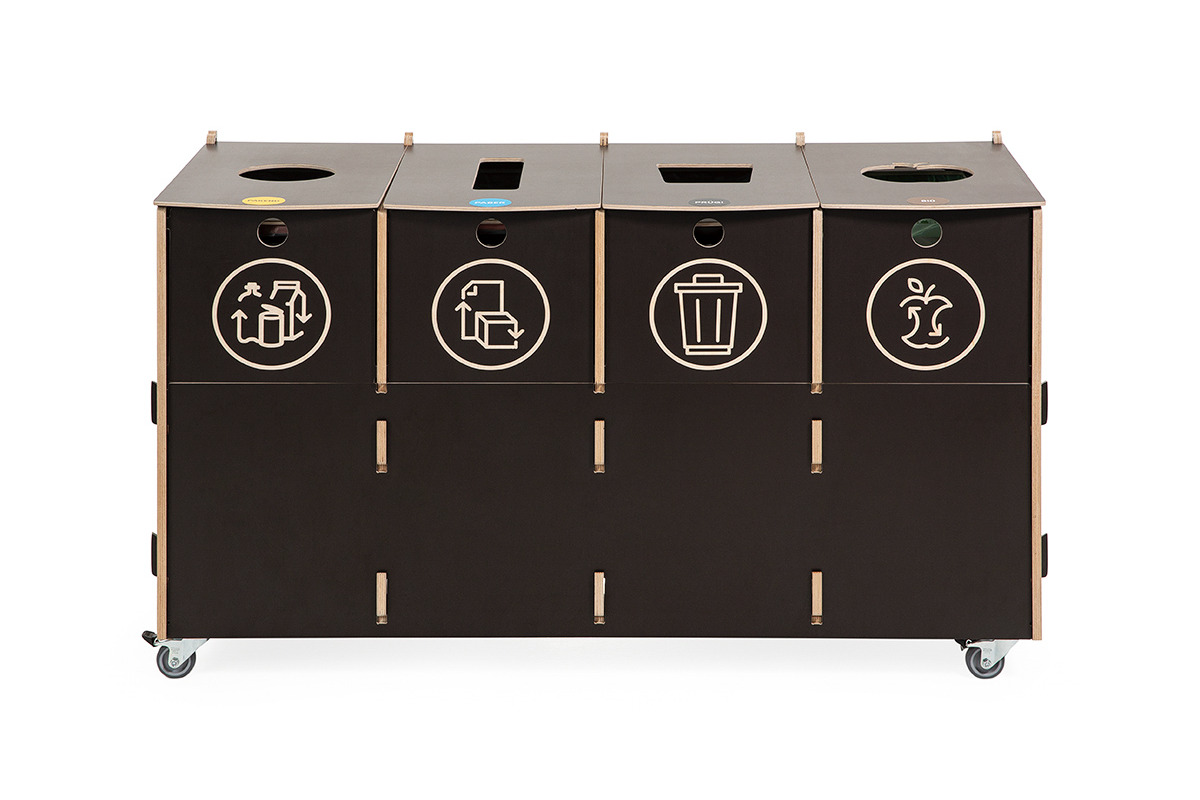
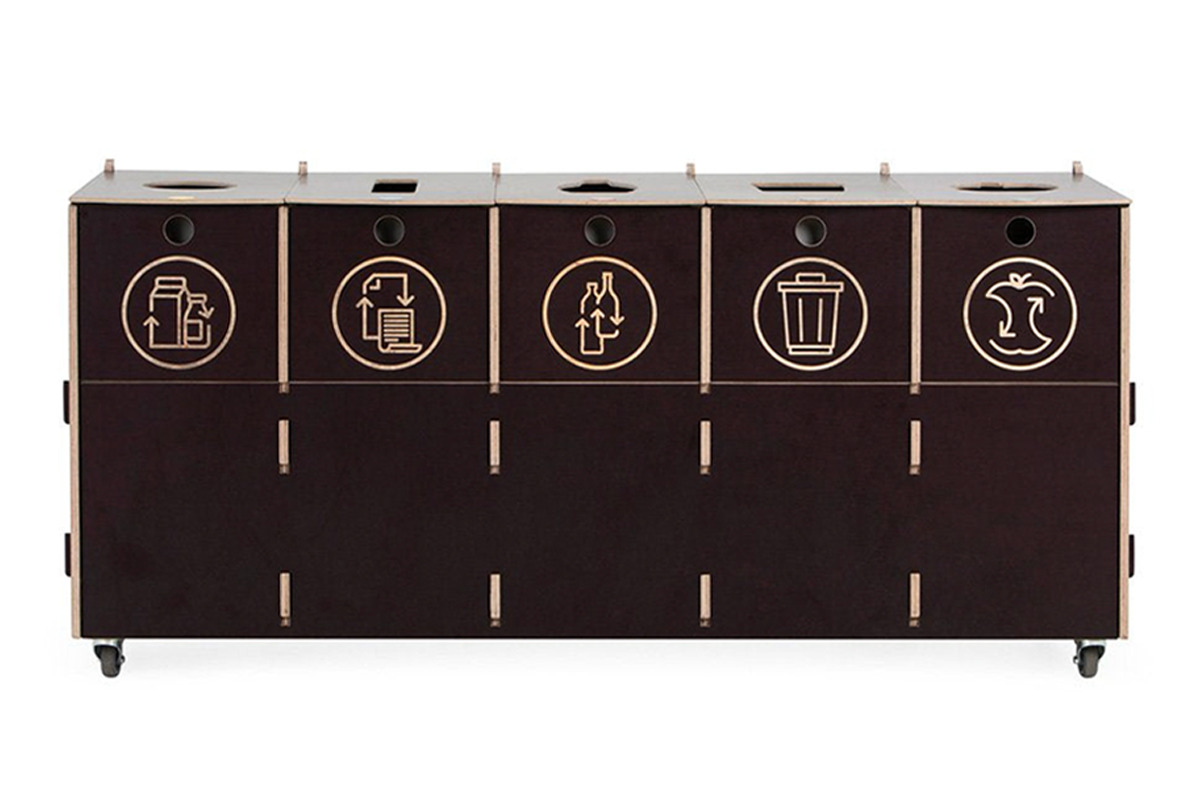
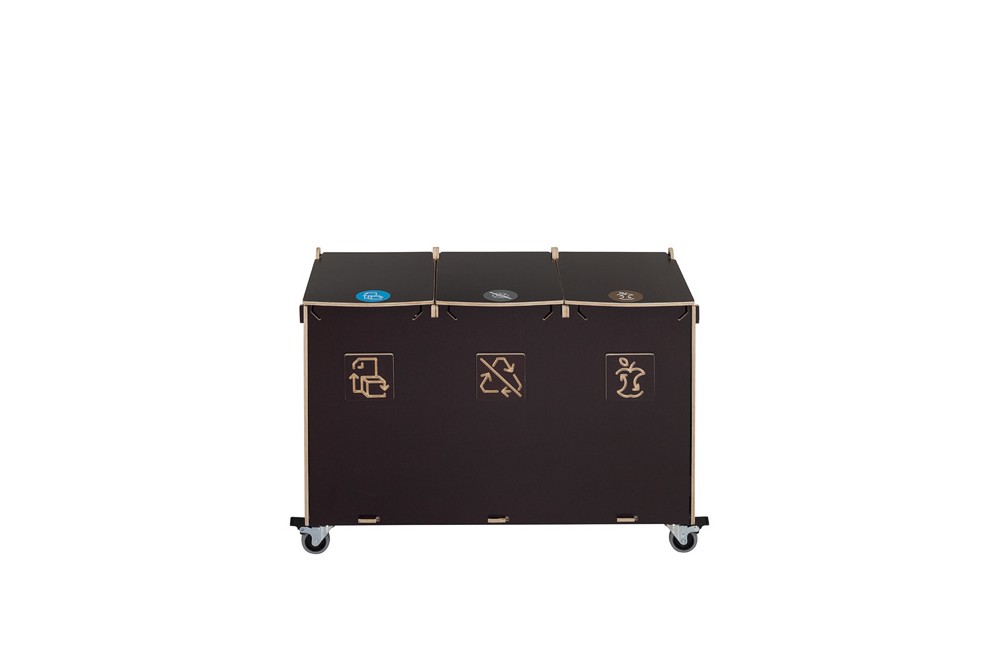
Collection efficiency improves when hardware is built for rapid maintenance. Stations constructed with front-opening doors, such as the modular Sorter series, the architecturally styled Container series, or the practical Sorta series, eliminate the need for staff to lift heavy liners vertically. Ergonomic front access reduces physical strain, lowers the risk of torn bags, and speeds up routine servicing.
Aligning your pickup schedule with actual waste generation prevents overflowing containers, eliminates unwanted odors, and maximizes custodial efficiency. Assess your building’s bin fill rates today to build a cleaner, safer, and fully compliant waste management process. Contact our team to discover multi-stream waste stations designed to optimize your facility’s daily operations.