Are lingering smells from your facility’s recycling bins frustrating occupants and attracting pests? Unpleasant odors usually stem from unrinsed beverage containers, trapped organic waste, or skipped cleaning routines. Implementing a structured maintenance routine stops foul smells at the source while keeping your workplace fresh and compliant.
Understanding the Causes of Bin Odors
Before establishing an odor-control routine, you must pinpoint why recycling stations begin to smell. Dry recyclables like clean paper, cardboard, PET bottles, and aluminum cans are inherently odorless. Foul odors occur when residual liquids or organic waste enter dry streams.
When employees discard half-empty coffee cups, salad containers with leftover dressing, or unrinsed yogurt tubs into recycling bins, anaerobic bacteria begin breaking down the organic matter. This decomposition accelerates rapidly in warm office environments, producing volatile sulfur compounds that release sour, pungent smells. Furthermore, liquid spills saturate nearby paper and cardboard, creating damp environments prone to mildew and mold. Addressing the underlying recycling contamination causes is the crucial first step to stopping unwanted smells at the source.
Implement Source Control and Education
The most effective strategy to eliminate smells is preventing liquid and organic matter from entering dry recycling streams altogether.
- Mandate a “Drain and Rinse” Policy: Position clear signage above recycling stations reminding staff to pour out leftover liquids and quickly rinse packaging before disposal.
- Separate Bio-Waste at the Source: Place dedicated food waste bins in high-use areas like breakrooms, canteens, and coffee stations. Under Article 22 of the EU Waste Framework Directive, organizations across Europe must segregate organic waste from other streams. For example, in Sweden, sorting bio-waste separately from its packaging is mandatory for both commercial entities and households. Providing accessible bio-waste options drastically cuts down on misdirected food waste in packaging bins. Review our guide to food waste recycling at work for regulatory insights and setup strategies.
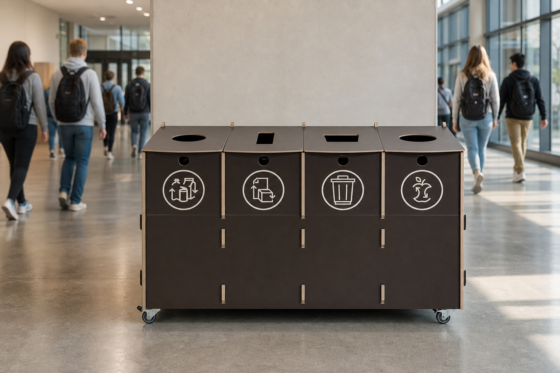
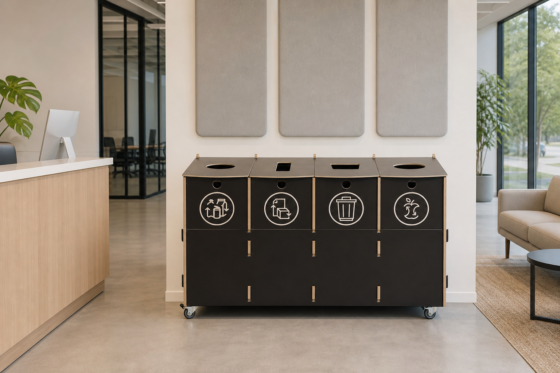
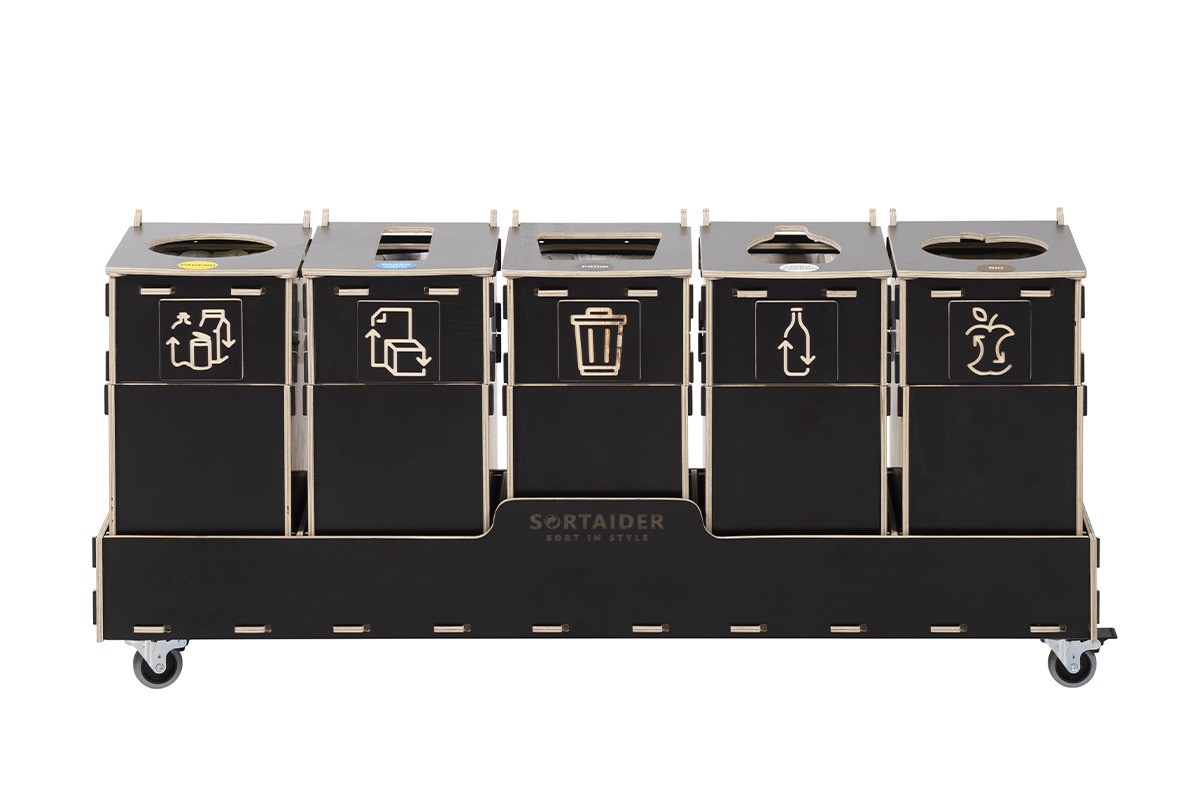
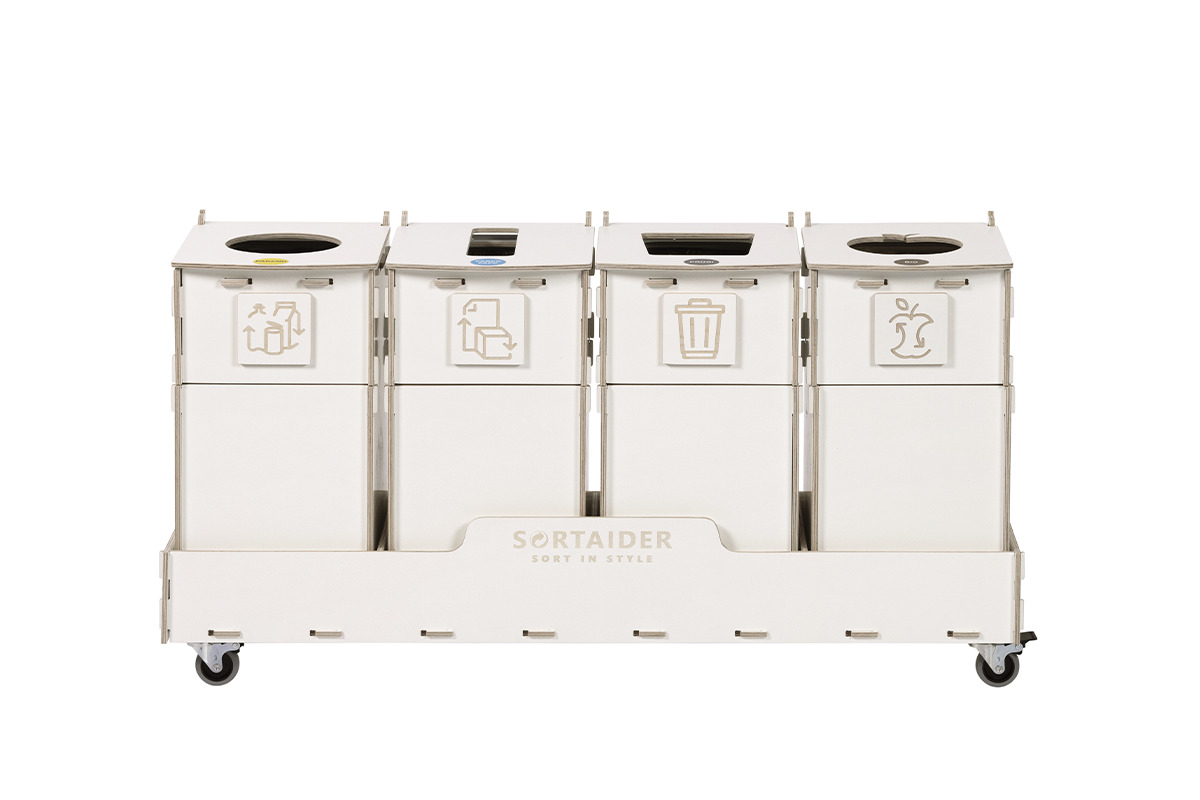
- Use Clear Visual Labelling: Educate staff on what goes in each recycling bin using recognizable pictograms rather than text-heavy labels to minimize sorting errors.
Right-Size Containers and Adjust Collection Frequency
Large recycling bins positioned in low-traffic zones often sit for days before reaching capacity. When organic residue sits uncollected in sealed or open containers over several days, bacteria proliferate, resulting in foul smells and insect attraction.
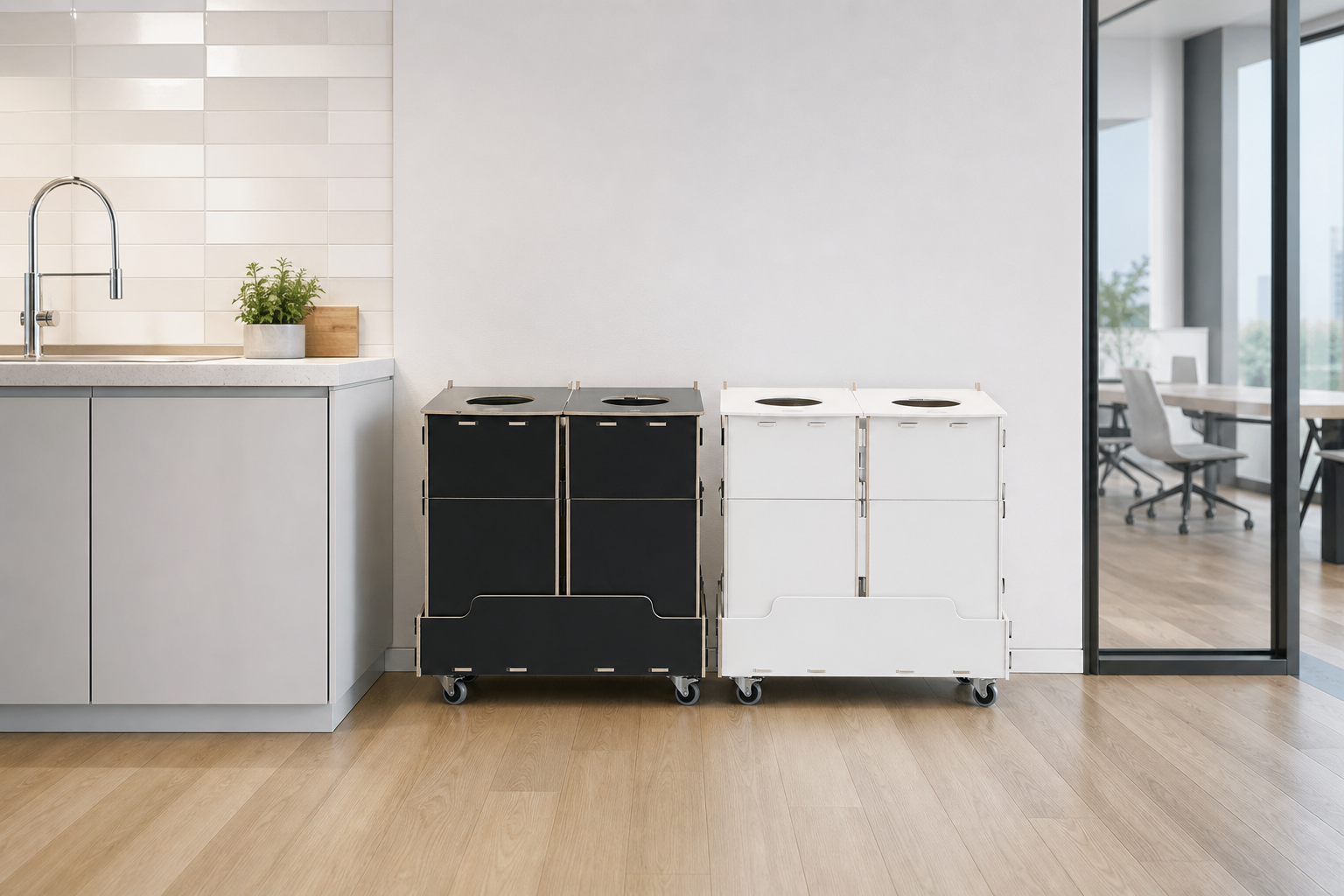
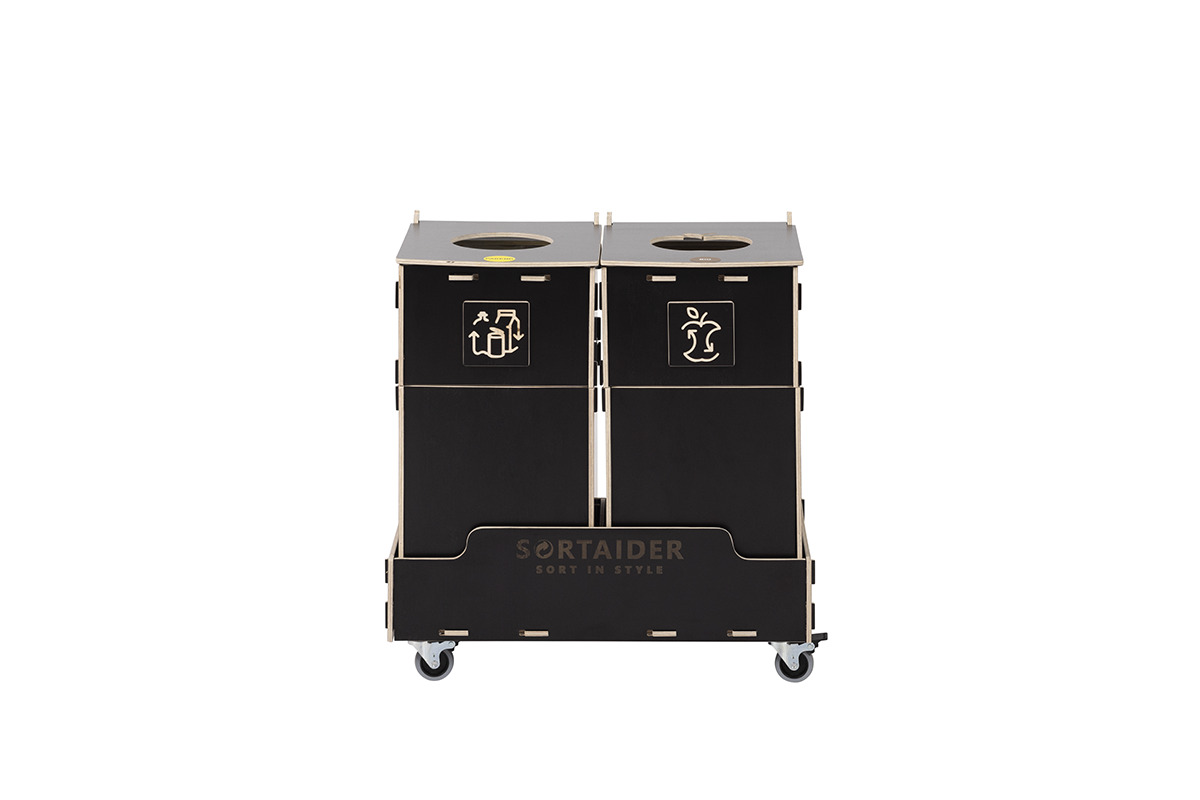
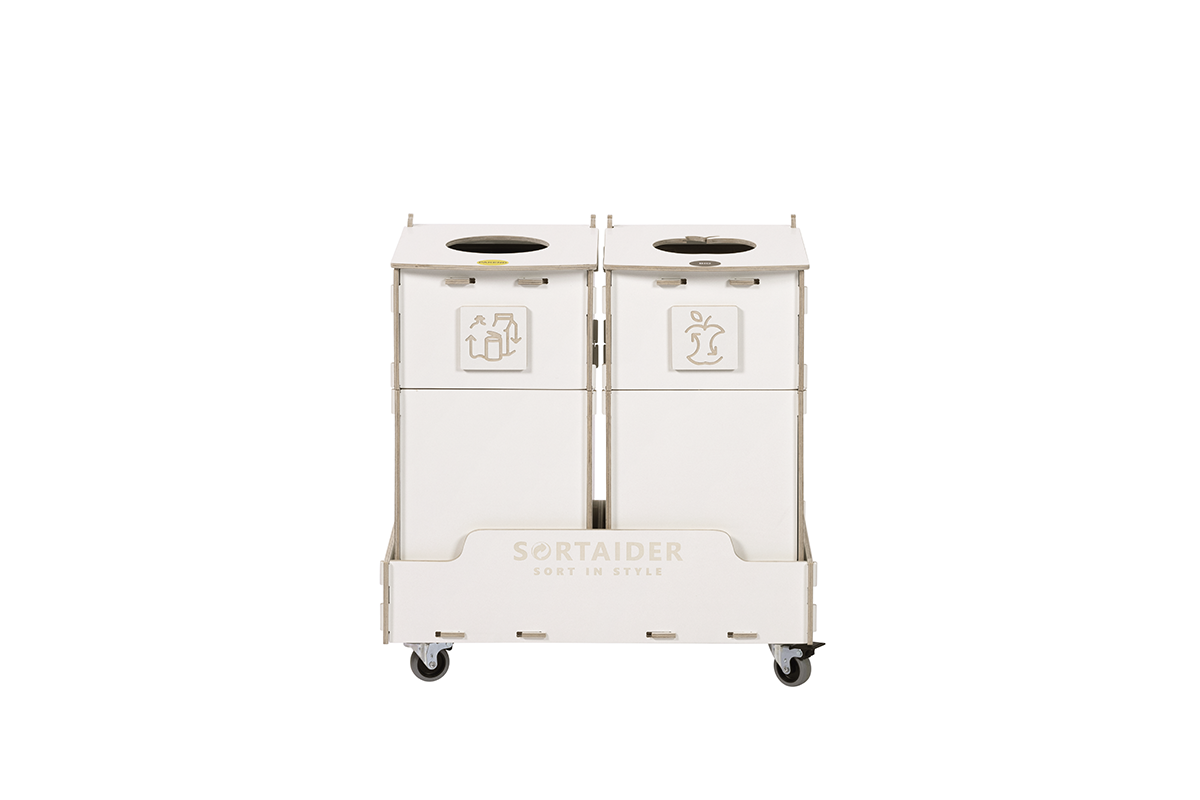
Match your container capacity directly to localized foot traffic. In high-traffic breakrooms or kitchenettes, deploy smaller inner compartments (such as 10l to 30l capacity per stream) that fill up quickly and prompt frequent clearing by janitorial staff. Emptying containers regularly before they reach full capacity prevents spills, overfilling, and lingering smells that draw pests.
Establish a Systematic Cleaning Routine
Even with strict source control, minor spills and condensation inevitably occur inside recycling containers. Establishing a formal cleaning protocol keeps your waste infrastructure hygienic and odor-free.
Daily Visual Checks and Liner Management
- Inspect bin interiors during daily maintenance rounds for leaks, spills, or torn liners.
- Select high-grade, puncture-resistant plastic liners to guard against tears and prevent liquids from pooling at the bottom of the cabinet.
- Tie liners securely upon removal to contain odors while transporting waste to central collecting areas.
- Avoid placing a fresh liner inside the unit until you have inspected and cleaned any spilled residue from the bin bottom.
Routine Cleaning Protocol
Standard facility management procedures recommend washing indoor bins frequently with warm water and mild detergent to remove sticky residue and insect larvae. When performing deep cleaning:
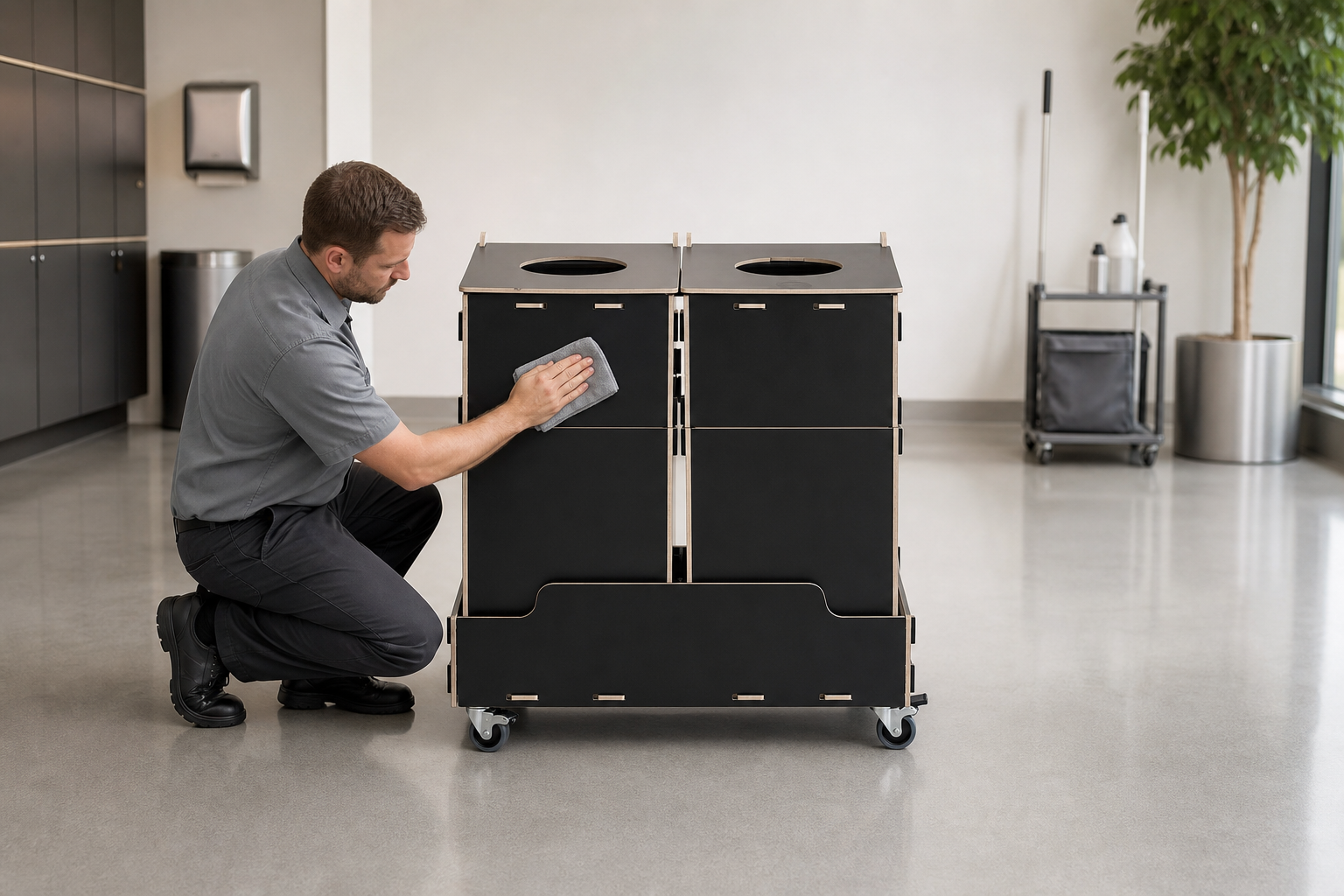
- Clean Surfaces Before Disinfecting: Always wipe down visibly dirty interior and exterior surfaces with soapy water first. Disinfectants cannot effectively sanitize surfaces covered in organic grime.
- Apply Surface Disinfectants: Use a standard facility disinfectant or sanitizer on high-touch points, including lids, handles, and inner compartments.
- Air Dry Completely: Allow the bin interior to air dry thoroughly before inserting a new liner. Trapping moisture between the bag and the container wall creates a humid microclimate that fosters mold growth and musty smells.
For a comprehensive walkthrough on sanitization standards and maintenance procedures, read our detailed article on cleaning and sanitising recycling bins.
Optimize Bin Placement and Hardware Selection
Where and how you position your recycling infrastructure plays a direct role in odor control and pest prevention.
Strategic Bin Placement
Avoid placing recycling stations in direct sunlight, near radiators, or close to HVAC heating vents. Elevated heat speeds up organic decomposition and intensifies odor dispersal throughout the building. Review our recycling bin placement guide to position multi-stream units in well-ventilated, accessible hotspots like main corridors and kitchen entrances where waste is naturally generated.
Choosing the Right Infrastructure
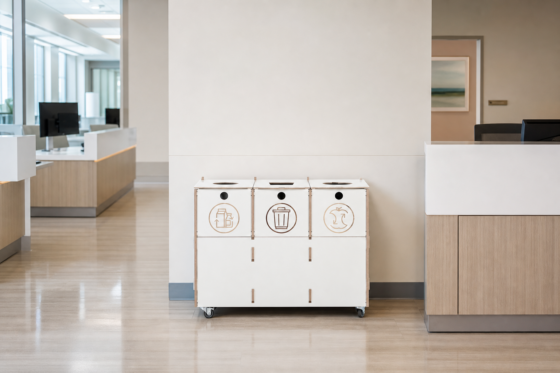
When selecting commercial recycling hardware, look for modular designs with smooth, easily accessible interiors that do not trap dirt or liquids. Tightly fitting lids are essential for containing temporary odors and blocking pest access.
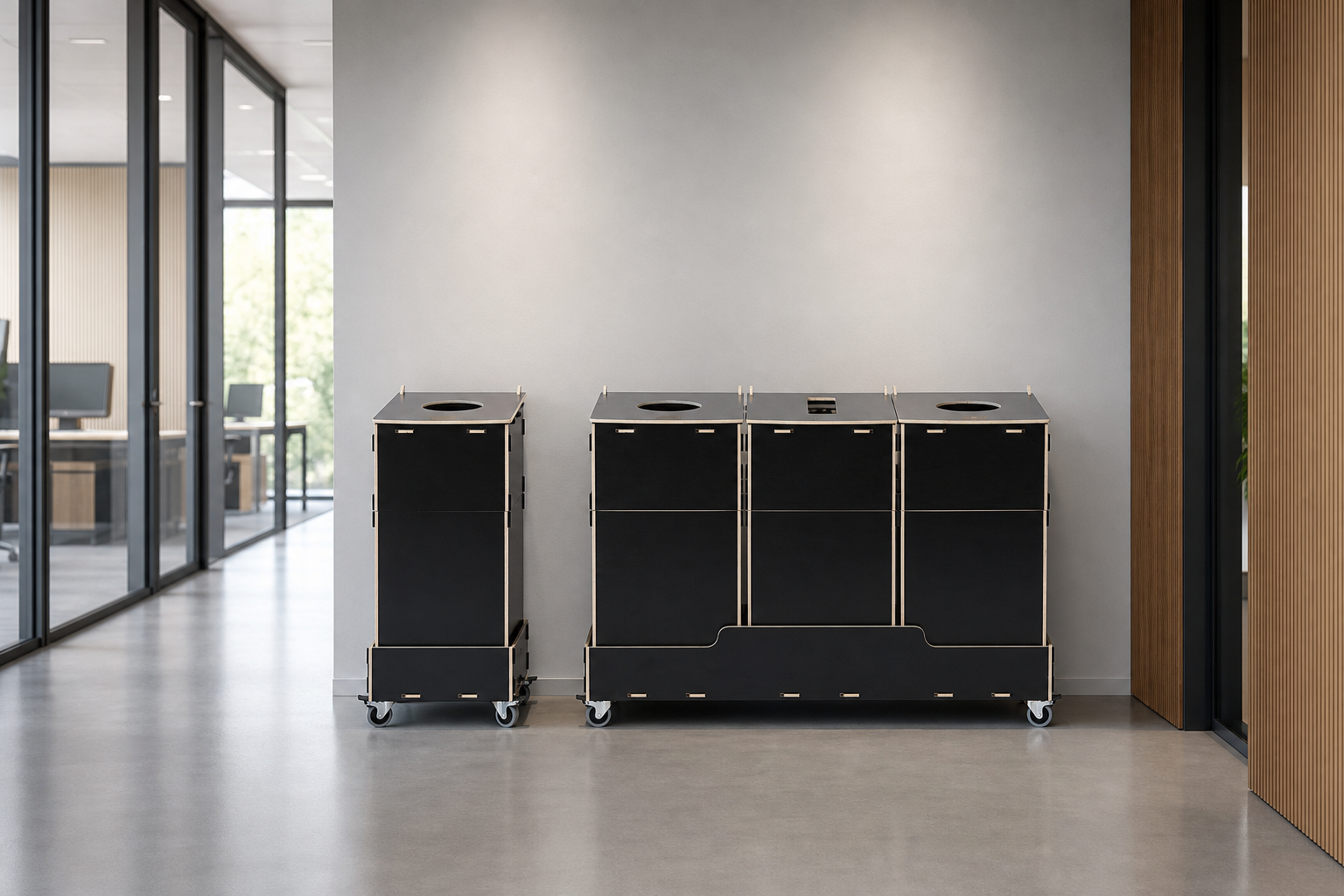
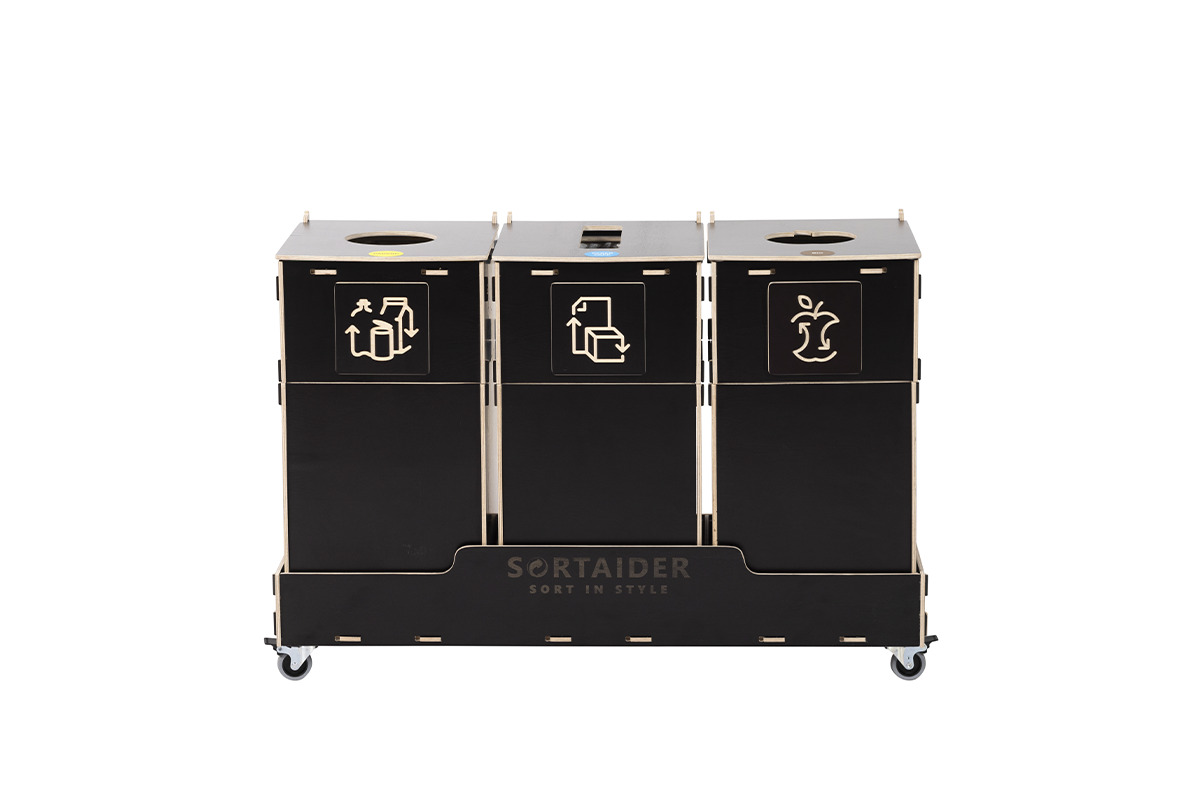
Explore our core range of recycling bins to discover modular solutions built for seamless janitorial maintenance. For executive offices and client-facing areas, view our specialized Sorter series, designed for modern aesthetics and quick cleaning access. For semi-outdoor or sheltered utility areas, heavy-duty options like our weather-resistant waste bins offer long-term structural durability against moisture accumulation.
Upgrade Your Workplace Waste Strategy
Eliminating recycling bin smells relies on three operational pillars: educating building occupants to drain packaging, sizing containers for frequent emptying, and enforcing a thorough cleaning routine. Taking a proactive approach allows facility managers to maintain a fresh, professional indoor environment while boosting overall recycling participation.
Ready to optimize your facility’s waste sorting setup? Explore our functional, award-winning recycling solutions to support your team’s hygiene and sustainability goals.