Did you know a single greasy pizza box can ruin an entire batch of office recycling? Contamination is the primary reason why well-intentioned waste sorting fails, leading to higher disposal costs and rejected loads across European facilities.
What is Recycling Contamination?
Recycling contamination occurs when non-recyclable materials are placed in recycling streams or when recyclable materials are prepared incorrectly. According to research, the average inbound contamination rate is approximately 17% by weight. This is a critical metric for facility managers because most Material Recovery Facilities (MRFs) will reject an entire load if the contamination threshold exceeds 3–5%.
When a load is rejected, it is diverted to a landfill or incineration. This not only results in significantly higher disposal fees but also represents the total loss of your organization’s sustainability efforts. Understanding what goes in each recycling bin is the first line of defense against these operational failures.
Primary Causes of Recycling Contamination
Understanding why contamination occurs is essential for how to set up recycling at work effectively. Most sorting errors in professional environments fall into three specific categories.
Food and Liquid Residue
Food is among the most common contaminants in office and hospitality settings. Leftover liquids or grease soak into paper and cardboard, breaking down the fibers and making them impossible to process into new products. The “Pizza Box Rule” is a classic example: while the cardboard lid may be clean, the greasy bottom section must be diverted to residual waste or composting to save the rest of the paper stream.
Plastic Bags and “Tanglers”
Plastic grocery bags and films are major disruptors in industrial sorting facilities. These thin plastics easily get caught in the rotating gears and screens of recycling machinery. These “tanglers” force facilities to shut down equipment for manual cleaning, which is a dangerous and costly process. Even if the material is technically recyclable in some contexts, it should never enter standard commingled bins.
Bagged Recyclables
Many employees mistakenly believe that bagging their recyclables helps with hygiene or organization. However, most sorting facilities do not have the staff to manually rip open bags. If recyclables arrive in a tied plastic bag, the entire bag is often tossed into the trash as a precaution. To prevent this, recyclables should always be placed loose into recycling bins to ensure they can be sorted by automated systems.
-
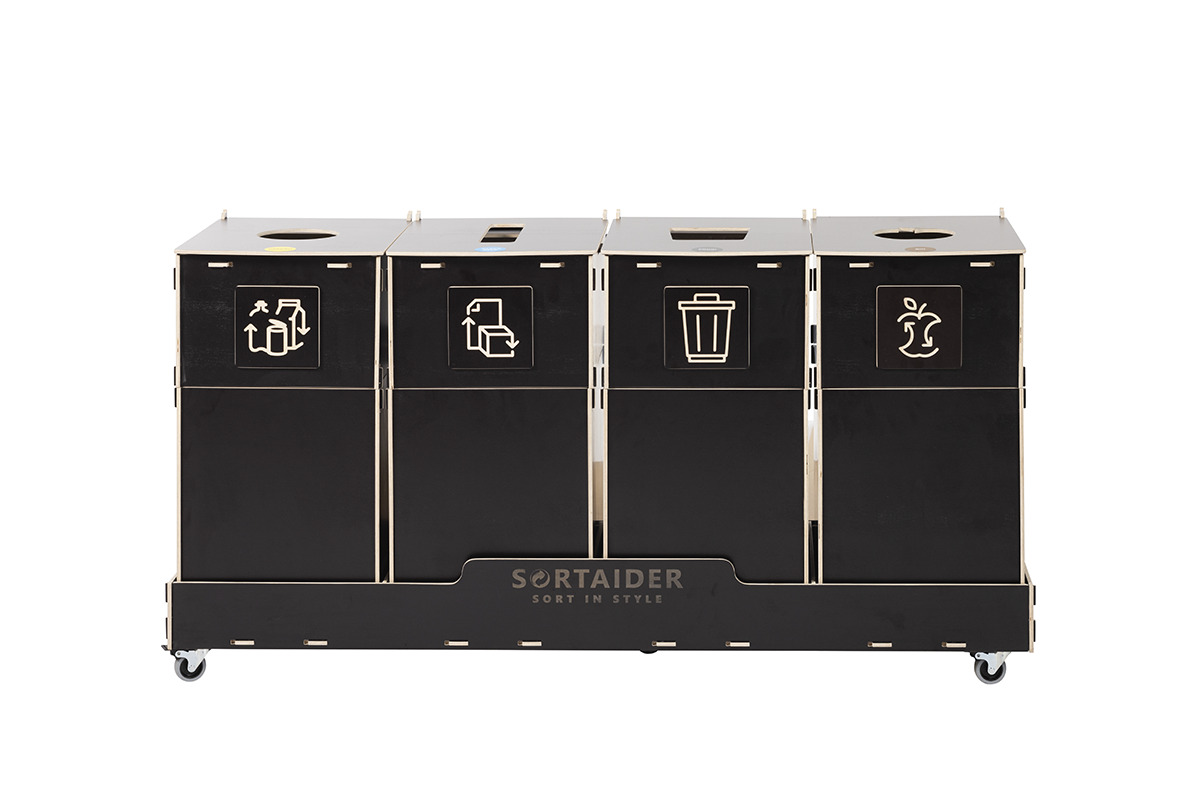
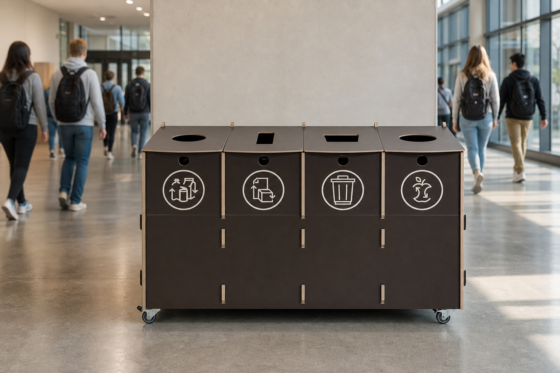
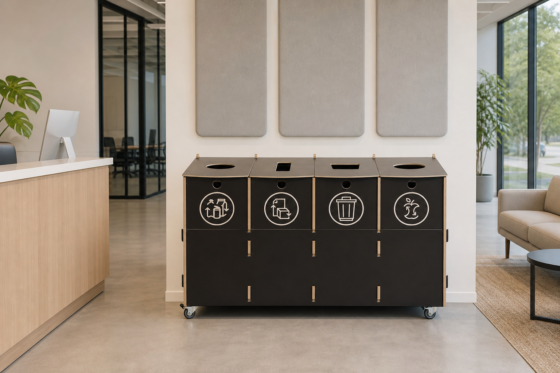
Recycling Bin Sorter 4 × 60 l brown
4 types of waste 4 x 60 l1 500,40 € (incl. 24% VAT)1 210 € (excl. VAT) -
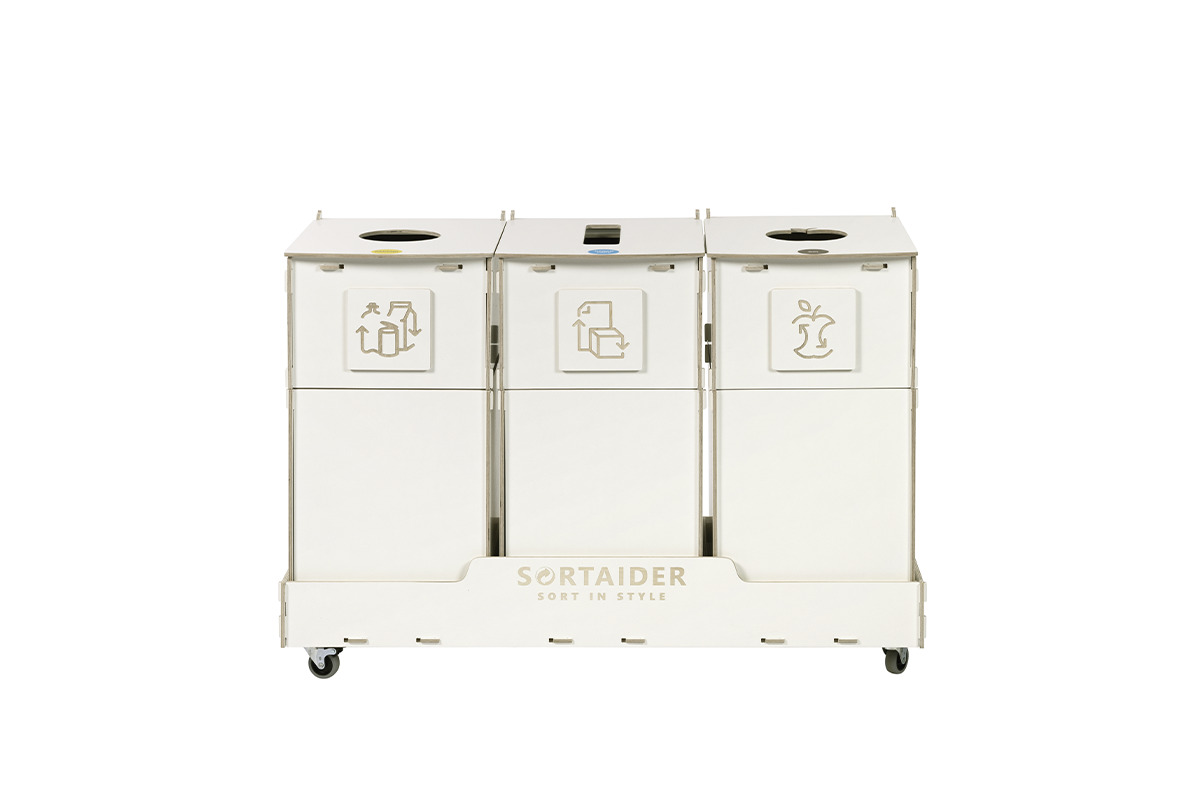
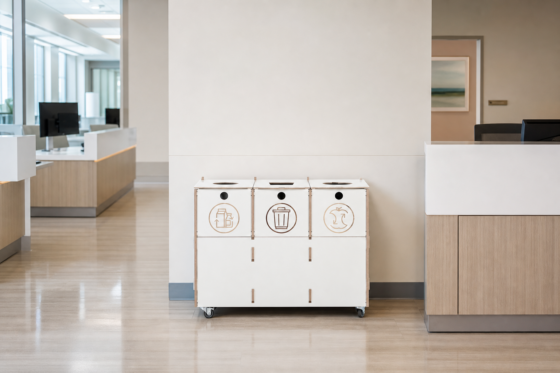
Recycling Bin Sorter 3 × 60 l white
3 types of waste 3 x 60 l1 140,80 € (incl. 24% VAT)920 € (excl. VAT) -
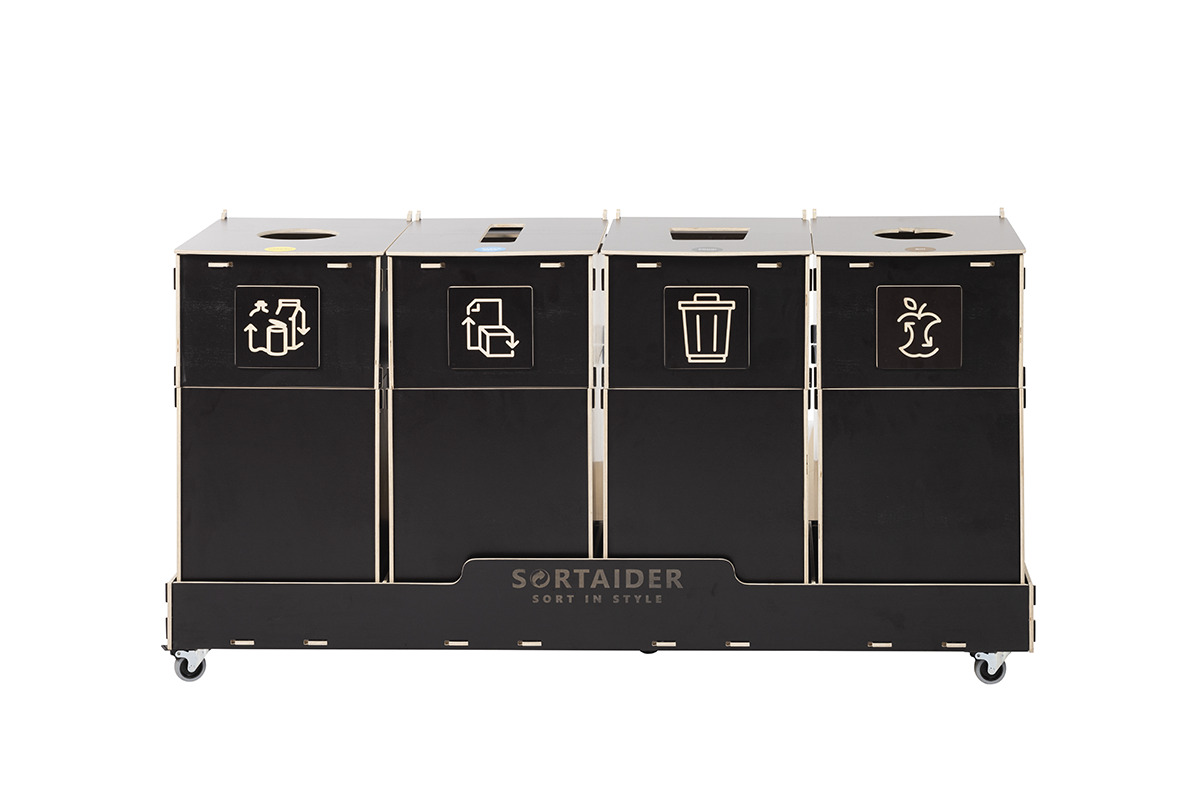
Recycling Bin Sorter 4 × 90 l brown
4 types of waste 4 x 90 l1 810,40 € (incl. 24% VAT)1 460 € (excl. VAT)
The High Cost of Sorting Mistakes
Contamination isn’t just an environmental problem; it is a financial and regulatory liability. Across Europe, commercial waste recycling requirements are becoming stricter, and high contamination levels can increase your disposal costs by up to 50% due to added labor and processing fees.
Under the EU Waste Framework Directive, organizations are increasingly held to the “polluter pays” principle. In markets like Denmark and Sweden, where workplace recycling regulations are particularly rigorous, failure to separate waste at the source can lead to significant penalties. Sweden, for instance, mandated separate food waste collection for all businesses in 2024, placing more pressure on facilities to maintain clean waste streams.
How to Prevent Contamination in the Workplace
Preventing contamination requires a combination of smart infrastructure and proactive employee education.
Conduct a Waste Audit
Before changing your system, you must understand your waste profile. A waste audit for offices identifies which departments are struggling with specific materials. This data allows you to target your education efforts where they are needed most, rather than using a one-size-fits-all approach.
Use Intuitive Signage
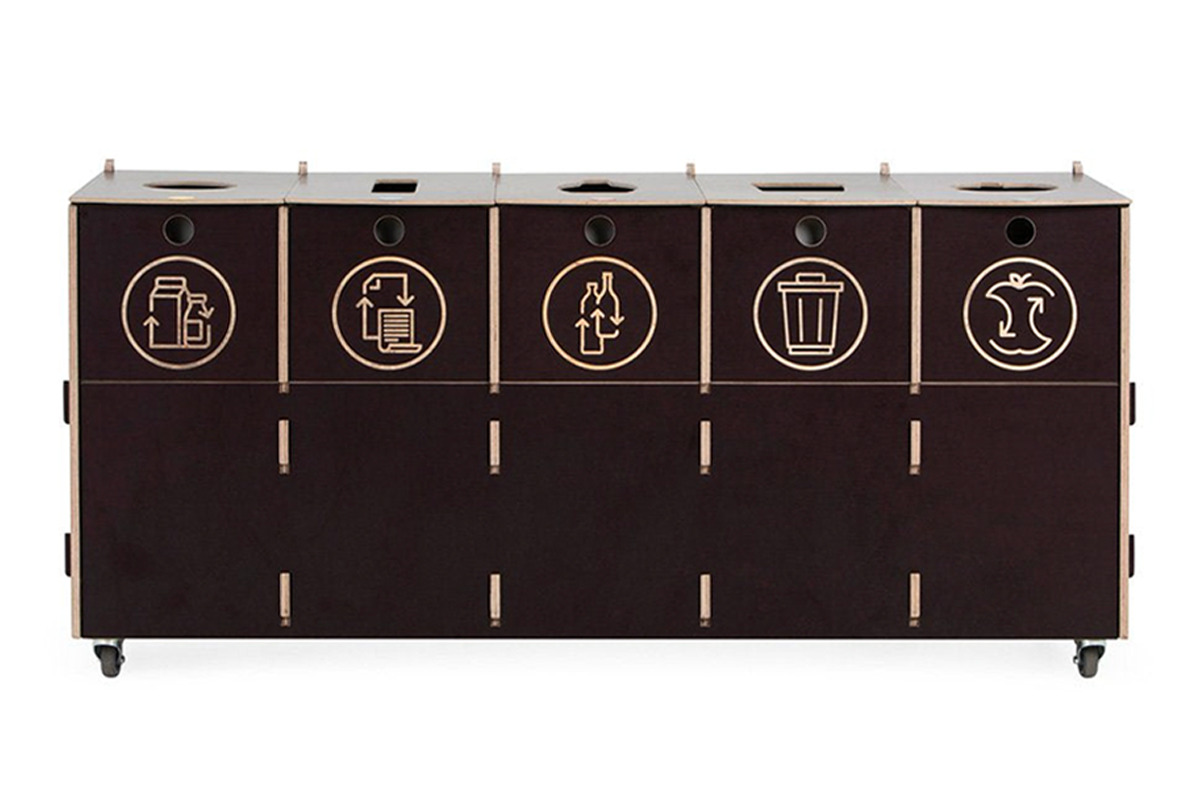
Text-heavy instructions are often ignored in fast-paced environments. Research indicates that using high-contrast visual icons can reduce sorting errors by up to 40%. Following recycling signage best practices means focusing on clear images of allowed items rather than overwhelming users with long lists of prohibited materials.
Transition to Centralized Hubs
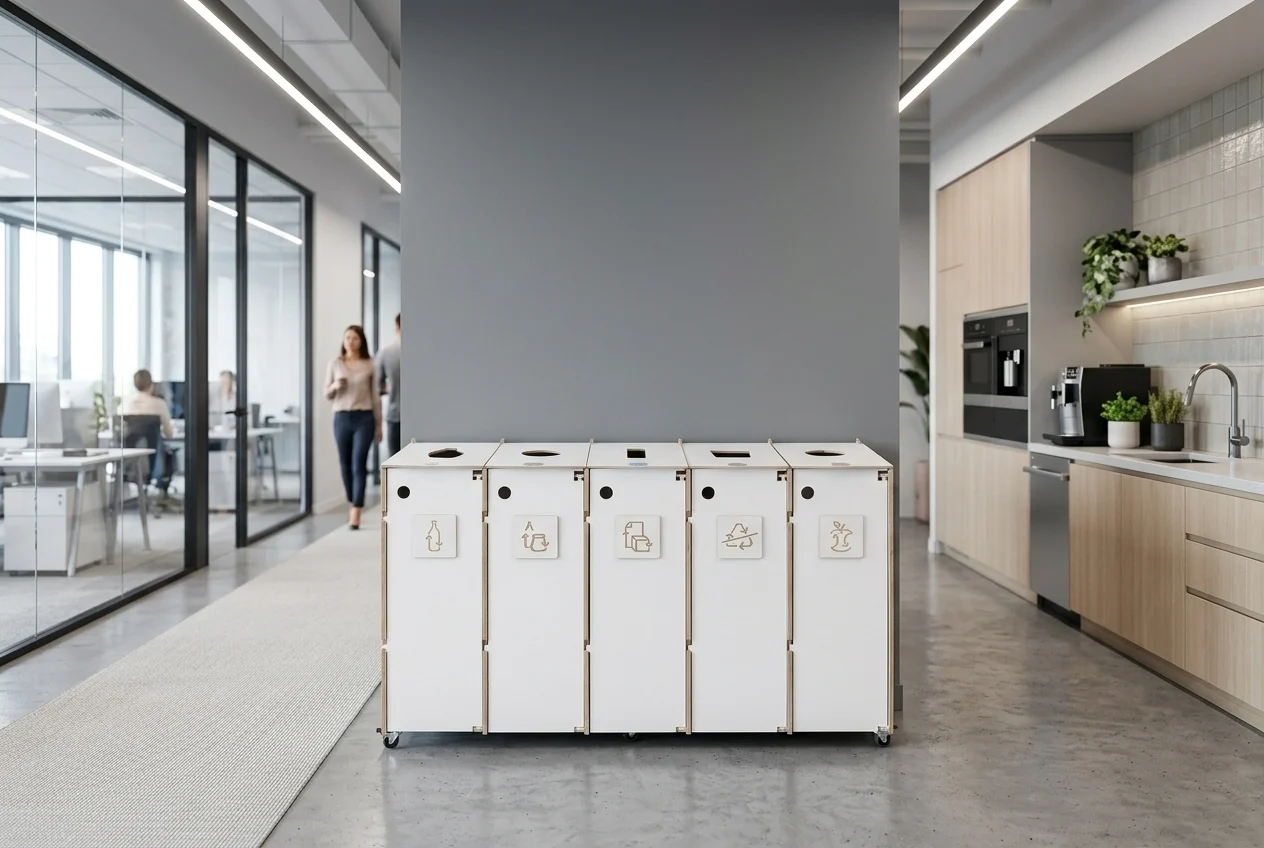
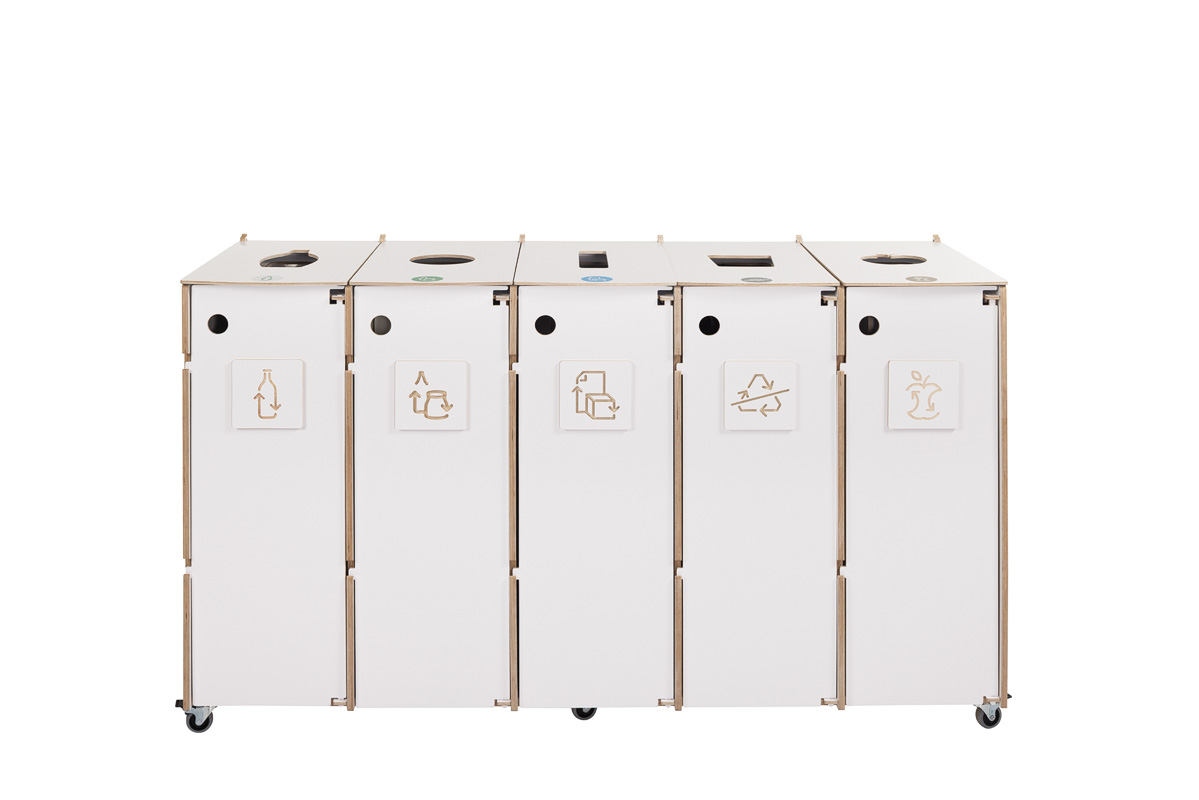
Individual deskside bins are a primary source of “wishcycling” – the act of tossing something in the recycling bin and hoping for the best because it is the most convenient option. Transitioning to a centralized recycling bins sorter hub in high-traffic areas like kitchenettes or printer rooms encourages users to pause and think before disposing of an item.
Design and Ergonomics
The physical design of the bin opening can act as a “nudge” to prevent errors. For instance, a thin slit for paper or a small round hole for bottles provides a tactile cue that reinforces the correct choice. Using modular systems that utilize these ergonomic principles significantly improves waste-separation efficiency.
-
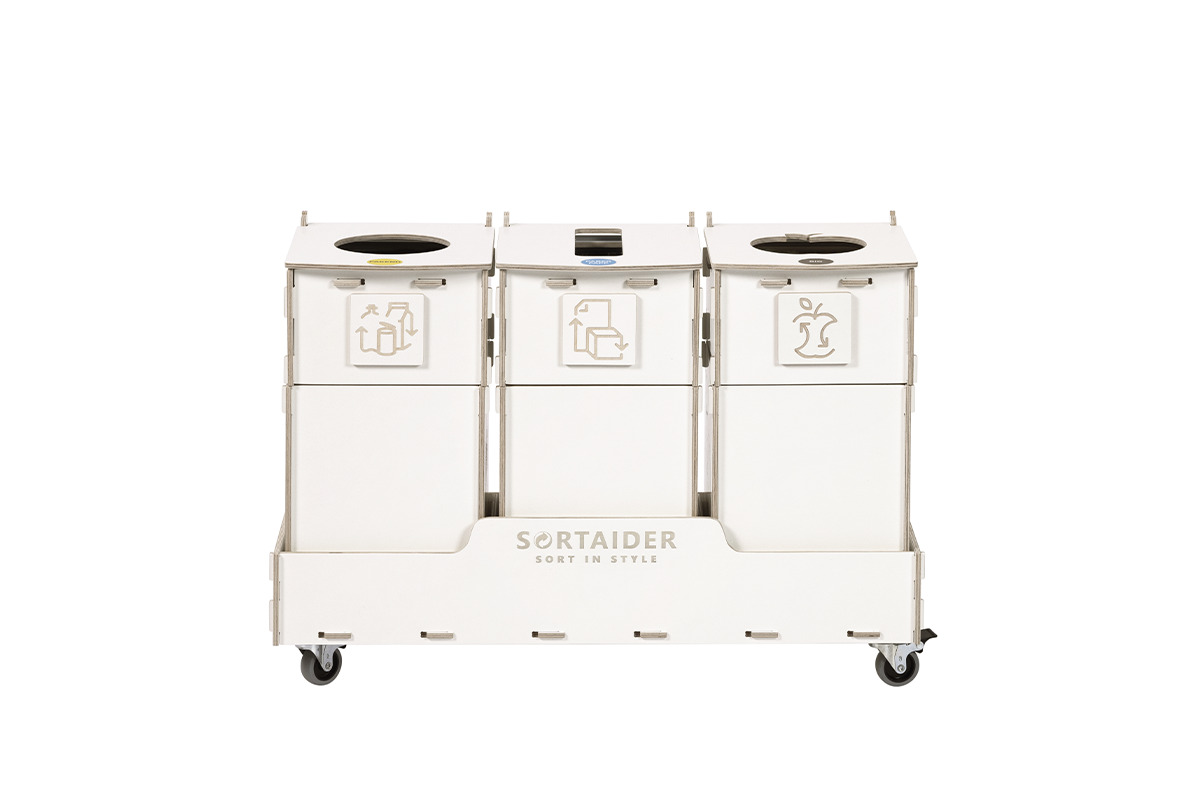
Recycling Bin Sorter 3 × 20 l white
3 types of waste 3 x 20 l471,20 € (incl. 24% VAT)380 € (excl. VAT) -
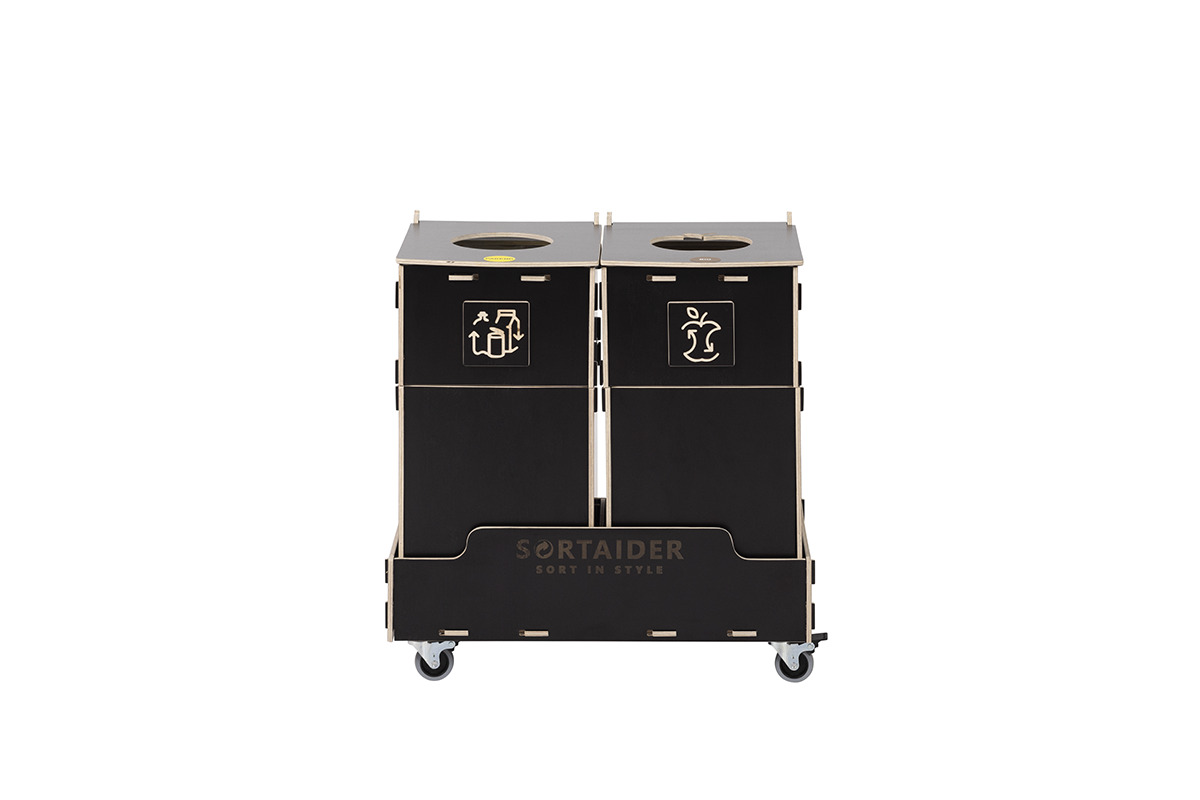
Recycling Bin Sorter 2 × 30 l brown
2 types of waste 2 x 30 l508,40 € (incl. 24% VAT)410 € (excl. VAT) -
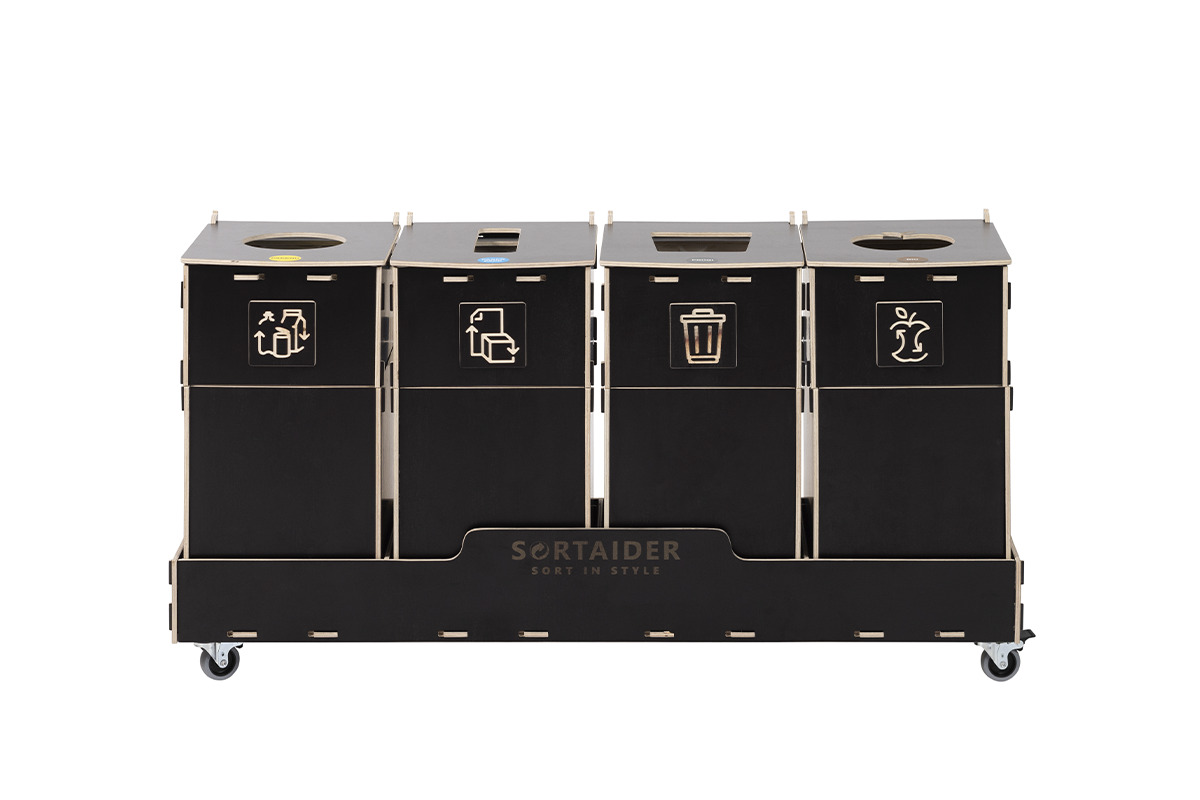
Recycling Bin Sorter 4 × 30 l brown
4 types of waste 4 x 30 l954,80 € (incl. 24% VAT)770 € (excl. VAT)
Maintaining Your System
Even the best-designed systems require maintenance to remain effective. Bio-waste or food packaging can attract pests and create odors if the bins are not managed properly. Regularly cleaning and sanitising recycling bins ensures the sorting station remains a professional and hygienic part of the office environment.
By focusing on clear education and professional infrastructure, you can significantly reduce contamination rates and ensure your organization meets its environmental targets. If you are ready to optimize your waste management, explore our recycling bins ecolong series or browse our award-winning recycling bin containers to find a modular, durable solution for your facility.