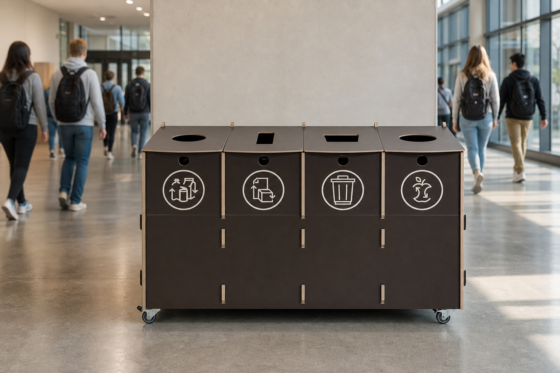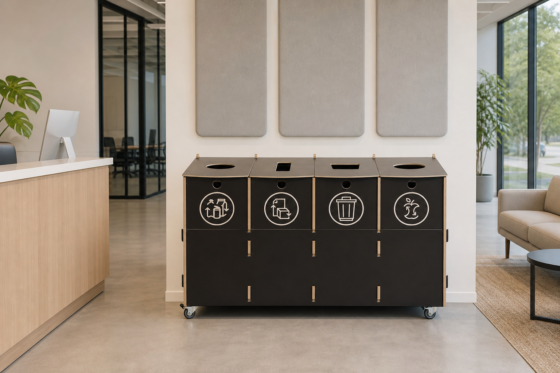
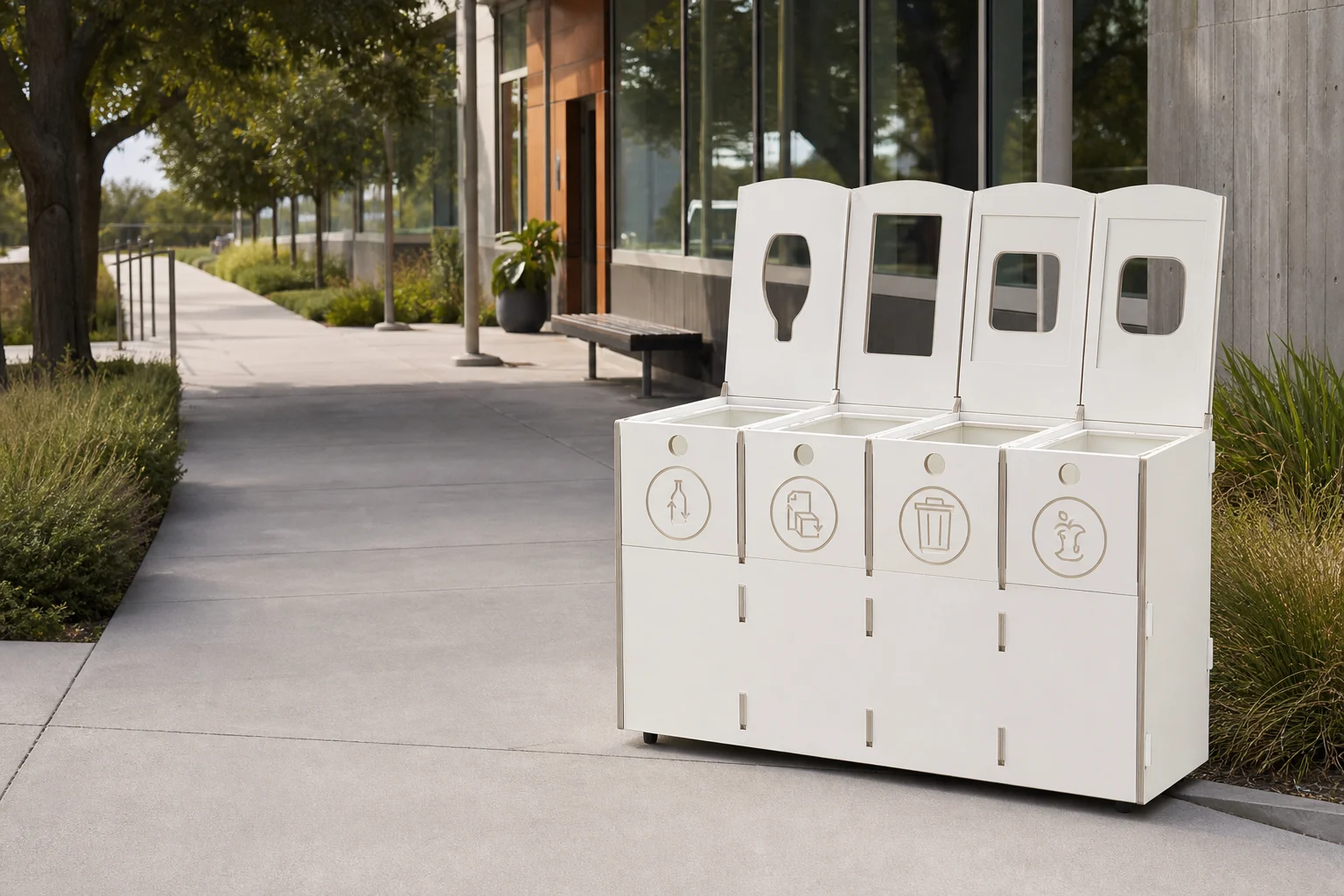
Why do some public spaces remain pristine while others struggle with persistent litter? Strategic bin placement is often the invisible factor that determines whether waste ends up in a container or on the ground. You can drastically improve disposal rates by understanding the psychology of convenience and accessibility.
The Psychology of Convenience: Distance and Density
Research into public disposal behavior reveals that convenience is the primary driver of successful waste management. An experimental study conducted on public beaches found that increasing bin abundance and moving them to central locations significantly improved proper disposal rates. Specifically, placing ten bins in a central “middle” zone yielded nearly three times more waste collection than placing them in the back of the beach area.
For facility managers, the 10-15 meter rule is a fundamental benchmark. Data regarding waste management for event venues suggests that if a visitor must walk more than 15 meters to find a bin, they are statistically more likely to litter or use the wrong stream. In high-traffic pedestrian routes, you should position bins at natural transition points, such as entranceways, parking lot junctions, and near seating areas.
The 1:1 Ratio: Never Place a Standalone Bin
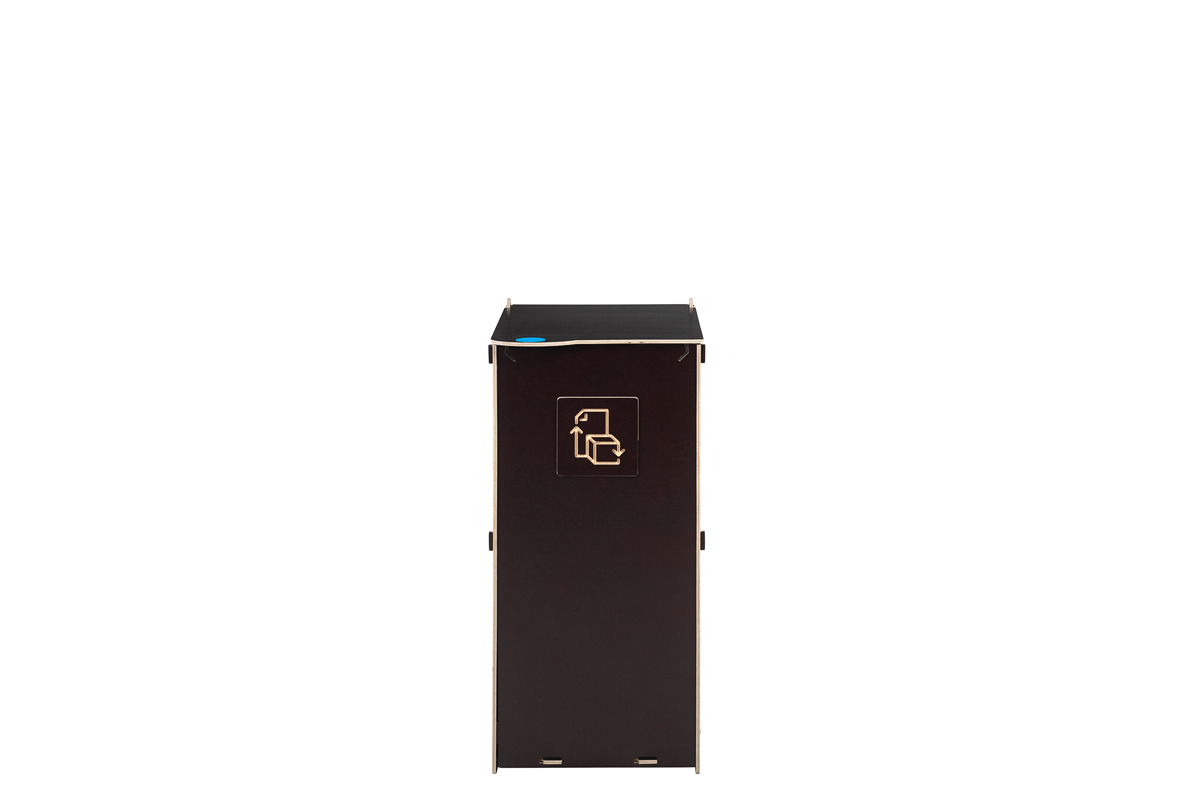
One of the most common mistakes in public space planning is placing a general waste bin without a corresponding recycling option. Following the airport waste management framework, facility managers should adhere to a strict 1:1 ratio.
When users encounter only a general waste bin, they are forced to landfill recyclables. Conversely, a standalone recycling bin often leads to recycling contamination, as users will prioritize convenience over sorting accuracy. Pairing streams ensures that the choice to recycle is as easy as the choice to dispose.
-
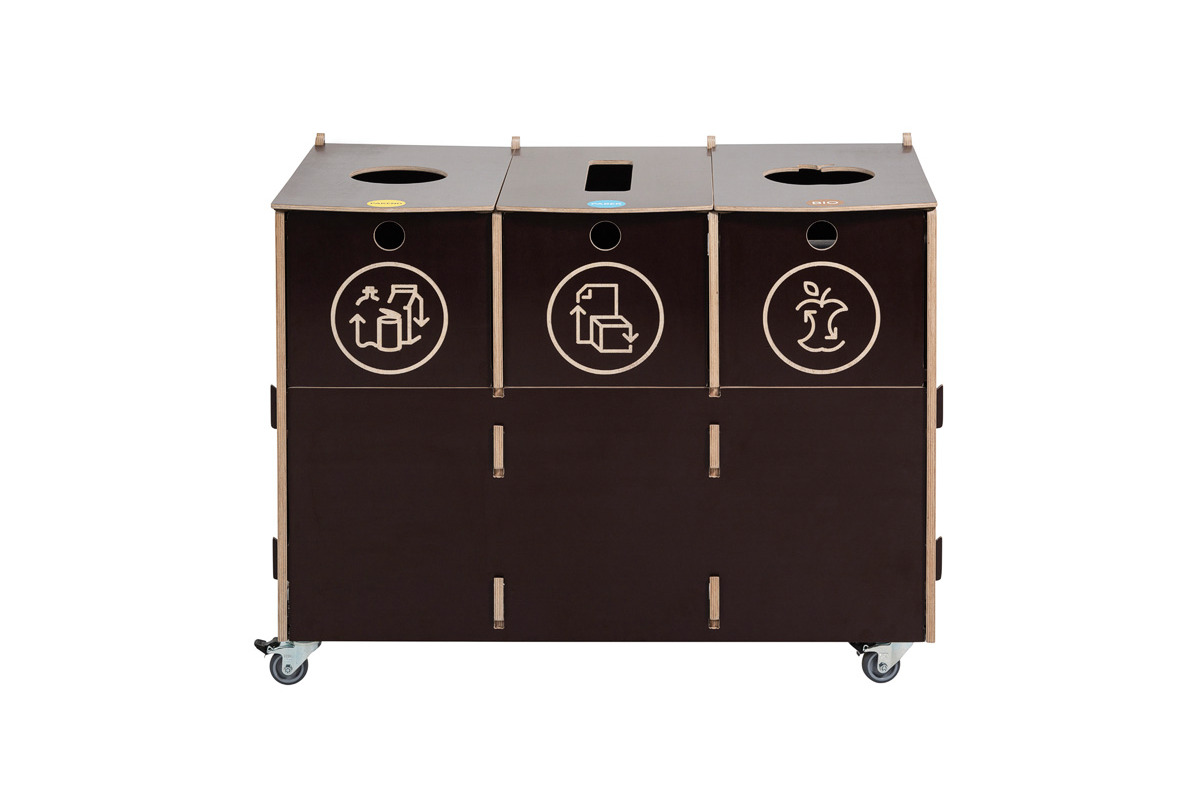
Recycling Bin Container 3 × 40 l brown
3 types of waste 3 x 40 l1 215,20 € (incl. 24% VAT)980 € (excl. VAT) -
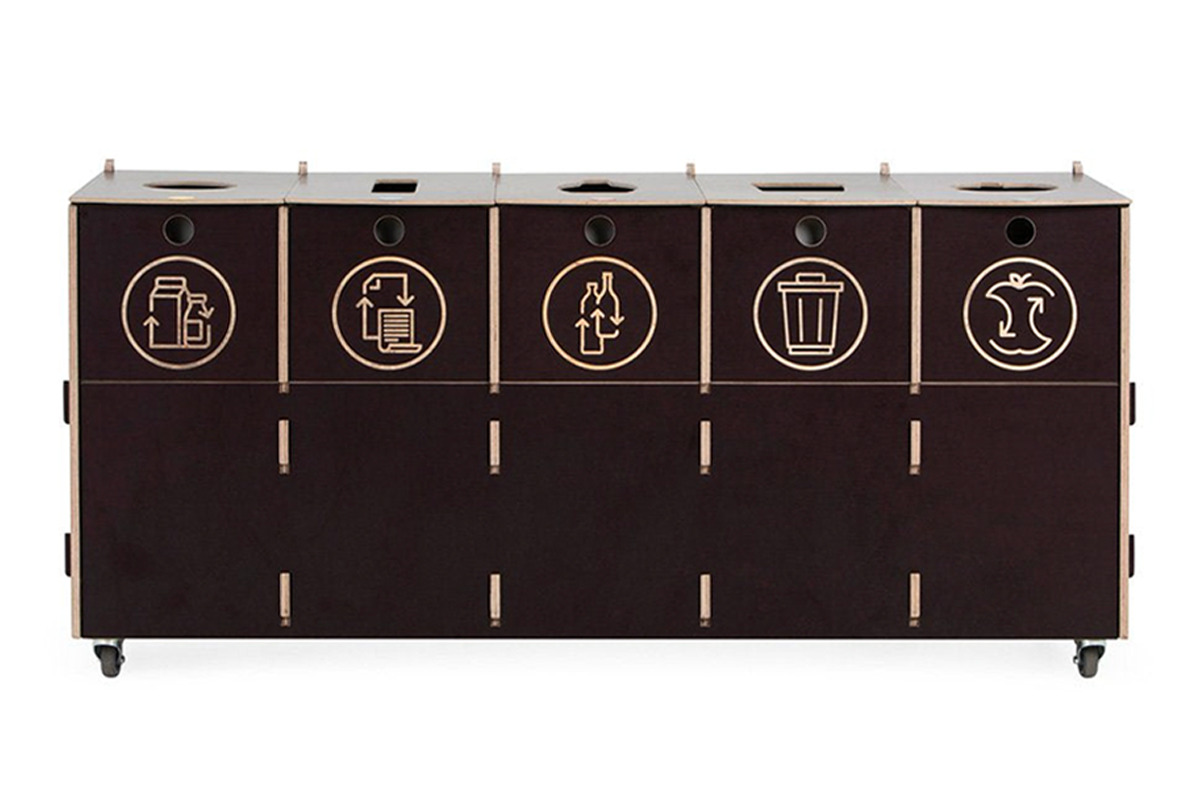
Recycling Bin Container 5 × 40 l brown
5 types of waste 5 x 40 l1 798 € (incl. 24% VAT)1 450 € (excl. VAT) -

Recycling Bin Container 4 × 40 l white
4 types of waste 4 x 40 l1 612 € (incl. 24% VAT)1 300 € (excl. VAT)
Accessibility and Universal Design Standards
Outdoor waste bins must be accessible to all users, regardless of mobility. To remain compliant with universal design principles and common standards like those in the US and Europe, you should ensure a clear ground space of at least 91 by 122 cm (36 by 48 inches) for a forward approach. Bins should never block wheelchair movement or interrupt an accessible route.
Key technical requirements for accessibility include:
- Operating Height: All handles, latches, or openings should be positioned between 38 and 122 cm (15 to 48 inches) above the ground.
- Ease of Use: Operable parts should be usable with one hand, requiring no more than 2.2 kg (5 pounds) of force, and should not require tight grasping, pinching, or twisting of the wrist.
- Clear Approach: The area surrounding the bin must be level and unobstructed to allow for a parallel or forward approach by individuals using mobility aids.
Enhancing Visibility Through Visual Cues
Visibility is not just about being seen; it is about being understood instantly. High-contrast colors and intuitive pictograms are essential for international environments where language barriers may exist. Following the EN 14092 standard for color-coding – typically blue for paper and green for glass – creates a universal visual language that guides behavior without the need for translation.
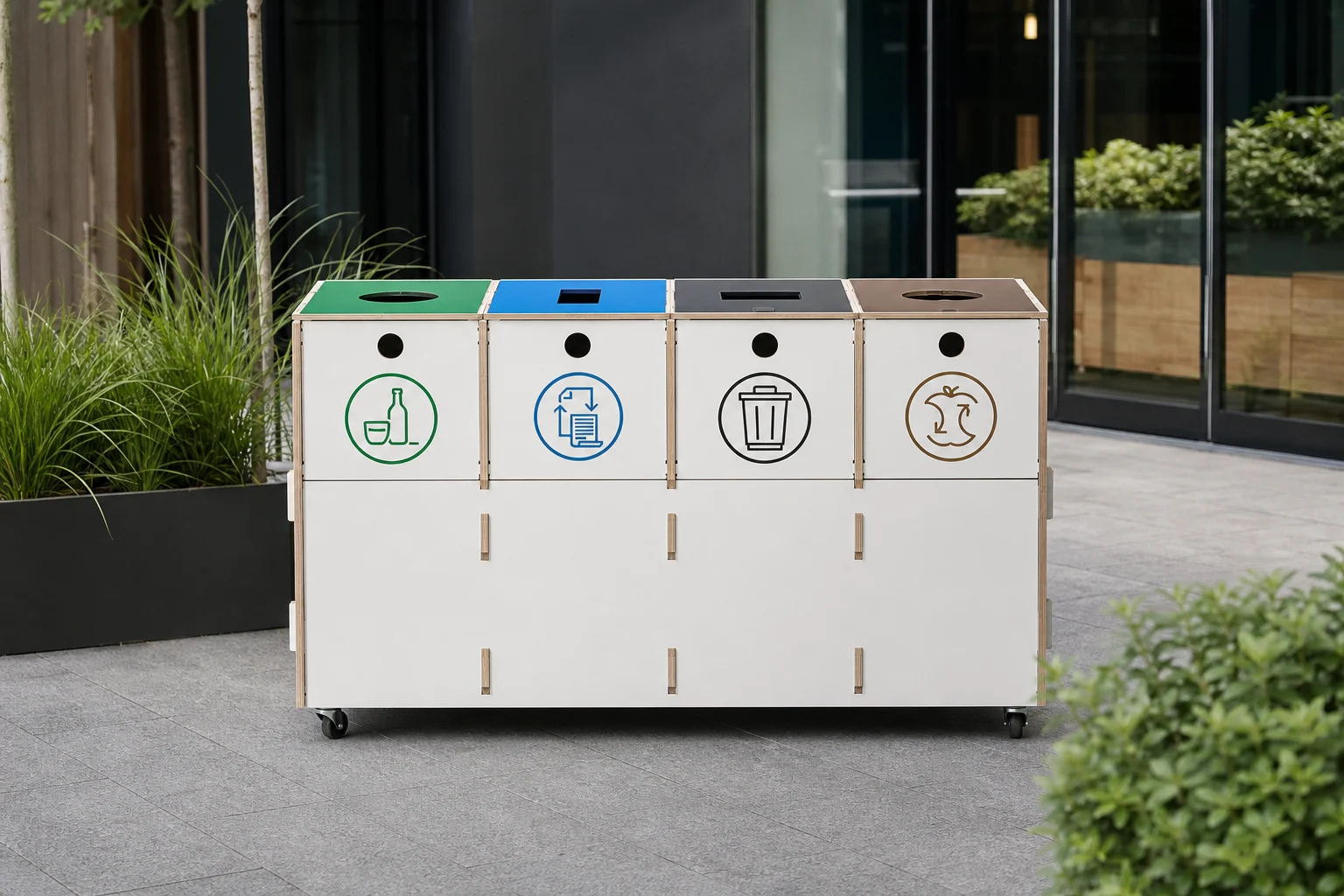
Using “YES” and “NO” imagery directly on the bin helps eliminate confusion at the point of disposal. This is particularly important for waste management for retail stores, where packaging makes up a significant portion of the waste stream. Clear labeling on the lids ensures that the purpose of the bin is visible from a distance and from an overhead approach.
-
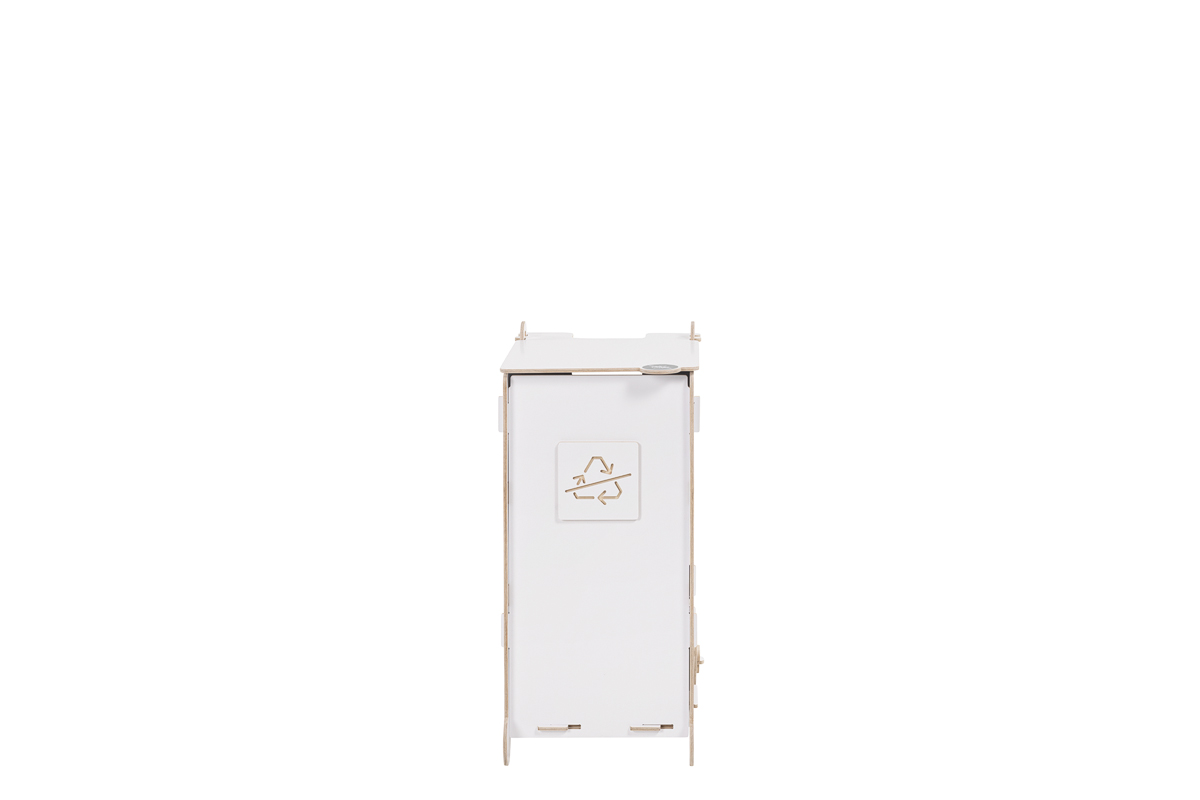
Waste Bin Sortaider 1 × 50 l white
1 type of waste 1 x 50 l272,80 € (incl. 24% VAT)220 € (excl. VAT) -
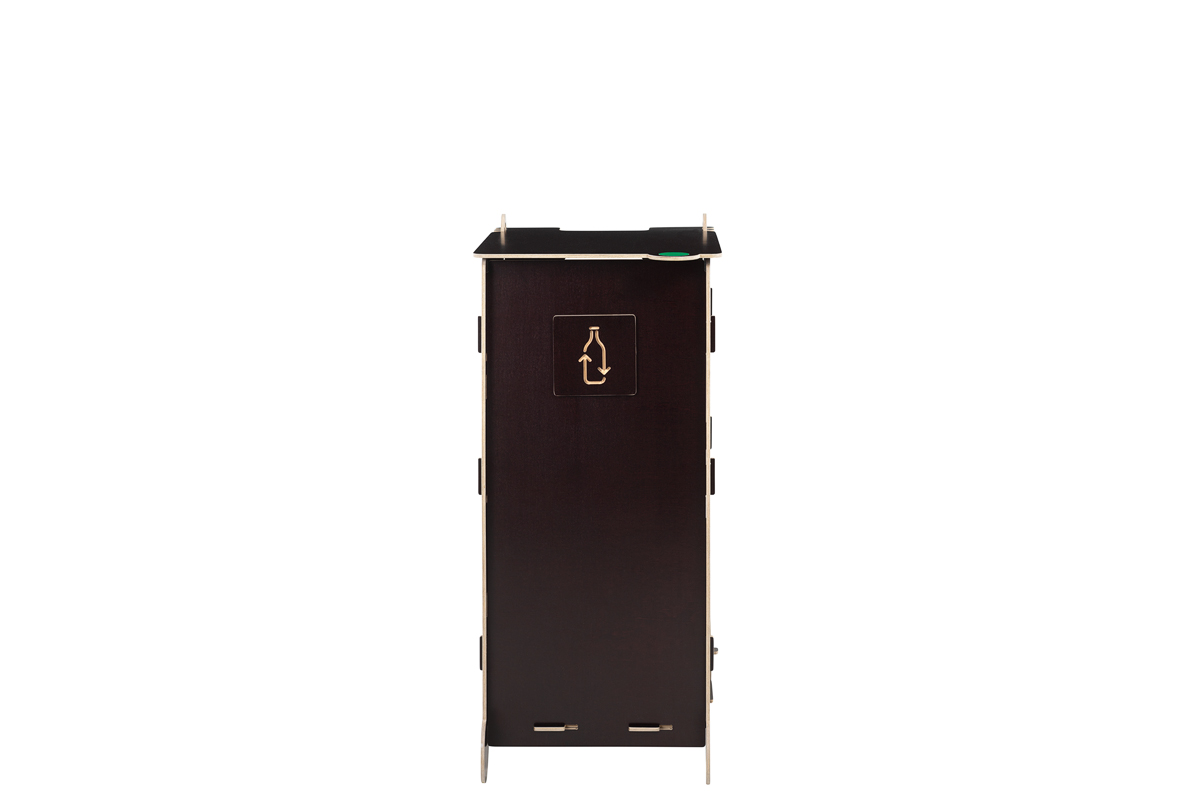
Waste Bin Sortaider 1 × 90 l brown
1 type of waste 1 x 90 l347,20 € (incl. 24% VAT)280 € (excl. VAT) -
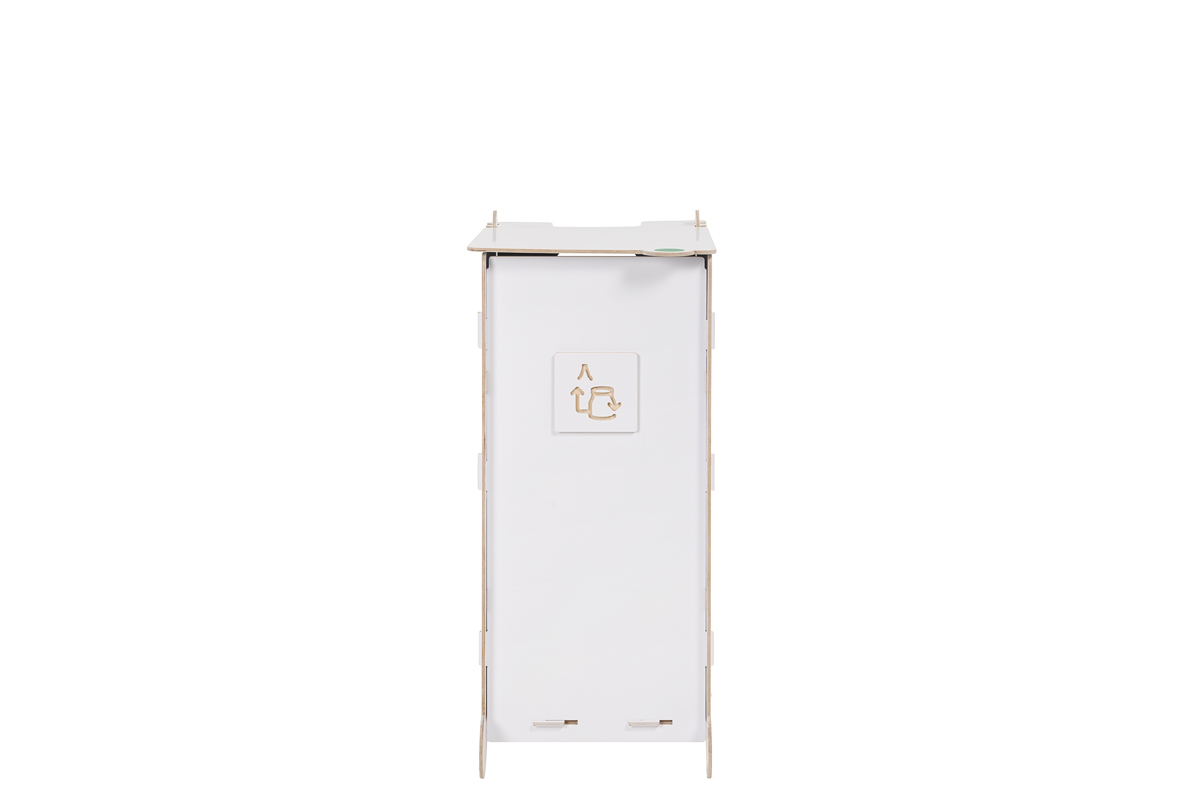
Waste Bin Sortaider 1 × 90 l white
1 type of waste 1 x 90 l347,20 € (incl. 24% VAT)280 € (excl. VAT)
Maintenance Efficiency and Durability
Strategically placing bins near service access routes reduces the physical strain on maintenance teams and shortens collection times. For outdoor environments, the material of the bin is just as critical as its location. While many planners default to plastic or metal, sustainable waste bins made from high-quality, moisture-resistant plywood offer a durable, CO2-friendly alternative that resists temperature fluctuations and moisture.
To maintain professional hygiene standards, units should feature smooth, laminated surfaces that allow for cleaning and sanitising recycling bins with minimal effort. Models with integrated bag support systems or rear-mounted wheels further improve ergonomics for the staff responsible for daily emptying. Choosing products that emit up to 4x less CO2 into the environment during production also helps facilities meet broader sustainability targets.
-
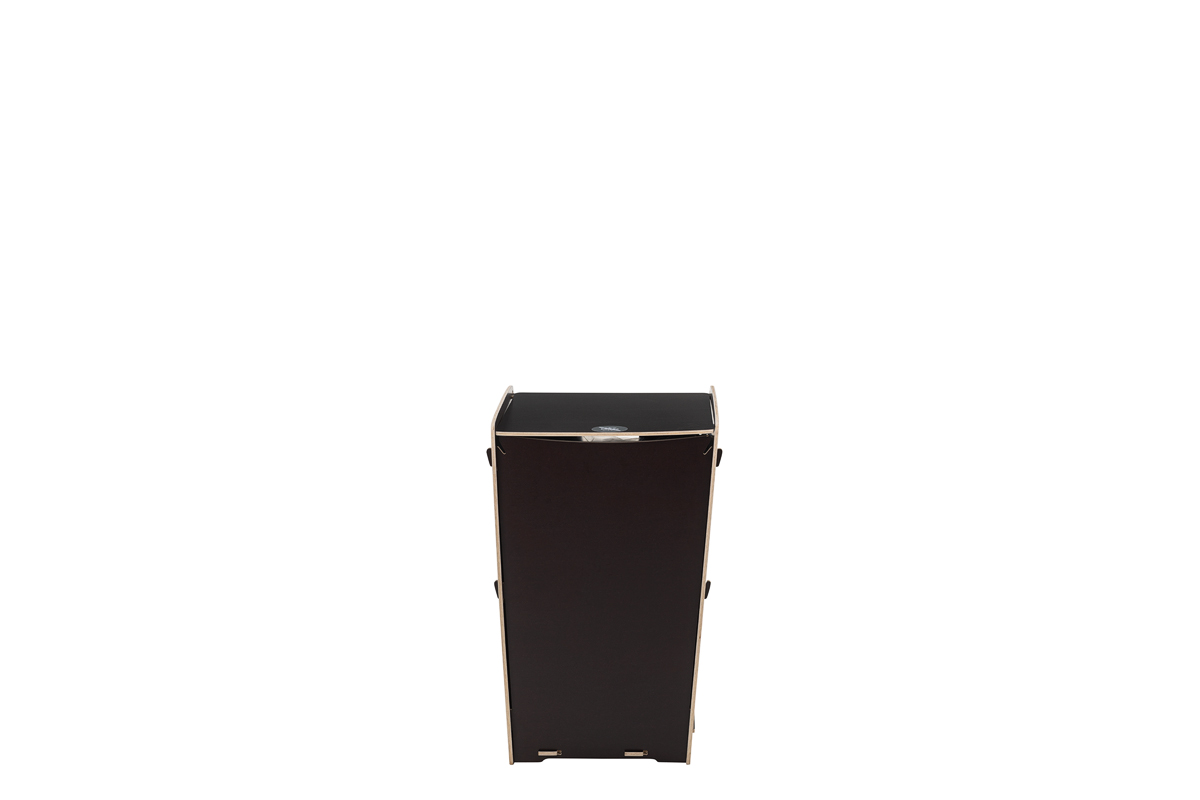
Waste Bin Sorta 1 × 60 l brown
1 type of waste 1 x 60 l173,60 € (incl. 24% VAT)140 € (excl. VAT) -
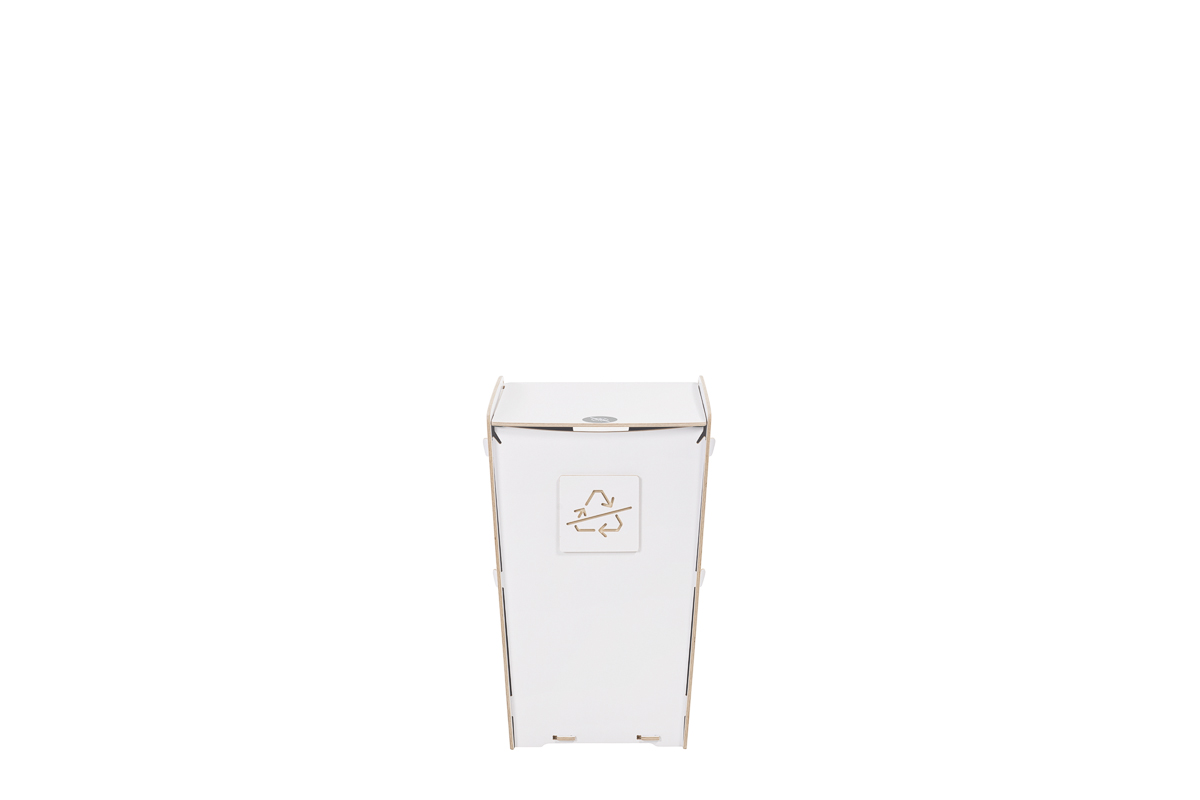
Waste Bin Sorta 1 × 60 l white
1 type of waste 1 x 60 l173,60 € (incl. 24% VAT)140 € (excl. VAT) -
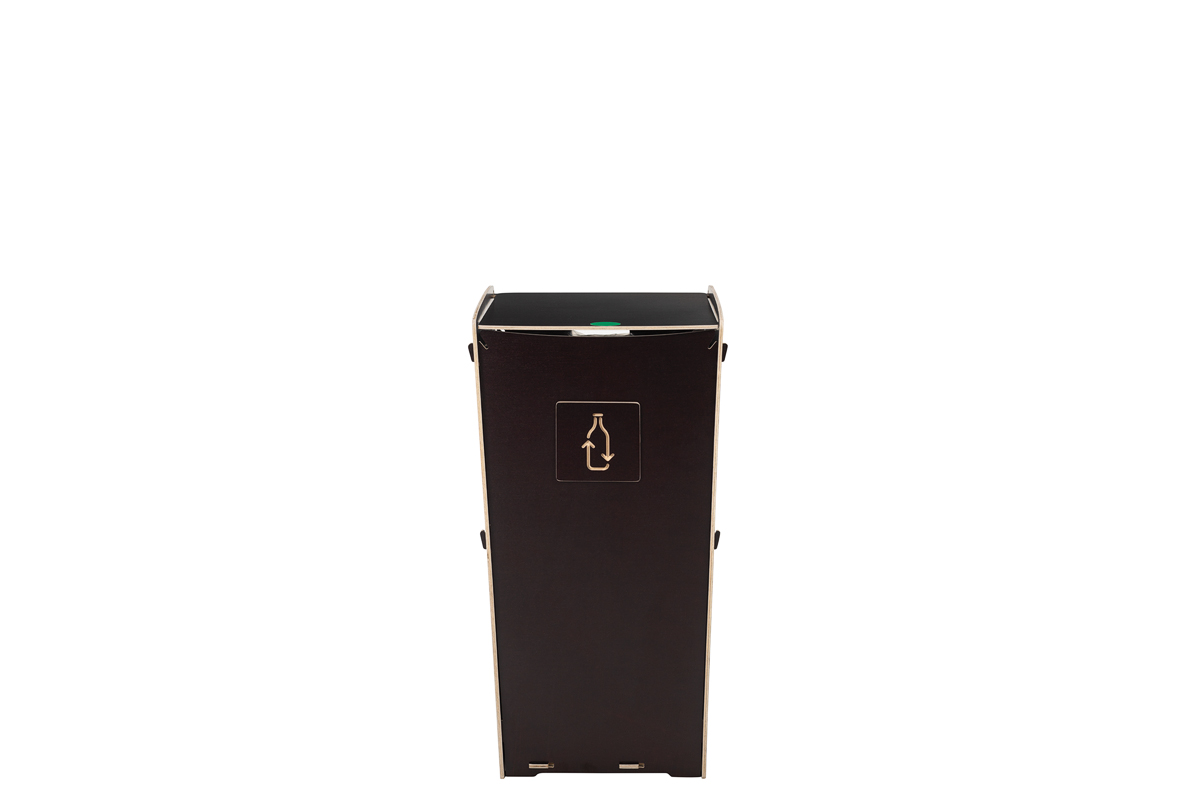
Waste Bin Sorta 1 × 90 l brown
1 type of waste 1 x 90 l223,20 € (incl. 24% VAT)180 € (excl. VAT) -
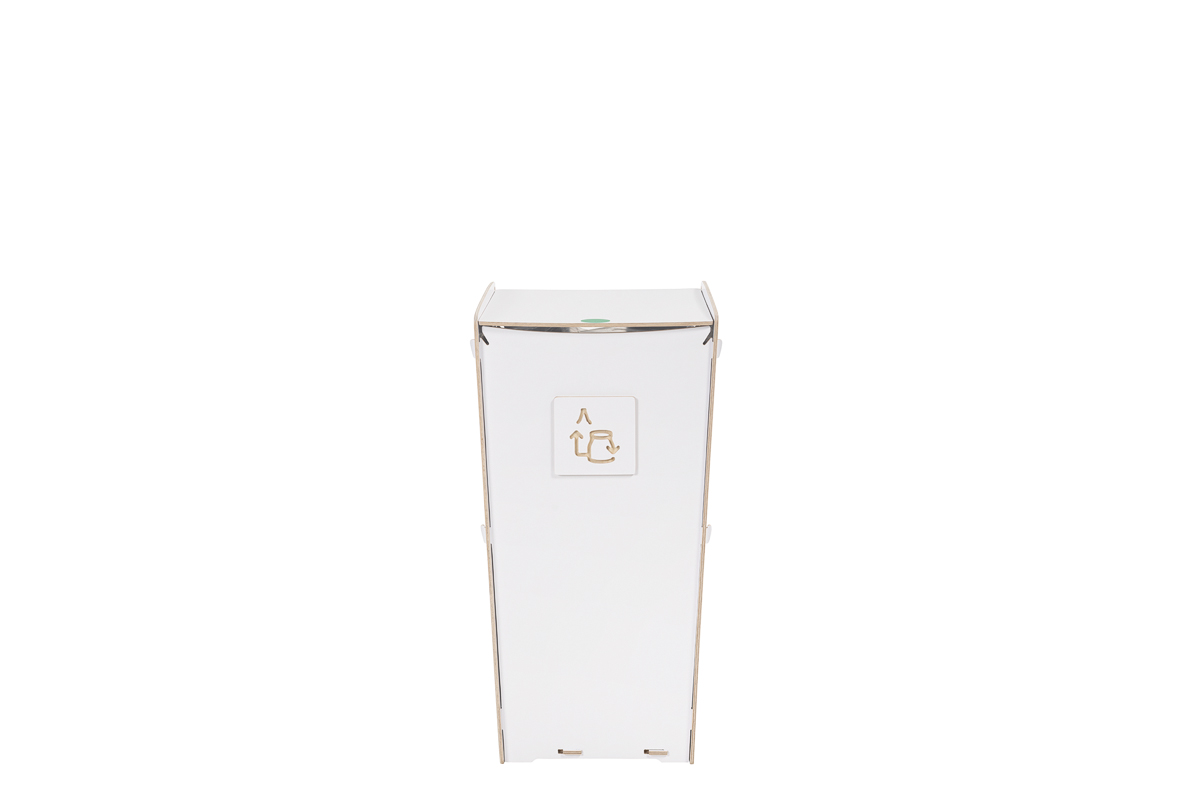
Waste Bin Sorta 1 × 90 l white
1 type of waste 1 x 90 l223,20 € (incl. 24% VAT)180 € (excl. VAT)
Navigating European Regulations
Regulatory compliance is a growing concern for facility managers across Europe. The EU Waste Framework Directive has set a target of 65% municipal waste recycling by 2035, placing more responsibility on organizations to facilitate source separation. Organizational waste management is no longer just a choice; it is a logistical and legal necessity.
National laws often add specific layers of complexity for local operations:
- Sweden: In 2024, Sweden introduced mandatory food waste collection for all businesses, requiring dedicated bio-waste streams in all facilities.
- Denmark: Organizations producing more than one ton of waste annually are required to track every waste shipment leaving the premises digitally.
- Contamination Liabilities: The “polluter pays” principle is increasingly applied to contamination. If a load exceeds a 3–5% contamination threshold, facilities often face rejected loads and significant financial penalties.
By aligning bin placement with these legal requirements and understanding what goes in each recycling bin, you protect your organization from potential liabilities while supporting the transition to a circular economy. Effective outdoor waste management starts with understanding user movement and concludes with durable, visible, and accessible infrastructure. If you are ready to optimize your facility’s waste strategy, explore our range of modular outdoor waste solutions designed for the demands of modern public spaces.