Can your venue’s waste infrastructure survive a sold-out crowd without overflowing bins or safety hazards? Managing high-traffic event waste requires a transition from reactive cleaning to a strategic operational workflow that ensures compliance, protects attendees, and secures your facility’s reputation.
The Pre-Event Strategy: Capacity and Communication
Successful waste management begins long before the first attendee enters the gates. In the hospitality and event sector, hospitality waste reduction strategies hinge on accurate volume forecasting and preventative planning. You can significantly reduce bin contamination and landfill fees by sending pre-event communications to vendors and attendees regarding waste avoidance and specific recycling rules.
For facility managers, the primary goal is “right-sizing.” Over-estimating leads to wasted floor space and budget, while under-estimating causes unsightly overflows that trigger safety violations and negative attendee feedback. You should start by auditing your expected streams – typically paper, plastic, glass, and bio-waste – and ensuring your modular recycling bins are configured to handle the specific load and profile of the event.
-
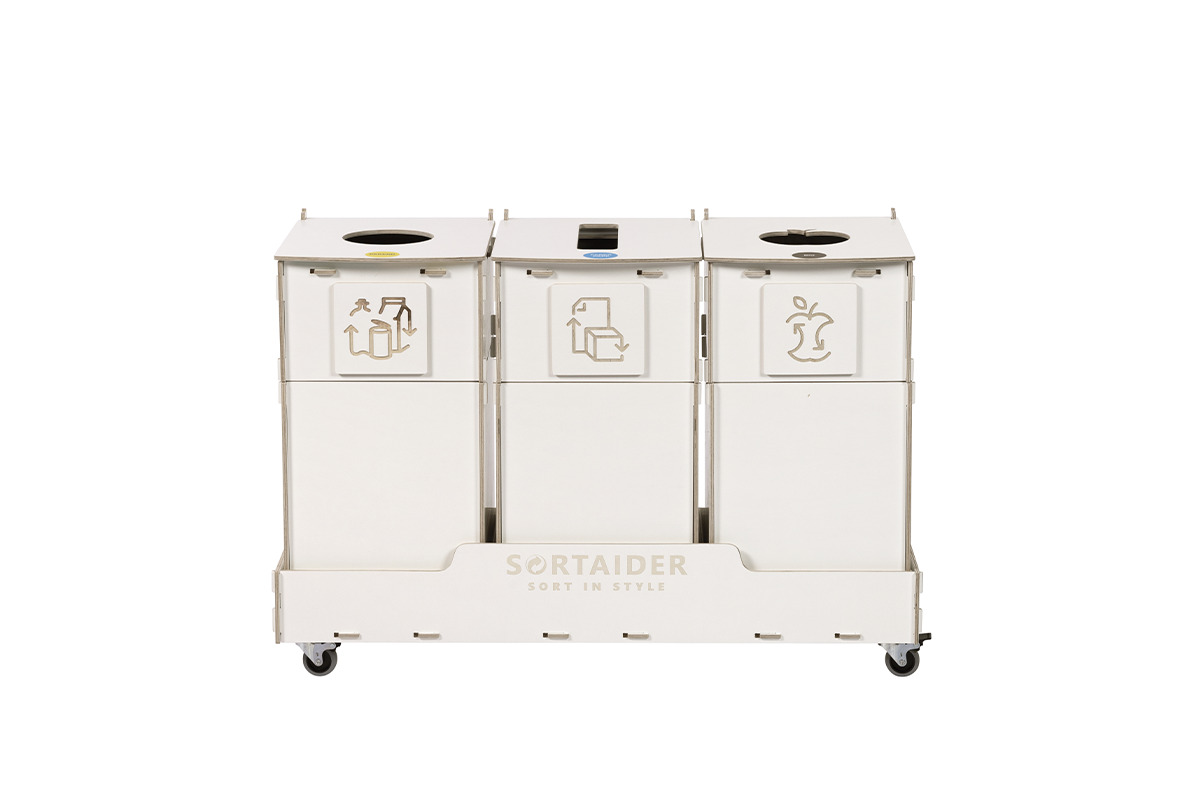
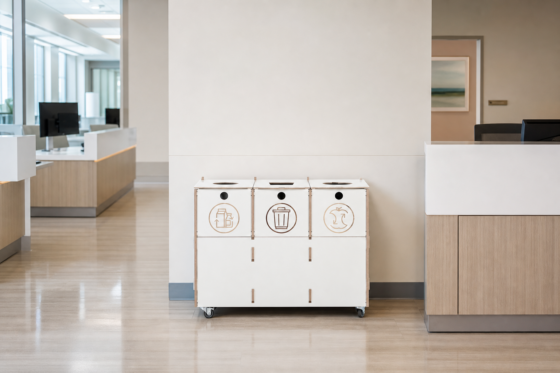
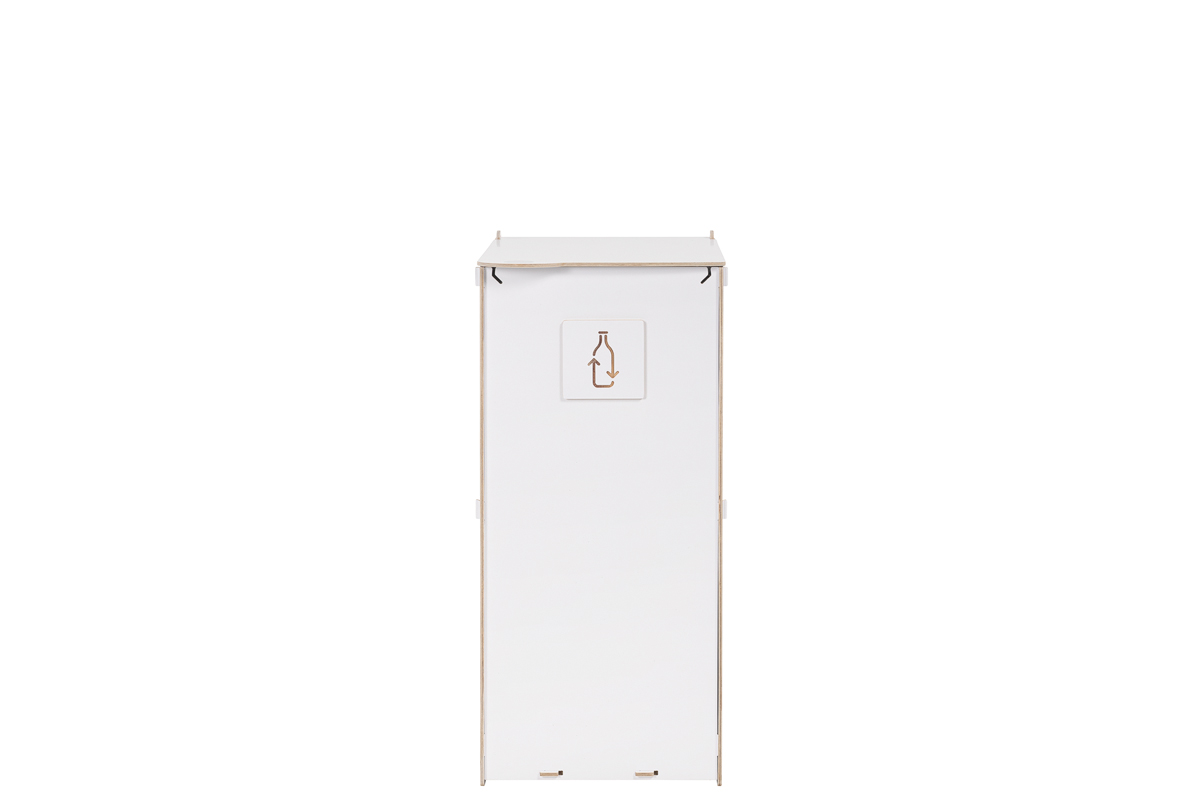
Recycling Bin Sorter 3 × 40 l white
3 types of waste 3 x 40 l992 € (incl. 24% VAT)800 € (excl. VAT) -
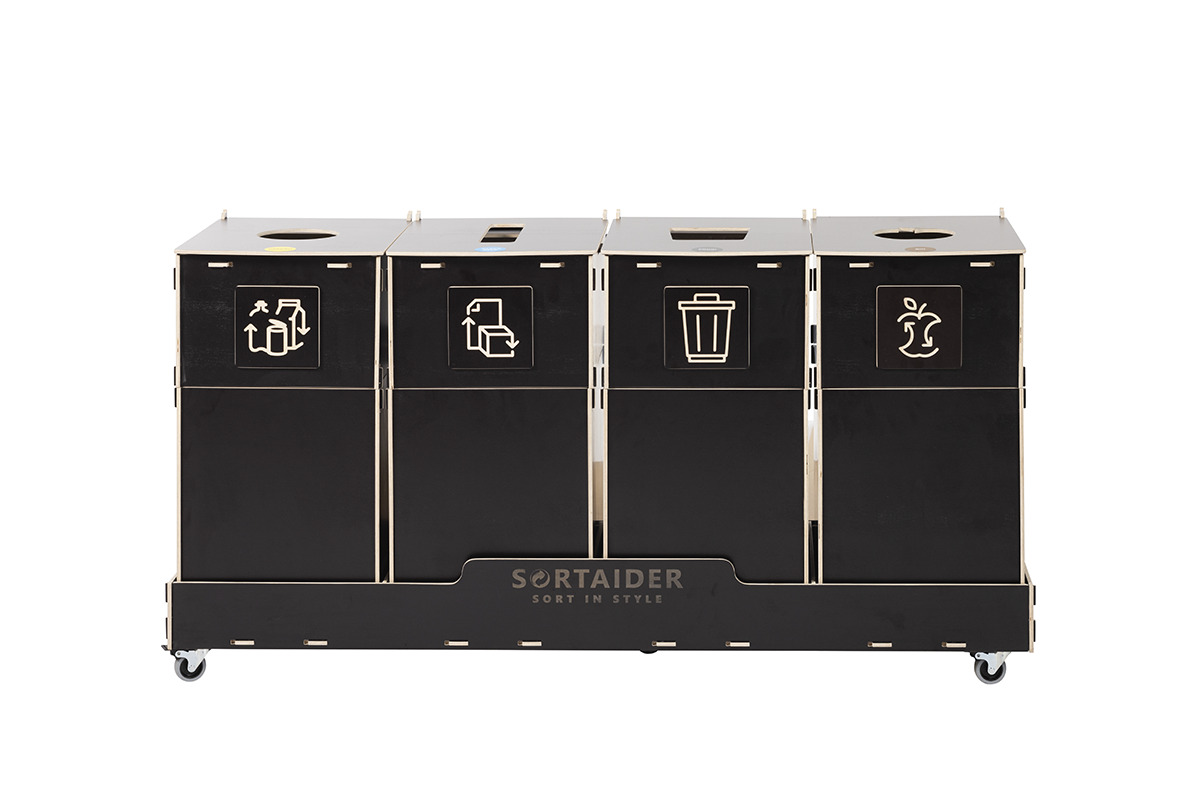
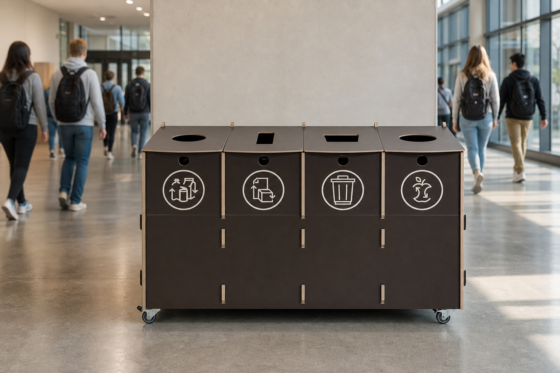
Recycling Bin Sorter 4 × 60 l brown
4 types of waste 4 x 60 l1 500,40 € (incl. 24% VAT)1 210 € (excl. VAT) -
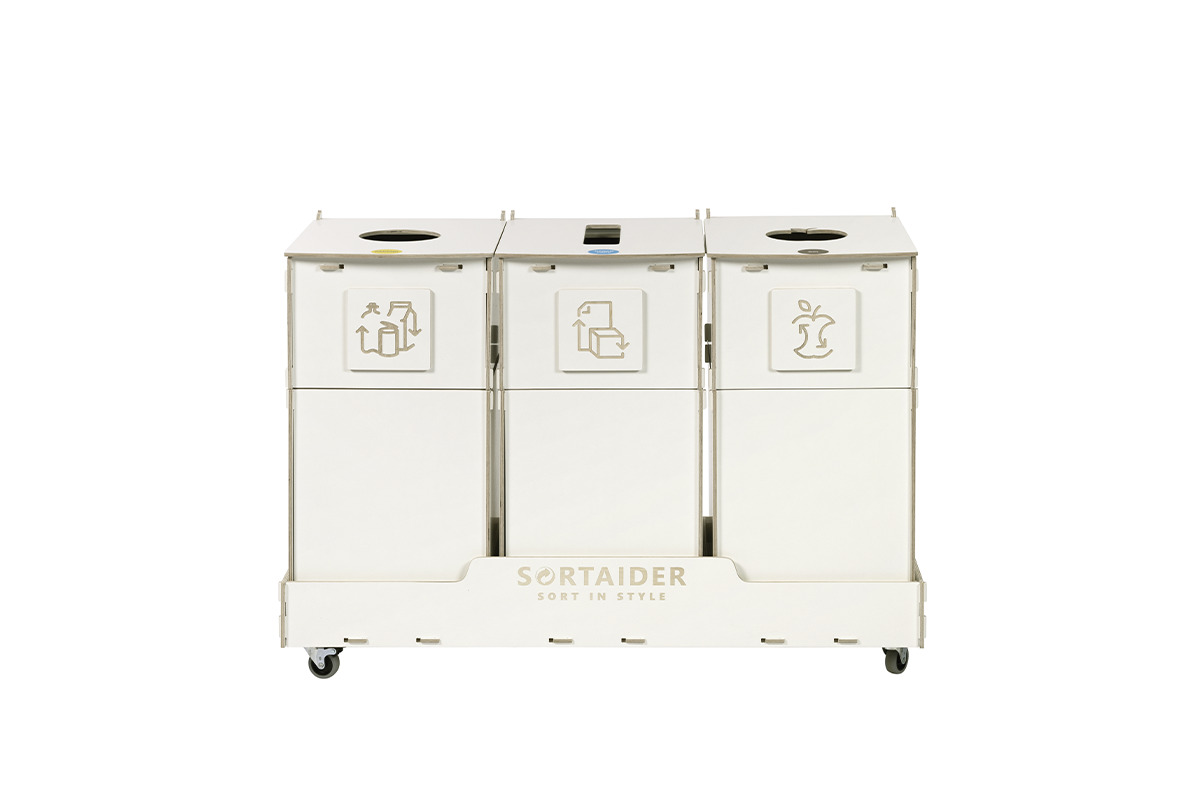
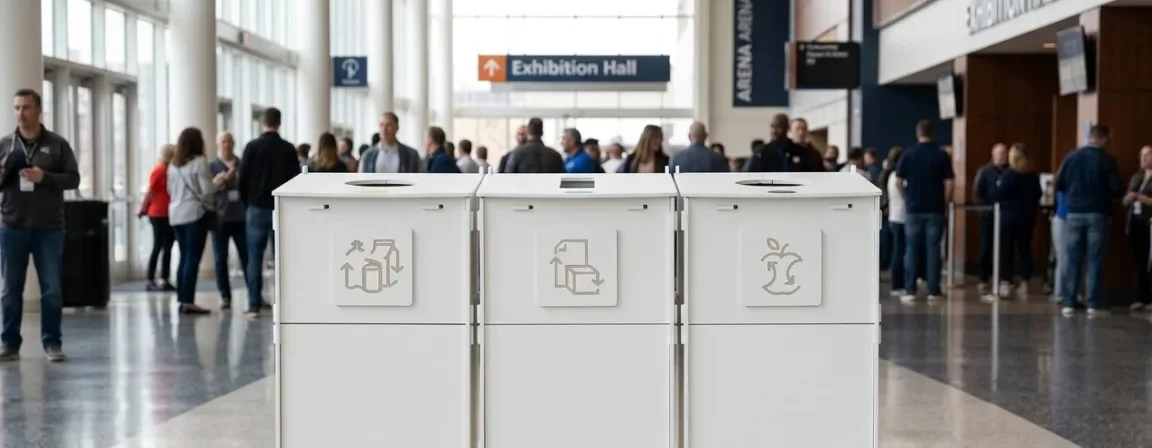
Recycling Bin Sorter 3 × 60 l white
3 types of waste 3 x 60 l1 140,80 € (incl. 24% VAT)920 € (excl. VAT)
Strategic Bin Placement and “The 1:1 Ratio”
Bin density and placement are the most critical factors in the effectiveness of any public-space recycling initiative. A fundamental rule borrowed from airport waste management is the 1:1 ratio: you should never place a general waste bin without a corresponding recycling stream next to it. If an attendee has to walk more than 10–15 meters to find a recycling option, they are statistically more likely to toss all materials into the nearest general waste container.
Focus your infrastructure on “hot spots” where waste generation is highest:
- Entrance and Exit Points: Ideal for high volumes of paper tickets or discarded arrival packaging.
- Food Courts and Catering Zones: These areas generate massive amounts of organic waste and food-soiled packaging.
- Restroom Lobbies: Focused primarily on paper towels and hygiene-related waste streams.
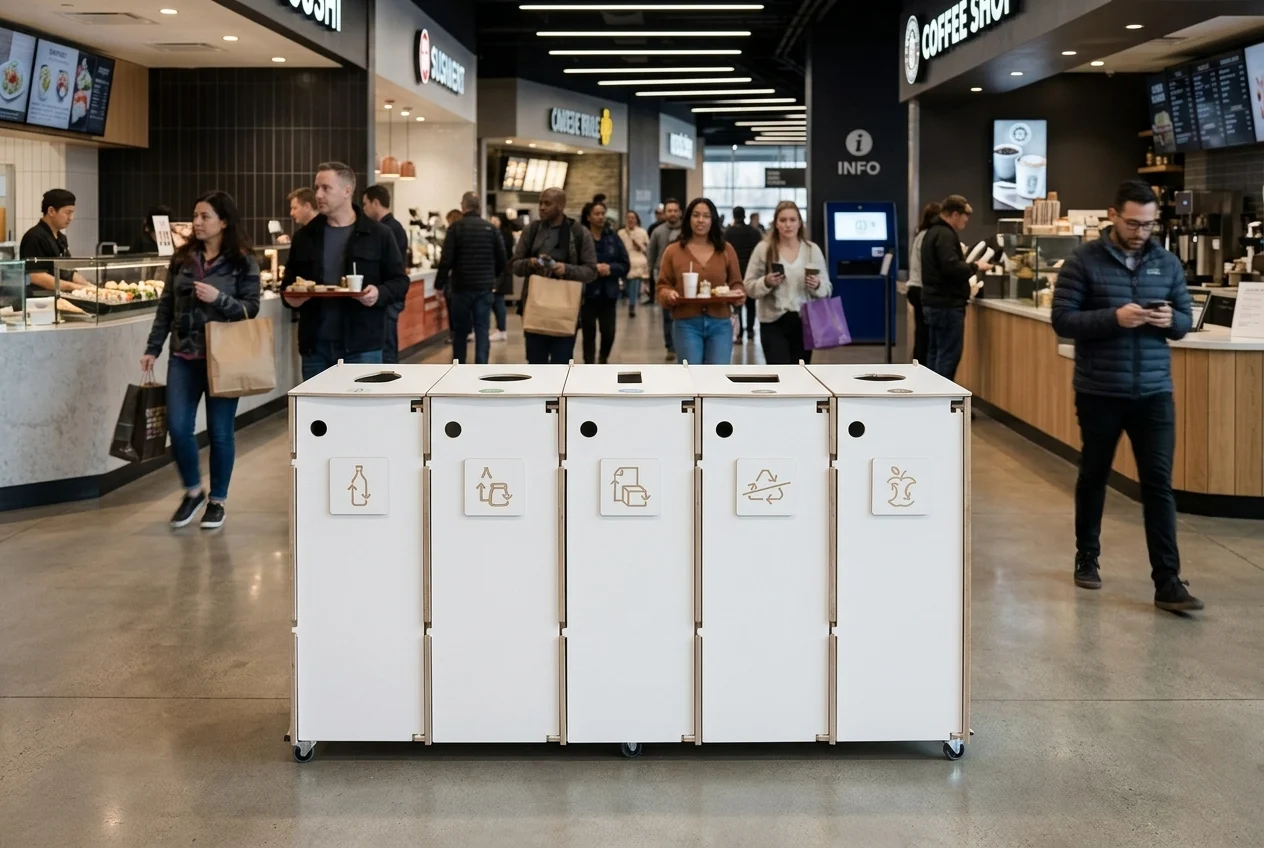
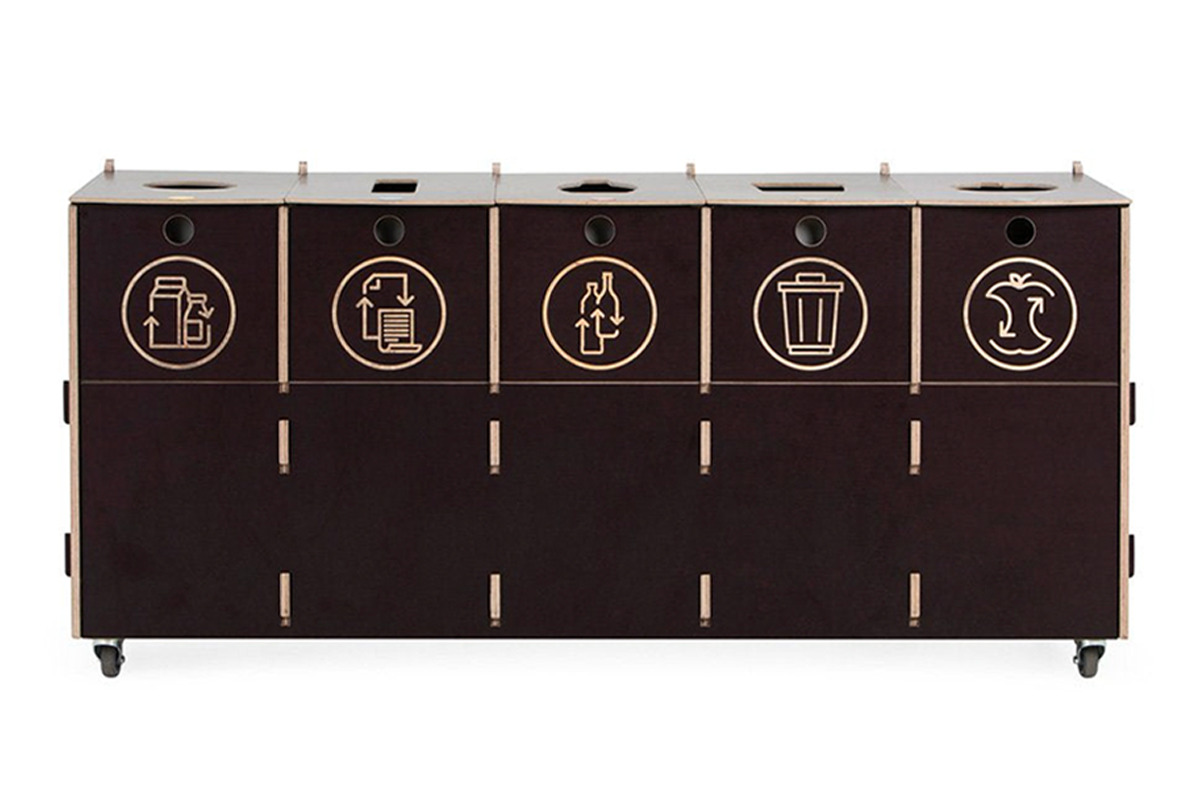
For high-traffic indoor environments, utilizing high-capacity hubs like the Ecolong series allows you to manage up to five distinct waste streams within a compact, Scandinavian-designed footprint.
-
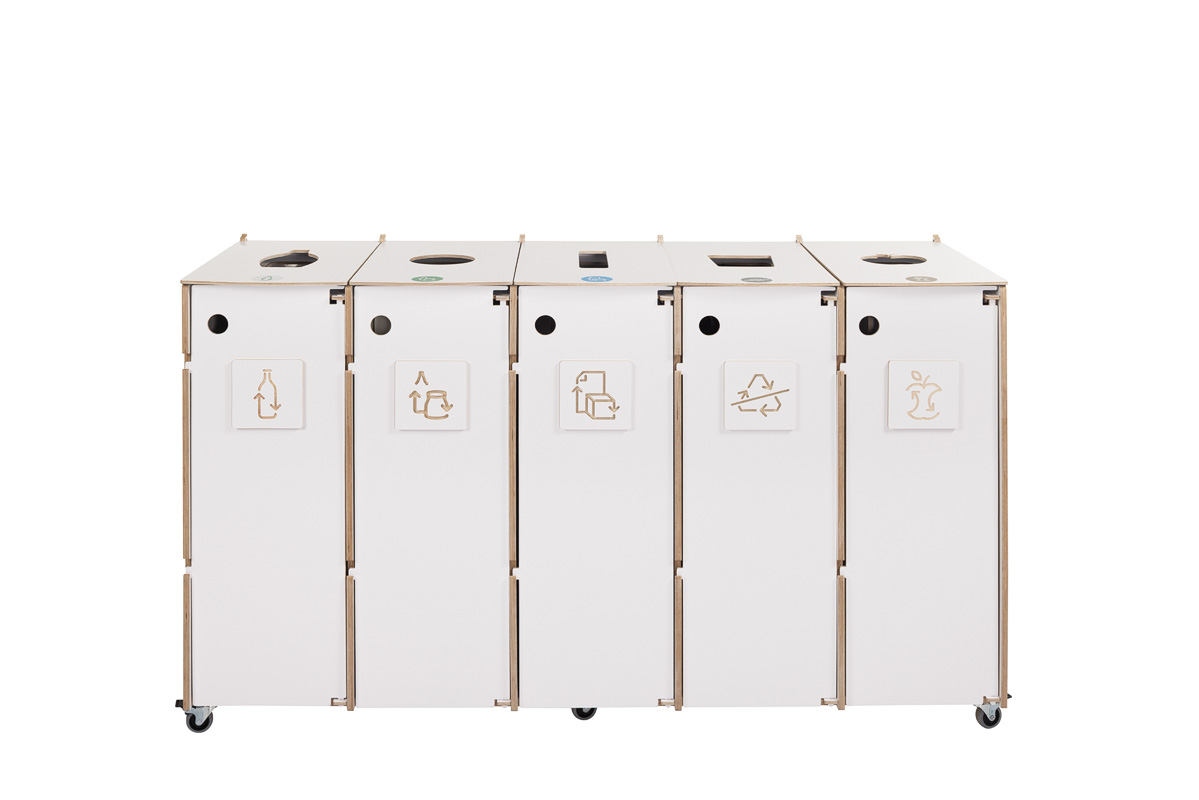
Recycling Bin Ecolong 5 × 90 l white
5 types of waste 5 x 90 l2 926,40 € (incl. 24% VAT)2 360 € (excl. VAT) -
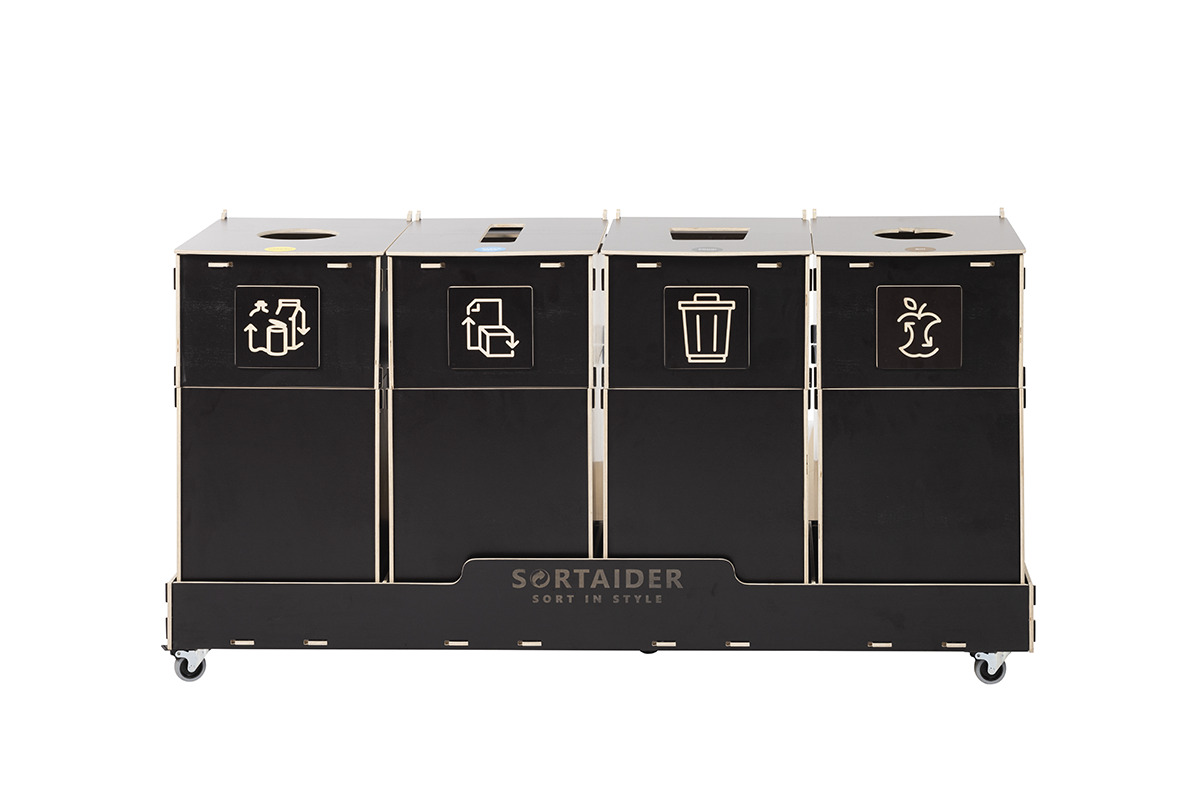
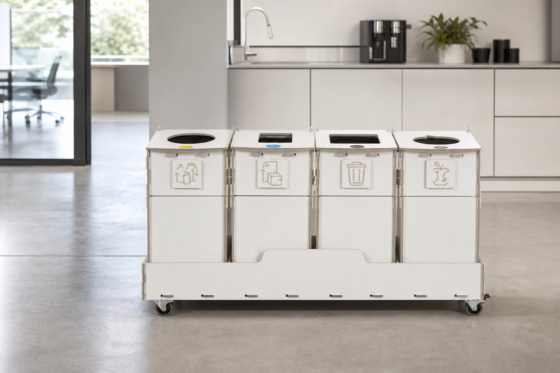
Recycling Bin Sorter 4 × 90 l brown
4 types of waste 4 x 90 l1 810,40 € (incl. 24% VAT)1 460 € (excl. VAT) -
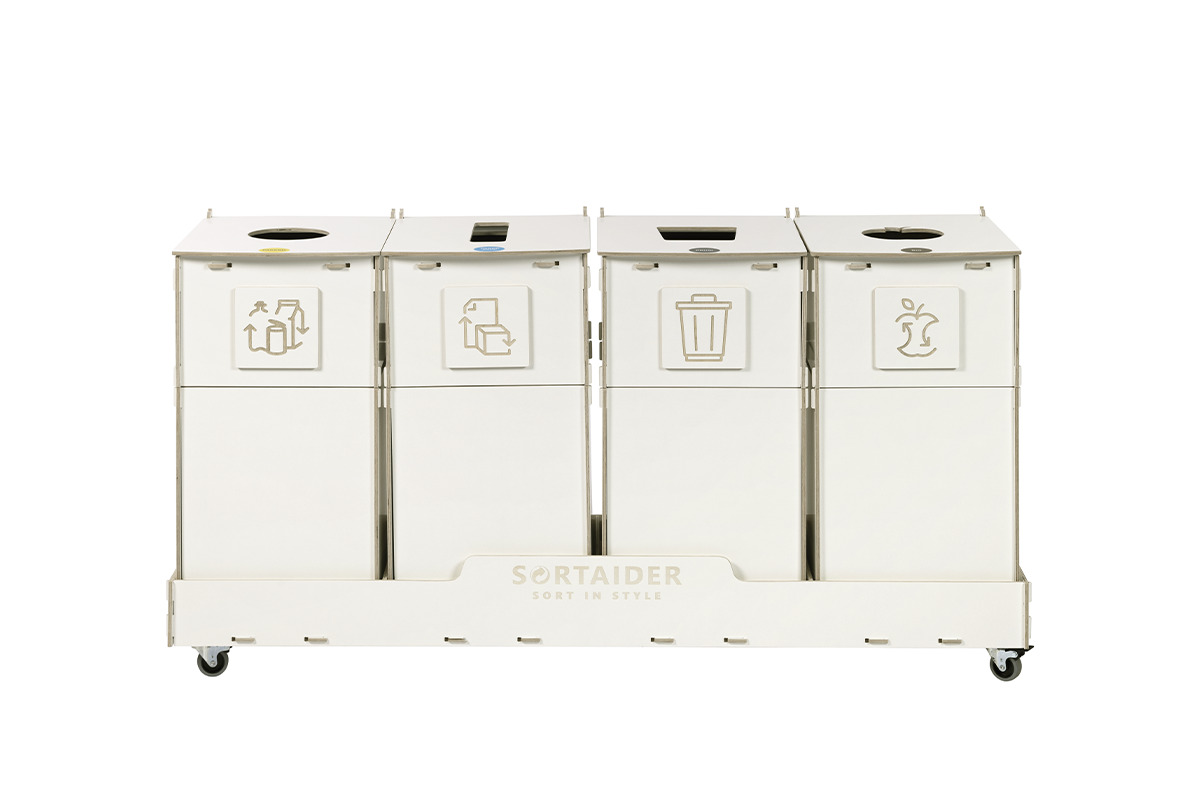
Recycling Bin Sorter 4 × 90 l white
4 types of waste 4 x 90 l1 810,40 € (incl. 24% VAT)1 460 € (excl. VAT)
Operational Workflows During the Event
During the peak of a high-traffic event, your staff requires a streamlined collection workflow to prevent bottlenecks and maintain hygiene. You should schedule regular waste pickups at set intervals based on peak attendance times rather than waiting for bins to appear full. This proactive approach prevents the compaction of waste that makes bins difficult and heavy to empty.
To improve efficiency, utilize clear plastic liners for your recycling streams. This allows cleaning crews to quickly identify contaminants – such as half-full soda bottles or liquids – before they are mixed into the bulk collection. Note that just one greasy container can cause an entire batch of paper to be rejected at the recovery facility, a phenomenon often called the “Pizza Box” rule. Across Europe, materials recovery facilities face millions in added costs due to these contaminated loads.
For areas prone to humidity or semi-outdoor settings like VIP balconies and terraces, ensure you are utilizing weather-resistant bins crafted from moisture-resistant birch plywood. These provide a much longer service life than standard plastic or indoor-only furniture.
Navigating European Recycling Compliance
European venues face a complex and evolving landscape of workplace recycling regulations. Under the EU Waste Framework Directive, facilities are legally required to separate paper, metal, plastic, glass, and bio-waste at the source wherever technically feasible.
Regional variations often impact your operational costs and documentation requirements:
- Sweden: Since 2024, separate food waste collection is a mandatory requirement for all businesses.
- Denmark: Facilities producing over one ton of waste annually must utilize digital tracking systems for every waste shipment leaving the premises.
- Estonia: Specific rules require the separation of bio-waste if your site generates more than 10kg per day.
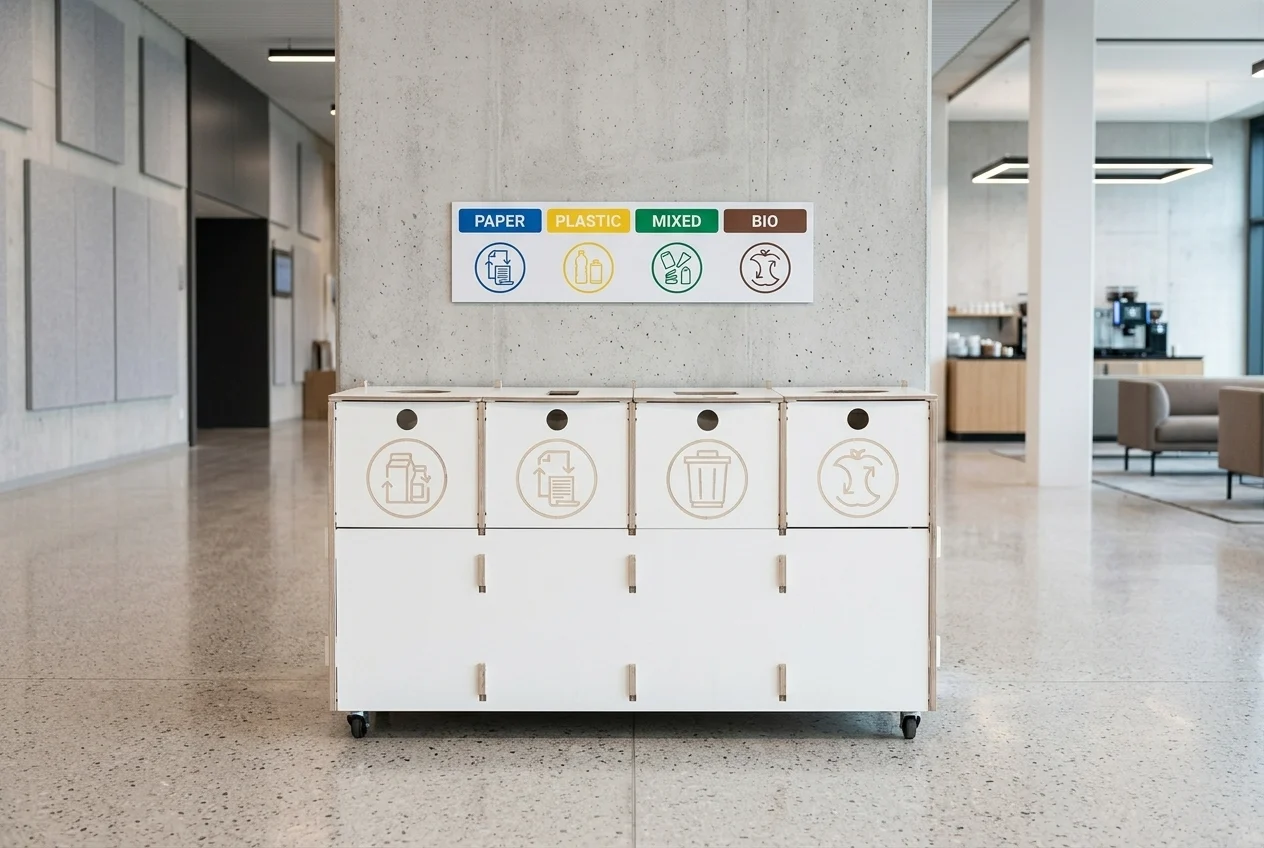
To ensure compliance and avoid potential fines, your sorting stations should utilize standardized signage with high-contrast color-coding. Visual icons bridge language gaps for international attendees and accelerate cognitive processing, leading to higher diversion rates.

Post-Event Cleanup and Auditing
Once the crowd departs, the operational phase shifts to auditing and infrastructure maintenance. This is the optimal time to perform a waste audit to identify high-contamination zones or areas where bin placement was insufficient. By tracking your diversion rates – the percentage of waste successfully diverted from landfills – you can demonstrate the return on investment of your sustainability efforts to stakeholders and corporate sponsors.
Long-term maintenance is also a priority for high-traffic facilities. After heavy use, cleaning and sanitising recycling bins is essential to prevent bacteria buildup and pest attraction. Systems designed with smooth, furniture-grade finishes and accessible compartments allow your cleaning crews to work faster, reducing labor costs and extending the life of your equipment.
Elevate your venue’s efficiency and sustainability with durable, award-winning sorting solutions. Explore our full range of modular recycling systems to find the right configuration for your next high-traffic event.