
Does your waste management data stand up to the scrutiny of a modern ESG audit? As sustainability regulations tighten across Europe, tracking material flow is no longer just a facility concern – it is a core pillar of corporate disclosure and carbon footprint reduction.
The Shift from Waste Management to Circularity
Modern Environmental, Social, and Governance (ESG) reporting has evolved beyond recording how much trash leaves a building. Frameworks such as the GRI 306: Waste 2020 and the European Sustainability Reporting Standards (ESRS) E5 now require organizations to view waste as a failure in circularity. These standards shift the focus toward resource management rather than simple disposal.
Instead of only measuring what is thrown away, these frameworks ask you to disclose how you prevent waste generation and manage resource inflows. This involves tracking material durability, reusability, and the share of recycled inputs in your supply chain. Moving toward a sustainable business model requires this transition from “end-of-pipe” disposal to upstream prevention and circular material use.
Core ESG Waste Metrics to Track
To build a compliant reporting framework, you must move from anecdotal evidence to hard data. International reporting standards typically require the following metrics:
- Total Waste Generation: The total weight of all materials discarded, usually measured in metric tons and broken down by composition, such as paper, plastic, and bio-waste.
- Waste Diversion Rate: The primary metric for workplace sustainability, calculated by dividing the weight of diverted material (recycled or composted) by the total weight of all waste generated.
- Recovery Operations: Data on how much waste is diverted onsite versus offsite, including specific figures for preparation for reuse and composting.
- Disposal Methods: Identifying the volume of waste sent to incineration (with or without energy recovery) and landfilling.
To track and report workplace recycling rates accurately, you should move away from estimates. High-performing facilities often use monthly reports from licensed waste haulers and internal verification to ensure data integrity.
Establishing a Data Baseline through Waste Audits
You cannot manage what you do not measure. A systematic waste audit provides the empirical foundation for any ESG report. This process involves collecting and weighing materials over a set period – typically one to seven days – to account for fluctuations in daily activity.
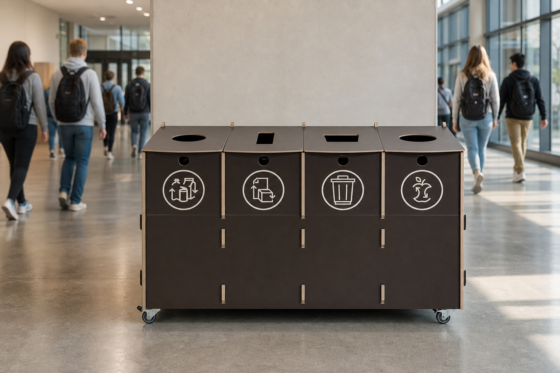
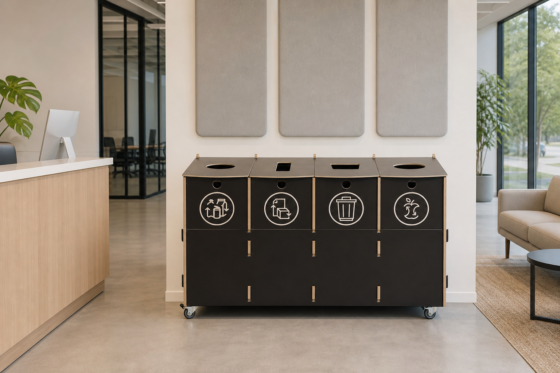
During an audit, it is vital to collect waste by specific zones, such as kitchenettes, printer rooms, and open-plan offices. This granularity reveals hidden inefficiencies. For instance, high contamination rates in kitchenettes may indicate a need for clearer signage, while high paper volumes in administrative areas might suggest a need for digital transition. Modular systems that support multiple waste streams are essential for capturing the detailed data required for ESRS E5 disclosures.
Compliance with European Regulations
Reporting requirements vary significantly across the European market, and your ESG framework must reflect local legal baselines. While the EU Waste Framework Directive mandates the separation of paper, metal, plastic, and glass at the source, individual member states often apply stricter rules.
In Sweden, separate food waste collection became a mandatory requirement for all businesses in 2024. Denmark requires digital tracking for waste shipments to ensure transparency, and Estonia enforces strict bio-waste separation for sites generating more than 10kg of organic waste daily. Failing to meet these commercial waste recycling requirements can lead to contamination fines and represent a significant risk during annual sustainability disclosures.
Integrating Scope 3 Emissions and Product Lifecycles
Comprehensive ESG reporting also accounts for the “embodied carbon” of the equipment used within a facility. Your Scope 3 emissions – those originating from your supply chain and purchased goods – often outweigh direct operational energy use.
Choosing infrastructure made from renewable materials, such as birch plywood, can result in 2 to 4 times lower CO2 lifecycle emissions compared to traditional metal or plastic alternatives. Selecting long-lasting, modular equipment directly supports your efforts to reduce your office carbon footprint and provides a tangible “circular economy” narrative for your sustainability report.
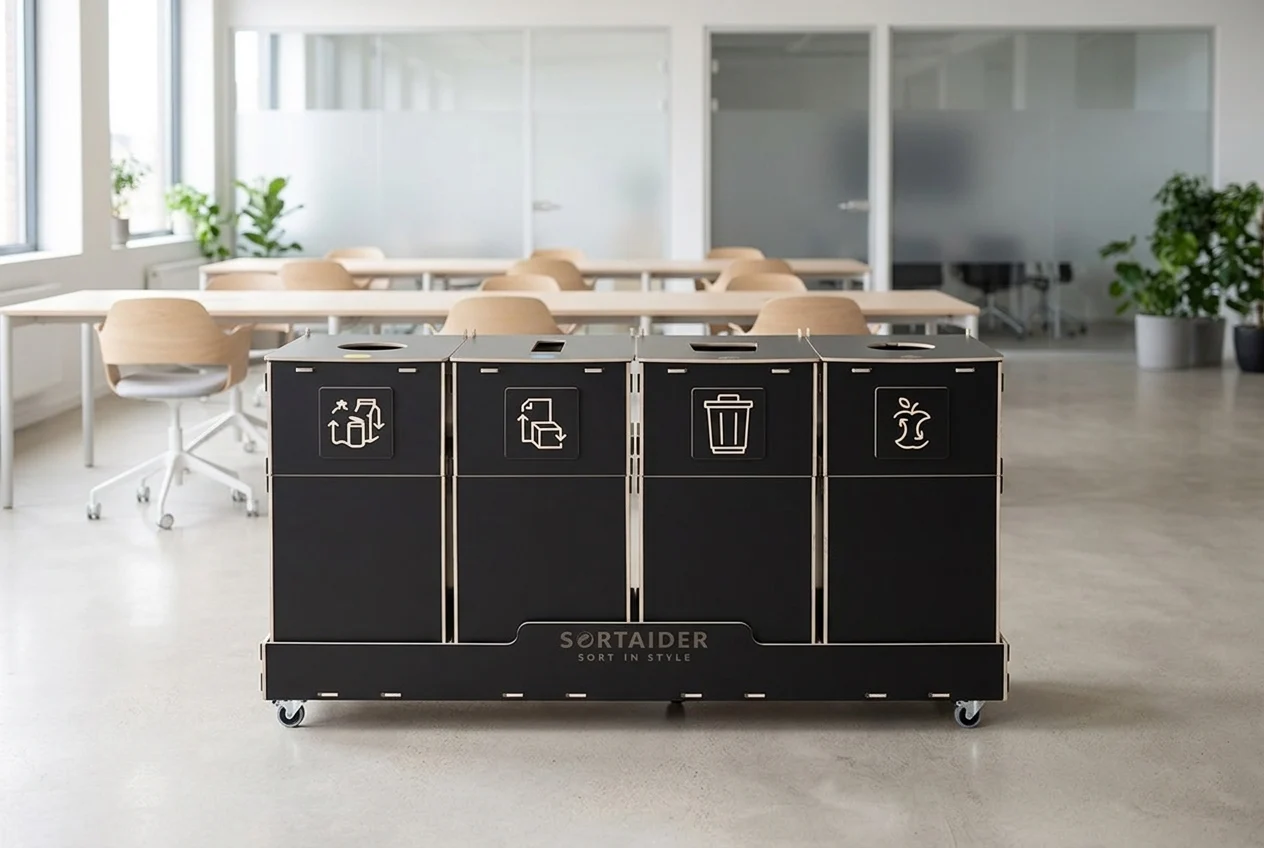
-
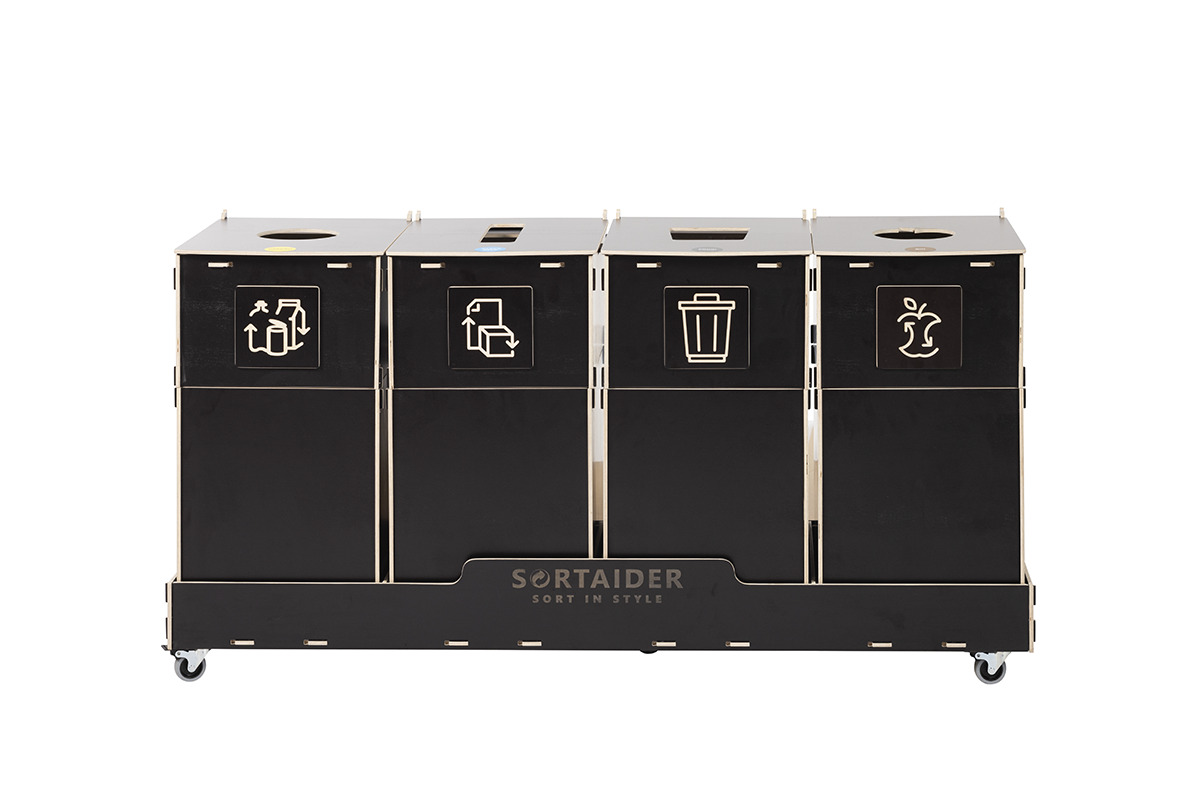
Recycling Bin Sorter 4 × 60 l brown
4 types of waste 4 x 60 l1 500,40 € (incl. 24% VAT)1 210 € (excl. VAT) -
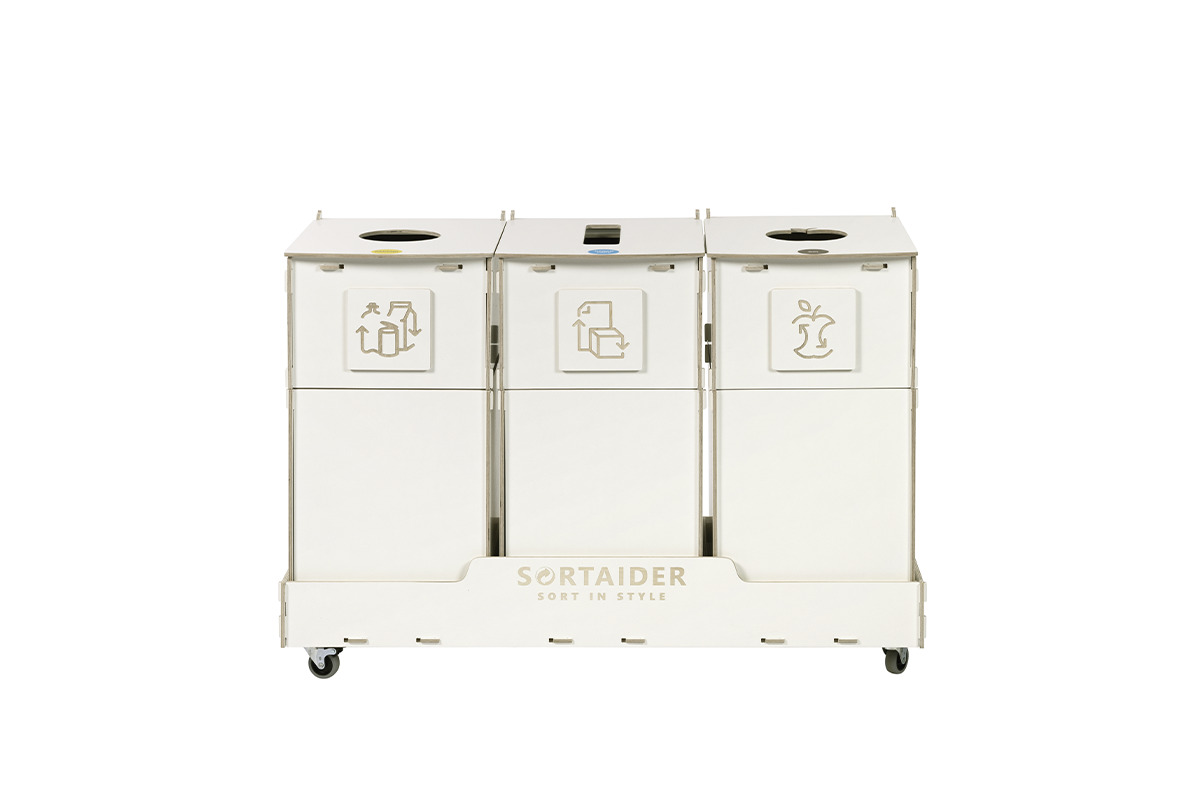
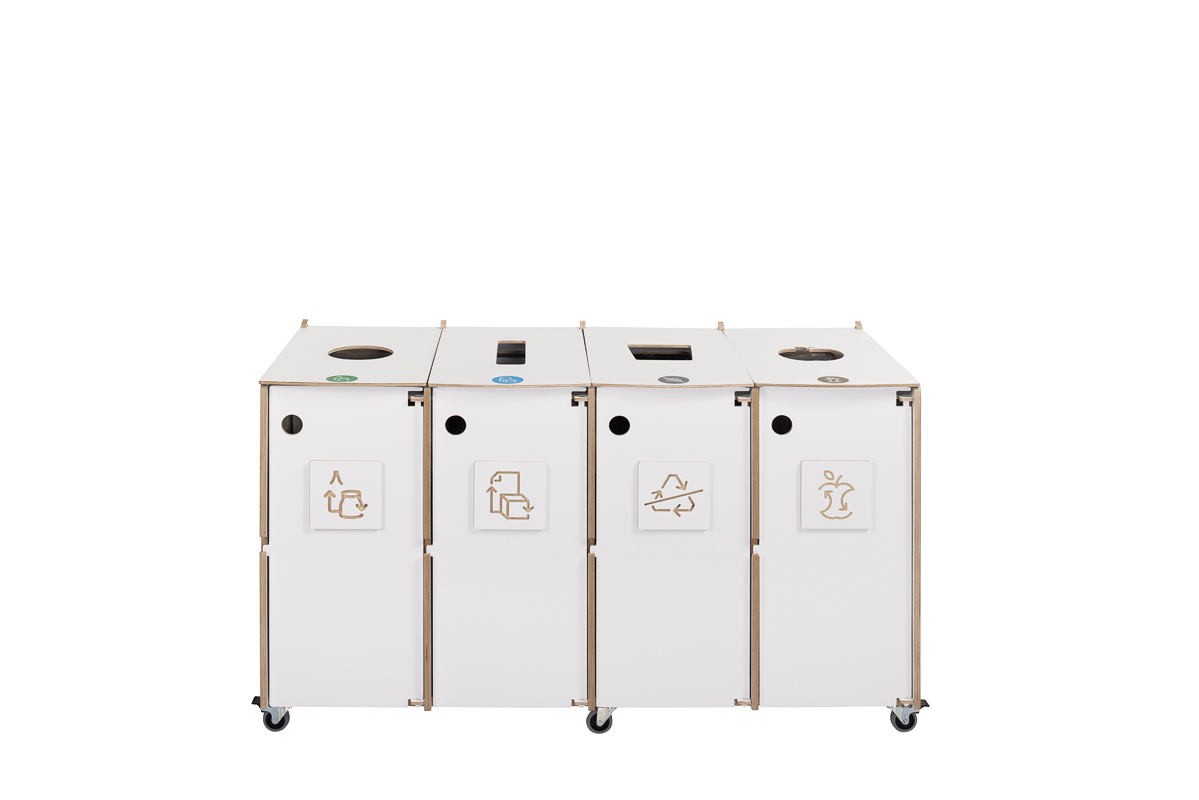
Recycling Bin Sorter 3 × 60 l white
3 types of waste 3 x 60 l1 140,80 € (incl. 24% VAT)920 € (excl. VAT) -
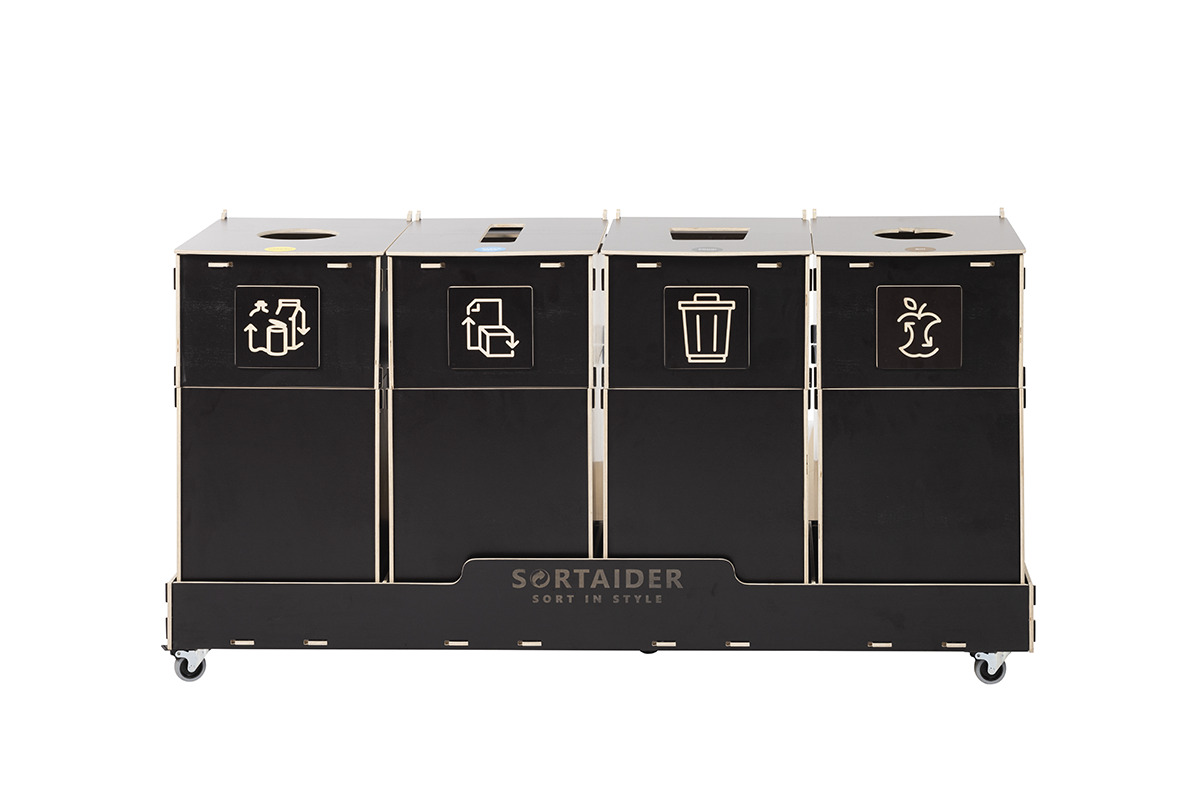
Recycling Bin Sorter 4 × 90 l brown
4 types of waste 4 x 90 l1 810,40 € (incl. 24% VAT)1 460 € (excl. VAT)
Operationalizing Your Waste Strategy
Once you have established a baseline, the next step is implementing a structured office waste management plan. Research indicates that replacing individual deskside bins with centralized recycling hubs can boost waste diversion rates by up to 40%. Proximity and clarity are the strongest drivers of success; placing stations in high-visibility areas increases employee participation significantly.
Centralized stations should utilize high-contrast pictograms and bilingual instructions to reduce user error. When employees can intuitively sort their waste, the quality of recyclables increases, preventing the “pizza box” effect where a single contaminated item ruins an entire batch of clean material. For organizations focused on brand identity, these hubs can be customized with laser-engraved logos to align sustainability efforts with corporate values.
-
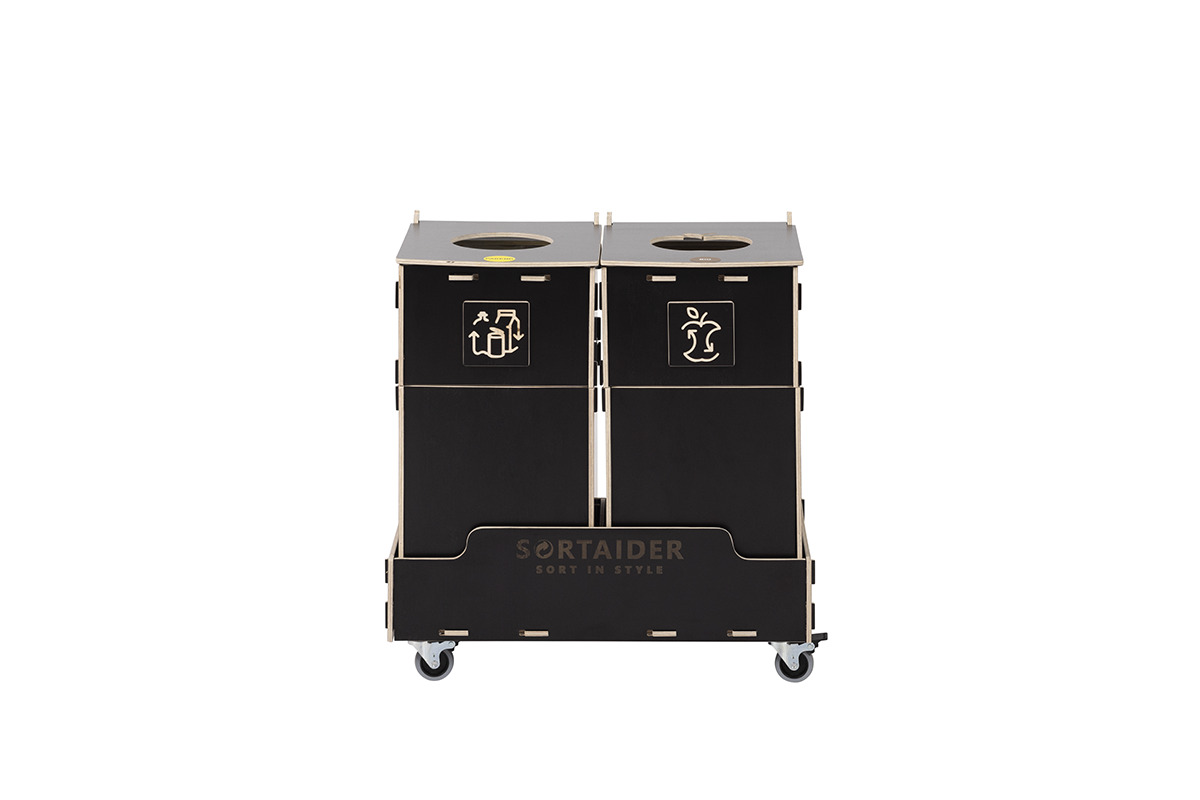
Recycling Bin Sorter 2 × 30 l brown
2 types of waste 2 x 30 l508,40 € (incl. 24% VAT)410 € (excl. VAT) -
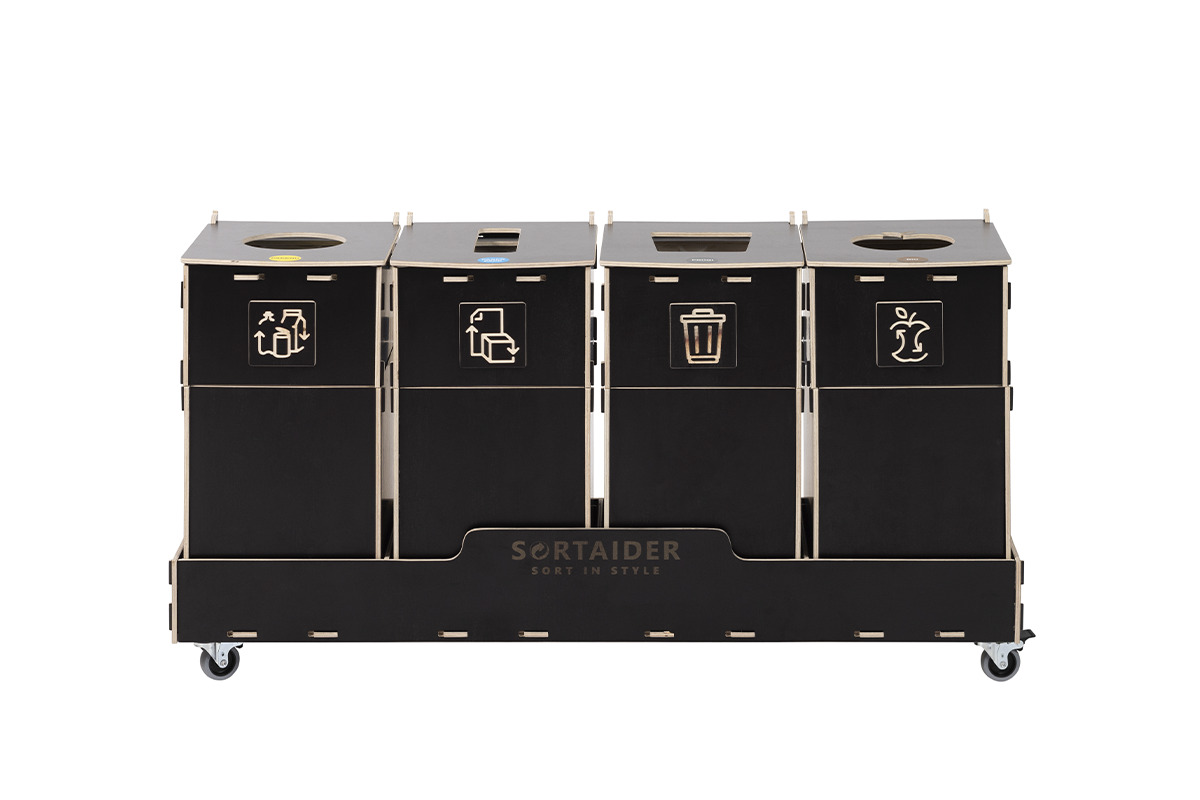
Recycling Bin Sorter 4 × 30 l brown
4 types of waste 4 x 30 l954,80 € (incl. 24% VAT)770 € (excl. VAT) -
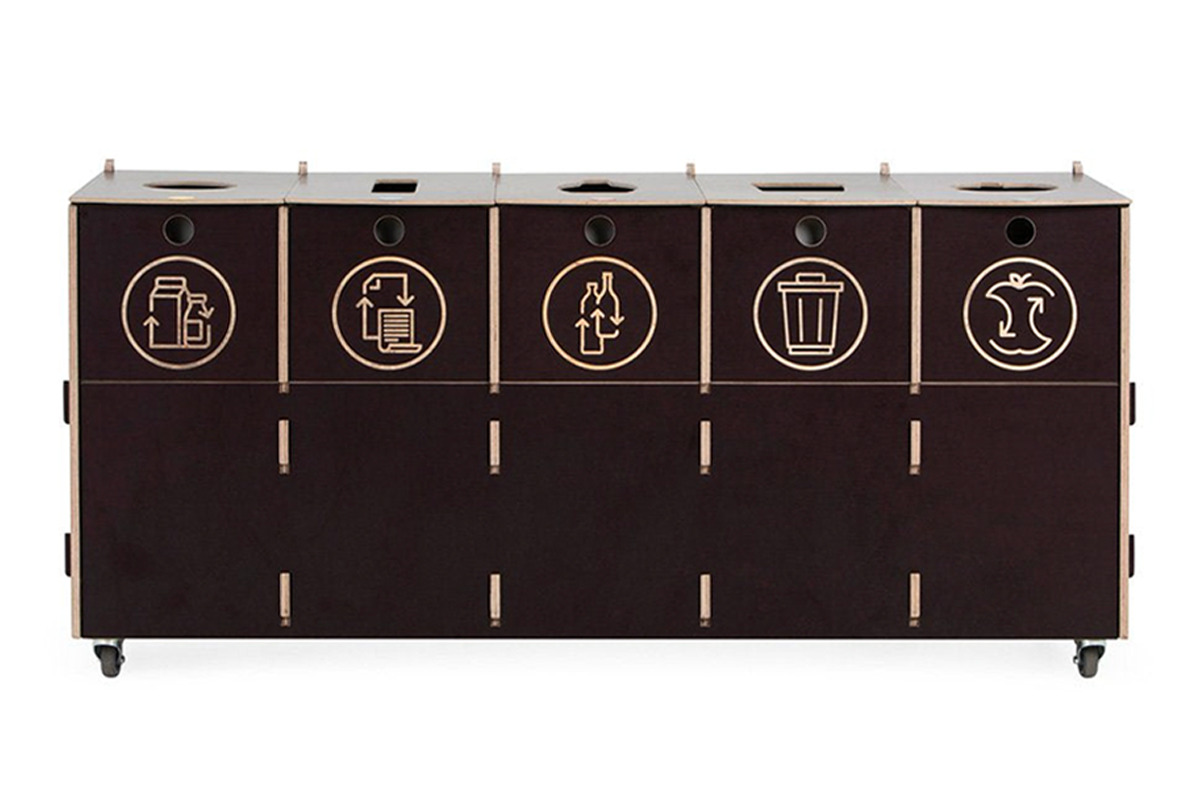
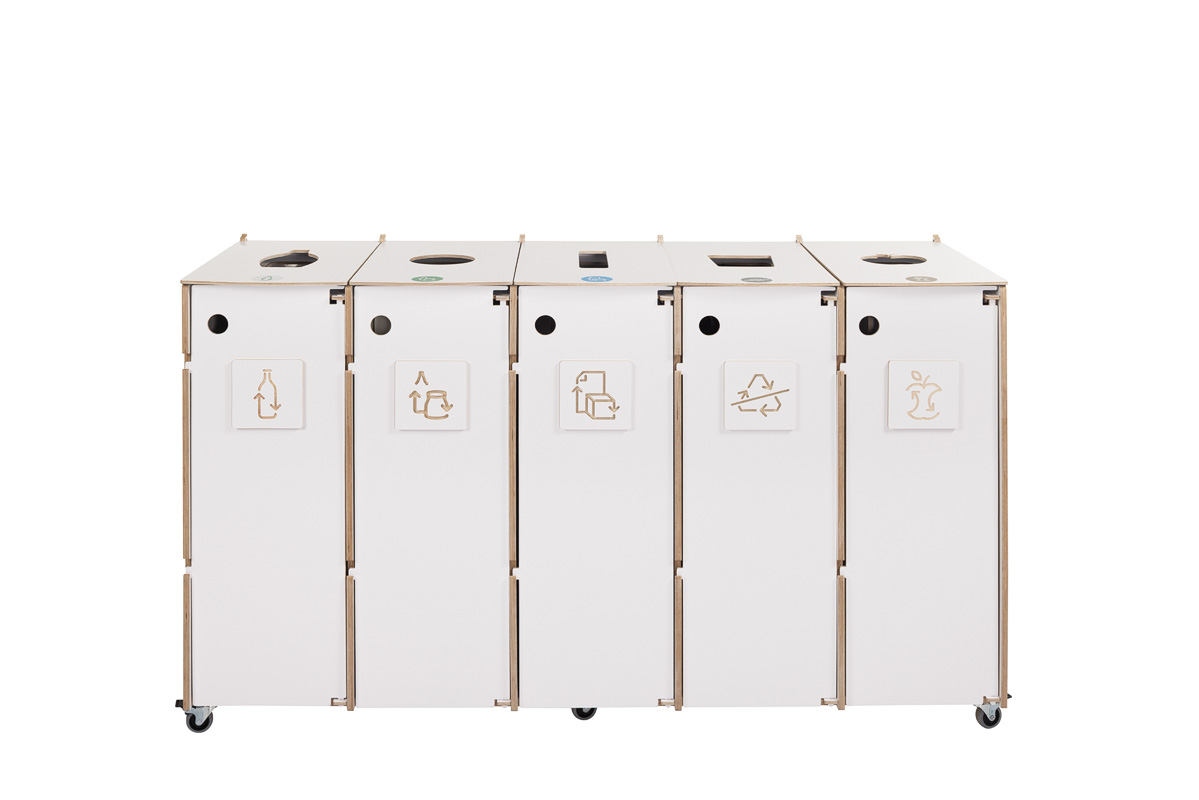
Recycling Bin Container 5 × 40 l brown
5 types of waste 5 x 40 l1 798 € (incl. 24% VAT)1 450 € (excl. VAT)
Strengthening Your Sustainability Disclosure
Effective ESG reporting is an iterative process that relies on transparent communication. By combining periodic audits, high-quality sorting infrastructure, and consistent data tracking, you transform waste management from a utility cost into a strategic asset. Sharing these results through monthly diversion reports not only fulfills regulatory requirements but also builds trust with stakeholders and motivates employees to participate in the circular economy.
Ready to upgrade your facility’s data collection? Explore our range of recycling bins to start capturing more accurate waste metrics today.