Does your organization know the carbon cost of its trash once the bins are emptied? For facility managers, waste-related Scope 3 emissions represent a critical compliance gap that often undermines ambitious sustainability goals. Mastering Category 5 is essential for accurate ESG reporting.
Understanding Scope 3 Category 5
According to the GHG Protocol, Category 5 covers emissions from the disposal and treatment of waste generated in your organization’s operations during the reporting year. This classification includes both solid waste and wastewater treatment. However, this category only applies to waste treatment at facilities owned or operated by third parties. If your company owns the landfill or incinerator, those emissions must be accounted for under Scope 1 or Scope 2.
Because you are purchasing management services from a third party, the GHG Protocol classifies these as upstream Scope 3 emissions. This category is unique because it accounts for future emissions. For instance, if you send organic waste to a landfill today, the methane it releases over its entire decay period must be reported in the current year. This is particularly vital for food waste, which accounts for an estimated 58% of fugitive methane emissions from municipal solid waste landfills.
Methodologies for Calculating Waste Emissions
To accurately track and report recycling rates at work, you must choose a calculation method based on the granularity of your available data. The GHG Protocol allows for several approaches to ensure comprehensive ESG reporting for waste management.
Waste-Type-Specific Method
This is the most common and accurate approach for organizations with detailed records. You calculate emissions by multiplying the mass or volume of each waste stream – such as paper, plastic, or bio-waste – by an emission factor specific to that material and its final treatment method (landfill, recycling, or incineration).
Average-Data Method
If your facility only tracks the total weight of waste without identifying specific material streams, you can use the average-data method. This involves applying an average emission factor based on the general disposal method used. While simpler, it often results in less precise reporting.
Supplier-Specific Method
This method involves collecting primary Scope 1 and Scope 2 data directly from your waste treatment contractor. This identifies the emissions per unit of waste treated specifically by their facility. While highly accurate, this data can be difficult to obtain for smaller organizations or those using municipal services.
To gather the necessary activity data, you should review weighbridge tickets, waste transfer notes, and service provider invoices. In certain markets like Denmark, businesses producing more than one ton of waste annually are already required to utilize digital tracking systems for every shipment.
-
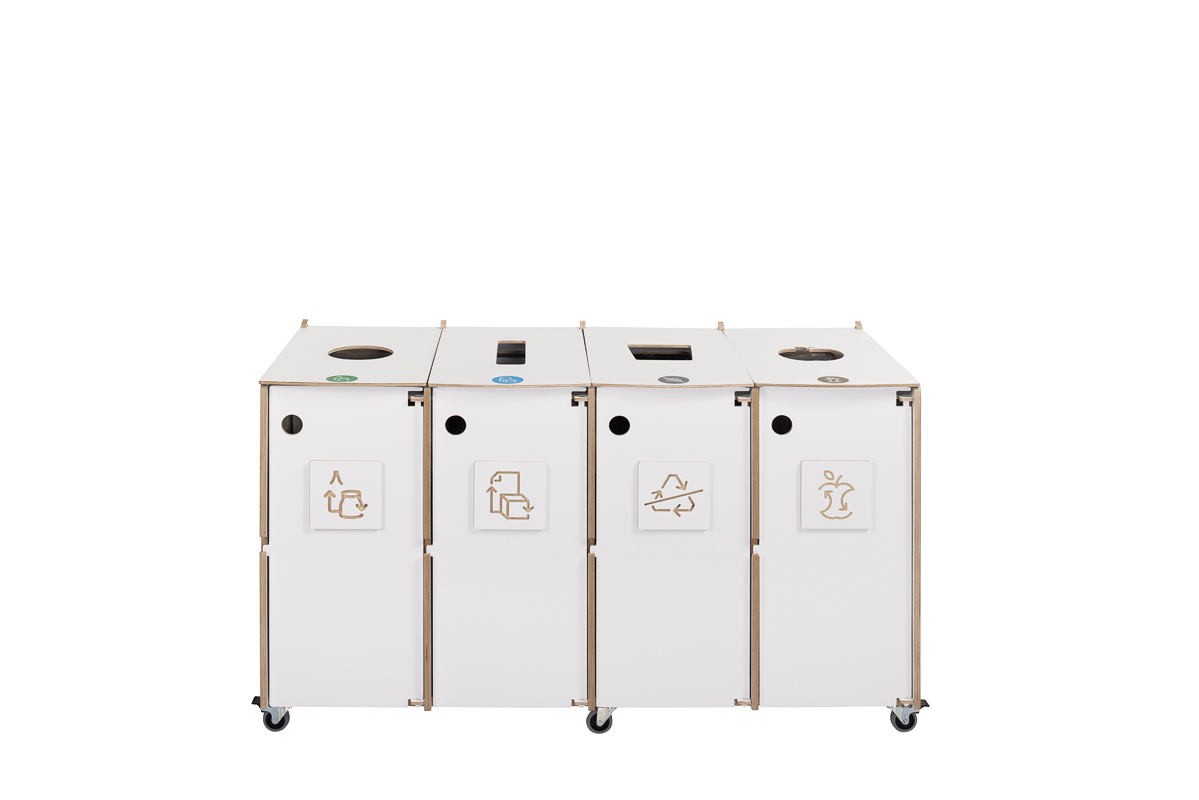
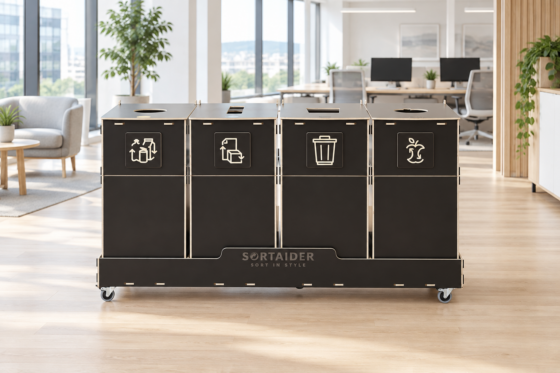
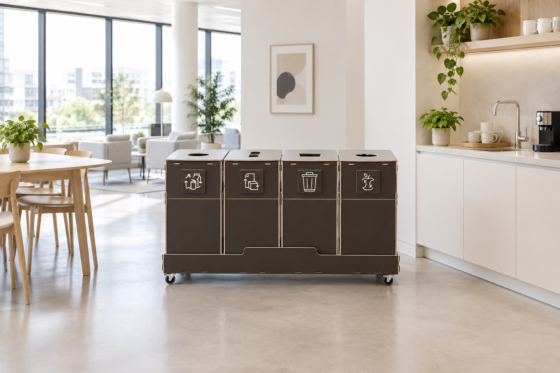
Recycling Bin Ecolong 4 × 60 l white
4 types of waste 4 x 60 l1 872,40 € (incl. 24% VAT)1 510 € (excl. VAT) -
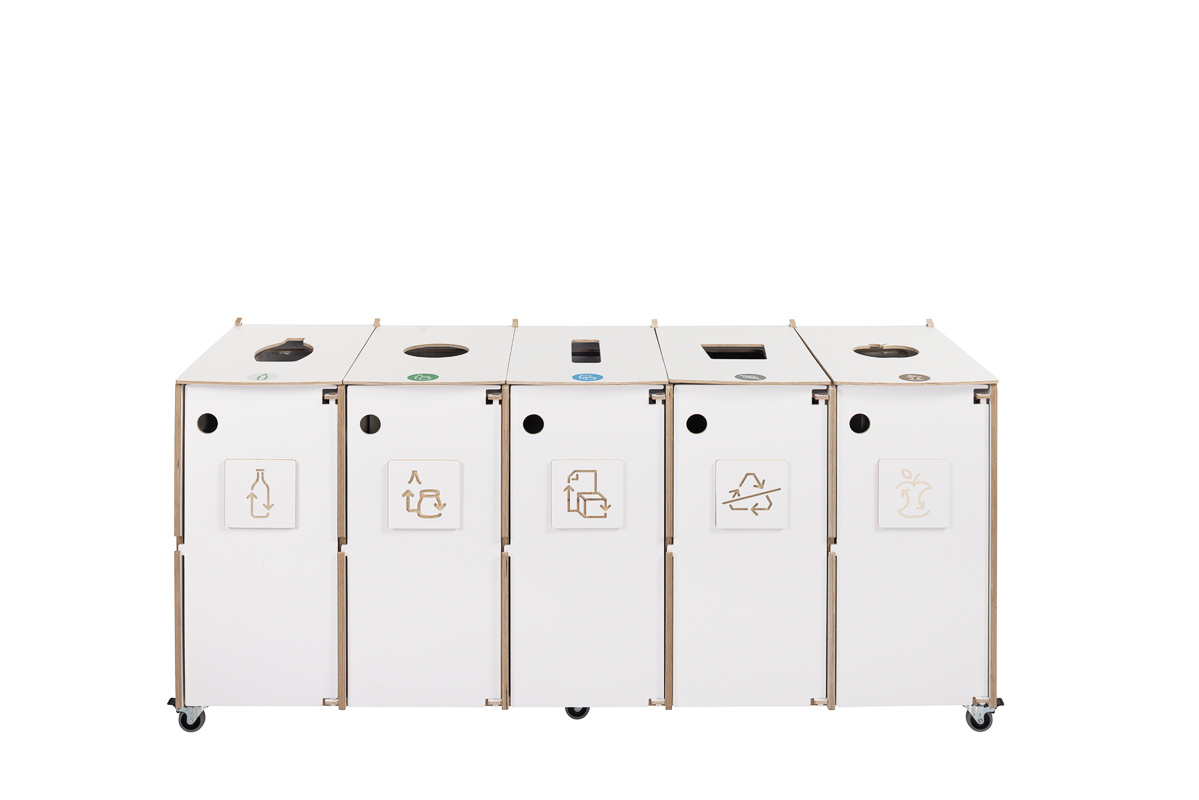
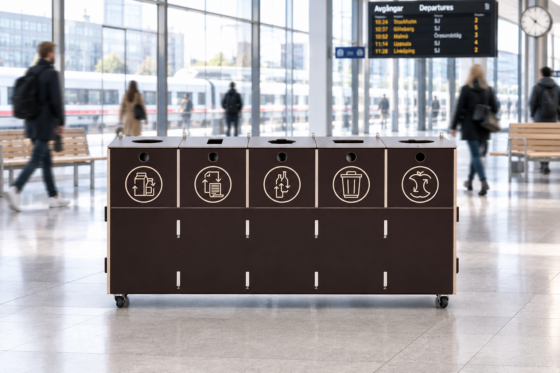
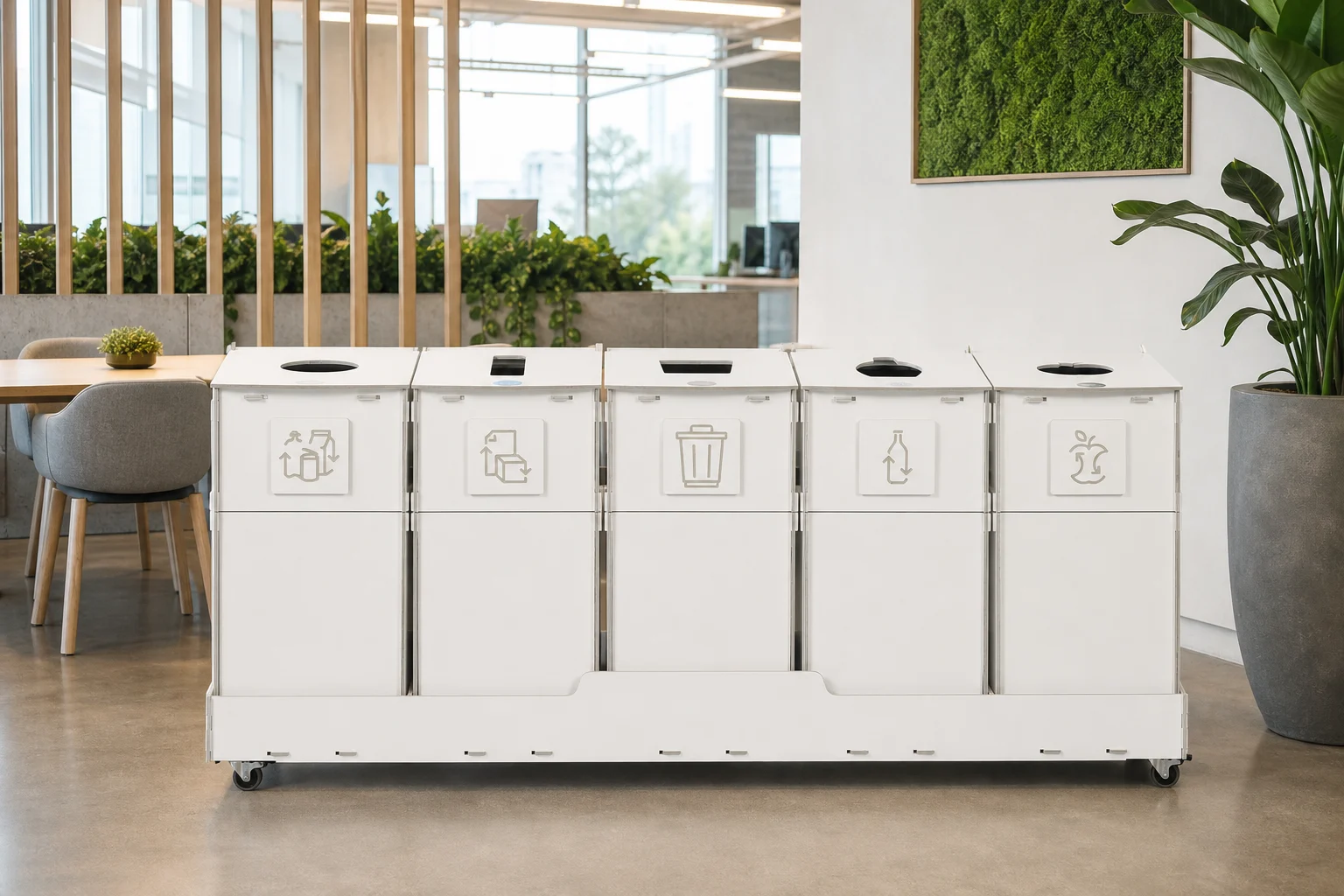
Recycling Bin Ecolong 5 × 60 l white
5 types of waste 5 x 60 l2 269,20 € (incl. 24% VAT)1 830 € (excl. VAT) -
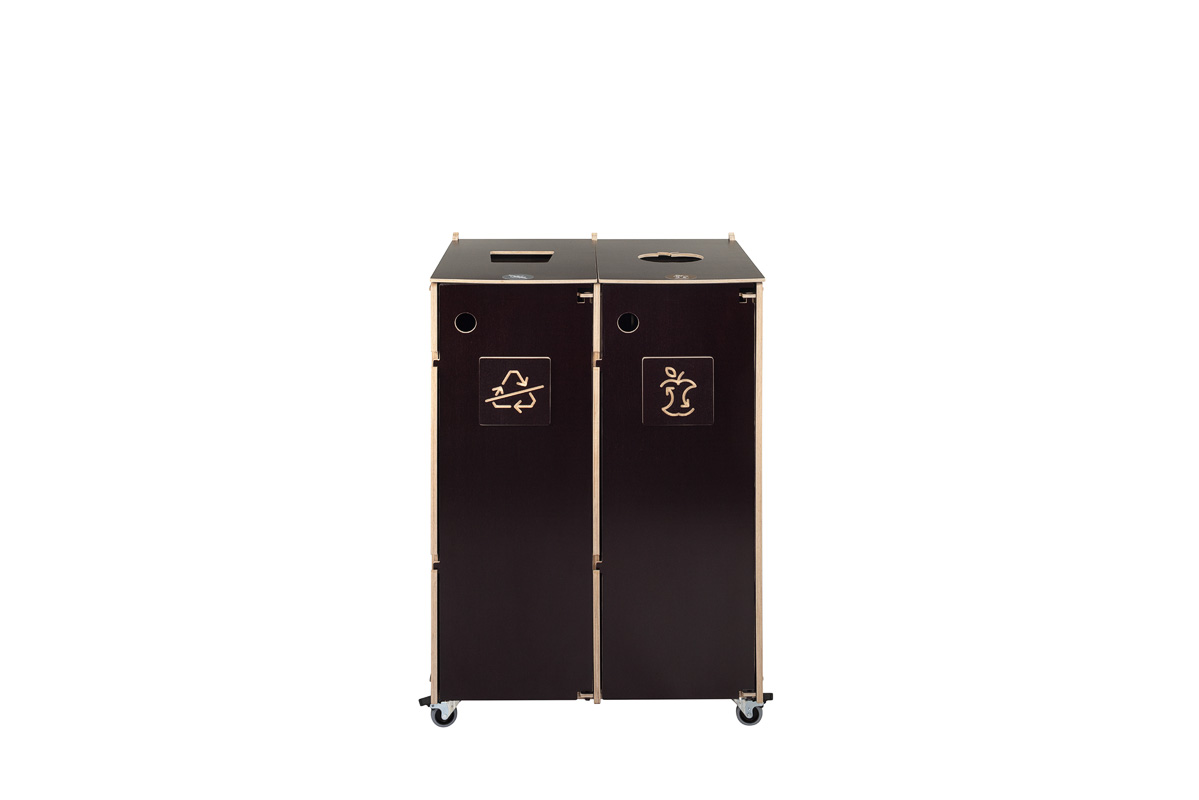
Recycling Bin Ecolong 2 × 90 l brown
2 types of waste 2 x 90 l1 339,20 € (incl. 24% VAT)1 080 € (excl. VAT)
Treatment Methods and Reporting Standards
The GHG Protocol identifies several distinct treatment routes that you must distinguish within your reporting. These typically include:
- Landfill: Often the largest source of Scope 3 methane emissions.
- Incineration and Waste-to-Energy: Emissions resulting from the combustion of waste materials.
- Recycling: Emissions generated during the sorting and processing of recyclables.
- Composting and Anaerobic Digestion: Emissions resulting from the decomposition of organic matter.
When reporting, it is crucial to understand that Category 5 does not allow for “negative” or “avoided” emissions. While recycling provides significant carbon savings in a global context, those benefits are reported by the company using the recycled material in their supply chain, not the company generating the waste. You must report the emissions generated by the recycling process itself as a positive value in your inventory. Familiarizing yourself with European workplace recycling regulations can help you better categorize these streams.
Regional Compliance and National Regulations
Reporting requirements vary significantly across the European market, making local expertise essential for maintaining ISO 14001 environmental management systems. National laws often dictate how waste must be separated and documented, which directly impacts your Scope 3 data quality.
- Sweden: Since 2024, separate food waste collection has been mandatory for all businesses.
- Denmark: Workplaces are required to maintain a minimum of four separate waste fractions.
- Estonia: Organizations must separate paper, plastic, metal, glass, and bio-waste, particularly if they generate more than 10kg of bio-waste daily.
- Lithuania: Real-time logging through digital registries like APVIS is becoming the standard for monitoring all waste activity.
Staying ahead of recycling legislation in Europe ensures that your organization avoids contamination fines and maintains transparency with stakeholders.
Reducing Emissions Through Effective Source Separation
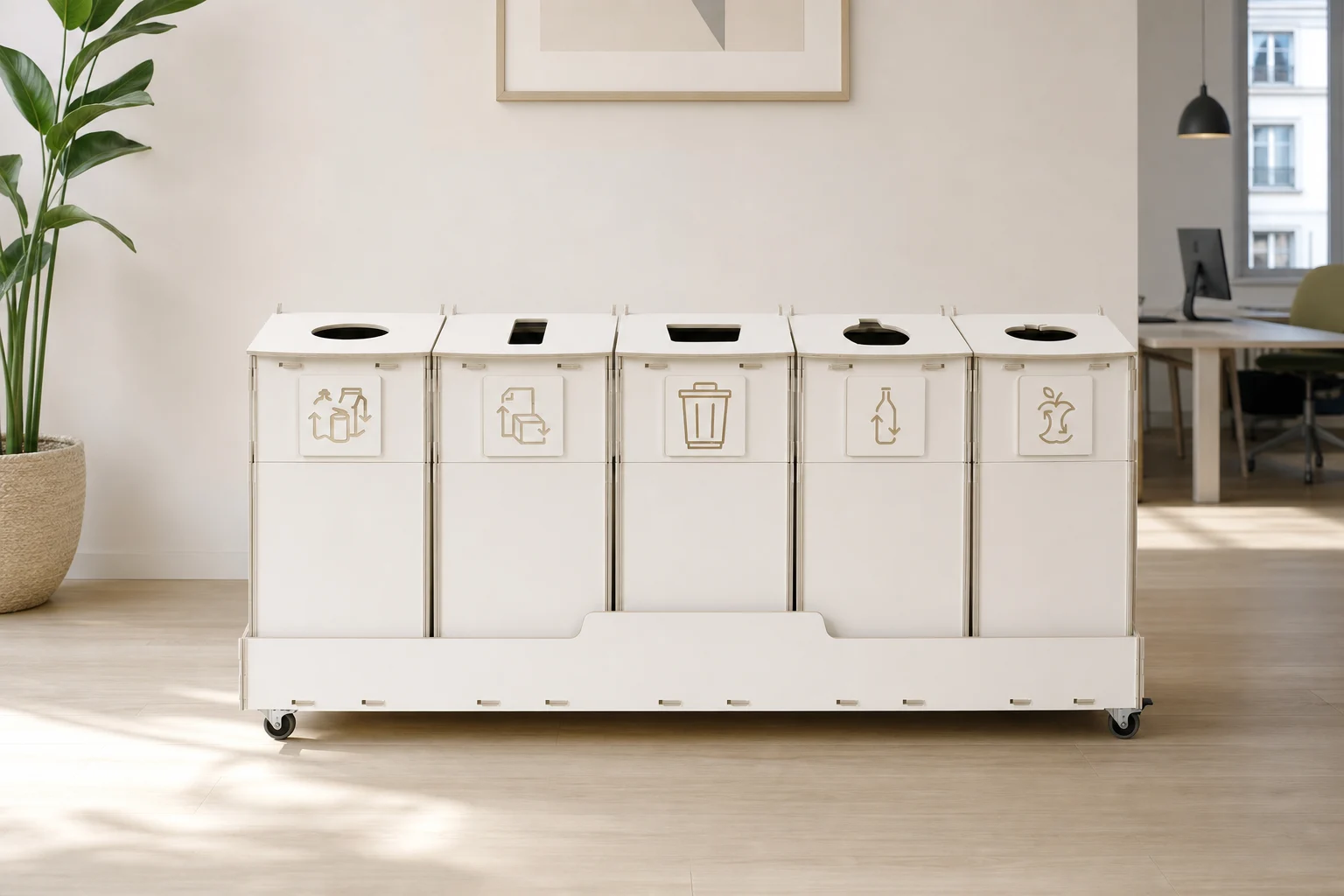
The most effective way to lower Category 5 emissions is to move materials up the waste hierarchy, diverting them from landfills into recycling streams. Implementing centralized recycling hubs is a primary driver of this shift. Replacing individual deskside bins with high-capacity, multi-compartment stations can increase waste diversion rates by up to 40%. This reduces the volume of mixed waste – which carries the highest emission factors – and ensures materials remain clean and viable for circular processing.
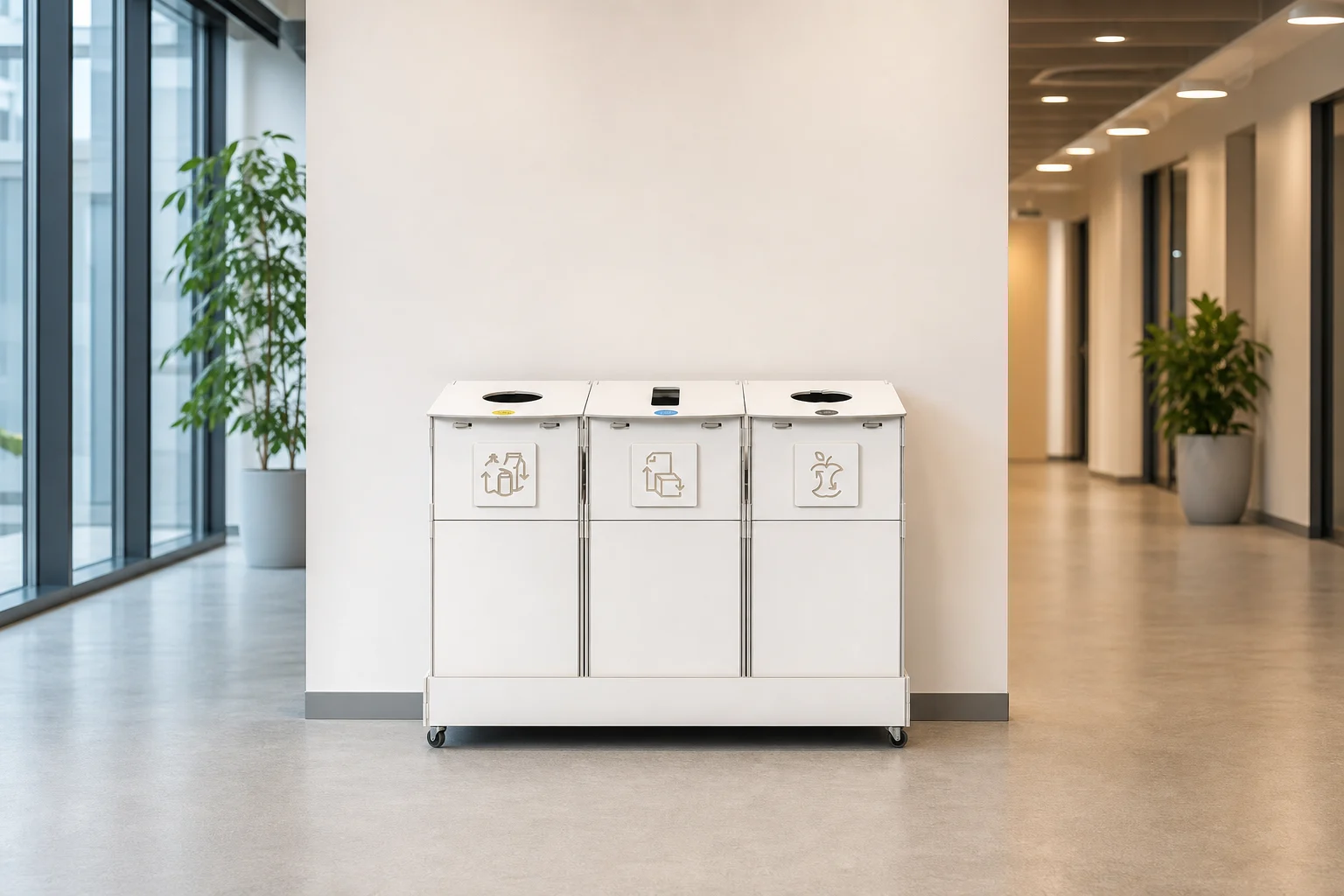
Beyond the waste itself, facility managers should evaluate the embodied carbon of their waste infrastructure. Choosing bins crafted from renewable birch plywood can result in two to four times lower CO₂ emissions compared to traditional metal or plastic units. This choice helps reduce your office carbon footprint across multiple Scope 3 categories by prioritizing low-carbon procurement.
-
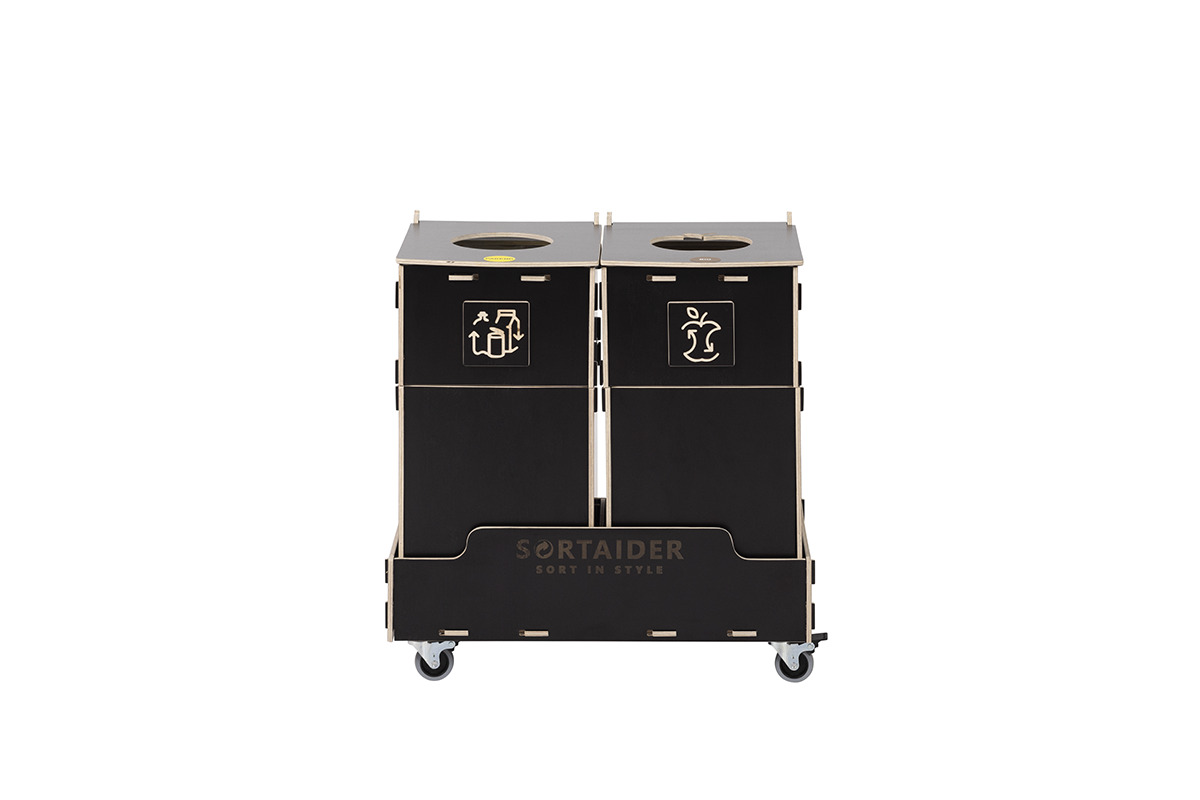
Recycling Bin Sorter 2 × 30 l brown
2 types of waste 2 x 30 l508,40 € (incl. 24% VAT)410 € (excl. VAT) -
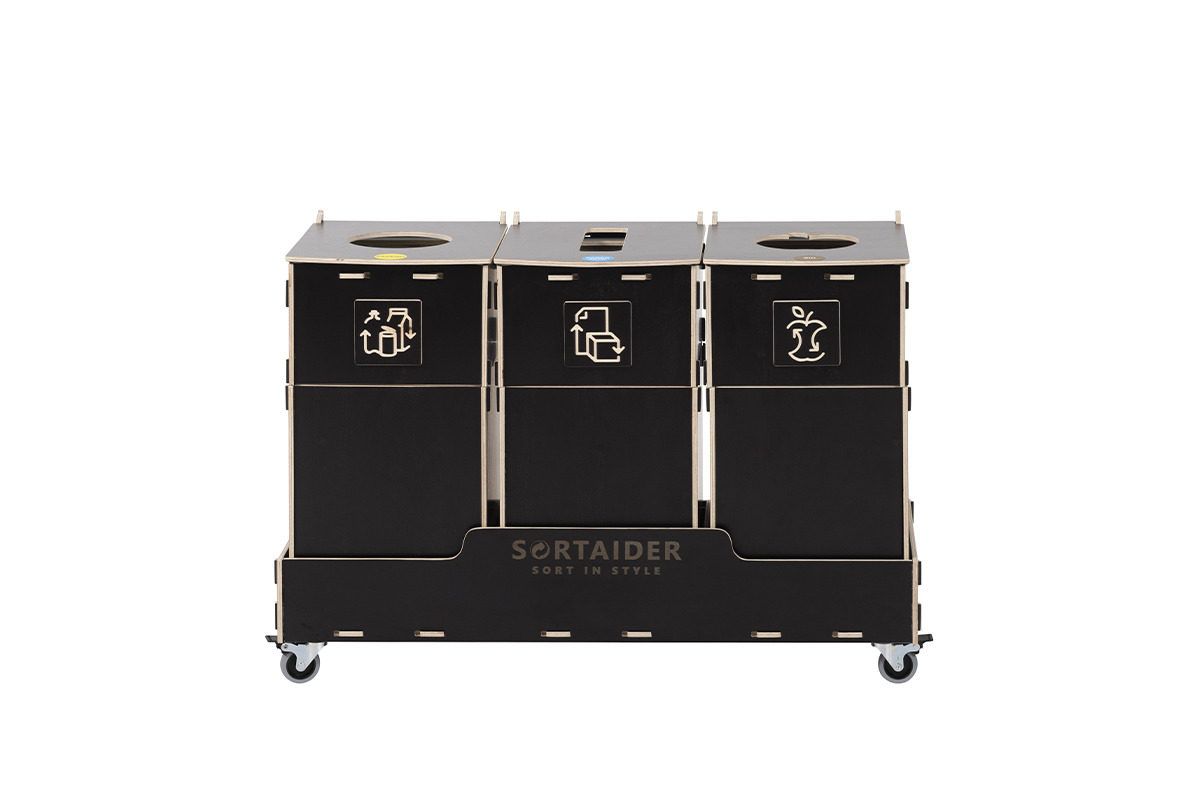
Recycling Bin Sorter 3 × 30 l brown
3 types of waste 3 x 30 l731,60 € (incl. 24% VAT)590 € (excl. VAT) -
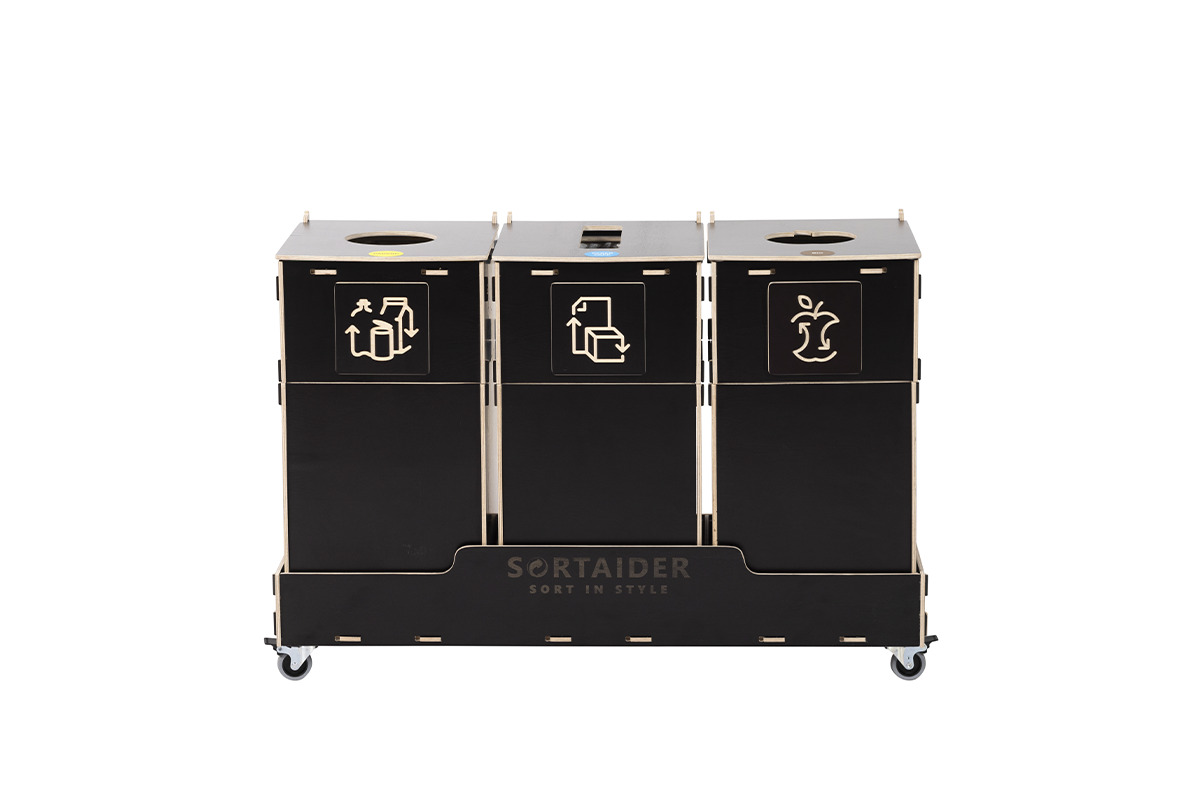
Recycling Bin Sorter 3 × 40 l brown
3 types of waste 3 x 40 l992 € (incl. 24% VAT)800 € (excl. VAT) -
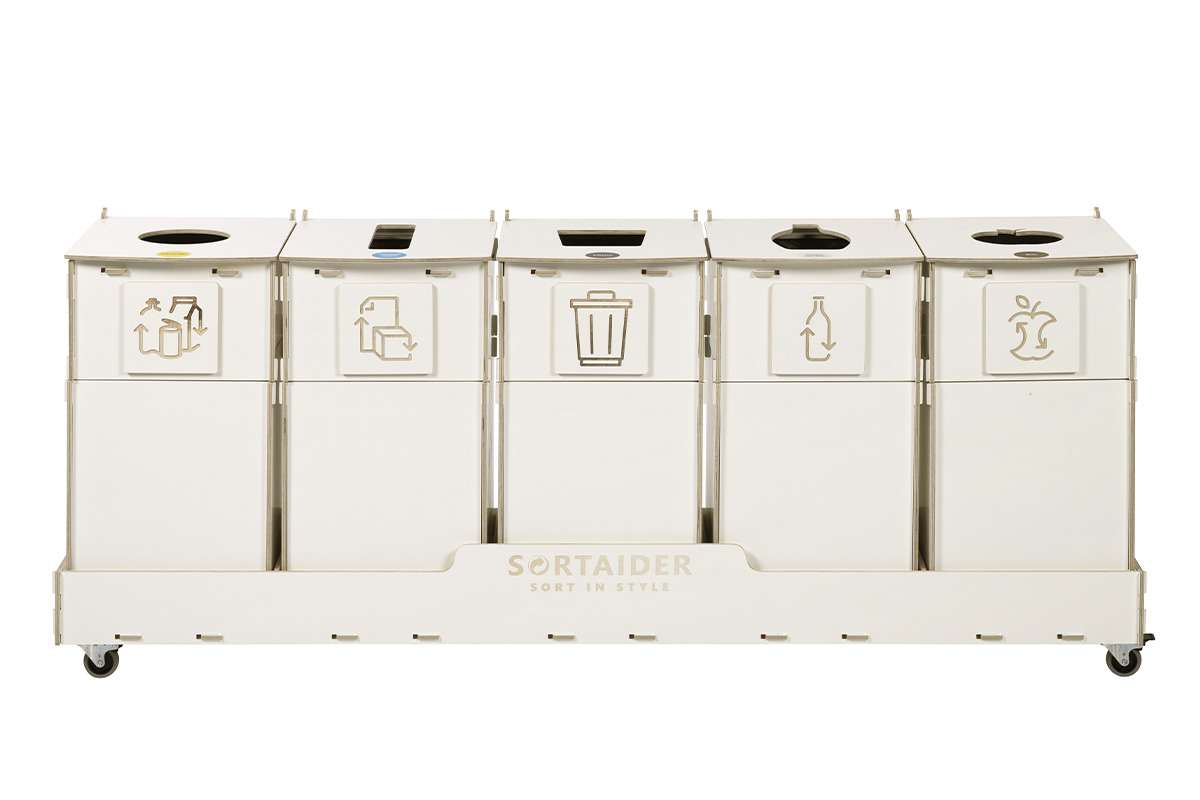
Recycling Bin Sorter 5 × 40 l white
5 types of waste 5 x 40 l1 525,20 € (incl. 24% VAT)1 230 € (excl. VAT) -
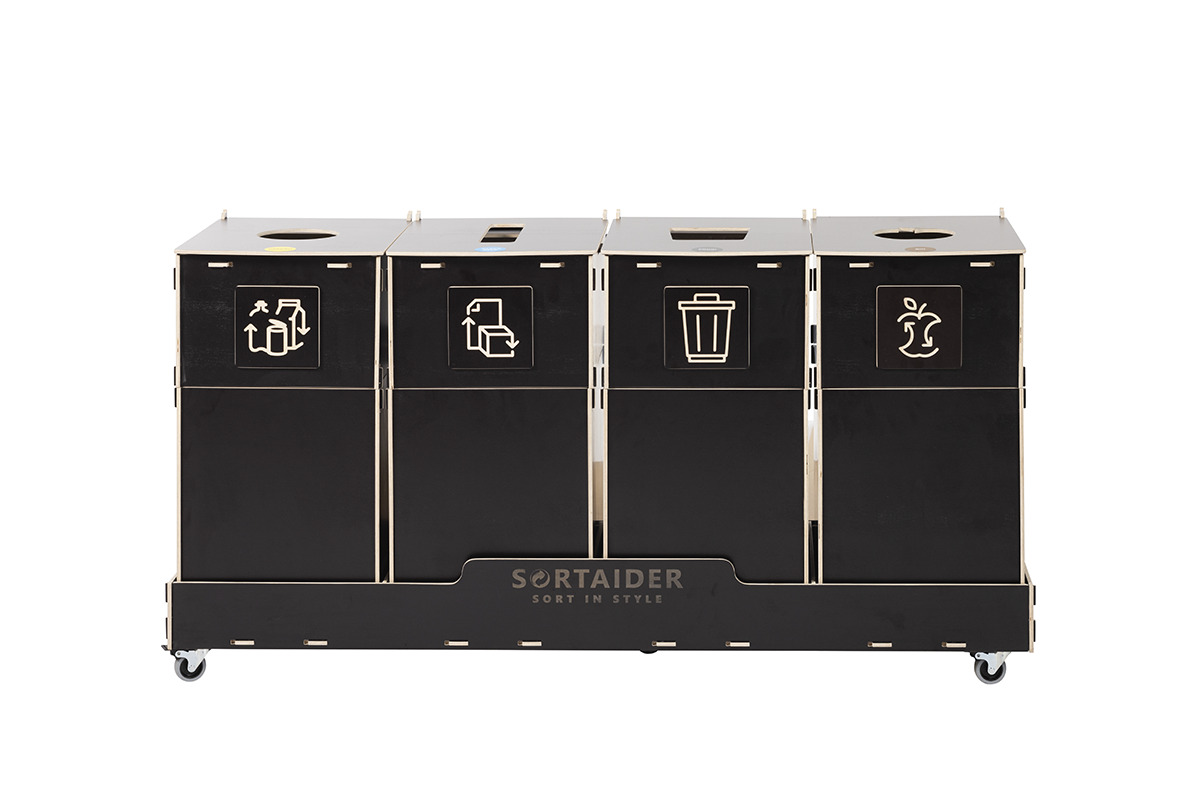
Recycling Bin Sorter 4 × 60 l brown
4 types of waste 4 x 60 l1 500,40 € (incl. 24% VAT)1 210 € (excl. VAT) -
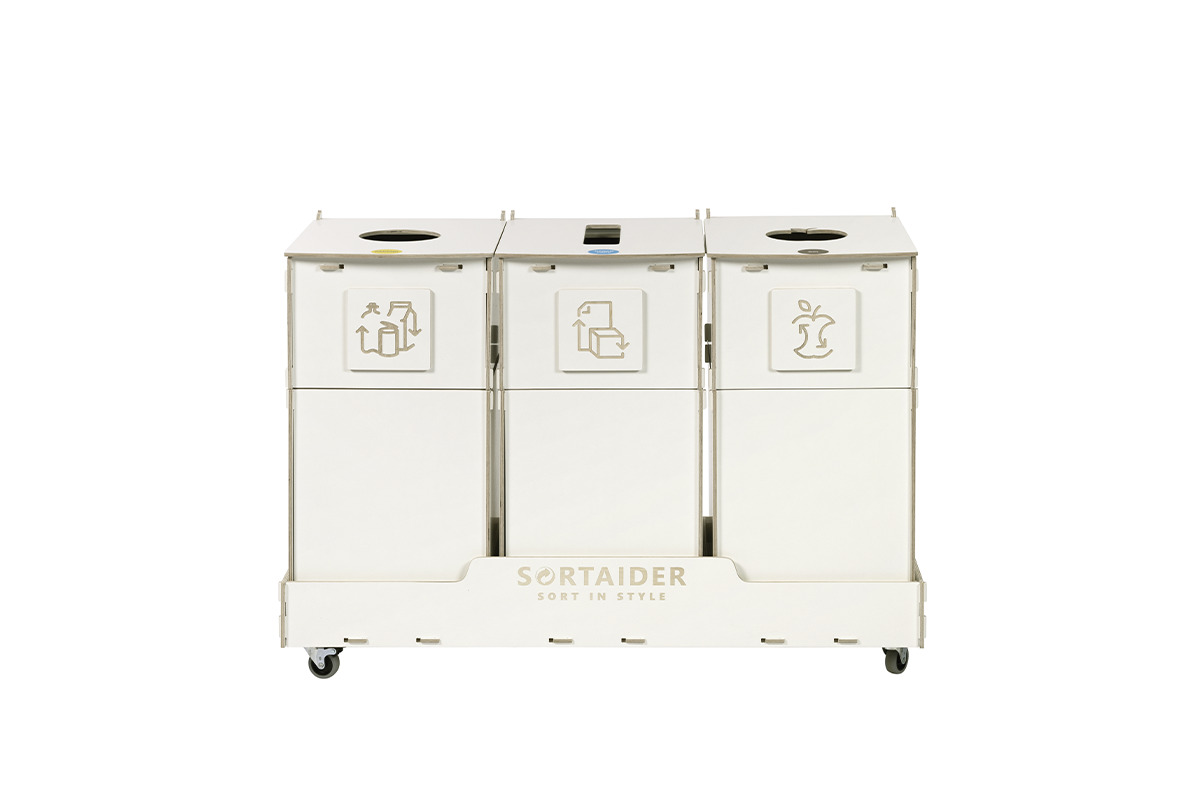
Recycling Bin Sorter 3 × 60 l white
3 types of waste 3 x 60 l1 140,80 € (incl. 24% VAT)920 € (excl. VAT) -
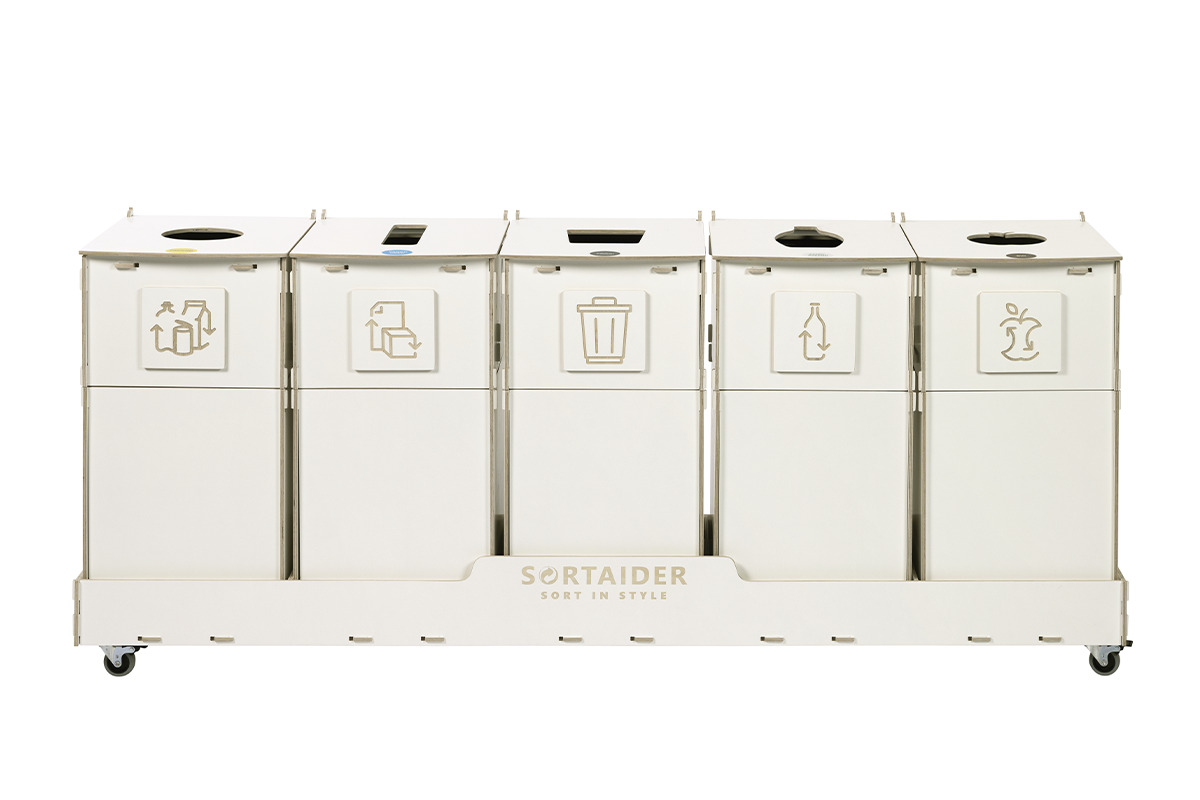
Recycling Bin Sorter 5 × 90 l white
5 types of waste 5 x 90 l2 219,60 € (incl. 24% VAT)1 790 € (excl. VAT)
Accurate Scope 3 reporting is a necessity for organizations striving to meet packaging waste regulations for businesses and international ESG standards. By refining how you define, measure, and treat Category 5 emissions, you can transform a complex compliance requirement into a strategic roadmap for operational efficiency.
To see how modular, award-winning design can simplify your source separation and boost your diversion rates, explore our range of sustainable recycling bins today.