Are you ready for the 2024 Extended Producer Responsibility deadline? Navigating these shifting regulations is no longer optional for European businesses aiming to avoid significant non-compliance penalties.
Understanding Extended Producer Responsibility (EPR)
Extended Producer Responsibility is a policy tool that extends your financial and operational responsibility for a product to the post-consumer stage of its life cycle. Under the EU Waste Framework Directive, businesses are held accountable for the entire lifecycle of the packaging they place on the market.
This framework moves the cost of waste management from the public sector to “producers,” a category that includes manufacturers, importers, and online sellers. The primary goal is to incentivize the design of packaging that is easier to reuse or recycle. Today, most workplace recycling regulations are rooted in these directives, requiring organizations to separate paper, metal, plastic, and glass at the source to facilitate better recovery.
Who Is Classified as a Producer?
You are likely considered a producer under packaging waste regulations if your organization performs any of the following actions:
- Manufactures packaged goods under your own brand.
- Imports packaged goods into a specific European market.
- Sells products in packaging via online marketplaces.
- Uses service packaging, such as carrier bags or disposable cups, at the point of sale.
In many jurisdictions, specific thresholds trigger these obligations. In Latvia, for instance, packaging EPR applies once you exceed 300 kg of packaging per year, which then mandates strict recovery targets. If you sell products in an EU Member State where you do not have a physical branch, you may be legally required to appoint an authorized representative to manage these obligations on your behalf.
Core Compliance and Reporting Requirements
Meeting commercial waste recycling requirements involves a specific workflow that is largely standardized across the European Union.
Registration with National Authorities
Before placing packaging on the market, you must register with a national EPR register or a Producer Responsibility Organization (PRO). In Germany, this process involves the LUCID Packaging Register. Failure to maintain an active registration can result in immediate sales bans within that territory.
Regular Data Reporting
You must submit periodic reports detailing the volumes and material types of the packaging you distribute. Because precision is vital for calculating fees, many organizations use a waste audit for offices to ensure their internal data matches their actual waste output.
Financial Contributions and Eco-Modulation
Producers must pay “eco-contributions” to fund national recycling infrastructure. These fees are increasingly subject to eco-modulation, meaning you pay lower rates for packaging that is highly recyclable, durable, or contains recycled content. Article 8a of the Waste Framework Directive generally requires producers to bear at least 80% of the necessary waste management costs for the products they place on the market.
Managing Physical Waste at the Source
Compliance extends beyond reporting to the physical management of materials within your facilities. The European Union has set a target of 65% municipal waste recycling by 2035, which necessitates a transition toward a circular economy through a robust office waste management plan.
Effective source separation requires the isolation of specific streams:
- Paper and Cardboard: This stream must remain dry and clean. A single greasy item, often referred to as the “Pizza Box” rule, can contaminate an entire batch of clean paper and lead to it being rejected by recovery facilities.
- Plastics and Metals: These are often the most complex materials to report on due to varying polymer types and the presence of adhesives or labels.
- Bio-waste: Mandatory separation is becoming the standard across Europe. In Estonia, for example, separate collection is required if your site generates more than 10kg of bio-waste per day.
-
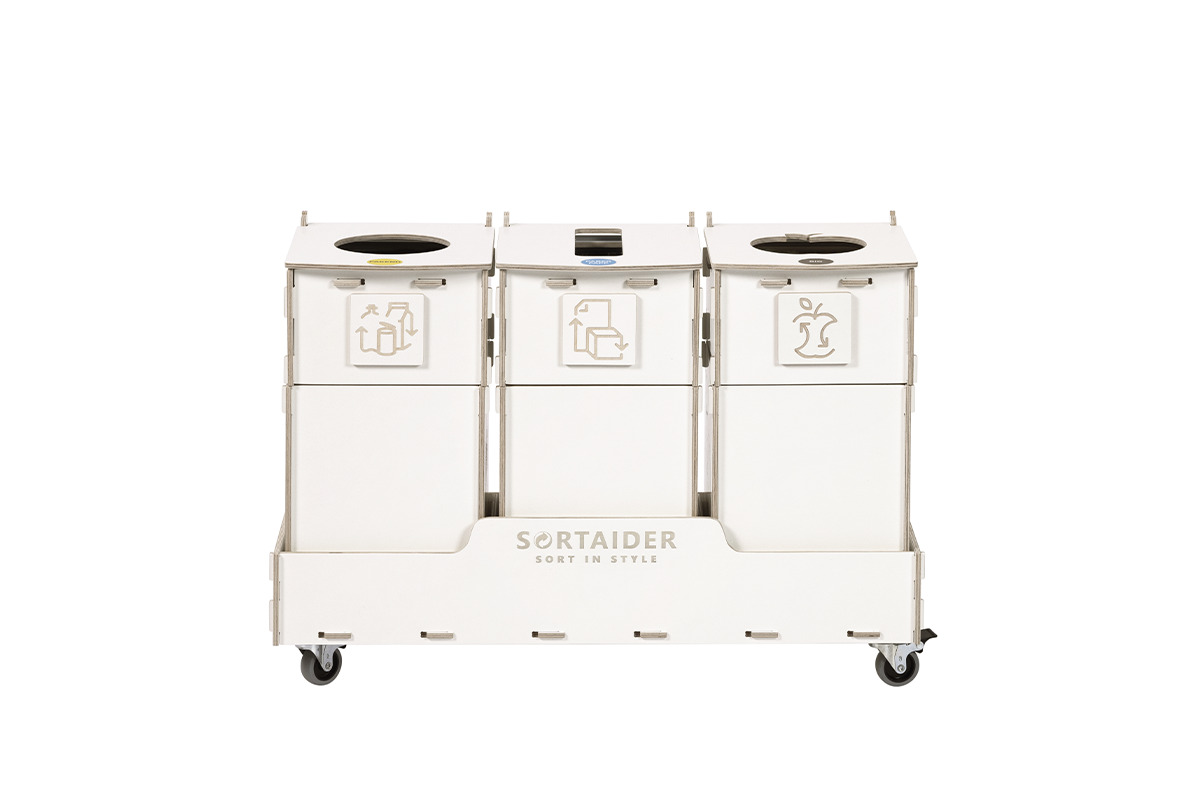
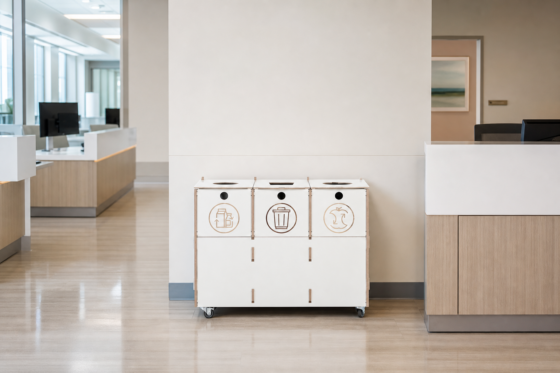
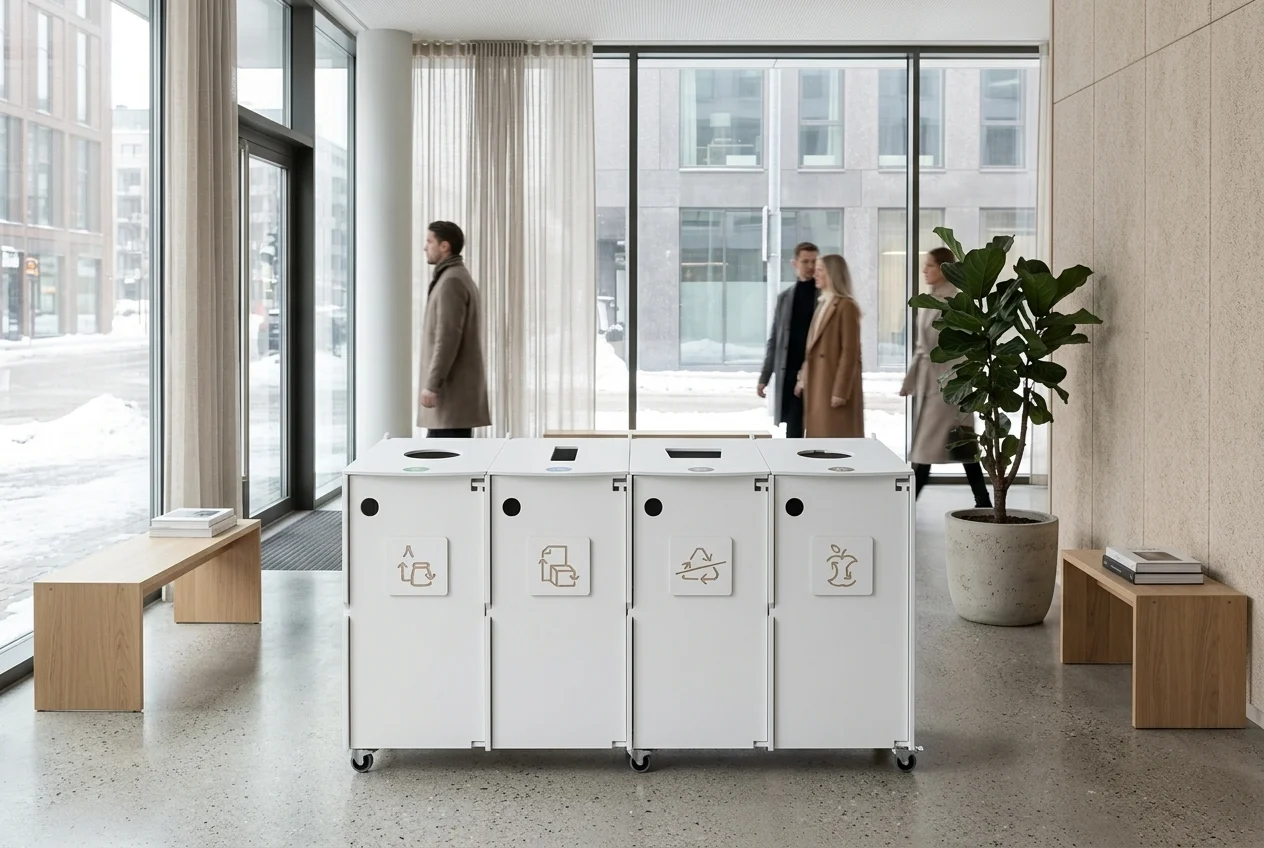
Recycling Bin Sorter 3 × 20 l white
3 types of waste 3 x 20 l471,20 € (incl. 24% VAT)380 € (excl. VAT) -
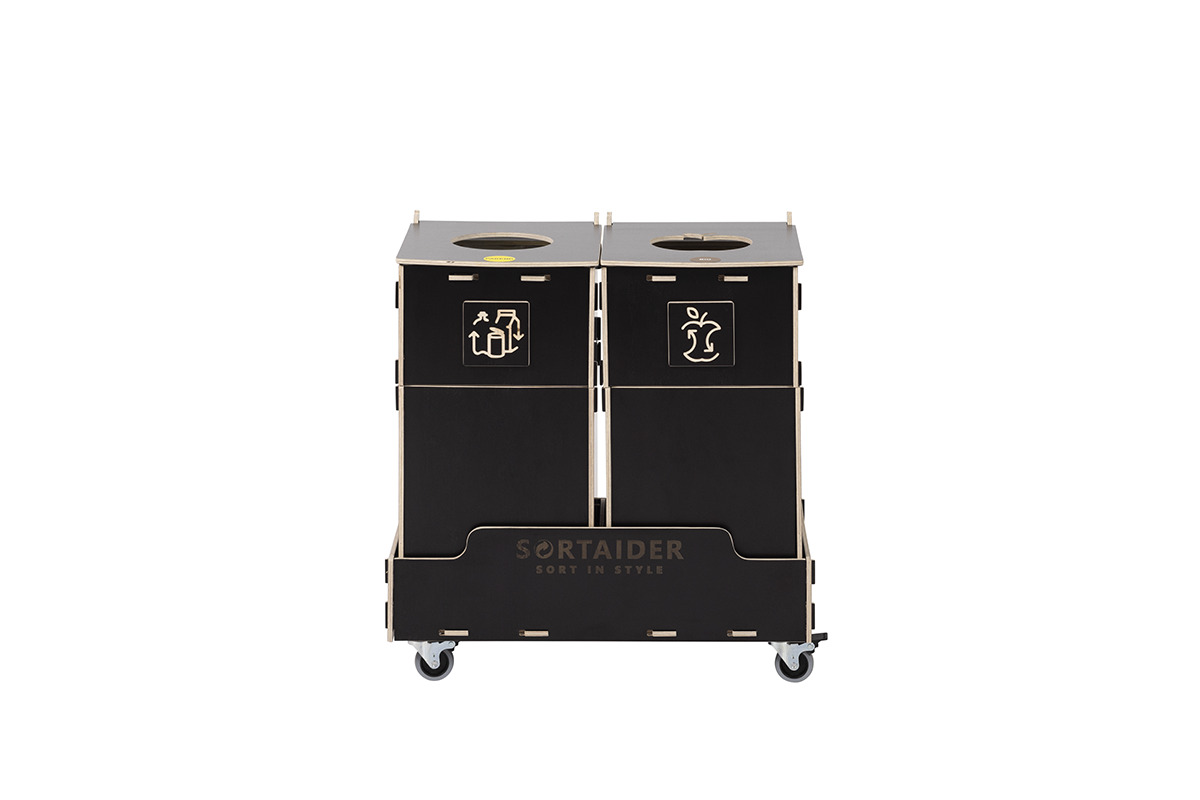
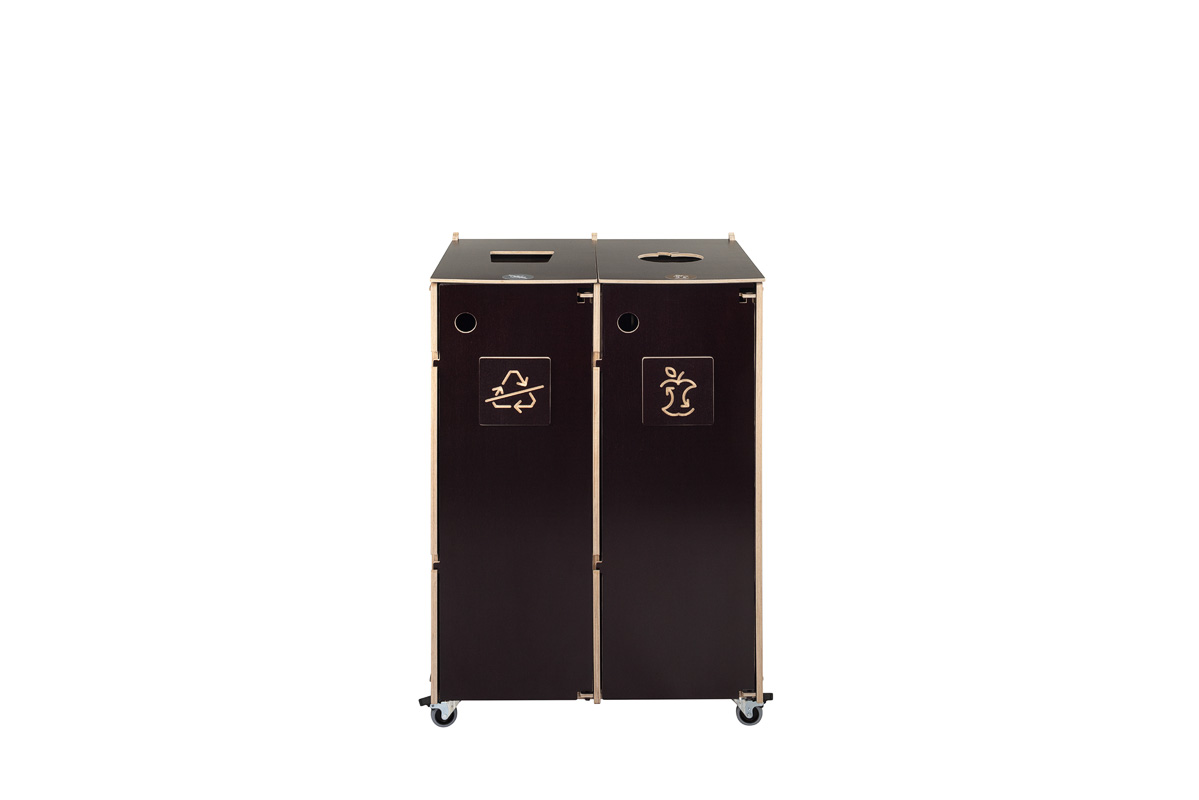
Recycling Bin Sorter 2 × 30 l brown
2 types of waste 2 x 30 l508,40 € (incl. 24% VAT)410 € (excl. VAT) -
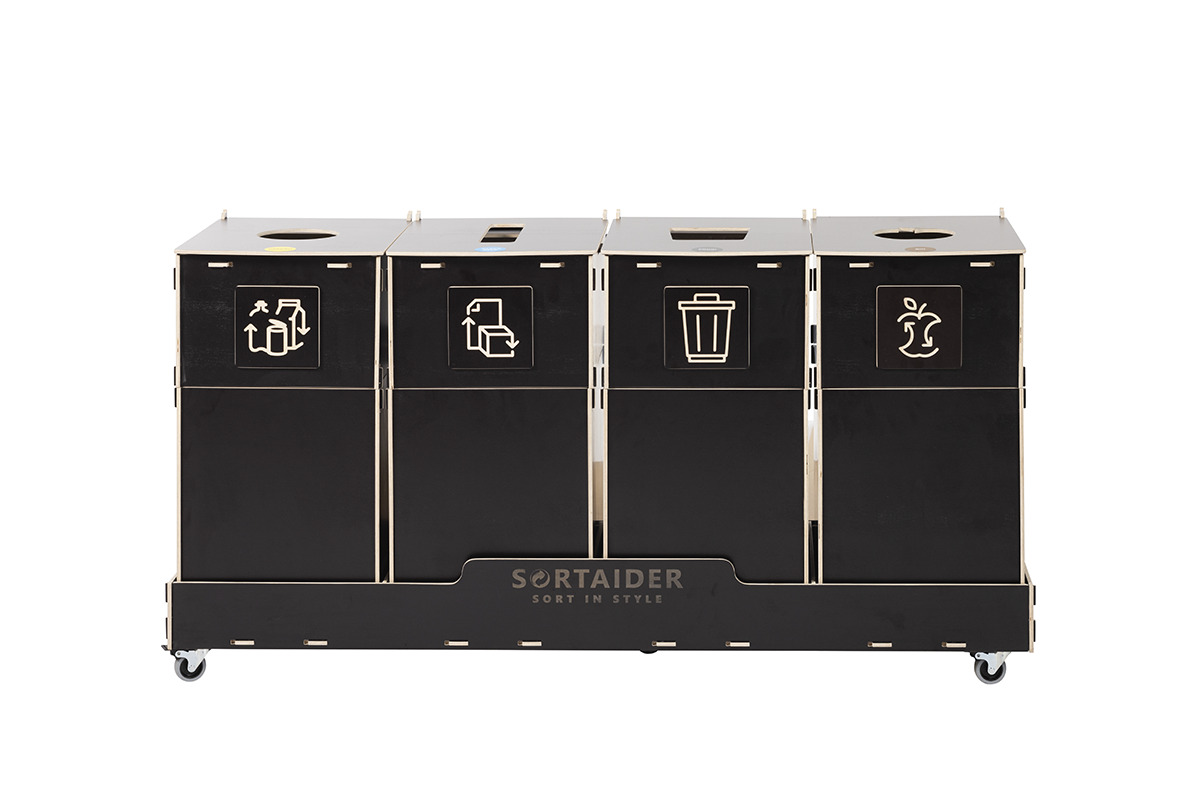
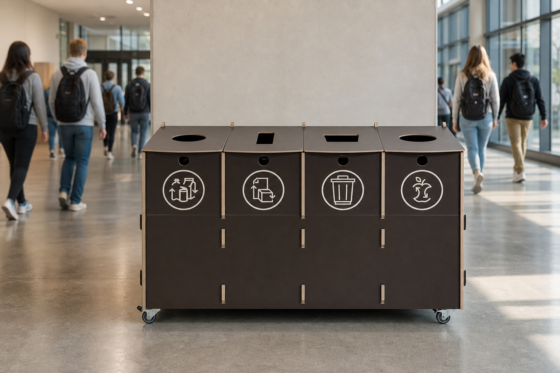
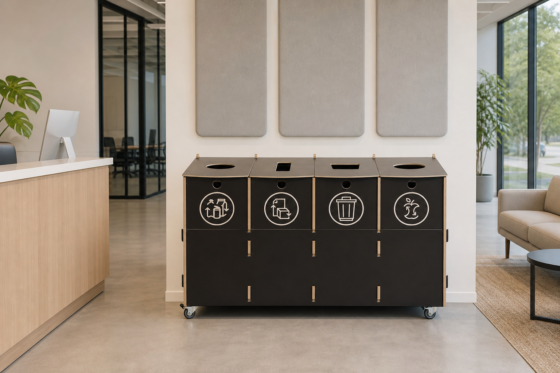
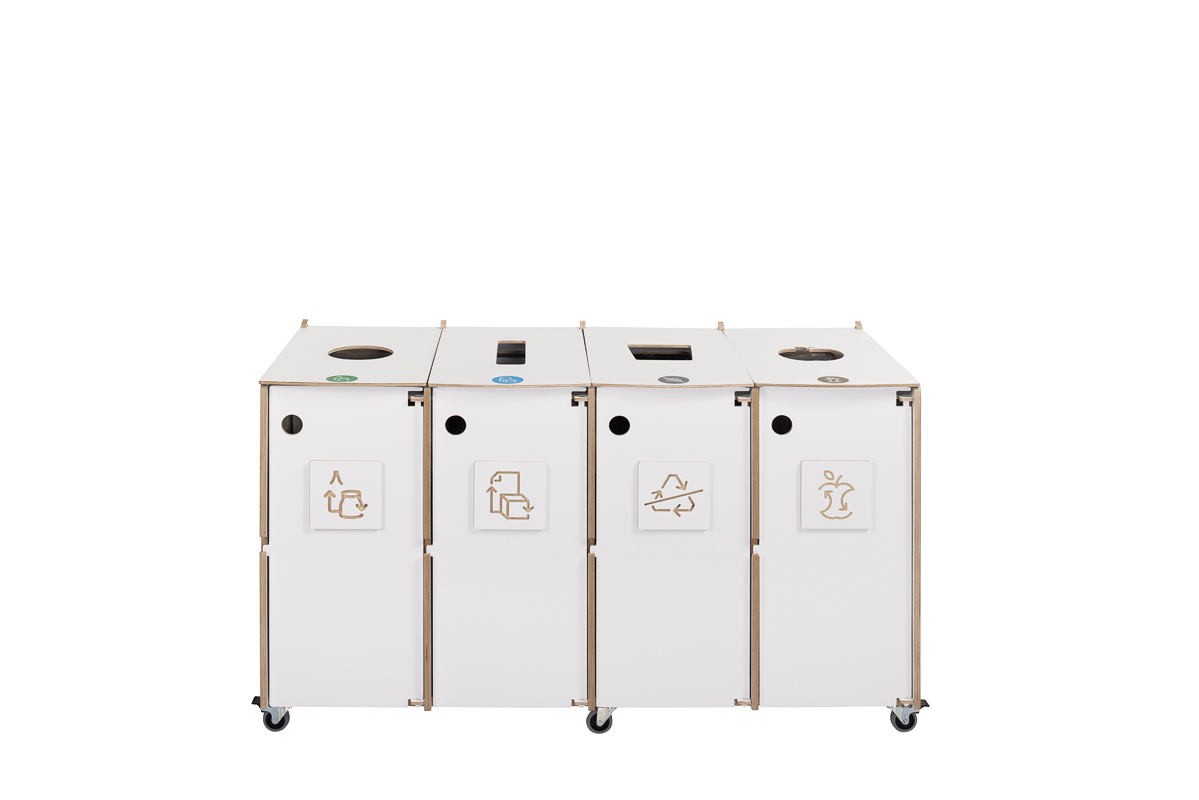
Recycling Bin Sorter 4 × 60 l brown
4 types of waste 4 x 60 l1 500,40 € (incl. 24% VAT)1 210 € (excl. VAT) -
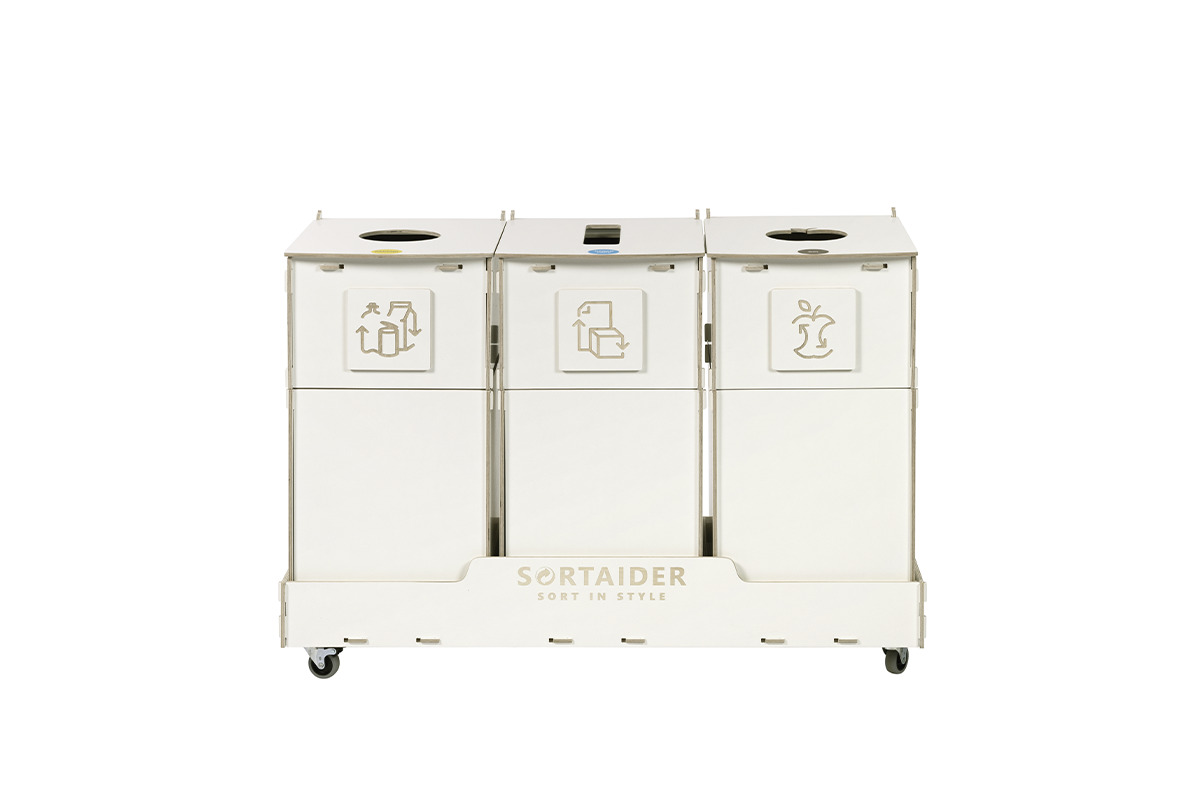
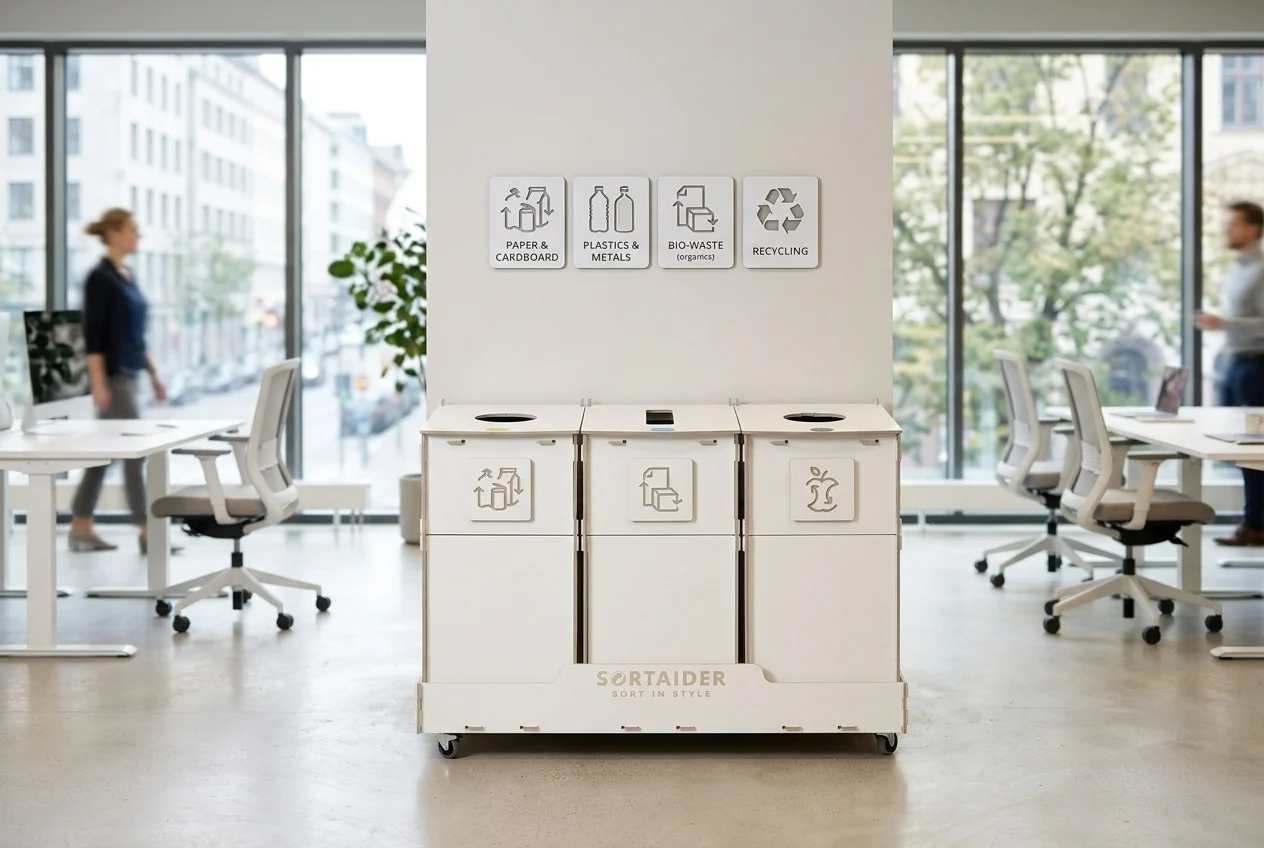
Recycling Bin Sorter 3 × 60 l white
3 types of waste 3 x 60 l1 140,80 € (incl. 24% VAT)920 € (excl. VAT)
Regional Variations in the Nordics and Baltics
While the EU provides the baseline framework, individual member states often implement stricter regional rules tailored to their environmental goals:
- Denmark: Workplaces are required to provide a minimum of four separate bins for waste. If your facility produces more than one ton of waste annually, you must use digital tracking systems for every shipment leaving the premises.
- Sweden: Mandatory food waste collection for all businesses became a requirement in 2024.
- Lithuania: Regulators use digital platforms like APVIS for real-time logging, allowing them to monitor waste activity and ensure materials are handled legally.
Understanding the specifics of what goes in each recycling bin is critical for operational compliance. Most recovery facilities will reject a load if the contamination threshold exceeds 3–5% by weight, which can result in significant fines and higher disposal costs.
Strategies for On-Site Compliance
To ensure your organization meets its EPR and recycling obligations, you should focus on the implementation of centralized recycling hubs. Research suggests that replacing individual deskside bins with high-visibility stations can boost waste diversion by up to 40% while maintaining a professional environment.
A compliant station should align with the EN 14092 standard for color-coding and utilize recycling signage best practices to bridge language gaps and reduce sorting errors. By consistently tracking and reporting recycling rates, you can maintain the documentation necessary to prove compliance during regulatory audits.
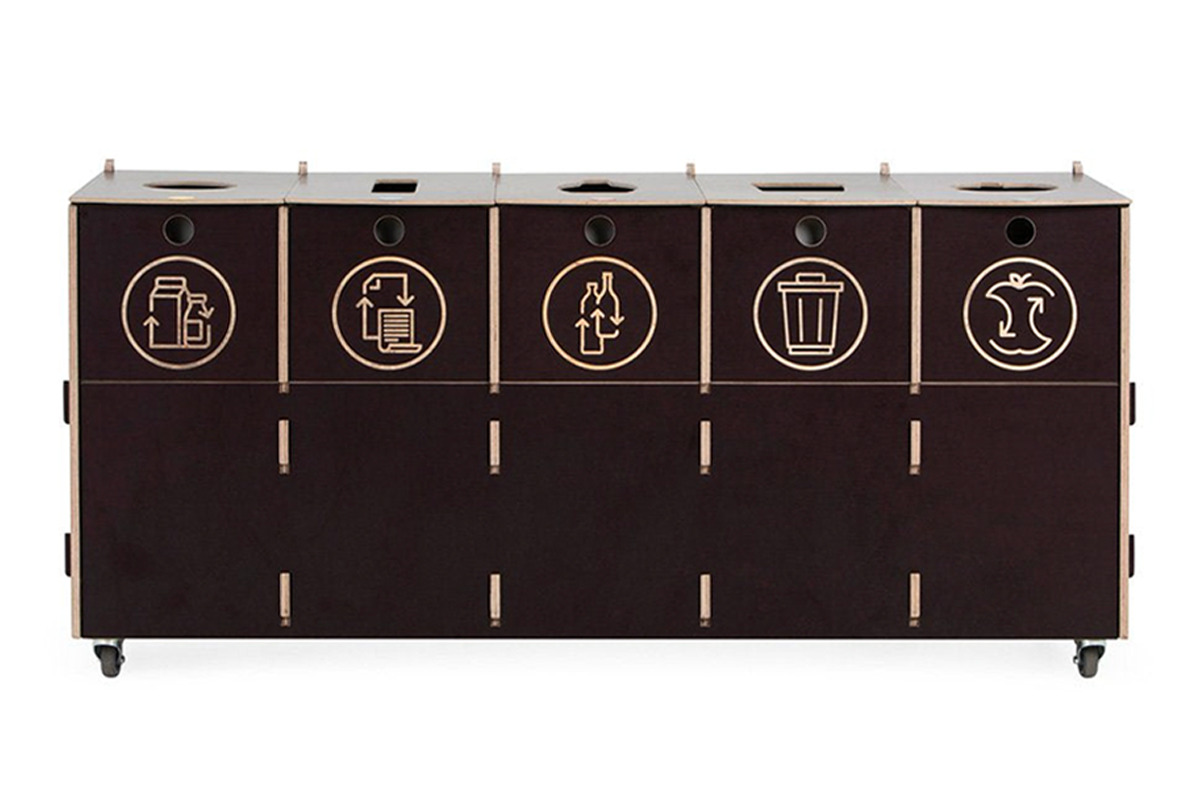

Setting up a compliant waste system is a logistical necessity for modern facility managers. If you are ready to optimize your organization’s sorting efficiency with award-winning, sustainable solutions, explore our range of modular recycling bins designed for professional European environments.