How do you balance high visitor traffic and temporary exhibition builds with ambitious sustainability targets? Managing waste across galleries, cafés, and prep rooms requires structured sorting systems that preserve curatorial aesthetics without compromising operational efficiency.
Conducting a Museum-Wide Waste Assessment
Before updating physical infrastructure, facility managers must quantify and categorize the museum’s existing waste streams. Cultural institutions produce a complex waste profile that spans front-of-house visitor trash, café organics, conservation chemicals, and heavy construction debris from temporary exhibits.
Executing an effective assessment involves three essential operational steps:
- Records Examination: Review municipal hauling contracts, bin pickup logs, and utility invoices to establish a baseline of total waste volume and disposal costs.
- Facility Walk-Throughs: Map out generation points across loading docks, conservation labs, gallery spaces, retail shops, and event foyers.
- Targeted Waste Audits: Sort sample loads over a multi-day period to measure material composition, identify clean recyclable streams, and calculate baseline contamination rates.
A structured waste audit reveals whether your facility benefits more from commingled or separated recycling systems across different operational zones. Aligning your baseline data with mandatory frameworks under European recycling legislation ensures statutory compliance while establishing realistic diversion targets.
Sustainable Exhibition Design and Material Recovery
Temporary exhibitions generate the majority of a museum’s heavy material waste. Traditional display construction relies on single-use drywall, non-recyclable substrates, and heavy adhesives that force display structures into landfills after a temporary run.
Transitioning to circular exhibition management requires a design for deconstruction framework:
- Mechanical Fasteners over Glues: Specify screws, clips, and modular framing rather than nails and permanent adhesives. This allows display walls, showcases, and mounts to be stripped down clean at the end of an exhibition.
- Material Inventories and Closed Loops: Maintain a detailed inventory of timber, hardware, acrylic, and pedestals. Reuse existing display structures across upcoming exhibition schedules or trade excess materials with local cultural partners.
- End-of-Life Planning: Mandate an explicit disposal and recycling plan for every material brought into the building before construction begins.
Conservation departments and prep rooms also handle specialized hazardous materials, such as solvents, adhesives, resins, and universal waste like fluorescent lamps and batteries. Regulatory frameworks, such as EU hazardous waste directives or OSHA standards, require these items to be inventoried, labeled, and stored in designated containers away from collection items before being transferred to certified hazardous waste handlers.
Streamlining Visitor Sorting in Gallery and Lobby Spaces
Public galleries and main foyers present a distinct challenge: waste collection stations must withstand high foot traffic while complementing the building’s interior architecture. Placing a single general waste bin in a high-traffic lobby almost guarantees recyclable materials will end up in a landfill.
To maximize capture rates and maintain visual harmony across visitor spaces:
- Follow the 1:1 Rule: Always pair general waste receptacles directly with dedicated recycling compartments to prevent unseparated disposal.
- Position Bins at Key Hotspots: Place multi-stream sorting stations at natural transition points, including main entrances, gallery exits, elevator lobbies, and rest zones. Refer to our recycling bin placement guide to optimize station layouts based on visitor flow.
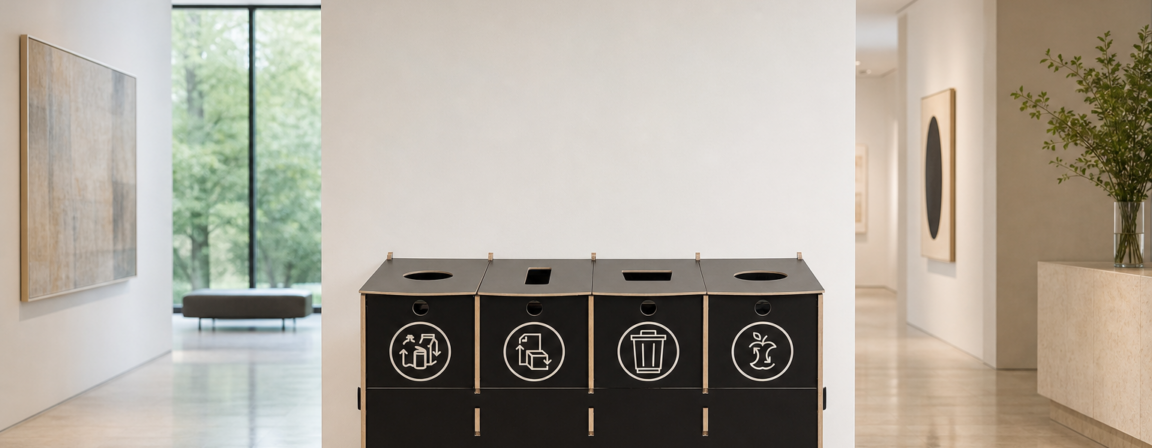
- Use Clear Visual Cues: Combine standardized color-coding with clear graphic pictograms and material-specific lid apertures to guide visitor behavior instantly. Detailed instructions on standard visual conventions can be found in our recycling bin color-coding guide.
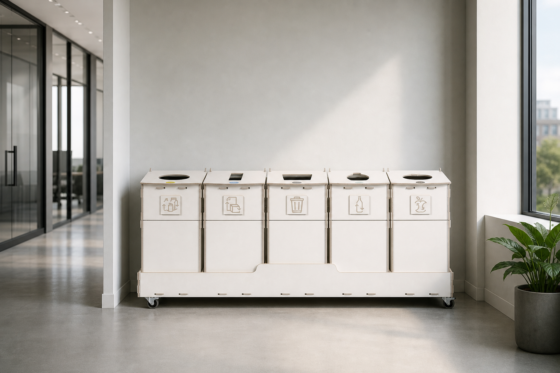
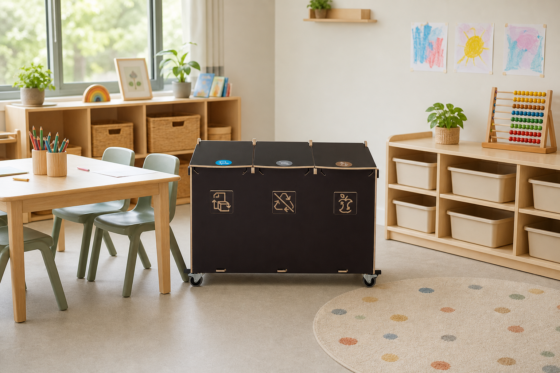
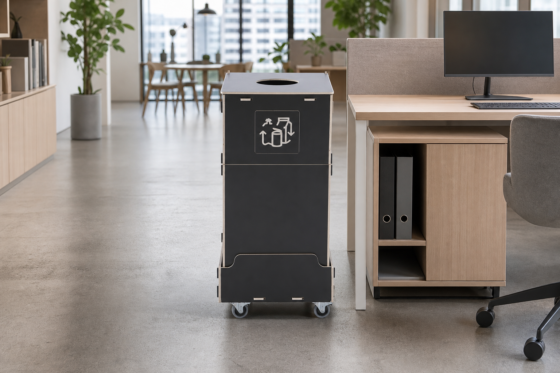
To keep gallery spaces refined, select sustainable wooden furniture solutions that avoid an industrial plastic appearance. Modular multi-compartment recycling stations crafted from durable plywood offer multiple waste streams in a sleek, architectural package designed for public spaces.
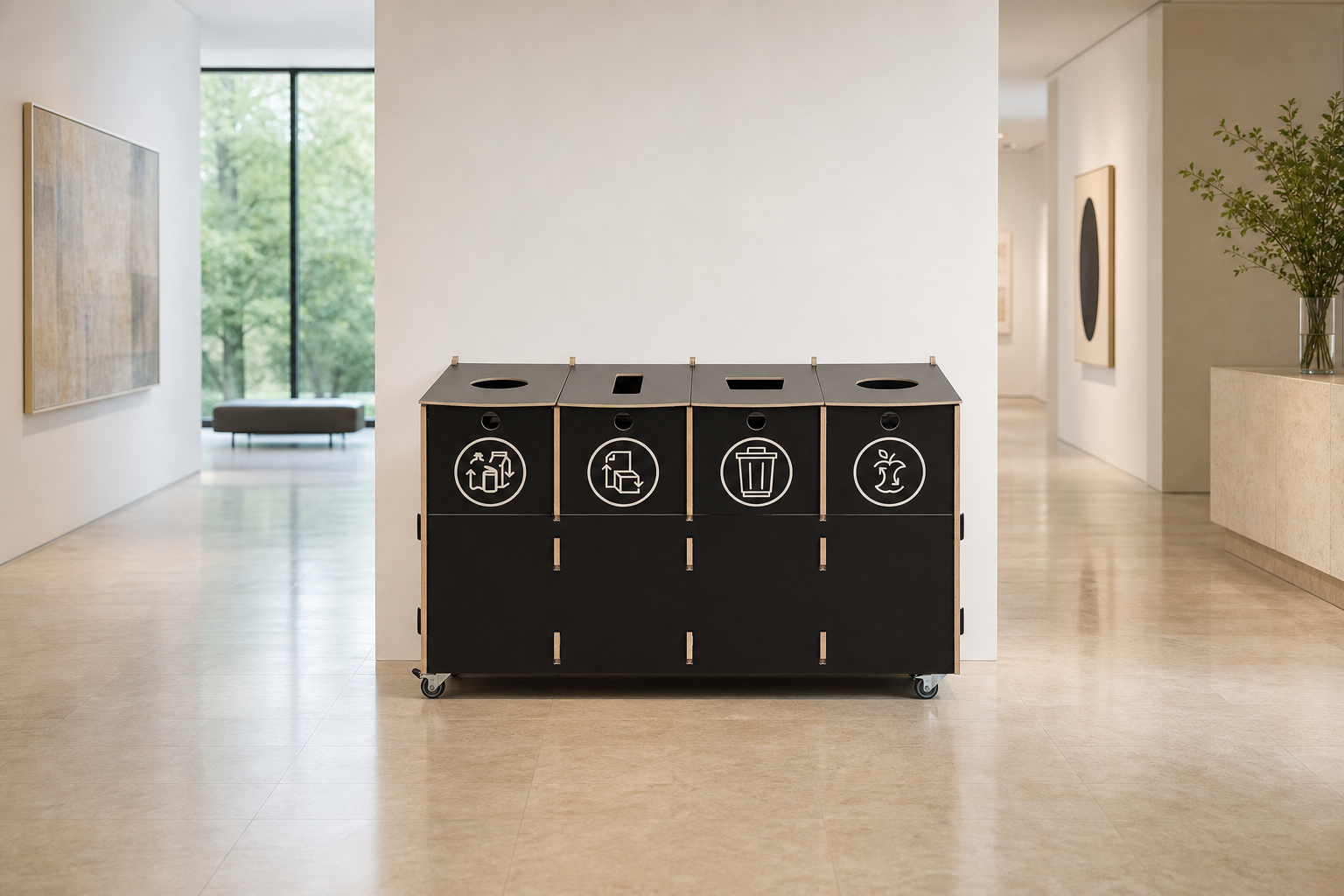
-
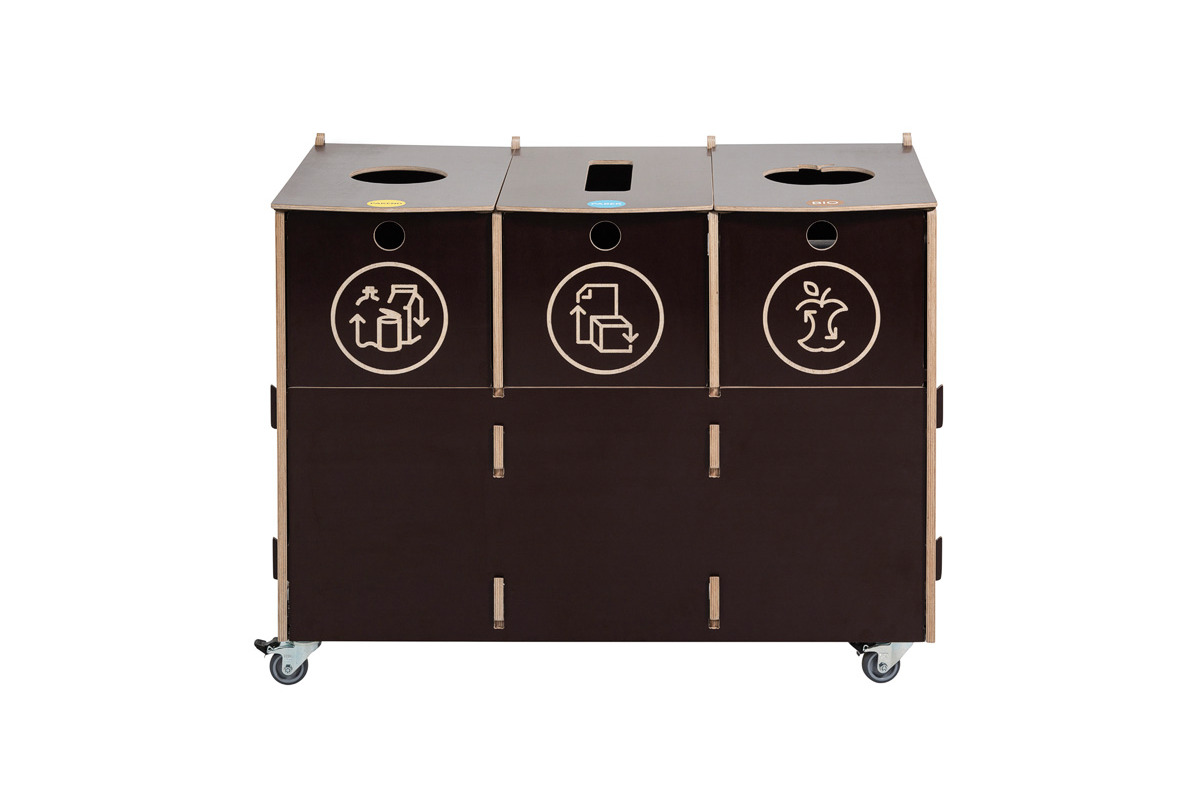
Recycling Bin Container 3 × 40 l brown
3 types of waste 3 x 40 l1 215,20 € (incl. 24% VAT)980 € (excl. VAT) -
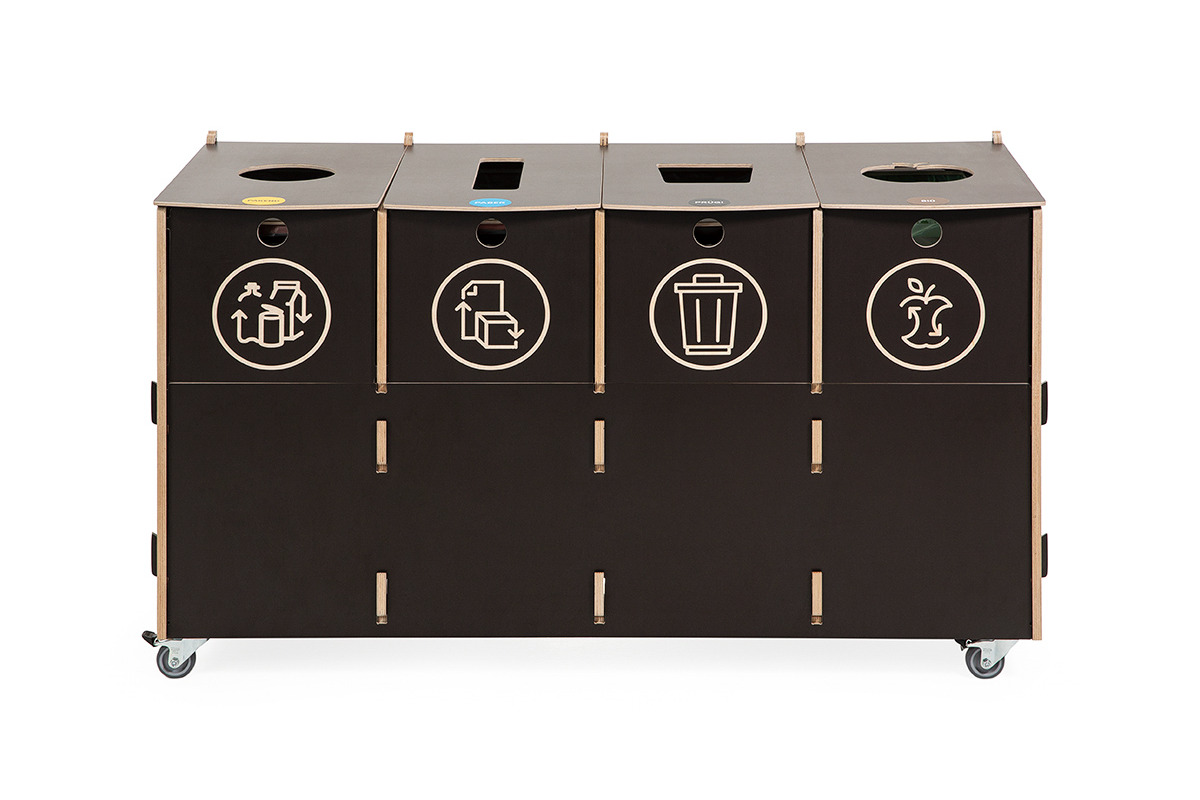
Recycling Bin Container 4 × 40 l brown
4 types of waste 4 x 40 l1 612 € (incl. 24% VAT)1 300 € (excl. VAT) -
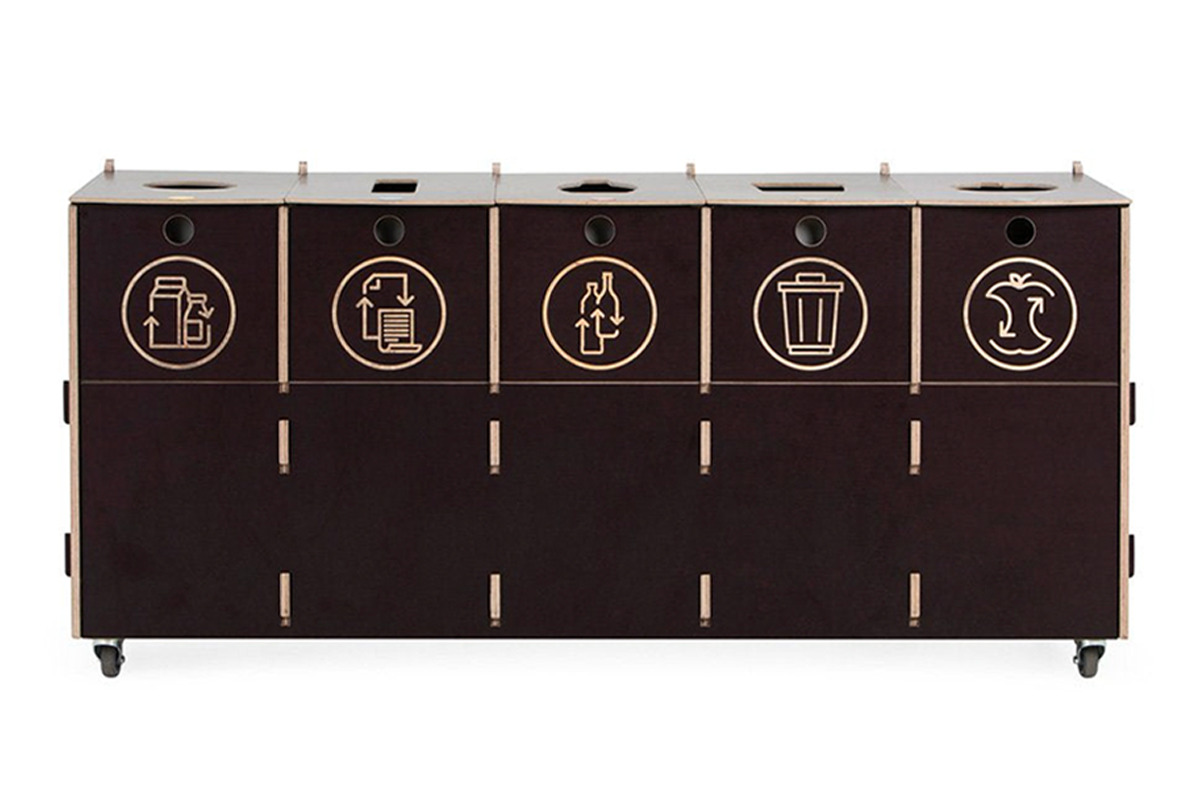
Recycling Bin Container 5 × 40 l brown
5 types of waste 5 x 40 l1 798 € (incl. 24% VAT)1 450 € (excl. VAT)
Managing Bio-Waste in Cafés and Event Spaces
Museum cafeterias, staff breakrooms, and evening event spaces produce large volumes of organic waste, single-use packaging, and beverage containers. Managing these streams effectively requires targeted source separation to avoid foul odors and pest attraction near sensitive gallery areas.
Pre-consumer kitchen scraps should be tracked to reduce purchasing waste, while catered events can partner with local food rescue organizations to donate surplus unserved food. Food scraps and liquid residues rapidly contaminate paper and cardboard streams, making dedicated bio-waste containers essential in dining areas and kitchen prep zones.
Organic waste in warm public environments breaks down rapidly. Establish strict cleaning routines using mild detergents and air-drying protocols detailed in our guide to cleaning and sanitising recycling bins. Keep organic stations out of direct sunlight and HVAC heating vents to follow proven recycling bin smell prevention strategies.
For high-volume public venues and event halls, practical operational guidance can be found in our overview of waste management for event venues.
-
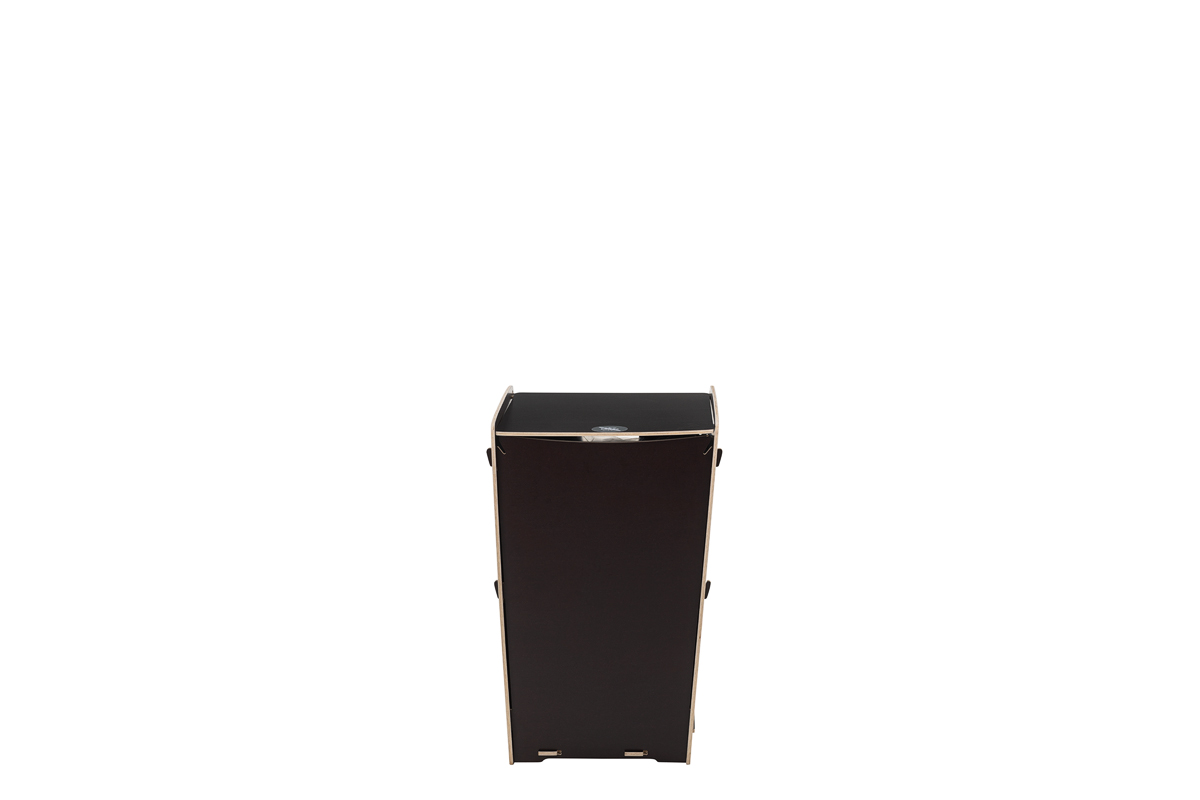
Waste Bin Sorta 1 × 60 l brown
1 type of waste 1 x 60 l173,60 € (incl. 24% VAT)140 € (excl. VAT) -
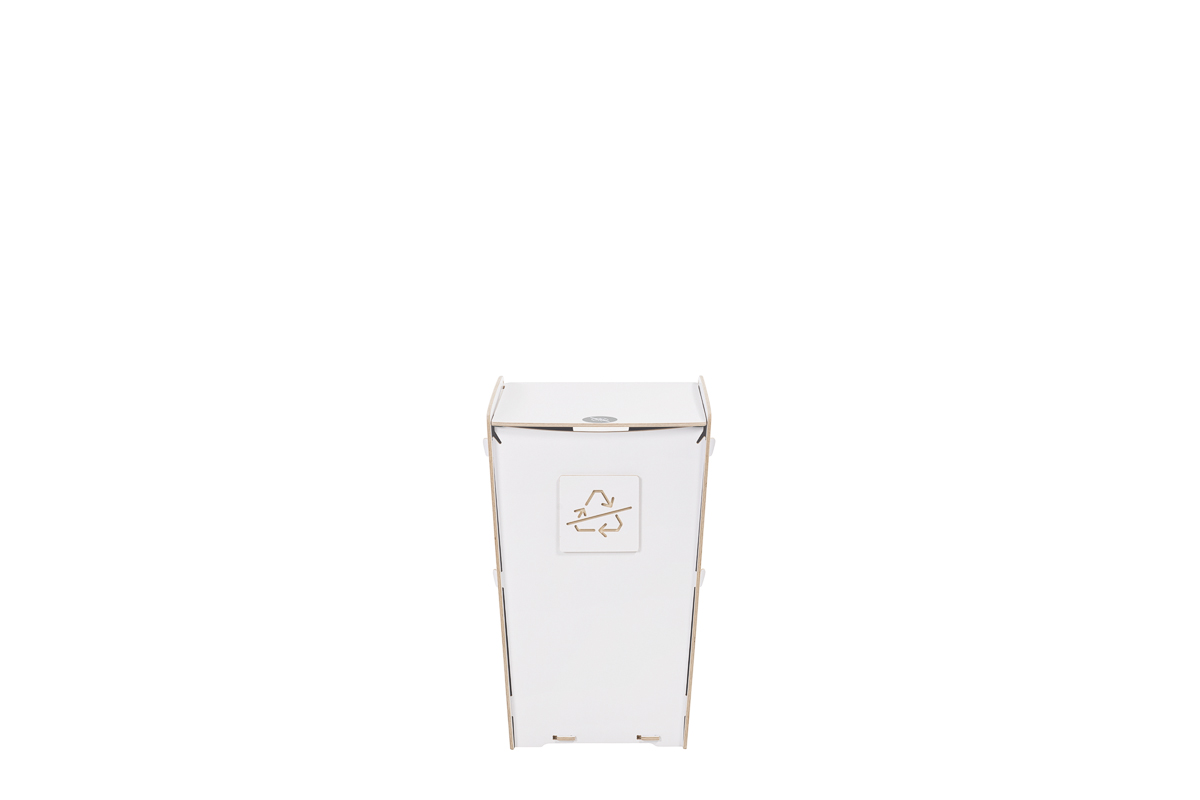
Waste Bin Sorta 1 × 60 l white
1 type of waste 1 x 60 l173,60 € (incl. 24% VAT)140 € (excl. VAT) -
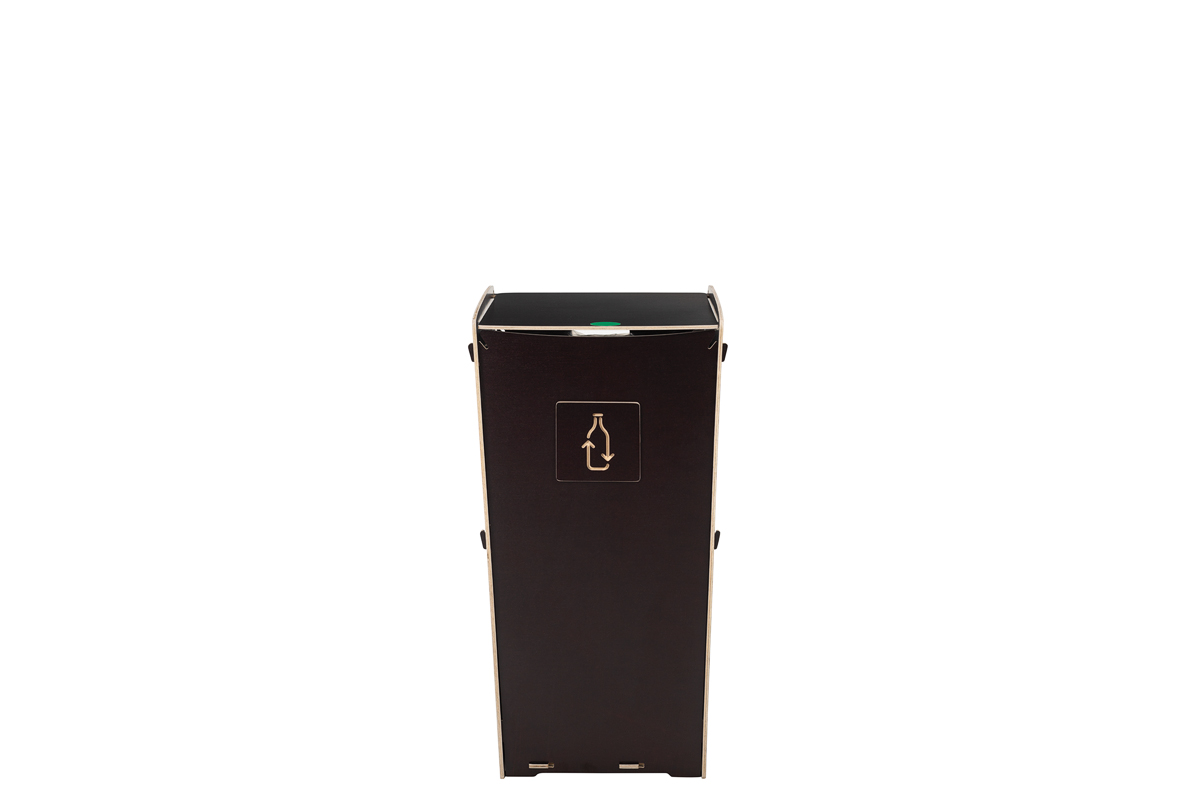
Waste Bin Sorta 1 × 90 l brown
1 type of waste 1 x 90 l223,20 € (incl. 24% VAT)180 € (excl. VAT) -
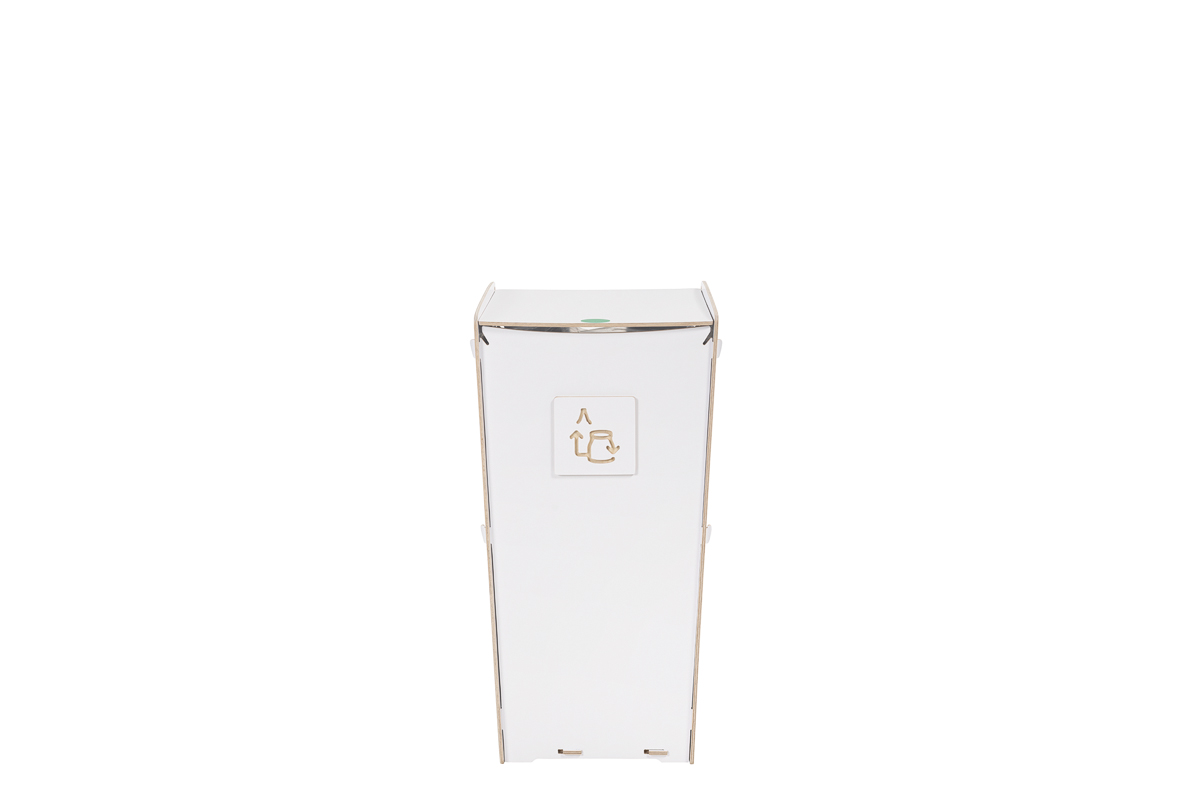
Waste Bin Sorta 1 × 90 l white
1 type of waste 1 x 90 l223,20 € (incl. 24% VAT)180 € (excl. VAT)
Tracking Key Metrics and Auditing Waste Haulers
Maintaining a high-performing waste program requires active data tracking and hauler accountability. Facility managers should monitor three primary performance indicators monthly:
- Overall Diversion Rate: Total weight recycled and composted divided by total weight discarded.
- Normalized Waste Generation: Total kilograms of waste generated per 1,000 museum visitors.
- Contamination Rate: The percentage of non-target items found in designated recycling streams. Educate staff and visitors using clear guides on what goes in each recycling bin to keep contamination below target thresholds.
To verify that your diverted materials are processed correctly, periodically request raw load receipts and weight tickets from your waste management contractor. Auditing hauler logbooks ensures your institution’s sustainability reporting reflects actual operational results.
Elevate Your Museum’s Sustainability Profile
Transforming waste management in cultural institutions demands a balanced approach: rigorous material planning in exhibition design, clear sorting options for visitors, and durable infrastructure that aligns with gallery aesthetics. By implementing dedicated multi-stream sorting systems and tracking key operational metrics, facility managers can eliminate landfill waste while preserving an exceptional visitor experience.
Explore our full collection of award-winning recycling bins to discover how Nordic design can streamline waste management across your institution’s public and back-of-house spaces.