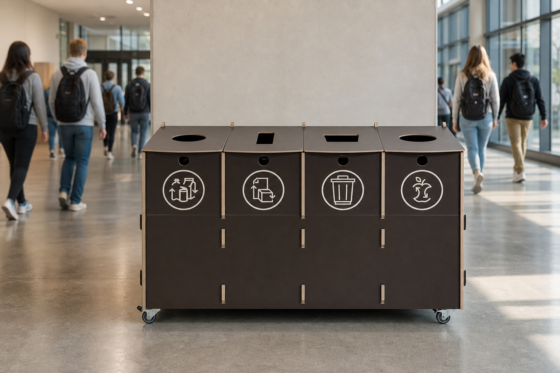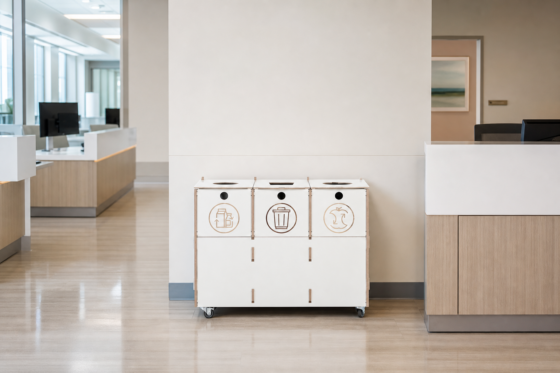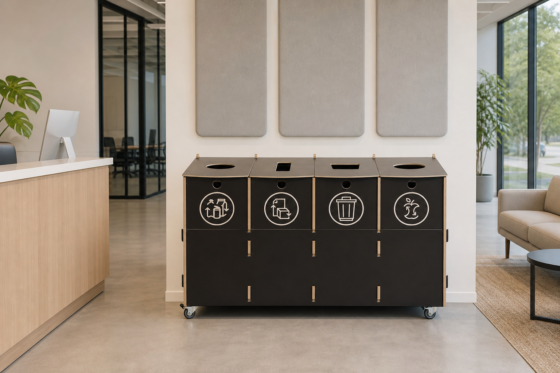

Did you know a single misplaced pizza box can cause an entire batch of office recycling to be rejected? For facility managers across Europe, navigating the “rainbow” of recycling bin colors is more than an aesthetic choice – it’s a critical regulatory necessity for your organization.
The Foundation of European Waste Sorting
Most workplace recycling rules across the continent stem from the EU Waste Framework Directive (2008/98/EC) and its subsequent amendments. This legislation mandates the separate collection of paper, metal, plastic, glass, and bio-waste at the source wherever technically feasible. As of 2025, these requirements have expanded to include mandatory textile collection, placing further pressure on organizations to implement sophisticated sorting stations.
The regulatory landscape is shifting toward even greater harmonization. The upcoming Packaging and Packaging Waste Regulation (PPWR 2025/40), which enters into force in August 2026, aims to standardize recycling symbols across the Union. Until these changes are fully implemented, you must navigate a patchwork of regional color codes to ensure workplace recycling regulations are met and to consult the latest recycling legislation in Europe for your specific market.
Regional Color-Coding Systems Across Europe
While the EN 14092 standard provides a technical baseline for waste sorting, the actual colors of recycling bins vary significantly between countries. Aligning your facility with local expectations is the most effective way to encourage employee participation and reduce sorting errors.
The Nordic Standardized System
Denmark, Norway, Sweden, Finland, and Iceland have pioneered a common system of waste sorting symbols supported by the Nordic Council of Ministers. This system uses standardized pictograms and fraction-specific colors to create a unified visual language across borders.
- Blue: Typically assigned to glass packaging or paper/cardboard, depending on the specific municipality.
- Green: Often designated for garden waste or organic matter.
- Red: Universally reserved for hazardous waste to signal caution.
- Orange: In specific regions such as Vilnius, Lithuania, orange is used for food waste to ensure it is visually identified during mechanical-biological treatment.
Germany and Central Europe
Germany utilizes a highly disciplined color system that has served as a blueprint for many neighboring markets. This system is designed to handle high volumes of secondary packaging efficiently.
- Yellow (or Yellow Bags): Dedicated to lightweight packaging materials, including plastic containers, aluminum foil, tin cans, and Tetra Paks.
- Blue: Reserved strictly for paper, newspapers, and cardboard.
- Brown or Green: Used for bio-waste and organic matter.
- Black or Grey: Designated for residual, non-recyclable waste that cannot be diverted.
Spain and the Mediterranean
In Spain, the color coding is strictly categorized into five main streams to help residents and businesses manage waste in a climate that prioritizes quick organic disposal.
- Blue: For paper and cardboard products like cereal boxes and envelopes.
- Green: Dedicated solely to glass bottles and jars.
- Yellow: Used for plastic and metal packaging.
- Brown: For organic waste, including food scraps and coffee grounds.
- Grey: For residual waste such as diapers, ceramics, and hygienic wipes.
The United Kingdom
UK bin colors are not yet fully standardized on a national level, which can lead to local variations. However, facility managers will generally encounter several common patterns across most councils.
- Blue: Generally used for the collection of paper and card.
- Brown: Typically reserved for food and garden waste.
- Green or Red: Often utilized for mixed recyclables, including glass and plastic bottles.
- Black or Grey: The standard for general non-recyclable waste.
-
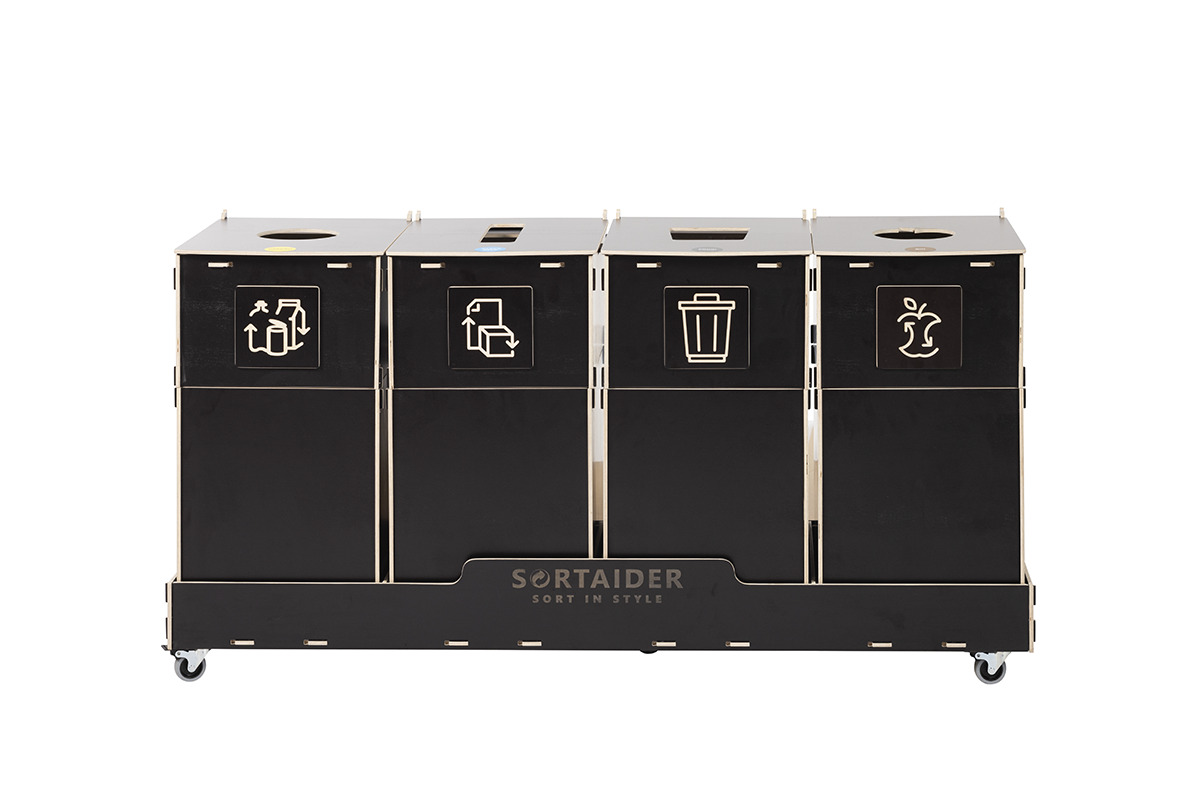
Recycling Bin Sorter 4 × 60 l brown
4 types of waste 4 x 60 l1 500,40 € (incl. 24% VAT)1 210 € (excl. VAT) -
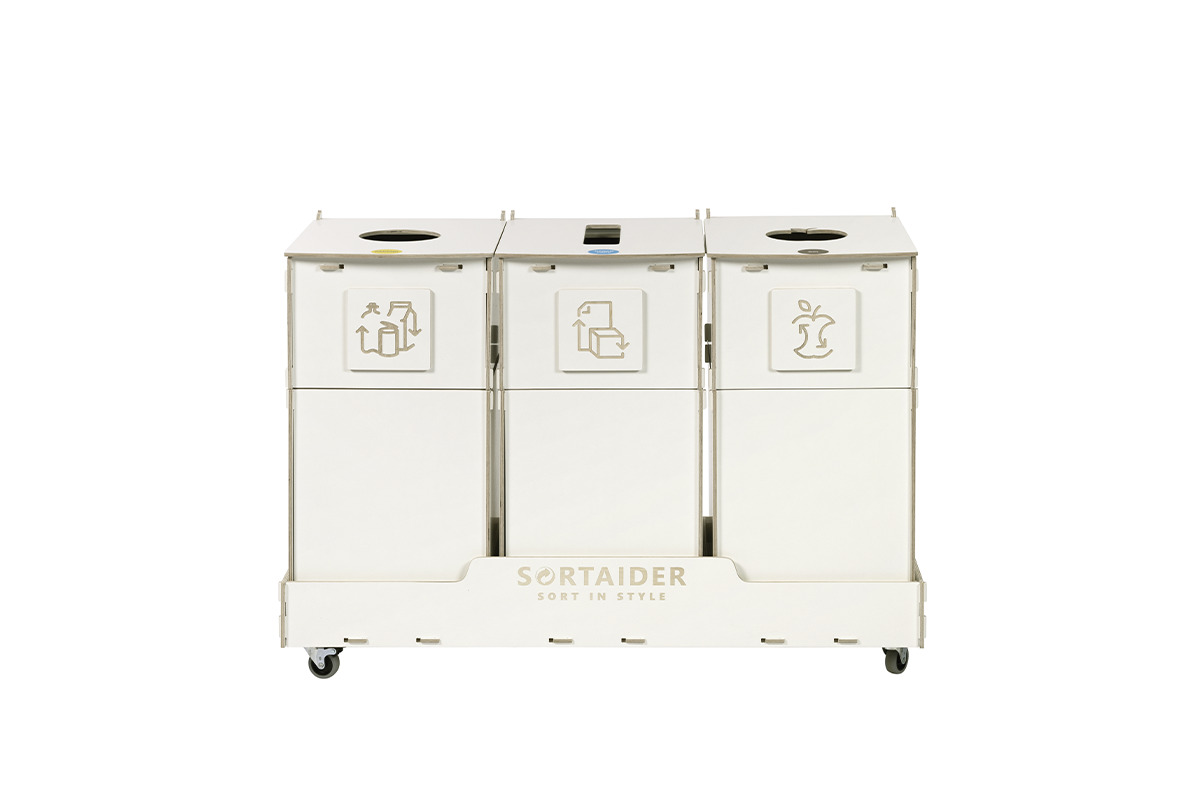
Recycling Bin Sorter 3 × 60 l white
3 types of waste 3 x 60 l1 140,80 € (incl. 24% VAT)920 € (excl. VAT) -
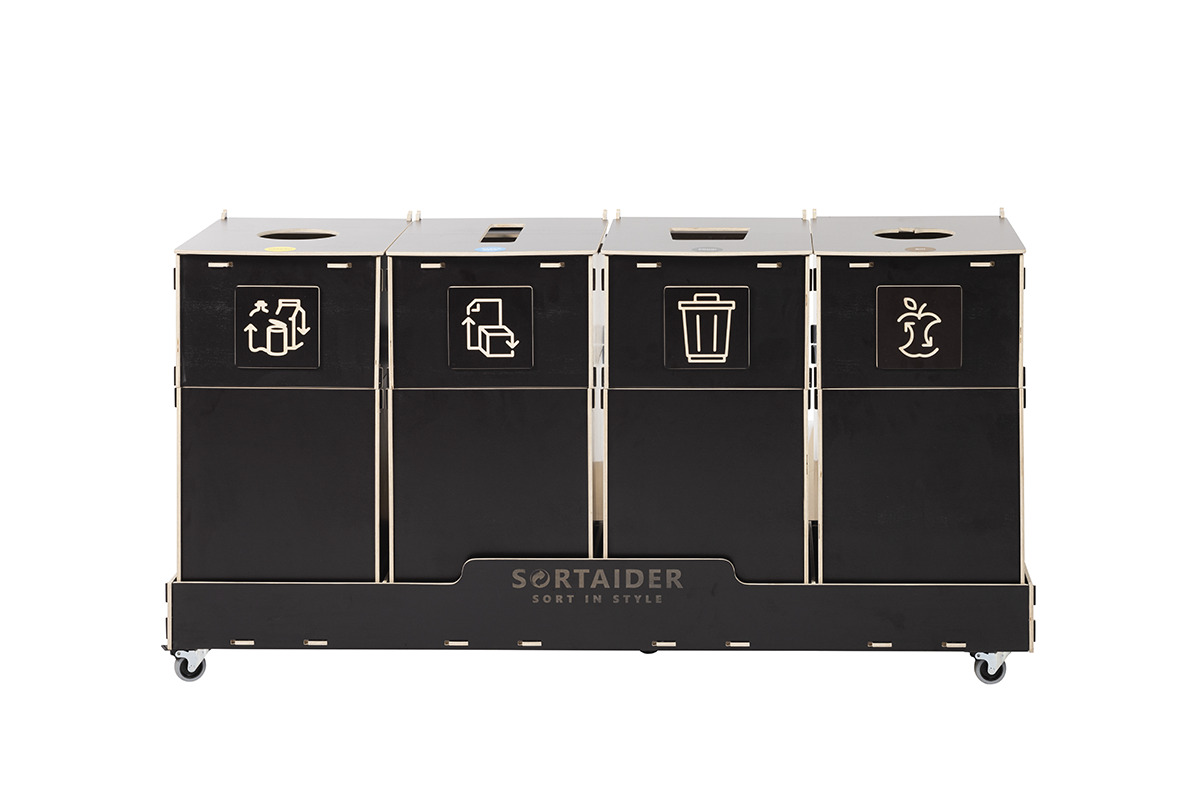
Recycling Bin Sorter 4 × 90 l brown
4 types of waste 4 x 90 l1 810,40 € (incl. 24% VAT)1 460 € (excl. VAT)
Why Visual Consistency Matters
Effective recycling signage best practices indicate that switching from text-heavy labels to clear visual icons and consistent colors can reduce sorting errors by up to 40%. In multilingual European workplaces, color-coding serves as a universal language that bridges communication gaps between employees from different backgrounds.
When a user identifies a specific color or lid shape, they develop “muscle memory” that speeds up the sorting process. This is essential for addressing common recycling contamination causes. For example, understanding what goes in each recycling bin is vital for the “Pizza Box Rule”: while the clean cardboard lid is recyclable, any greasy sections must be diverted to residual or bio-waste bins to avoid ruining an entire batch of clean paper.
Strategic Placement for Facility Managers
Proximity is the single most significant driver of recycling success in a professional environment. Research suggests that how to set up recycling at work effectively requires moving away from individual deskside bins and toward centralized recycling hubs.

Centralized stations, such as the recycling bin sorter or recycling bin container series, prompt employees to make a conscious choice about their waste.
- Kitchenettes and Canteens: These areas should focus on high-contamination streams like bio-waste, plastics, and metals.
- Printer Rooms: These should be optimized for high-volume paper and cardboard collection.
- Main Hallways: Centralized hubs in high-traffic zones should provide 3 to 5 separate fractions to cover all mandatory waste streams.
-
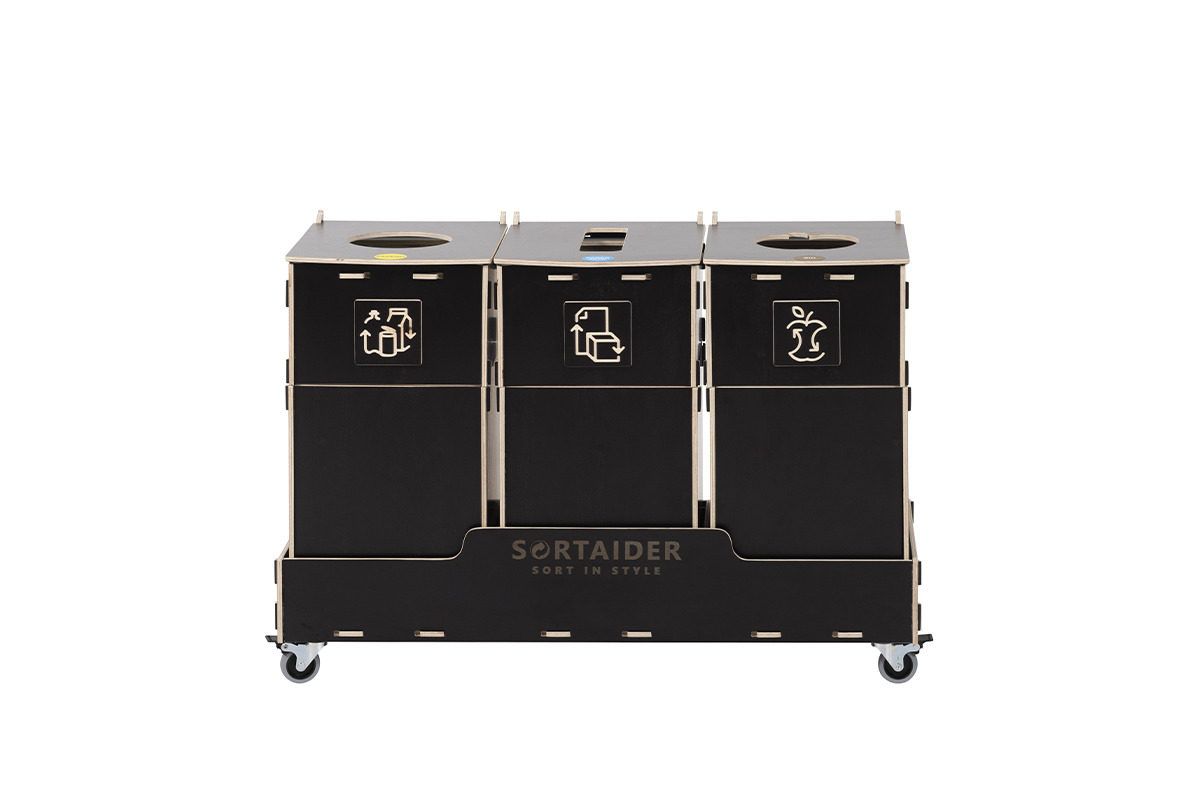
Recycling Bin Sorter 3 × 30 l brown
3 types of waste 3 x 30 l731,60 € (incl. 24% VAT)590 € (excl. VAT) -
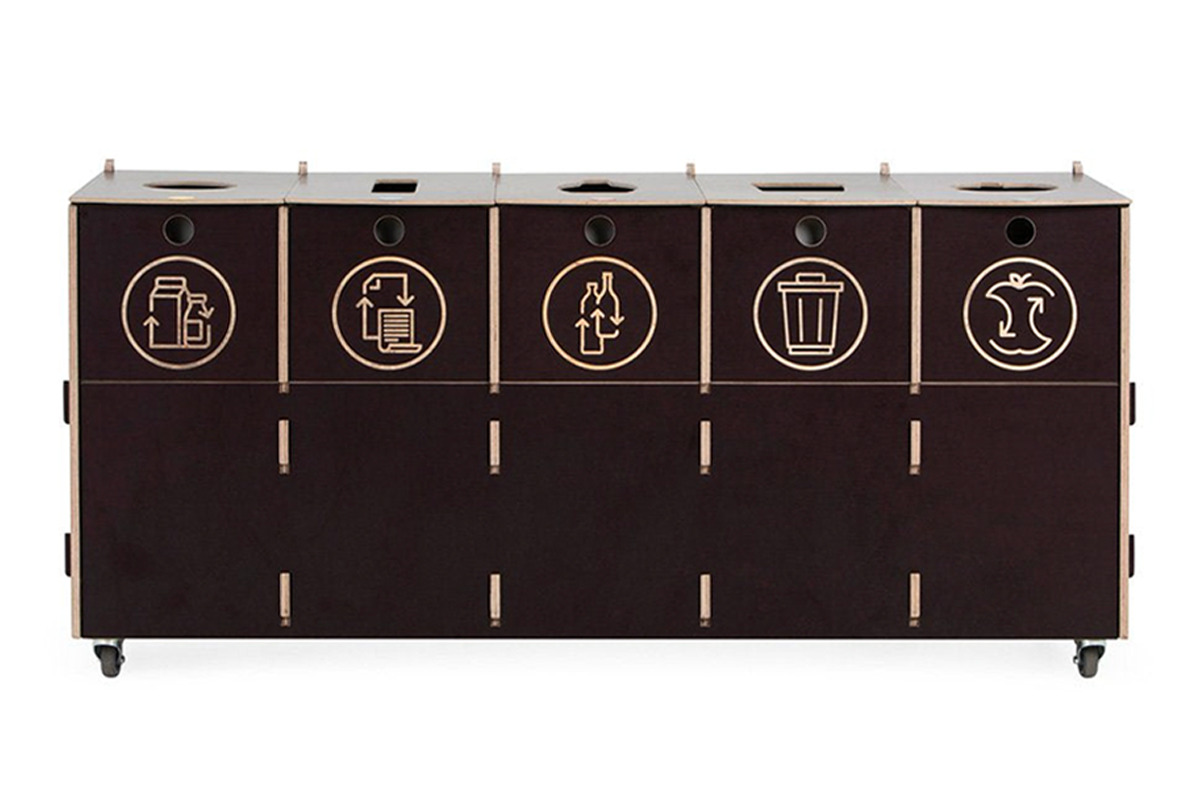
Recycling Bin Container 5 × 40 l brown
5 types of waste 5 x 40 l1 798 € (incl. 24% VAT)1 450 € (excl. VAT) -
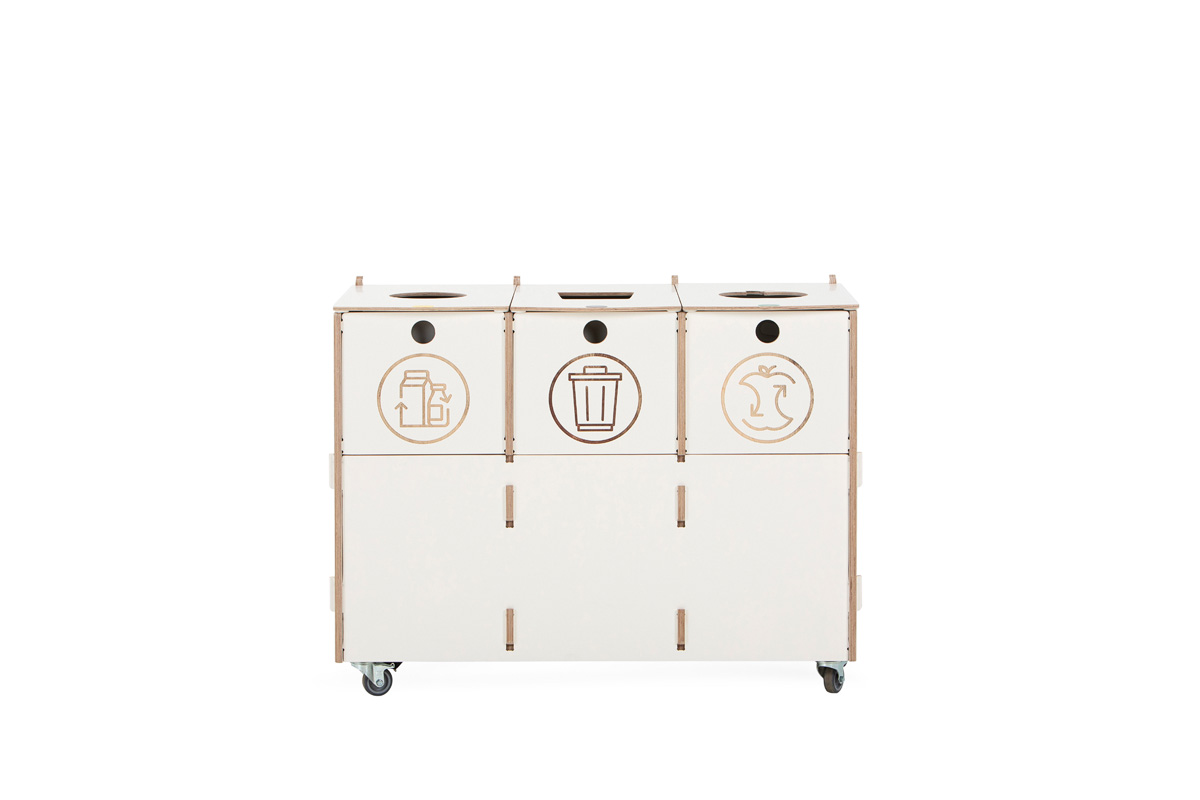
Recycling Bin Container 3 × 40 l white
3 types of waste 3 x 40 l1 215,20 € (incl. 24% VAT)980 € (excl. VAT)
Ensuring Compliance and Reducing Costs
Managing waste at the source is a financial strategy as much as an environmental one. Under the “polluter pays” principle mentioned in packaging waste regulations for businesses, organizations are increasingly liable for the quality of their waste streams.
Most Material Recovery Facilities (MRFs) will reject a load if the contamination threshold exceeds 3–5% by weight. By implementing modular systems like the recycling bin sorta series, which utilizes clear pictograms and color-coded lids, you can significantly improve recycling rates in the workplace and avoid the steep financial penalties associated with rejected loads.

-
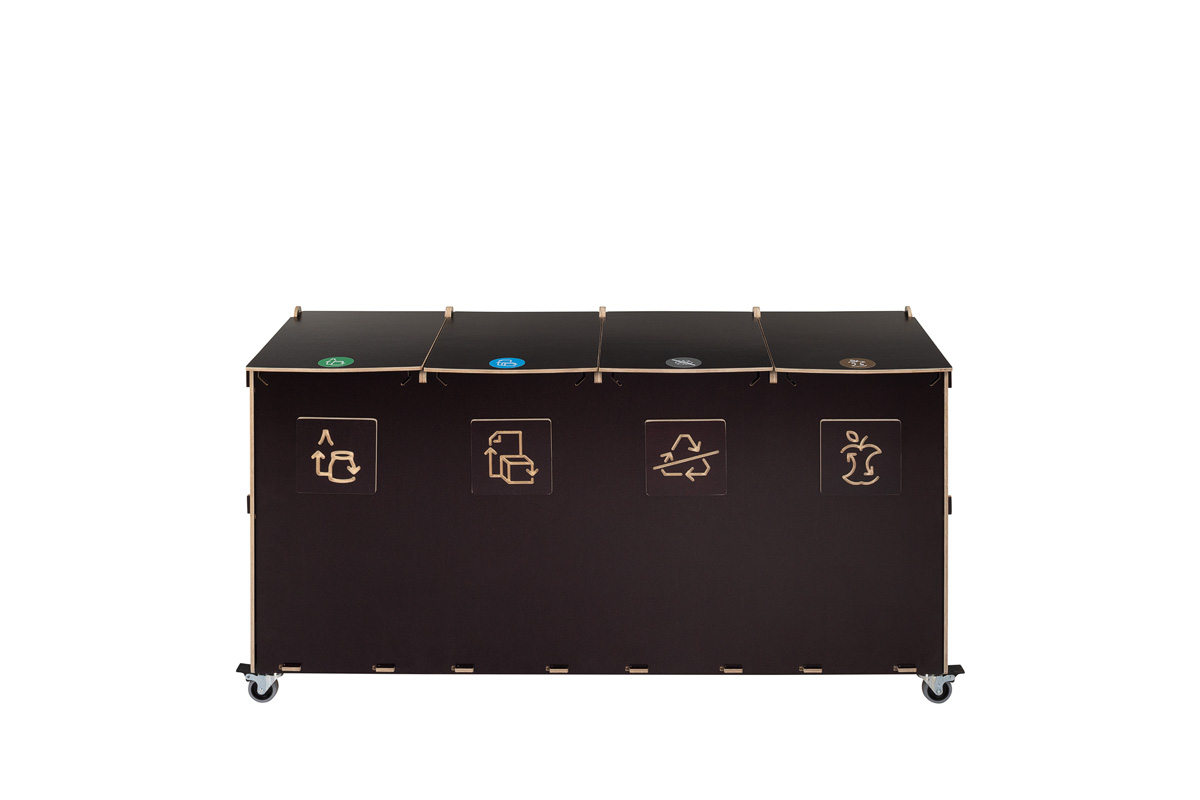
Recycling Bin Sorta 4 × 40 l brown
4 types of waste 4 x 40 l830,80 € (incl. 24% VAT)670 € (excl. VAT) -
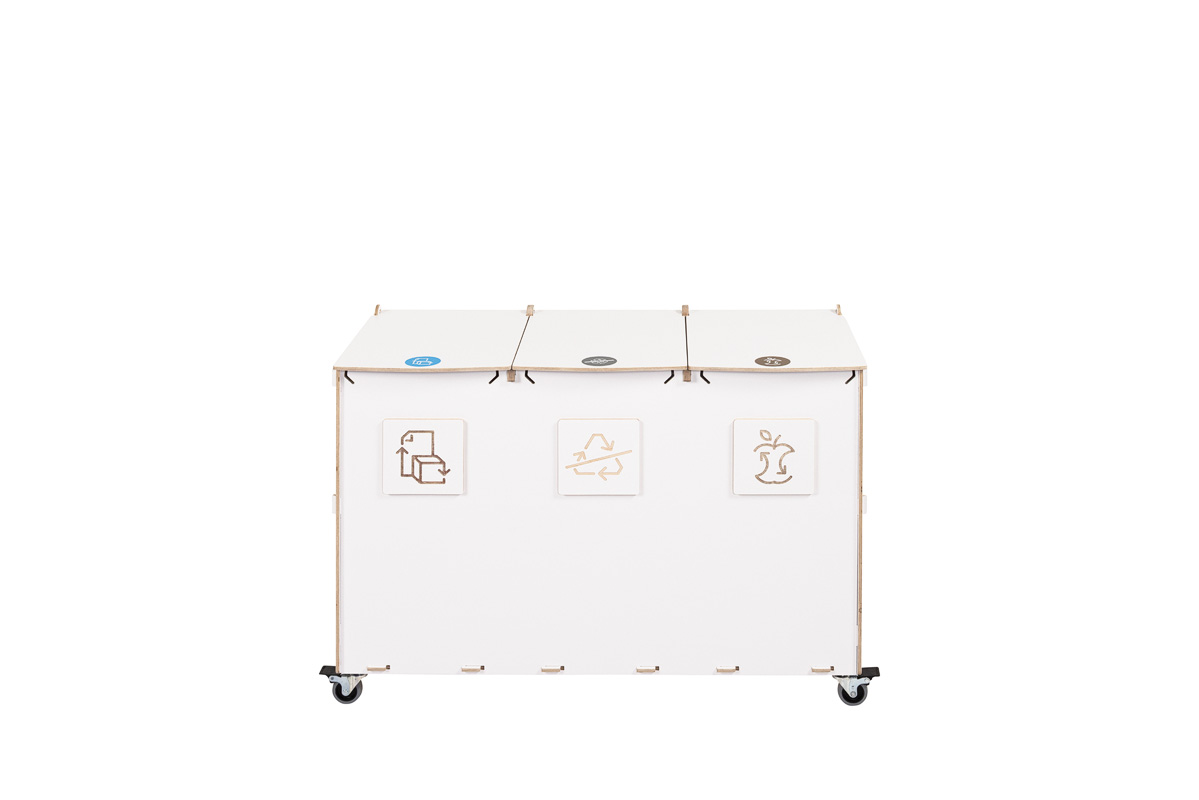
Recycling Bin Sorta 3 × 40 l white
3 types of waste 3 x 40 l657,20 € (incl. 24% VAT)530 € (excl. VAT) -
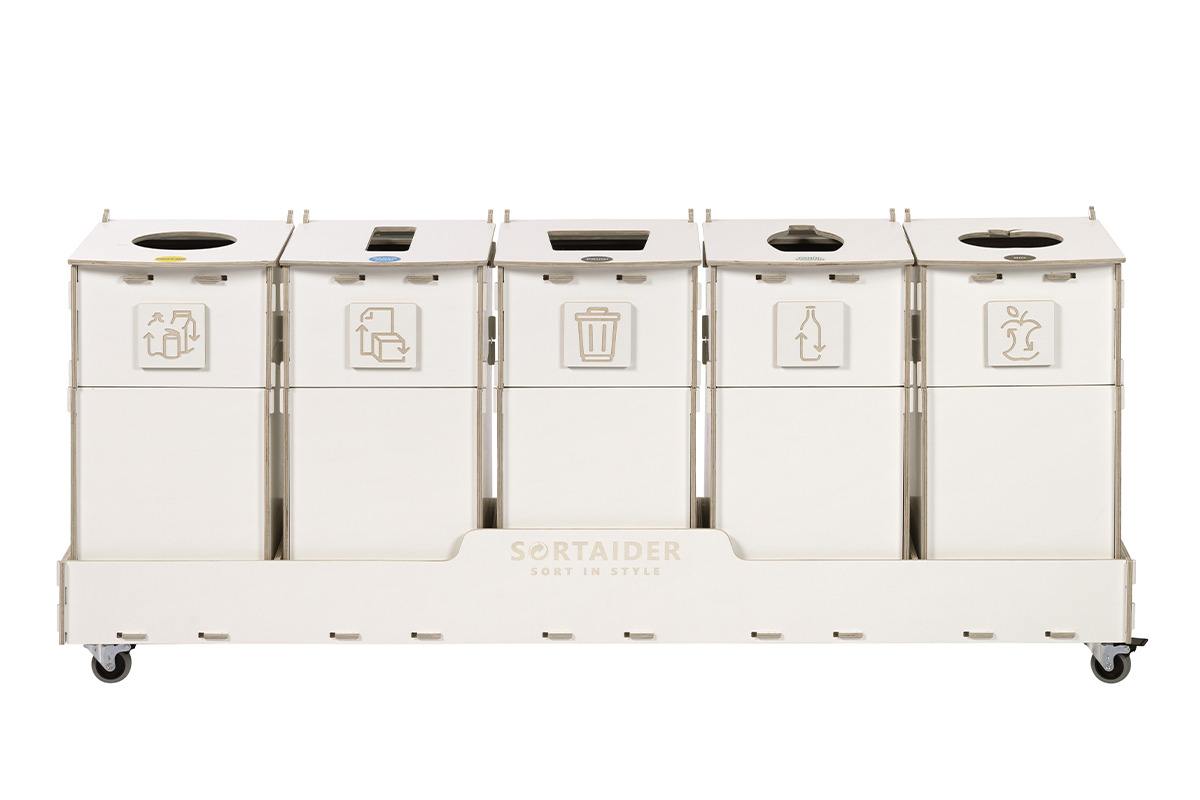
Recycling Bin Sorter 5 × 30 l white
5 types of waste 5 x 30 l1 165,60 € (incl. 24% VAT)940 € (excl. VAT)
Maintaining consistency across your facility is the most effective way to align your daily operations with broader sustainability goals. Whether your organization operates in the Baltics, the Nordics, or Central Europe, choosing infrastructure that reflects recognized color codes ensures you stay compliant with evolving EU legislation while fostering a professional, eco-conscious culture. Explore our full range of modular recycling bins to find the ideal configuration for your facility’s requirements.