Did you know recycling contamination costs facility operators and waste processors over $300 million annually? Sorting waste incorrectly causes rejected loads, worker safety hazards, and severe non-compliance penalties. Here is how to structure your workplace waste streams to keep your facility compliant and efficient.
The Operational Risk of Waste Contamination
Contamination occurs whenever non-recyclable items enter dedicated recycling streams, or when recyclable materials are polluted by organic residue, liquids, or hazardous materials. Facilities face immediate operational disruptions when material sorting fails:
- Financial Penalties and Rejection Fees: Materials recovery facilities (MRFs) maintain strict contamination thresholds. If a load exceeds a 3% to 5% contamination rate by weight, the entire batch is rejected and redirected to a landfill, incurring elevated disposal fees and hauling penalties.
- Equipment Damage and Downtime: Loose plastic bags, strapping wire, and textiles wrap around processing equipment gears and machinery, causing system jams and costly emergency maintenance shutdowns.
- Safety Hazards: Discarded electronics and loose lithium-ion batteries present severe fire risks inside collection trucks and sorting facilities. Furthermore, unbagged hazardous liquids or medical sharps expose sanitation teams to biohazards and chemical injuries.
- Audit Failures: Businesses working toward ISO 14001 environmental management certification or reporting under mandatory corporate sustainability frameworks face audit failures if source separation protocols are not enforced.
Understanding workplace recycling regulations is the first step toward mitigating these operational risks.
How to Categorize and Sort Workplace Waste Streams
Achieving high diversion rates requires establishing clear, non-overlapping streams throughout your premises. Knowing what goes in each recycling bin prevents common sorting mistakes before they occur.
Paper and Cardboard
Paper and dry fiber represent a significant volume of daily office waste.
- Accepted: Clean white paper, corrugated cardboard packaging, envelopes, magazines, and newspapers.
- Contaminants: Used paper towels, greasy food containers, and laminated paper.
- Sorting Rule: Food grease destroys paper fibers during repulping. Enforce a strict policy excluding greasy takeaway packaging – such as pizza boxes – from paper streams. Cardboard containers must be flattened to save storage volume.
Plastics and Metals
Plastic packaging and beverage containers require strict preparation to avoid corrupting entire batches.
- Accepted: PET beverage bottles, HDPE plastic containers, clean aluminum cans, and steel packaging.
- Contaminants: Black plastics (which often bypass automated optical sorters at recycling plants), expanded polystyrene, soft plastic film, and flexible wrappers.
- Sorting Rule: Items must be completely empty, dry, and free of excess liquids or residue. Never place recyclable items inside tied plastic trash bags before throwing them into recycling bins, as bagged recyclables are frequently discarded unopened by sorting facilities to prevent machinery entanglement.
Organic and Bio-Waste
Bio-waste streams are essential for commercial facilities aiming to divert organic material from landfills.
- Accepted: Raw and cooked food scraps, fruit and vegetable peels, coffee grounds, and tea bags.
- Contaminants: Conventional plastic bags, animal waste, diapers, and non-compostable packaging.
- Sorting Rule: Conventional plastic bags are the leading contaminant in bio-waste collection. Require staff to use certified compostable liners or unlined, washable internal collection containers.
Special and Hazardous Wastes
Hazardous items must never enter general waste or standard recycling bins.
- Lithium-Ion Batteries: Used lithium batteries and battery-powered devices carry ignitable and reactive hazardous characteristics. Tape the battery terminals or seal each battery in an individual plastic pouch, then route them to designated hazardous waste collection units.
- E-Waste: Laptops, monitors, and circuit boards contain heavy metals governed by state and national electronics recycling statutes. Store them in secure, dry indoor holding areas prior to collection by certified electronics recyclers.
- Universal Waste Lamps: Fluorescent tubes and mercury-containing bulbs are regulated universal wastes. Store spent lamps in closed, leak-proof structural containers designed to prevent breakage, and maintain broken lamps in sealed glass or metal bins in low-traffic areas.
- Medical Sharps: Places of work generating contaminated needles or medical equipment must supply puncture-resistant, leak-proof, red-coded containers immediately at the point of use in compliance with safety standards.
Designing an Intuitive Workplace Sorting Setup
Employee behavior dictates the success of your waste separation program. Designing intuitive sorting stations eliminates cognitive friction and minimizes accidental contamination.
Co-Locate Every Waste Stream
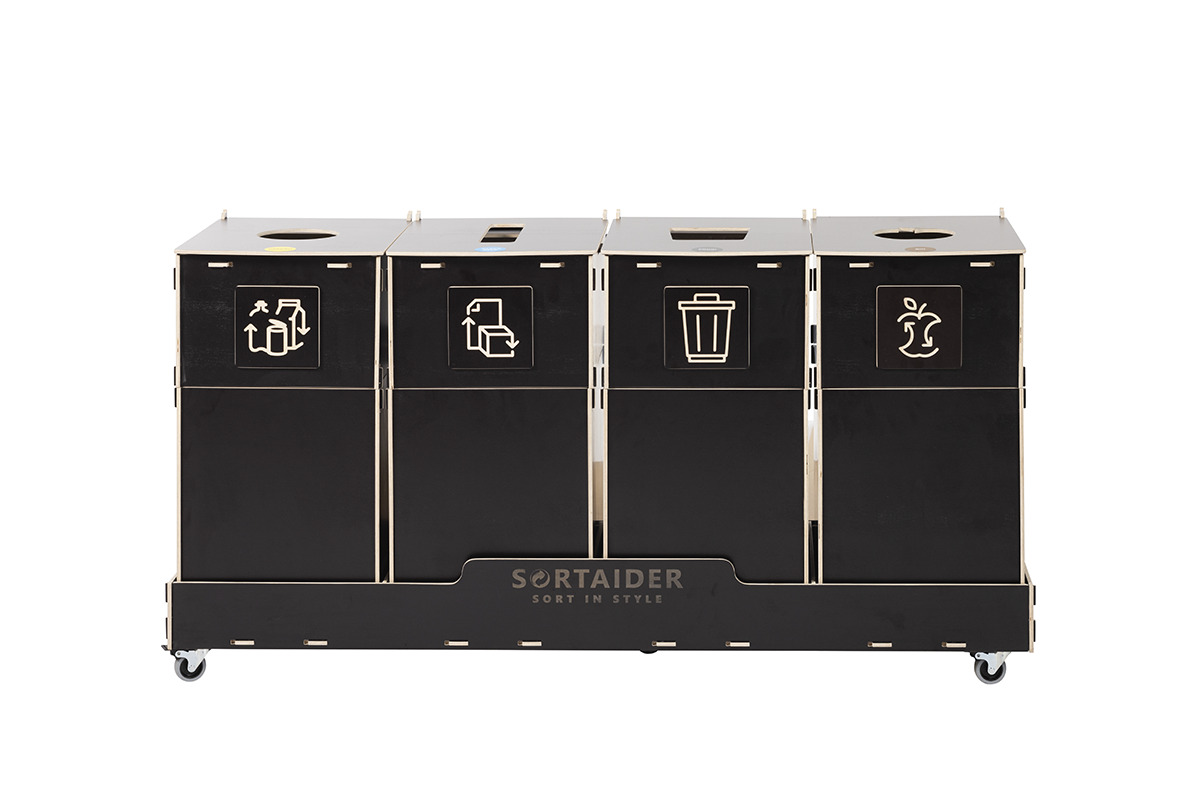
Single, standalone general trash cans are the leading cause of recyclable material contamination. Apply the 1:1 ratio rule: every general waste container must be co-located directly alongside dedicated recycling compartments. When users are given a simultaneous choice between general waste and clean recyclables, correct sorting rates improve drastically.
Standardize Visual Signage and Color Systems
Relying on text-heavy labels leads to mistakes, particularly in high-traffic or multilingual working environments.
- Implement visual pictograms displaying both accepted and prohibited (“YES” and “NO”) items directly on or above bin openings at eye level.
- Match your bin lid colors to standard regional schemes – such as blue for paper or green/brown for bio-waste – in line with our recycling bin color coding guide.
- Position primary signage within direct visual range of the user upon approach.
Strategic Placement Strategy
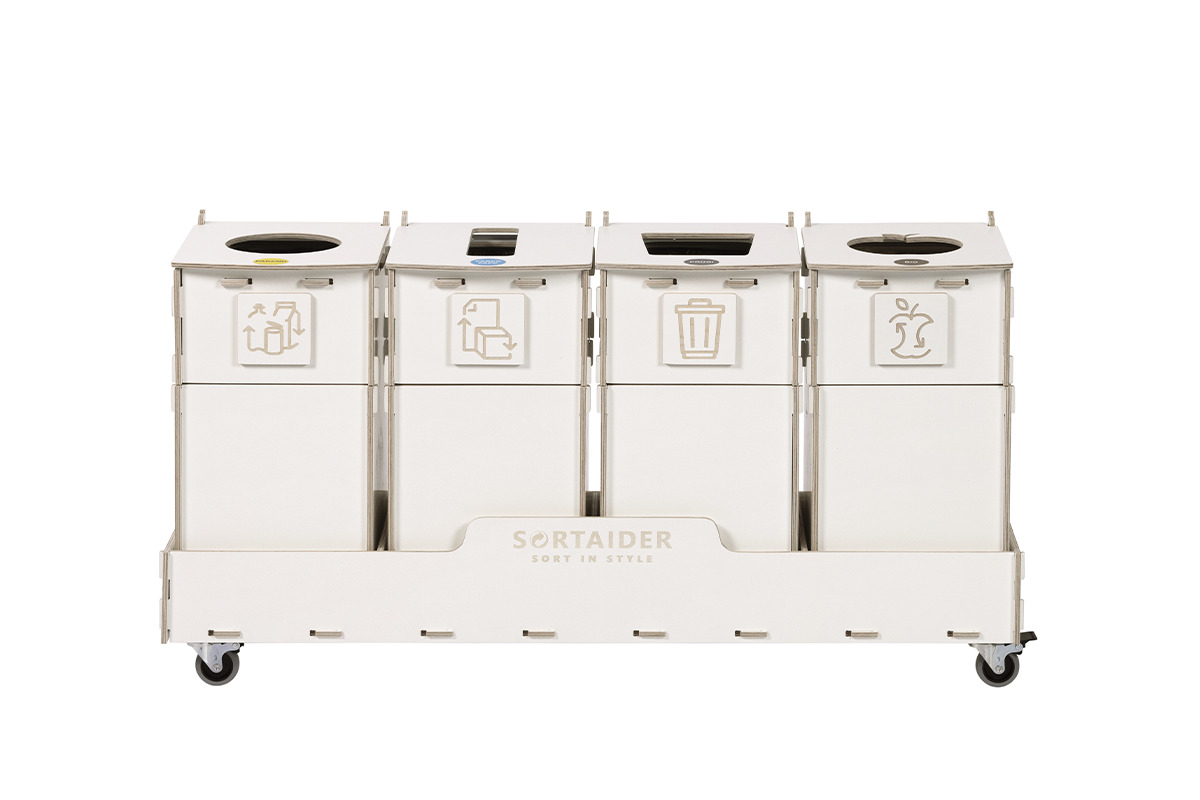
To optimize diversion rates, position centralized multi-compartment stations in key generation zones as detailed in our recycling bin placement guide:
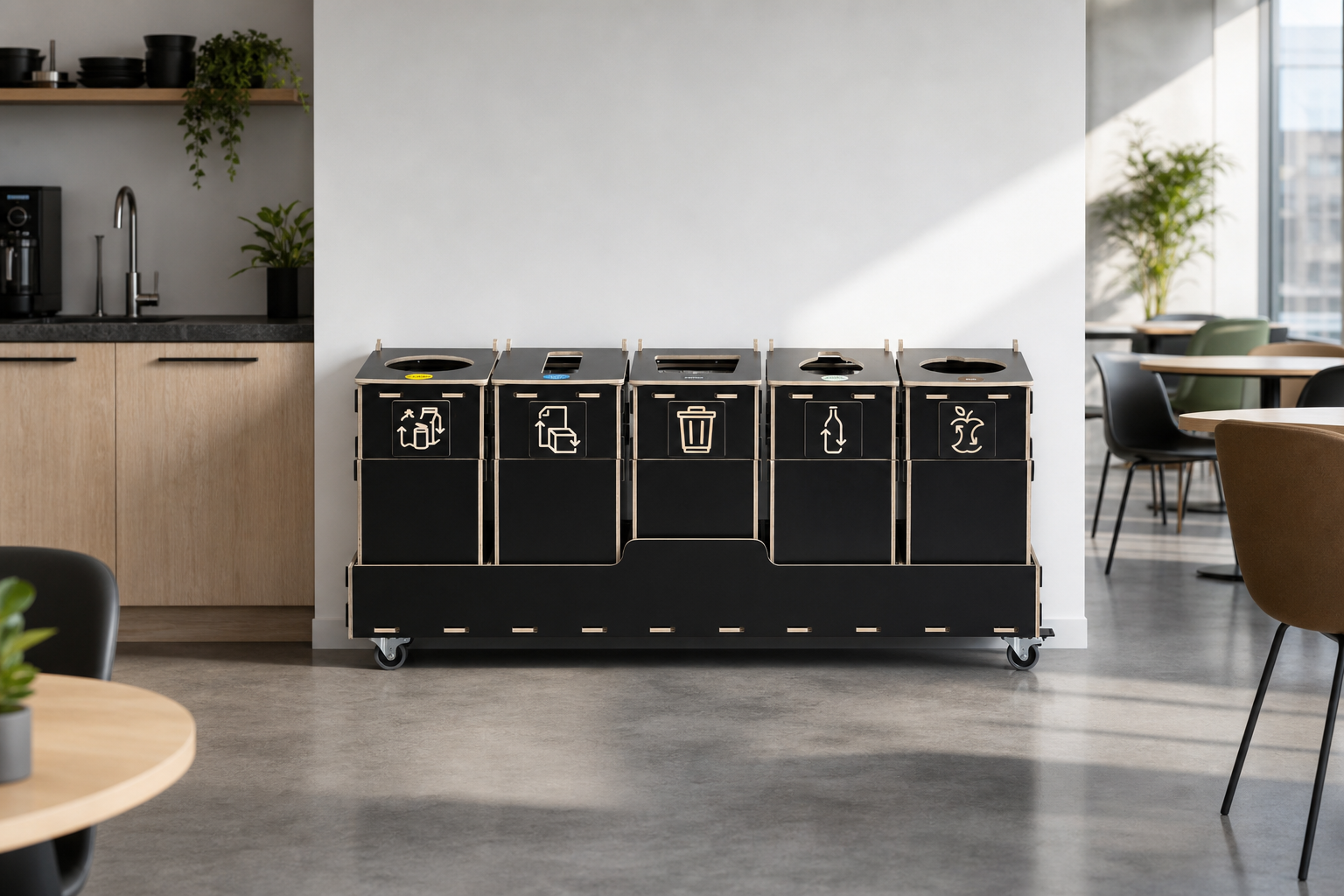
- Kitchens and Break Rooms: High bio-waste and organic container volume; install dedicated bio-waste, plastic/metal, and general waste streams.
- Print and Mail Rooms: High paper and cardboard volume; locate large-capacity paper collection hubs directly adjacent to printing hardware.
- High-Traffic Corridors and Entrances: Multi-stream stations designed for on-the-go waste such as PET bottles and paper cups.
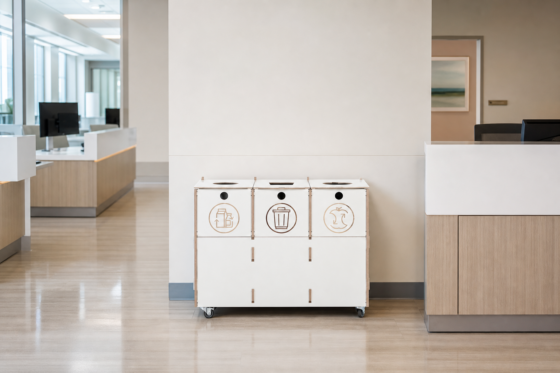
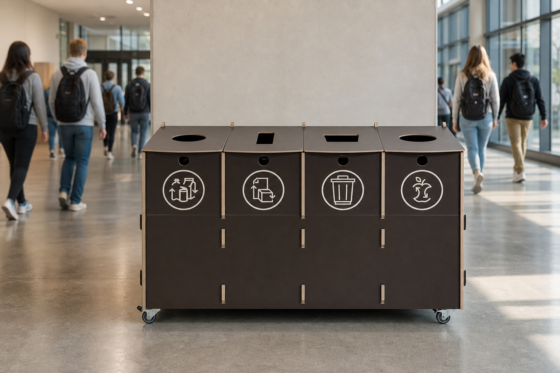
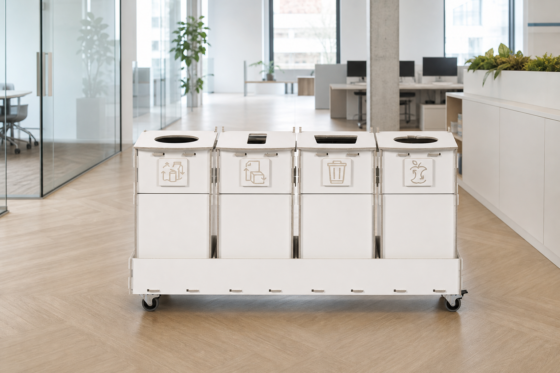
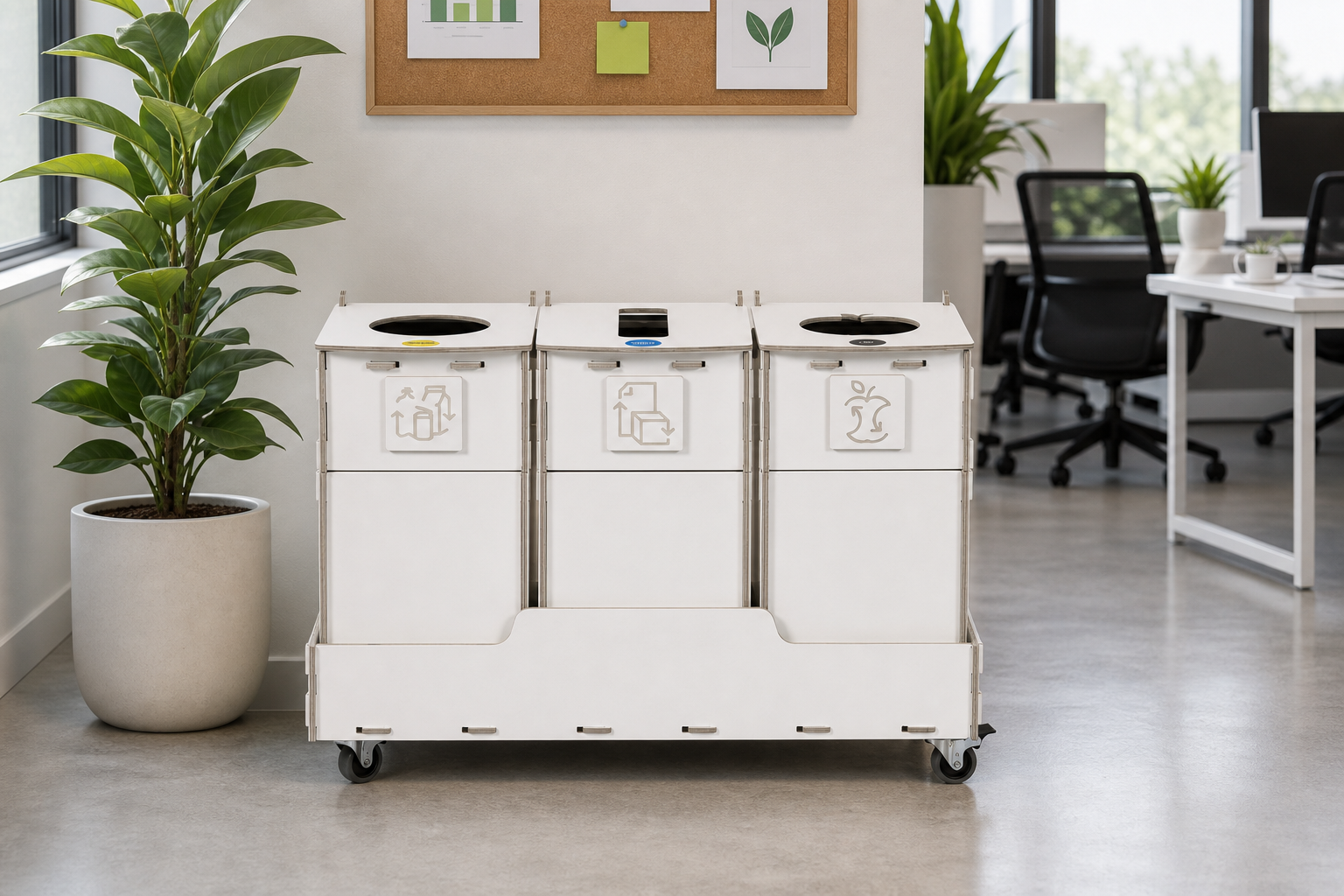
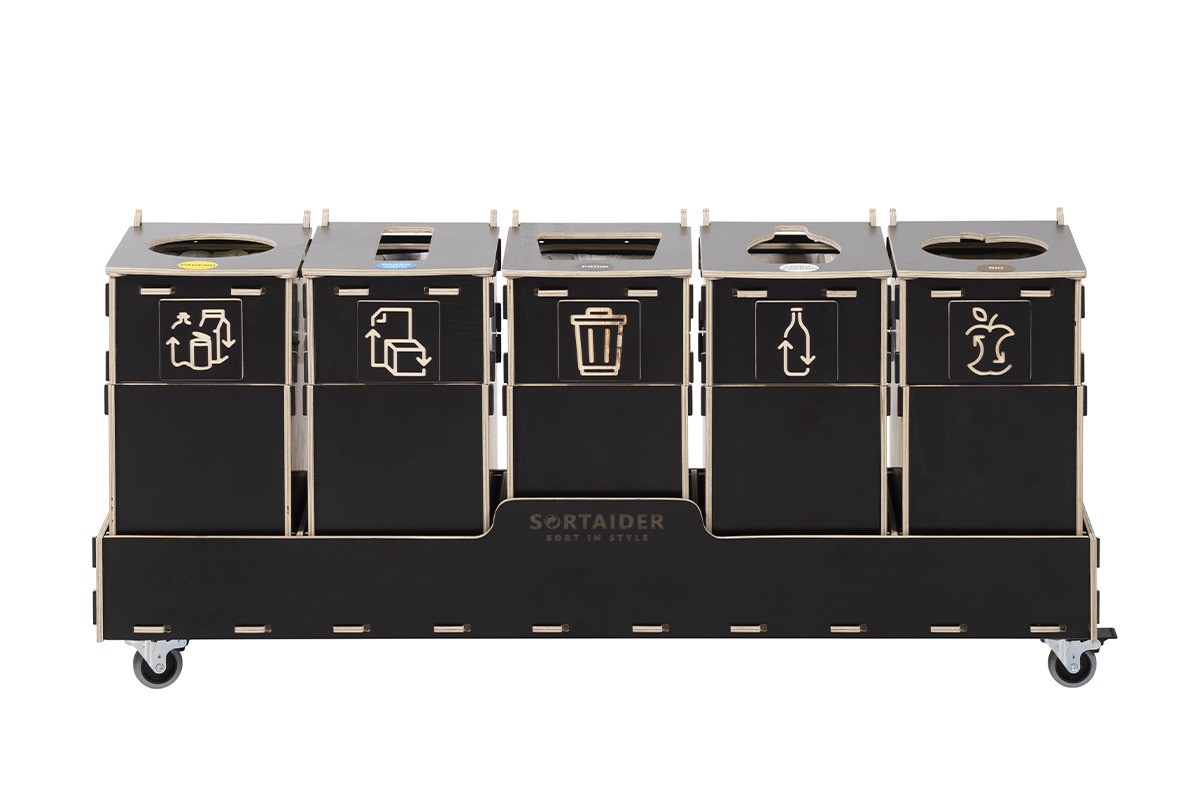
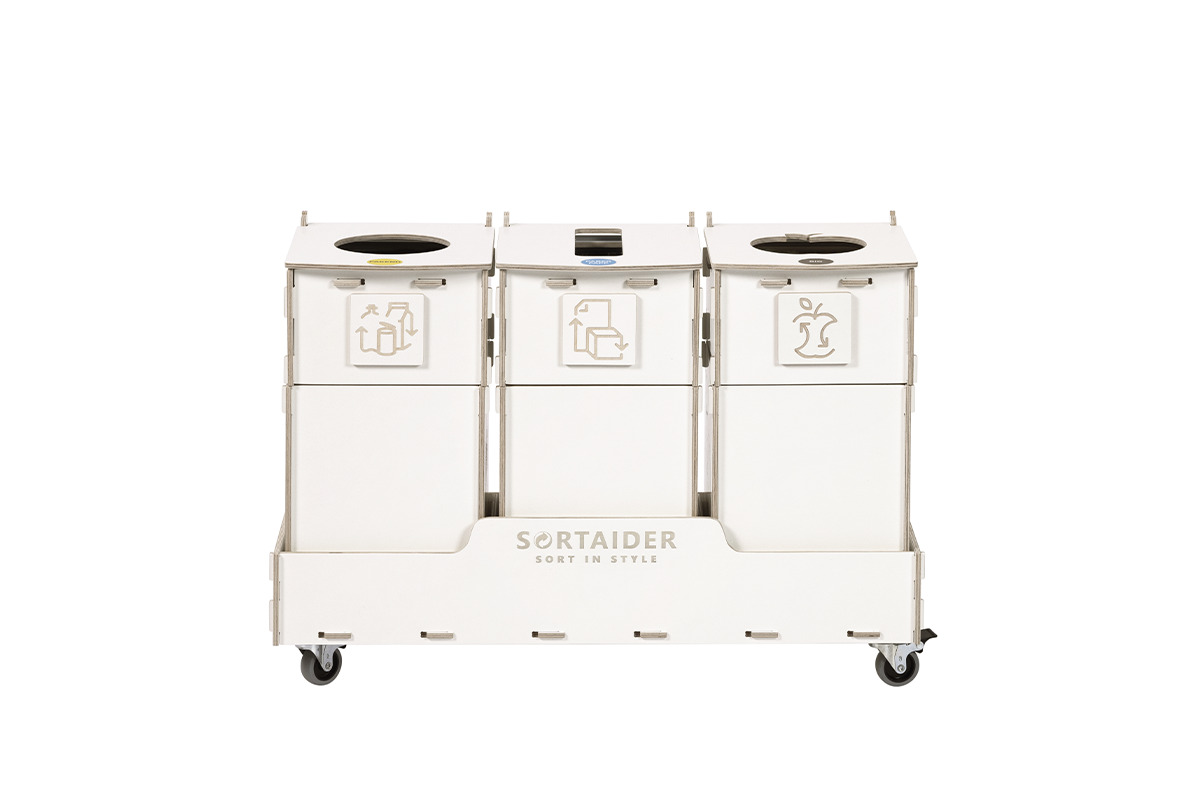
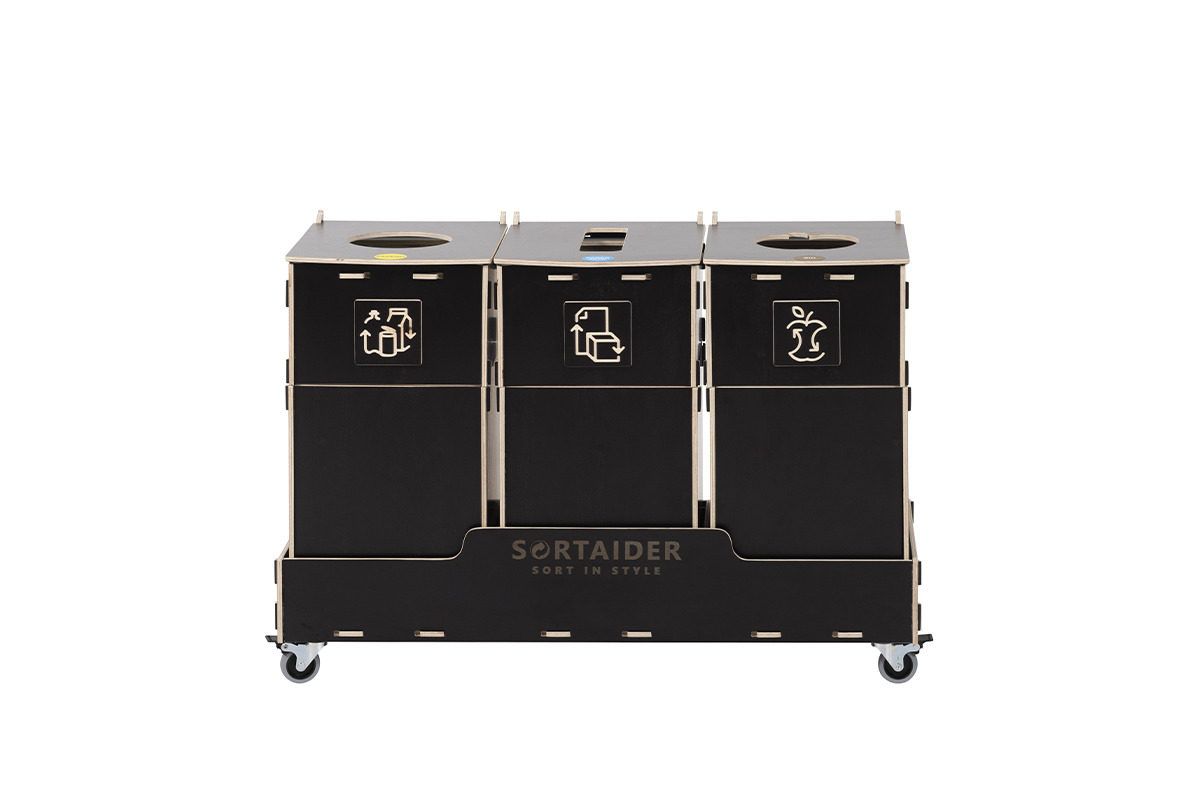
For high-performing office spaces, selecting durable multi-compartment recycling bins helps maintain a clean visual aesthetic while ensuring compliance.
Operations, Audits, and Legal Compliance
Implementing physical bins is only one part of managing workplace waste; maintaining low contamination rates requires operational oversight and alignment with evolving laws.
Conducting Routine Waste Audits
A structured workplace waste audit helps pinpoint specific problem areas across departments. Conduct audits over a 1-to-7-day period using scales, protective equipment, and separate holding areas:
- Gather waste bags separated by operational zone, such as kitchens or open-plan offices.
- Weigh each bag and sort the contents into correct categories versus misplaced contaminants.
- Calculate contamination rates per stream and identify localized issues, such as disposable coffee cups in print rooms.
- Adjust signage, container sizes, or stream placement based on audit metrics.
Maintenance and Sanitation Protocols
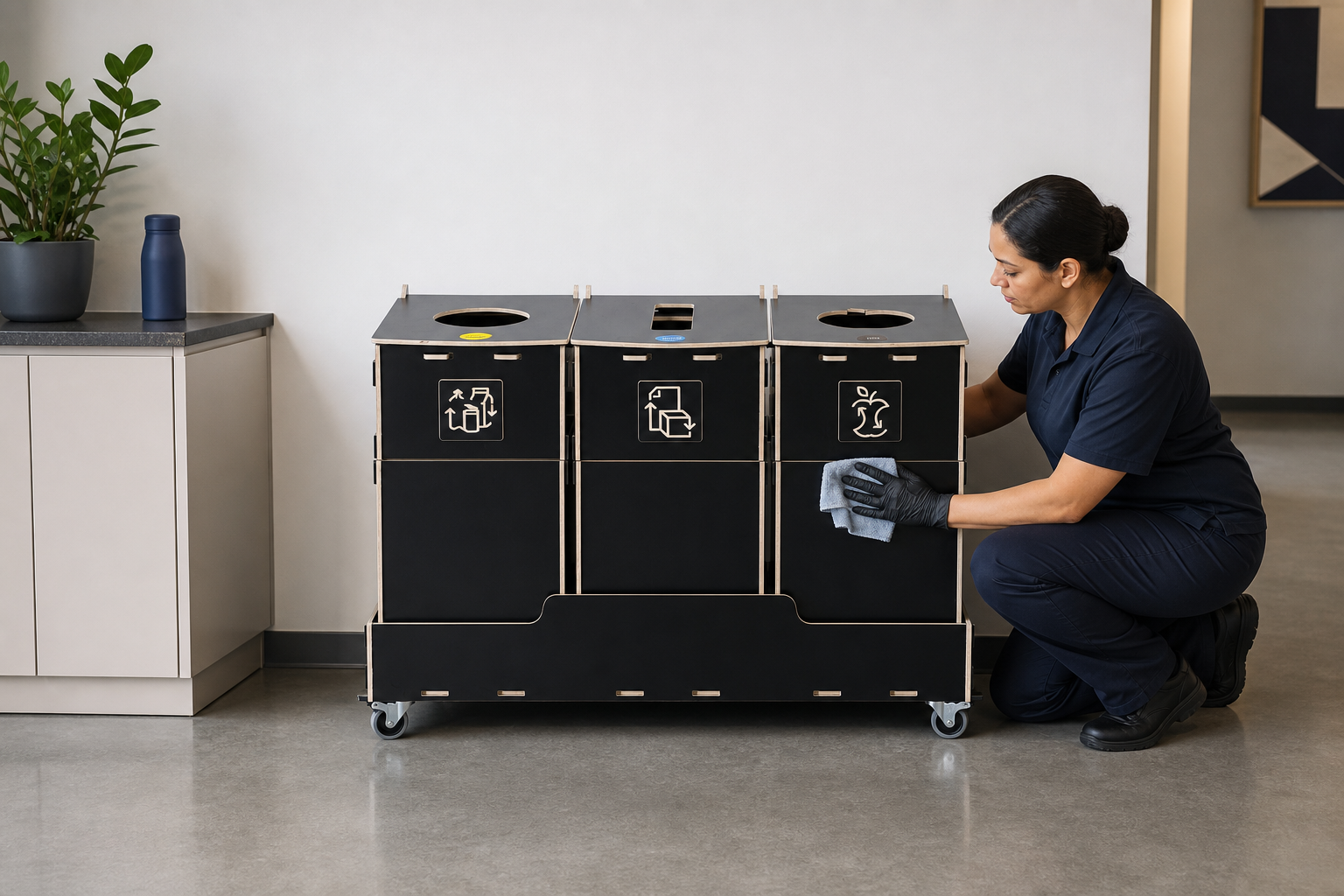
Dirty or odorous recycling containers encourage employee misuse and pest infestation. Ensure janitorial staff complete routine washing using mild detergents, followed by full drying cycles before relining bins. Review our guide on cleaning and sanitising recycling bins to establish proper maintenance schedules.
Navigating European Legislative Requirements
Waste management requirements across Europe are continually tightening under national law and EU directives:
- EU Waste Framework Directive: Mandates the separate source collection of paper, metal, plastic, glass, and bio-waste across commercial entities.
- Packaging and Packaging Waste Regulation (PPWR): Enforces higher targets for packaging recyclability and waste reduction in commercial spaces.
- Regional Differences: Nordic countries enforce strict commercial waste tracking. For example, Sweden mandates bio-waste separation for all businesses, while Denmark requires digital tracking logs for commercial waste transports exceeding specific thresholds. Baltic states like Estonia mandate separate bio-waste collection if a site generates over 10 kg per day.
Facility managers must continuously review local municipal ordinances alongside national frameworks to remain fully compliant. Explore the latest updates in recycling legislation in Europe to stay ahead of upcoming regulatory changes.
Streamlining Your Facility’s Waste Strategy
Achieving high waste diversion rates and avoiding expensive contamination fees requires structured execution: clearly defined material streams, co-located bins, direct visual signage, and regular facility audits. When waste systems are clear and intuitive, compliance becomes effortless for occupants and maintenance staff alike.
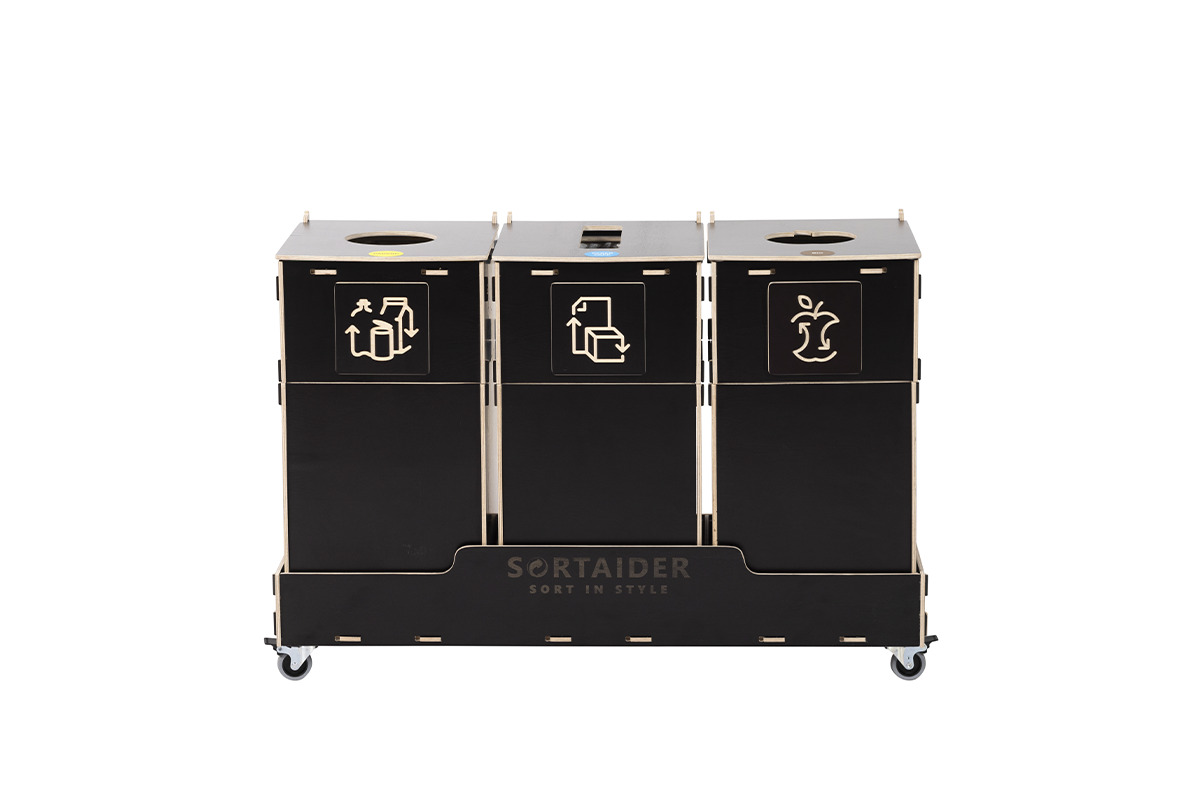
Audit your current waste floor plan to locate standalone trash cans, evaluate stream contamination, and upgrade your facility with modular recycling bins sorter or heavy-duty indoor and outdoor waste bins built for long-term operational performance.