Separate collection of waste: Why is it important and how to do it efficiently?
The separate collection of waste has become a natural part of our daily lives in recent years, reflecting society’s growing responsibility towards nature and resource consumption. Although sorting infrastructure is constantly evolving, the foundation for successful recycling remains our own awareness and daily habits.
Sorting does not require radical changes in lifestyle. It is rather a process where waste turns from a problem into a valuable resource. It is increasingly emphasized that clean and properly sorted packaging is the prerequisite for materials to be truly recycled instead of ending up in a landfill. It is important to remember to rinse the packaging and remove excess impurities before throwing it away.
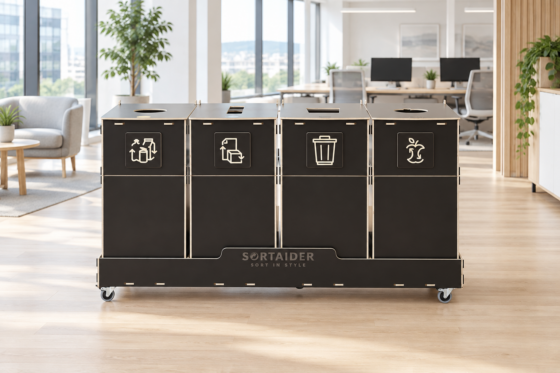
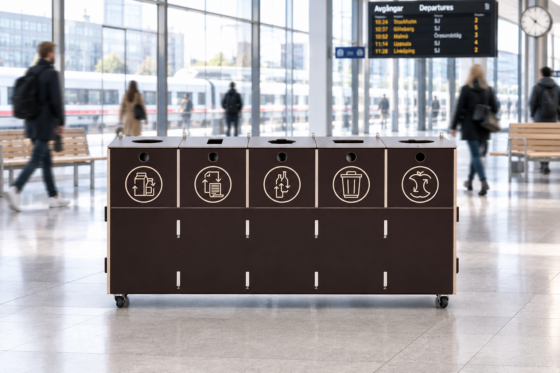
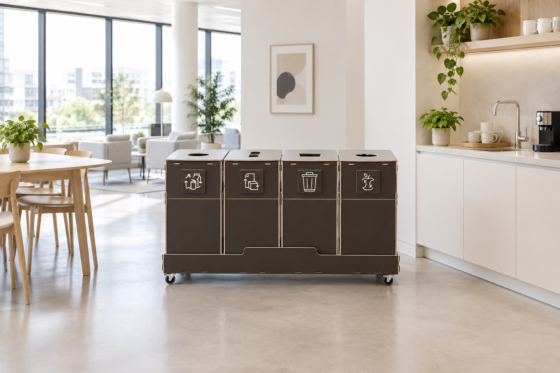
In this process, the environment where sorting takes place plays a significant role. Sortaider’s philosophy is based on the belief that sorting should be comfortable, aesthetic, and intuitive. When waste bins are easily accessible, clearly marked, and fit into the interior, sorting is no longer a burdensome duty, but a self-evident part of everyday life. Sortaider’s solutions are designed to support people in this process by providing clear visual instructions directly on the bins, which helps avoid mistakes and makes the sorting experience easier both in the office and at home.
Ultimately, the separate collection of waste is the art of small steps. Every correctly sorted bottle or piece of paper is a contribution to a more sustainable future. By forming proper habits and using the right equipment, we all contribute to creating a cleaner environment together.
Waste sorting: What and where?
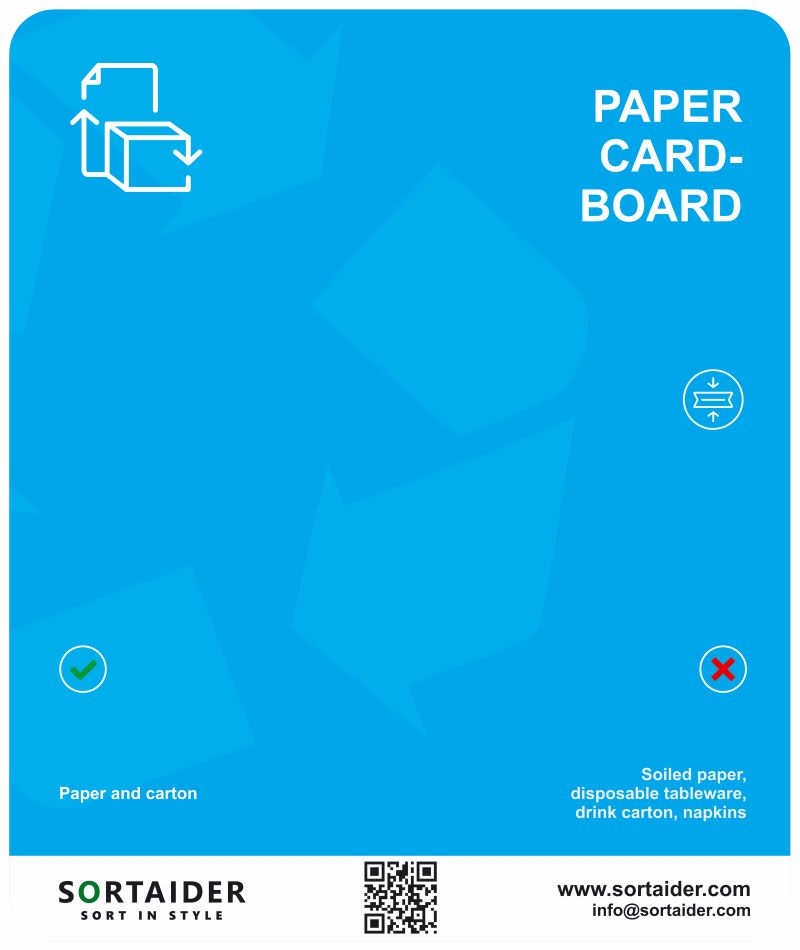
Cardboard and paper:
This waste category includes: cardboard boxes, paper bags, wrapping paper, clean food cardboard and paper packaging.
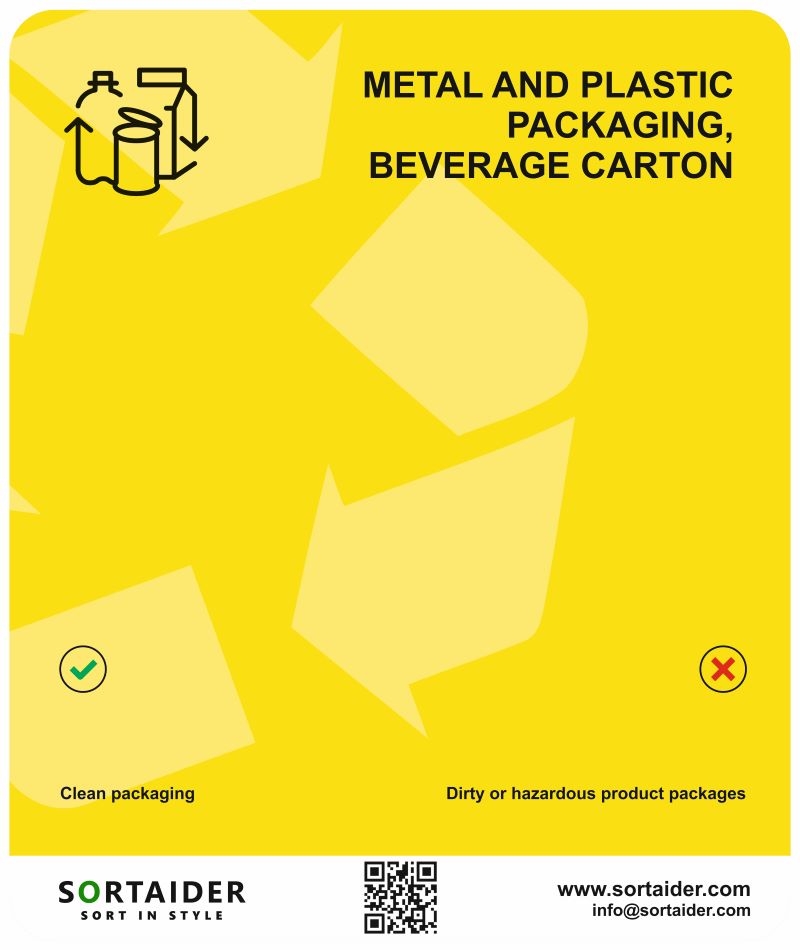
Mixed packaging:
This waste category includes: drink cartons, plastic packaging, metal packaging.
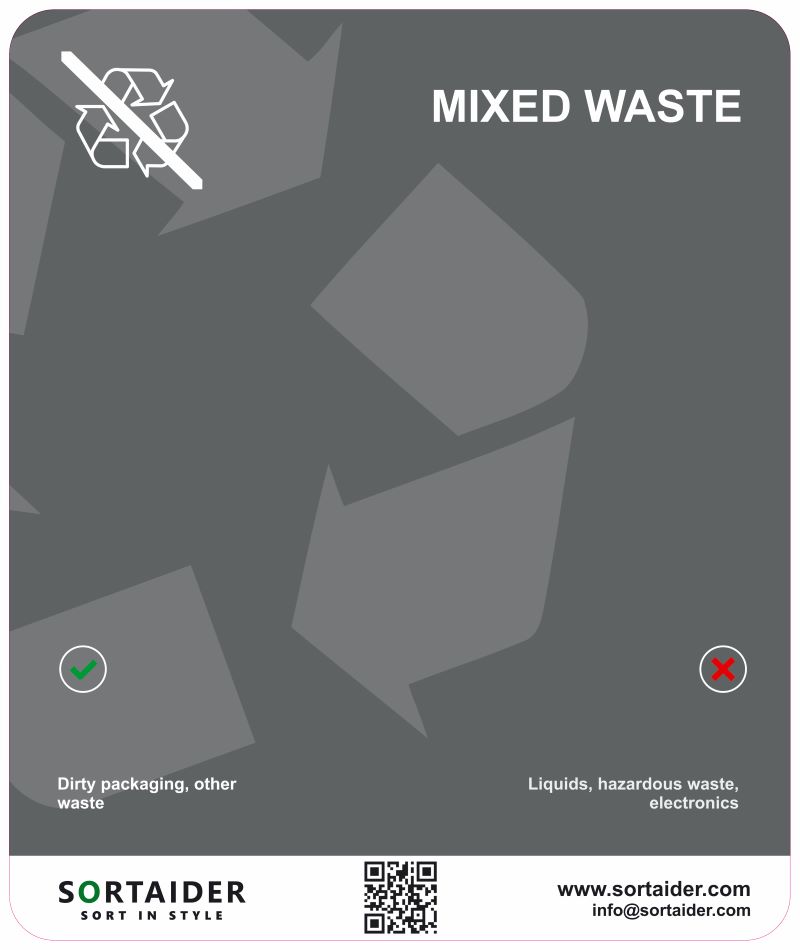
Mixed household waste:
This waste category includes: very dirty and hard-to-clean packaging, large bones from food waste, food supplements and vitamins, cosmetics, diapers, sanitary pads, tampons, packaged wipes, cat litter, cooled ash, animal droppings, CDs, empty/broken pens, paper clips, incandescent light bulbs, cigarette butts, used paper dishes, glass shards, broken dishes (cups, glasses, plates).
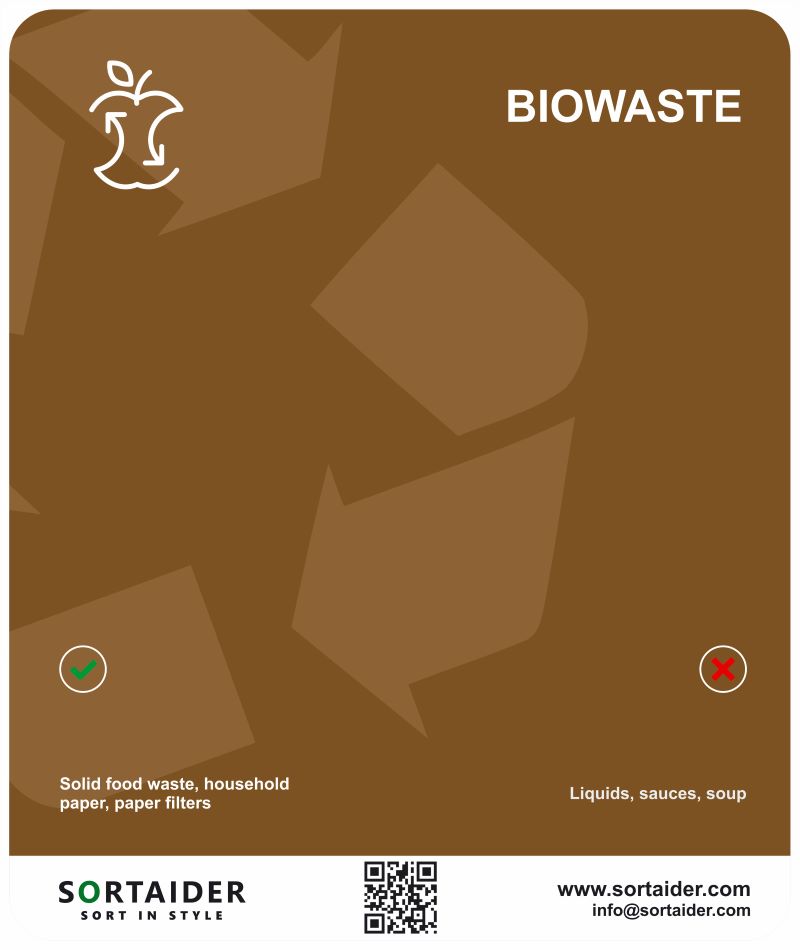
Bio-waste:
This waste category includes: spoiled food and food waste, fruit and vegetable peels and cores, nutshells, coffee grounds and filters, cut flowers, and houseplants without pots.
Tip: It is recommended to get a composter for bio-waste if possible.
Deposit containers:
This waste category includes: bottles and jars with a deposit mark.
Forming the habit of proper waste sorting requires awareness at first, but it quickly becomes a natural part of everyday life. It is important to understand that every step we take is crucial towards a greener tomorrow. By starting with simple tips and sorting correctly, we can all be part of the solution and help create a more sustainable environment.
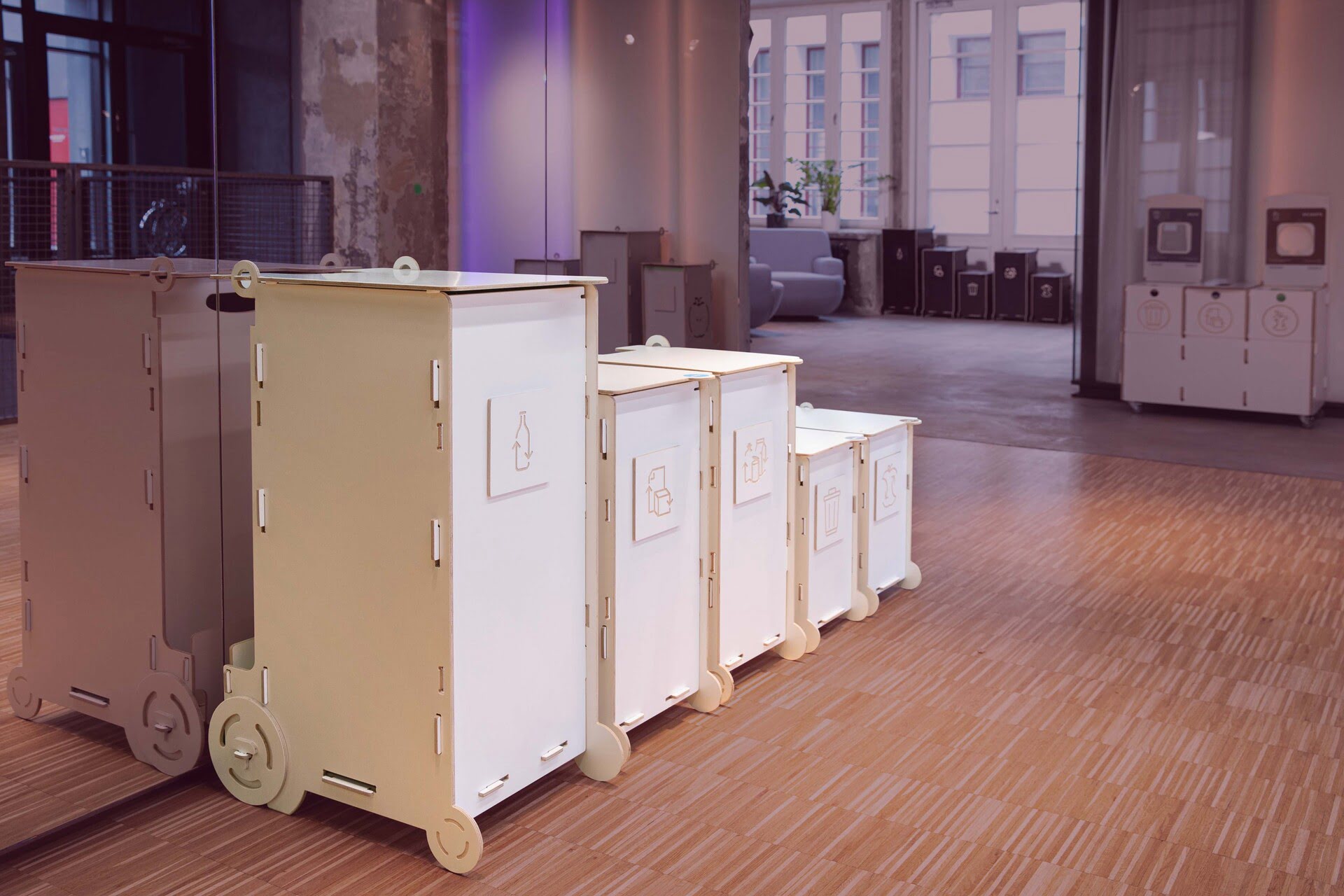
Our recycling bins Container and Sorter waste bins help you sort waste types easily and quickly. Check them out!