Study Room Recycling Bin
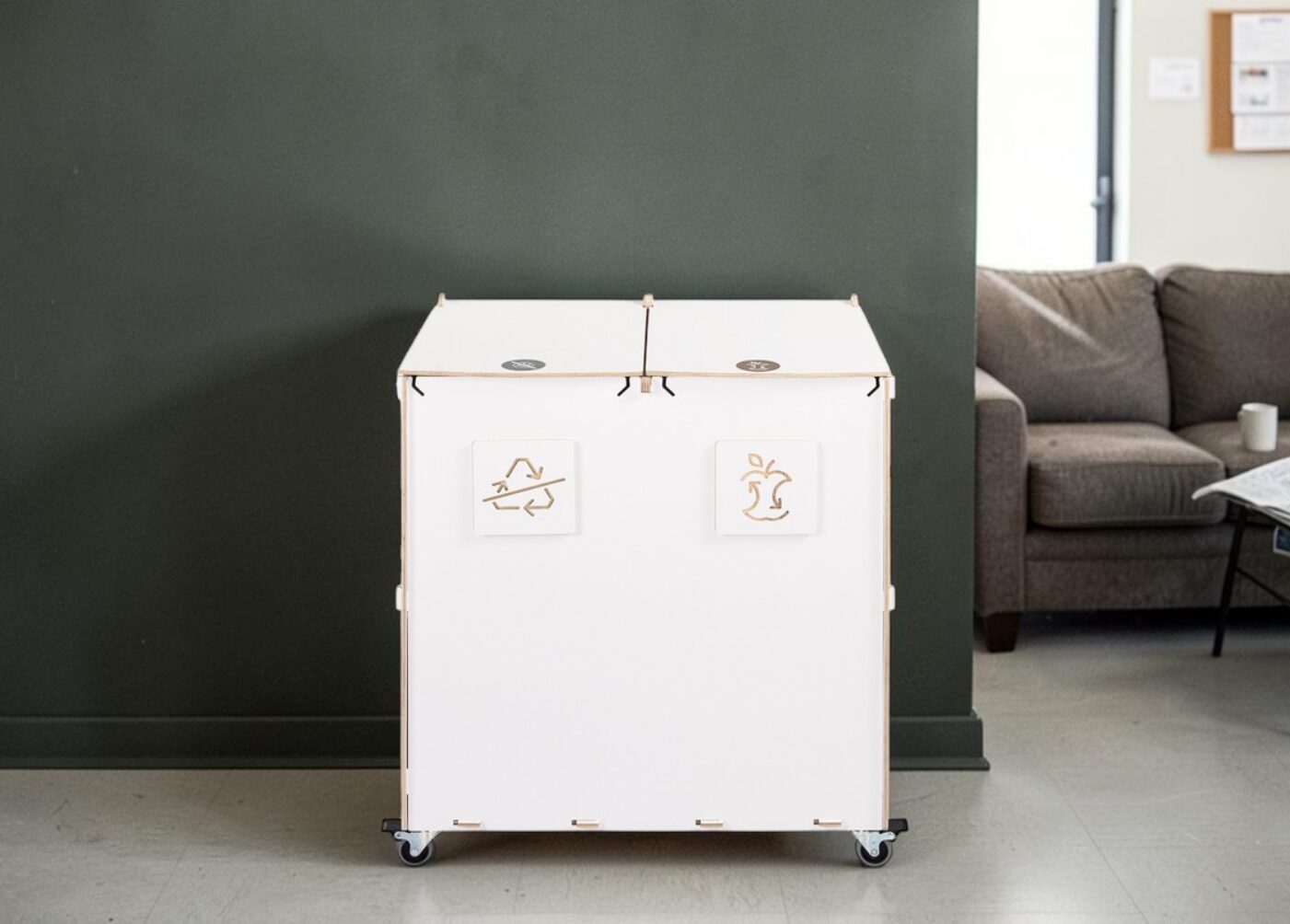

Tondi Tennisekeskus
March 2026
Study Room Recycling Bin for Waste Sorting
A study room functions as a dedicated environment for concentration, research, and individual or collaborative academic work. To support the objective of productive learning, the facility must remain organized and free from operational distractions. Waste management in these spaces—though secondary to the primary activity—is essential for maintaining the professional standards and orderliness required for academic success.
Operational Challenges
In our analysis of learning space facility management, we identified that improper waste disposal can compromise the study environment:
Persistent Accumulation: Study rooms generate a consistent stream of waste, including draft documents, printed research materials, beverage containers, and food packaging. If disposal options are poorly organized, this material quickly accumulates on work surfaces, creating visual clutter.
Operational Disturbance: Frequent servicing of inefficient bins or the necessity of corrective cleaning to manage unsegregated waste can disrupt the focus of those using the space.
Aesthetic Alignment: Study environments are designed for productivity; standard, industrial-style waste bins often clash with the professional, academic atmosphere, detracting from the facility’s overall quality.
Strategic Implementation
To optimize the study room environment, we focused on behavioral integration and aesthetic harmony:
Workflow-Integrated Positioning: Recycling stations are strategically placed at natural exit routes and within reach of collaborative zones. This allows users to sort waste as an instinctive final step of their study sessions, requiring no interruption to their workflow.
Design and Durability: The recycling solution is selected for its professional design and clean lines, ensuring it integrates into the interior architecture. It provides a durable, reliable performance that withstands intensive, daily use without losing its professional appearance.
Sorting Intuition: We emphasize clear, standardized stream identification. This minimizes user decision-time, ensures high purity in the sorted waste, and simplifies the maintenance requirements for custodial staff.
Institutional Benefits
Implementing a standardized, intuitive recycling system within study spaces provides clear operational and environmental advantages:
Maintenance Efficiency: Clear, pre-sorted waste streams reduce the frequency and intensity of cleaning required, allowing facilities teams to maintain the space more effectively without intruding on active learning hours.
Sustainability Performance: Facilitating the easy recovery of paper and packaging resources at the point of origin directly supports the institution’s waste-reduction and sustainability targets.
Institutional Standards: Professional-grade waste management infrastructure reinforces the institution’s commitment to providing a high-quality, organized, and focused environment for academic achievement.
Effective waste management infrastructure in a study room is a fundamental component of institutional operational excellence, ensuring that the facility remains optimized for productivity while maintaining the high aesthetic and functional standards of the modern academic environment.
Client: Tondi Tennisekeskus
Product video: Recycling Bin Sorta 90W2