Cafeteria Recycling Bin

Virumaa Muuseumid
May 2024
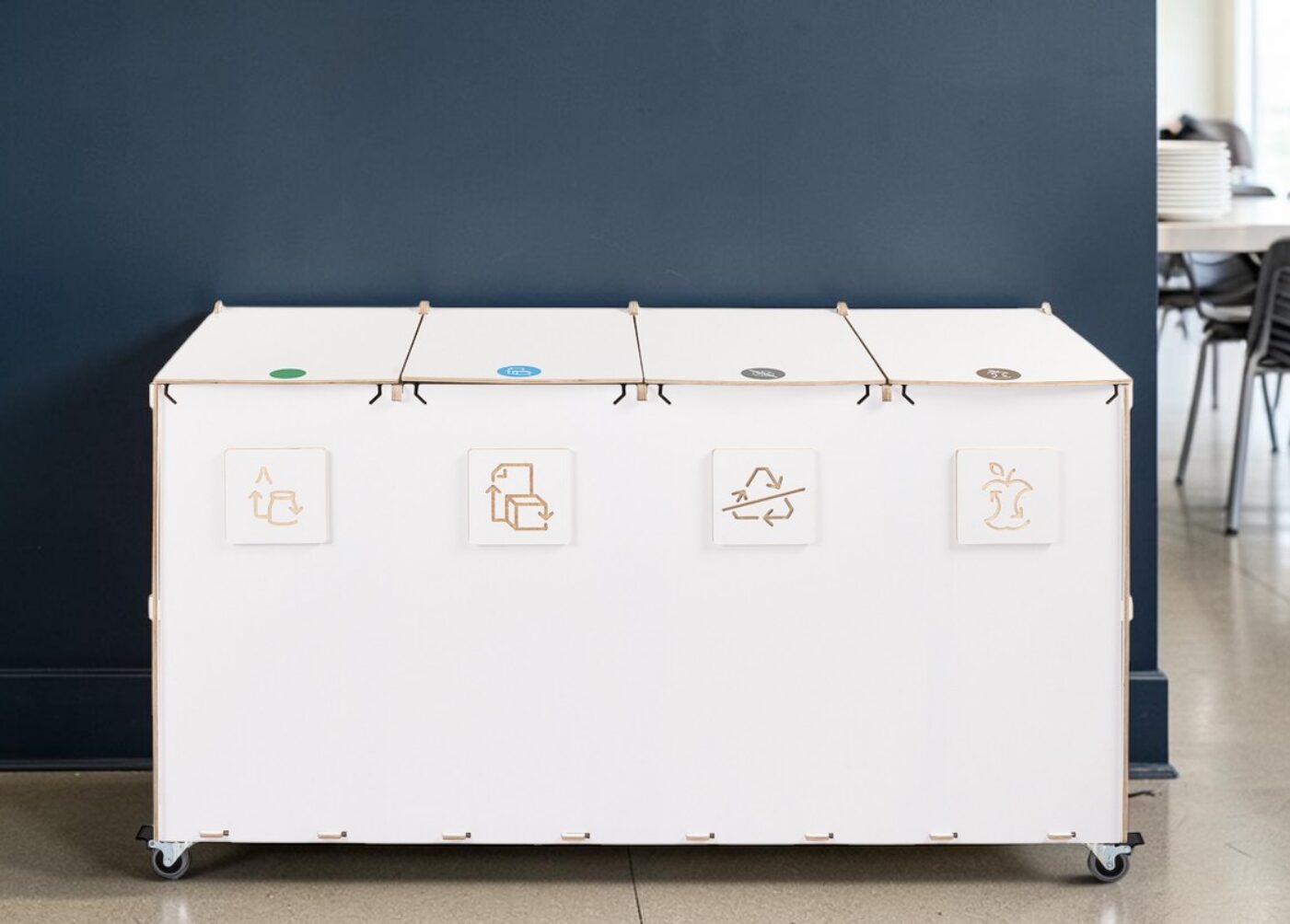
Cafeteria Recycling Bin for Waste Sorting
The cafeteria represents a high-traffic operational hub within any educational institution, managing a continuous turnover of students, faculty, and visitors throughout the day. Given the intensity of usage, waste management must function as an integrated part of the facility’s workflow to maintain hygiene standards, operational speed, and the overall quality of the dining environment.
Operational Challenges
In our assessment of high-volume dining facilities, we identified that conventional disposal methods frequently lead to operational bottlenecks:
Peak-Period Congestion: During standard lunch hours, waste generation rates are extremely high. Without intuitive, high-capacity sorting infrastructure, mixed-waste disposal slows down tray-return cycles and increases the contamination of recyclables.
Labor Overhead: Relying on unsegregated waste bins necessitates intensive, post-collection manual sorting by facilities staff, which increases labor costs and delays cleaning rotations.
Aesthetic Degradation: In environments designed for comfort and hospitality, industrial-style, unsegregated waste bins can significantly detract from the dining experience and the perceived professional standard of the institution.
Strategic Implementation
To optimize the cafeteria environment, we prioritized infrastructure that balances high-density throughput with professional presentation:
Workflow-Integrated Positioning: Recycling stations are positioned strategically at primary tray-return points and exit paths. This ensures that users can dispose of and sort their waste as an instinctive, seamless step in the dining process, requiring no behavioral changes.
Professional Hardware Design: We utilize infrastructure that combines industrial-grade durability—essential for handling high volumes of food-service waste—with a refined aesthetic that complements the cafeteria’s interior.
Intuitive Sorting Logic: Clear, standardized labeling reduces user decision time, ensuring that paper, packaging, and beverage containers are sorted into the correct streams instantly, maintaining stream purity and reducing post-collection labor.
Institutional Benefits
Implementing a standardized, intuitive recycling system within the cafeteria offers measurable operational and sustainable advantages:
Maintenance Efficiency: By capturing pre-sorted waste at the source, facilities staff can conduct cleaning rotations more rapidly, maintaining table turnover rates and overall cafeteria hygiene.
Increased Recovery Rates: Directing waste into clean, segregated streams maximizes the diversion of recyclables from landfill and improves overall waste-stream purity.
Institutional Stewardship: A well-managed, tidy dining environment reinforces the institution’s commitment to operational excellence, providing a welcoming space that meets the expectations of the entire academic community.
Effective waste management infrastructure in a cafeteria is a fundamental component of institutional operational efficiency, ensuring that the facility remains clean, organized, and professionally managed for a high-density user base.
Client: Virumaa Muuseumid
Product video: Recycling Bin Sorta 90W4