Did you know that by 2024, the EU mandates the separate collection of textiles and bio-waste for almost all businesses? Staying compliant with shifting waste laws is no longer just about being “green” – it is a legal necessity to avoid substantial fines and operational disruptions.
The Foundation: EU Waste Framework Directive
Most workplace recycling rules across Europe stem from the EU Waste Framework Directive (2008/98/EC) and its 2018 amendment. This legislation establishes the “waste hierarchy,” a conceptual ladder that prioritizes waste prevention and reuse over recycling, with disposal acting only as a last resort. For facility managers, the core obligation is the mandatory separate collection of specific waste streams to ensure materials enter the correct circular economy loops.
As of late 2023, businesses must separate paper, metal, plastic, glass, and bio-waste at the source wherever technically feasible. This directive is not a mere suggestion for corporate social responsibility; it is the baseline that every EU member state must implement into national law. While the directive provides the skeletal structure, the specific “muscle” of enforcement and volume thresholds varies significantly as you move across different European markets.
Regional Nuances in Northern Europe
While the EU sets the minimum standards, national implementation varies significantly between the Baltic and Nordic regions. Understanding these nuances is critical for companies operating across multiple borders, as a policy that satisfies regulators in one country may fall short in another.
The Nordic Markets
In the Nordic region, regulations often exceed the EU baseline, reflecting a long-standing commitment to circularity. In Sweden, separate food waste collection became mandatory for all businesses in 2024, and by 2027, municipal curbside collection rules will become even more stringent for commercial entities.
Finland requires on-site separation for all commercial buildings regardless of size, but businesses generating more than 500kg of waste per year face an additional hurdle: they must maintain detailed, written waste plans. Denmark takes a similarly rigorous approach; if your facility produces more than 1 ton of waste annually, you are required to secure a specific permit and utilize digital tracking systems for every waste shipment leaving the premises.
The Baltic Markets
The Baltics are rapidly aligning with EU targets, focusing heavily on Extended Producer Responsibility (EPR). This means businesses are increasingly held accountable for the entire lifecycle of the materials they bring into the workspace. In Estonia, you must separate paper, plastic, metal, glass, and bio-waste, especially if your site generates more than 10kg of bio-waste per day. All activity must be logged in the eJatis digital waste register to ensure transparency.
Latvia applies EPR for packaging exceeding 300kg per year, which mandates separate bins and strict recovery targets to avoid landfilling. Meanwhile, Lithuania has set a low threshold for compliance; all workplaces with more than five employees are legally required to provide infrastructure for separate waste collection, including hazardous materials and Waste Electrical and Electronic Equipment (WEEE).
Documentation, Reporting, and Legal Penalties
Compliance is not just about having the right recycling bins; it is about maintaining a robust paper trail. Most jurisdictions require a triad of documentation to satisfy environmental audits.
- Waste Transfer Notes: These are often referred to as consignment notes and must be signed by both your business and a licensed waste carrier for every single collection to prove the waste was handled legally.
- Annual Reports: Countries like Finland and Sweden require annual returns submitted to environmental agencies or producer responsibility organizations (PROs) to track progress against national recycling targets.
- Digital Registries: Real-time logging is becoming the standard. Platforms like Lithuania’s APVIS allow regulators to monitor waste activity and ensure that hazardous materials do not enter general streams.
Failure to maintain these records can lead to more than just a warning. In Sweden, administrative fines for compliance failures can range from €4,000 to €50,000. Denmark has even stricter measures, where authorities can impose fines based on a percentage of a company’s turnover for intentional or repeated breaches of waste management protocols.
Strategies for Workplace Compliance
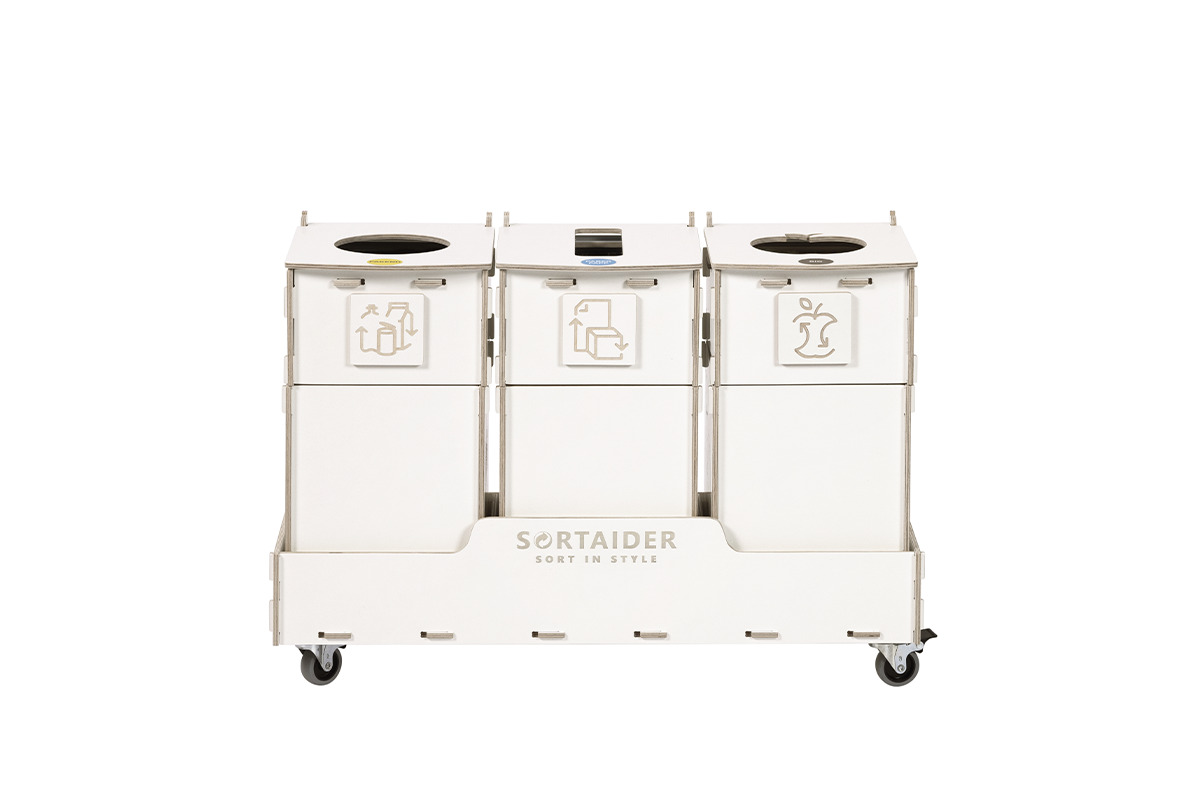
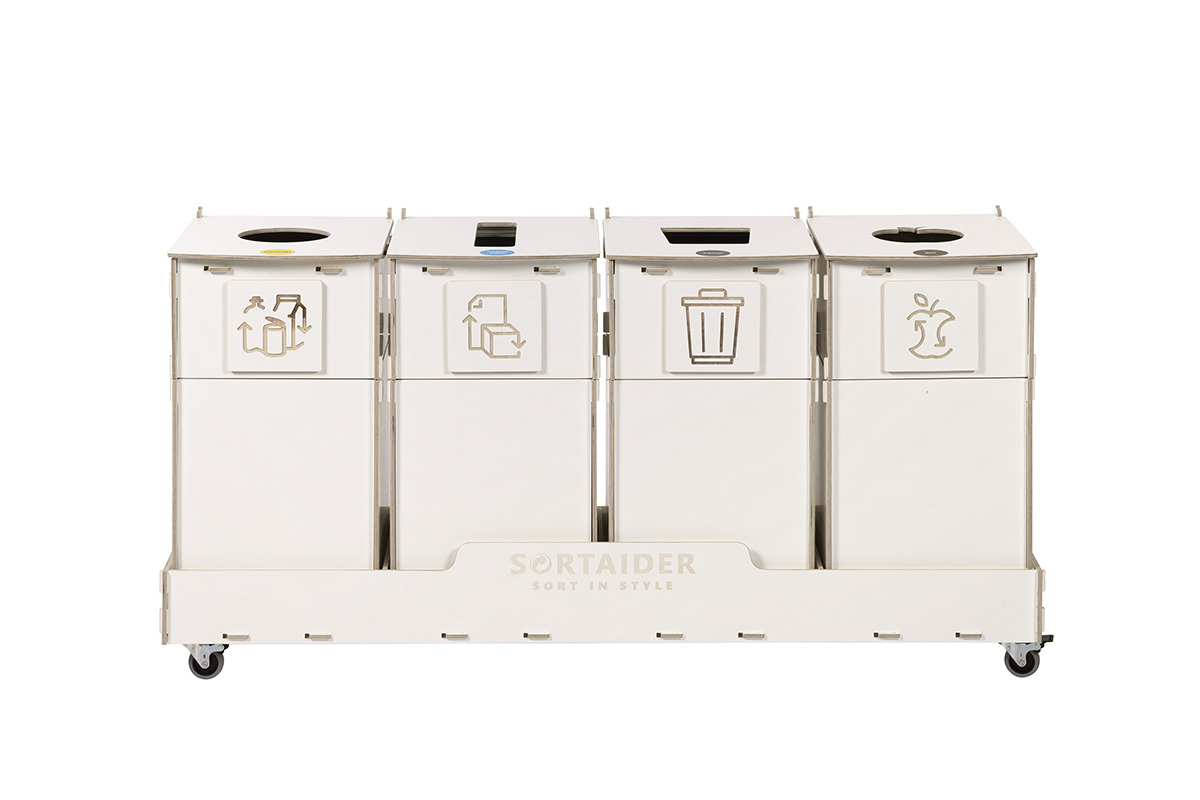
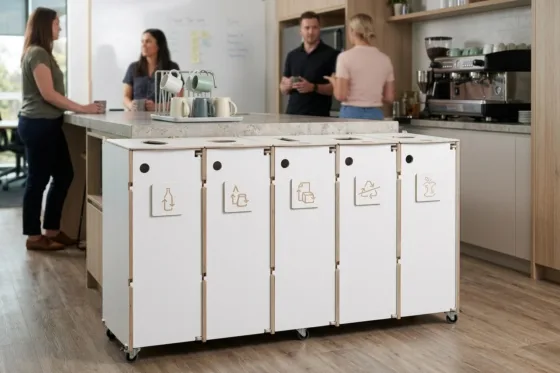
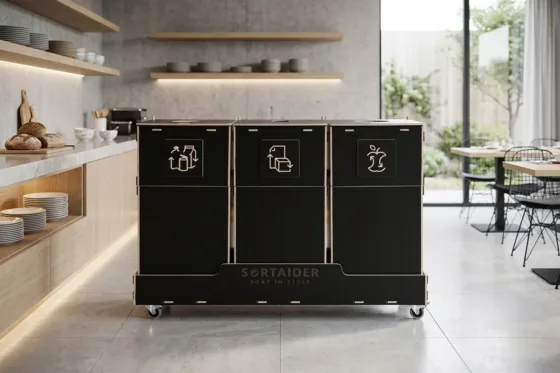
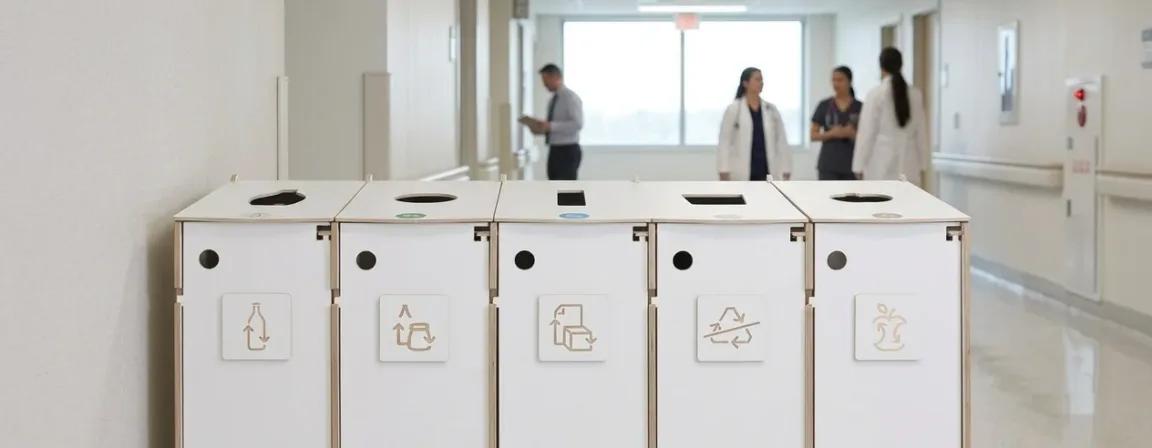
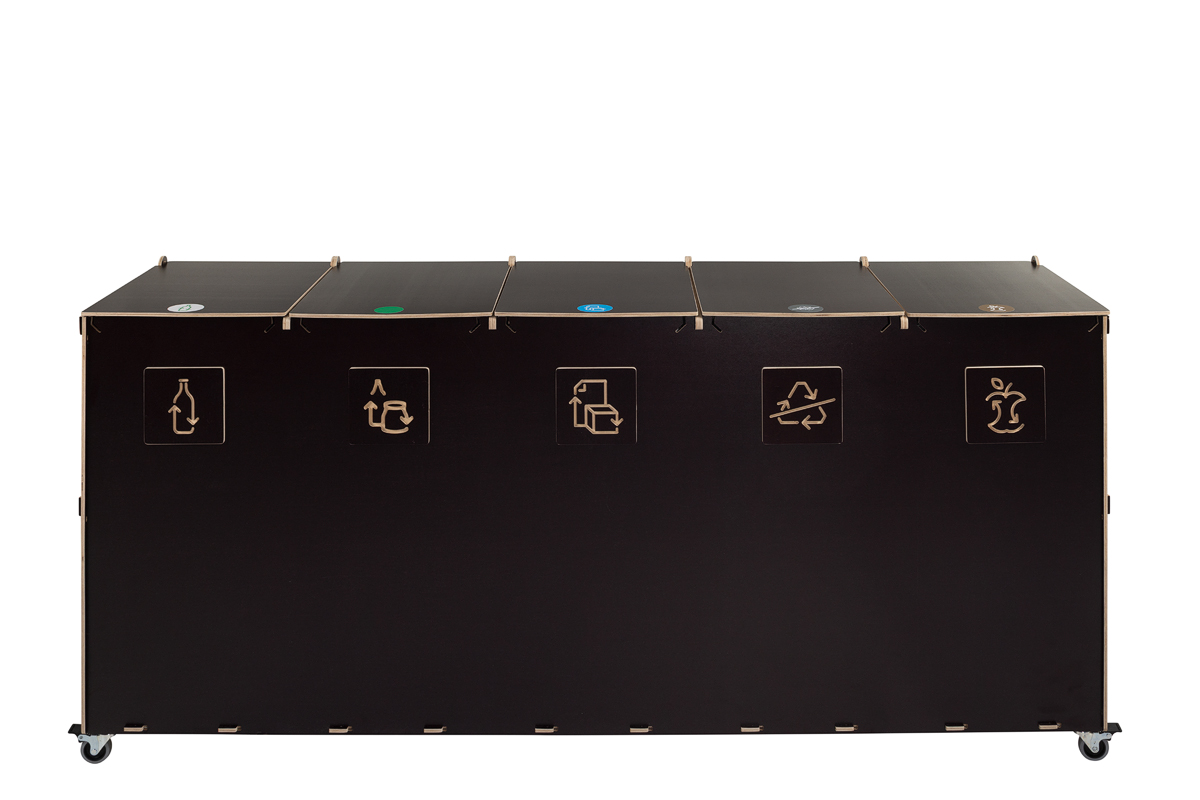
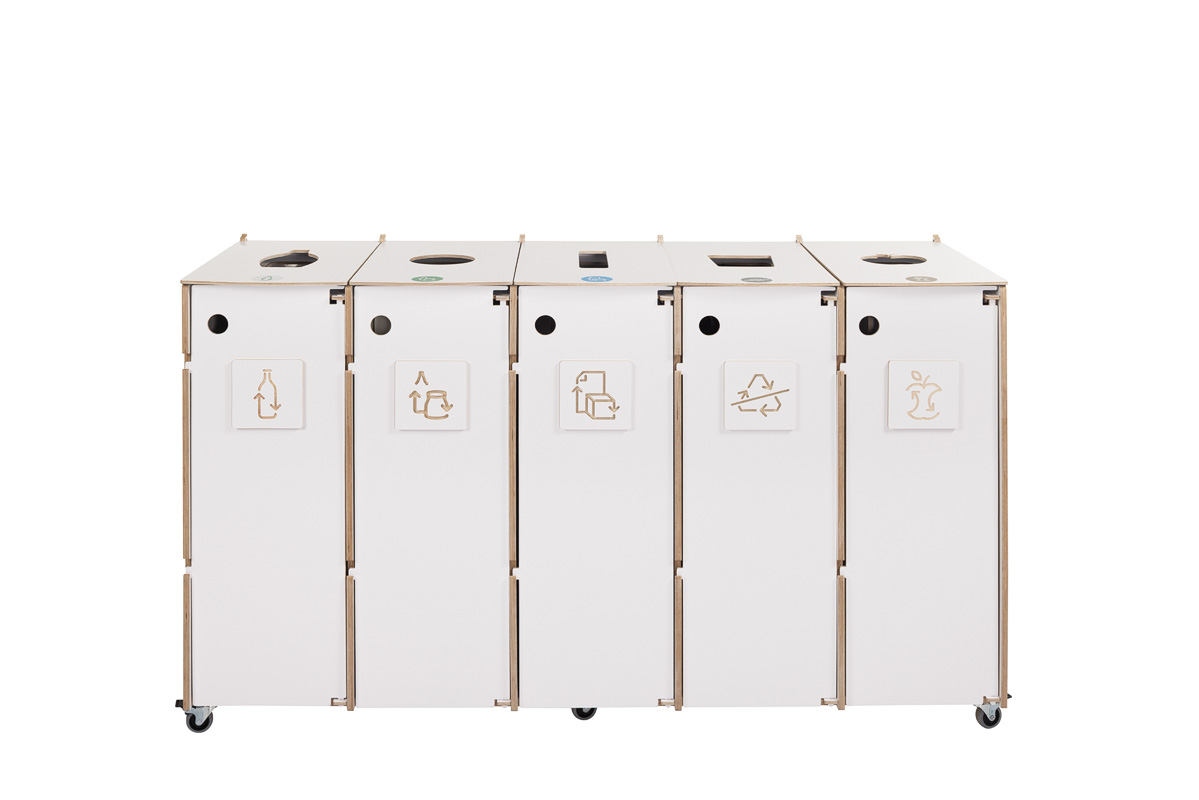
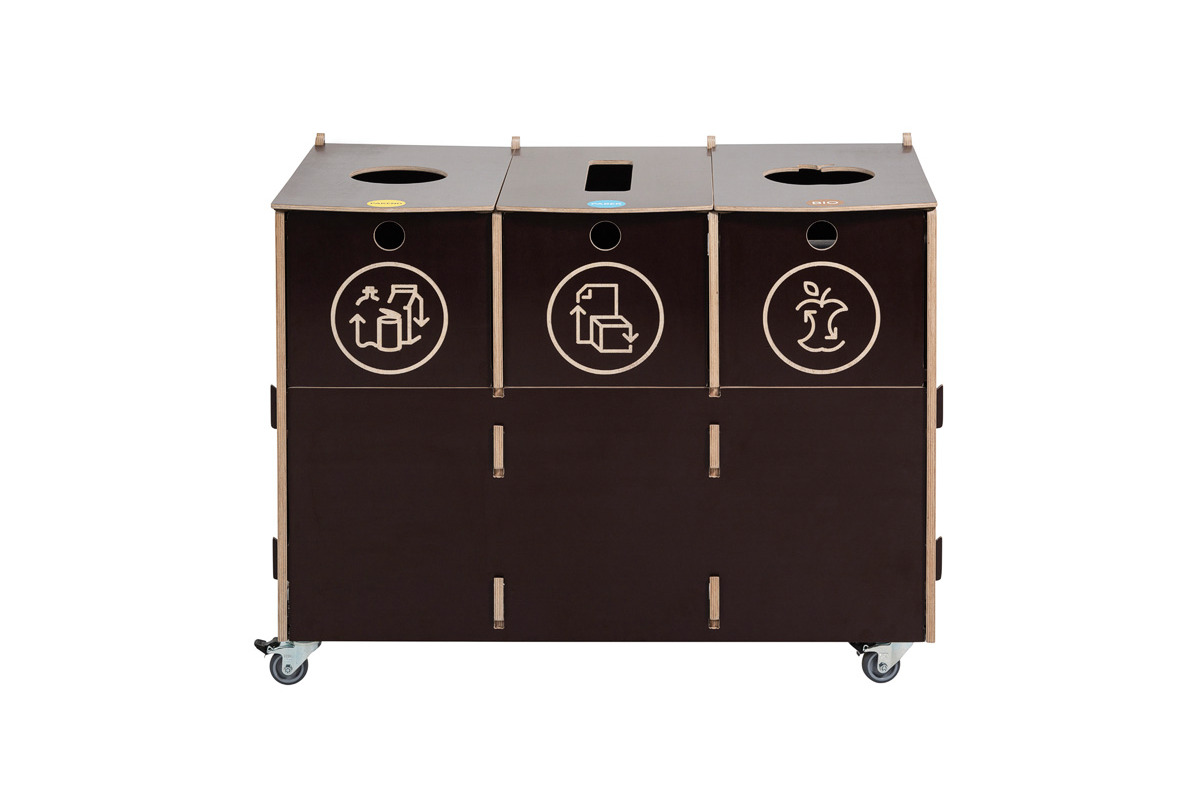
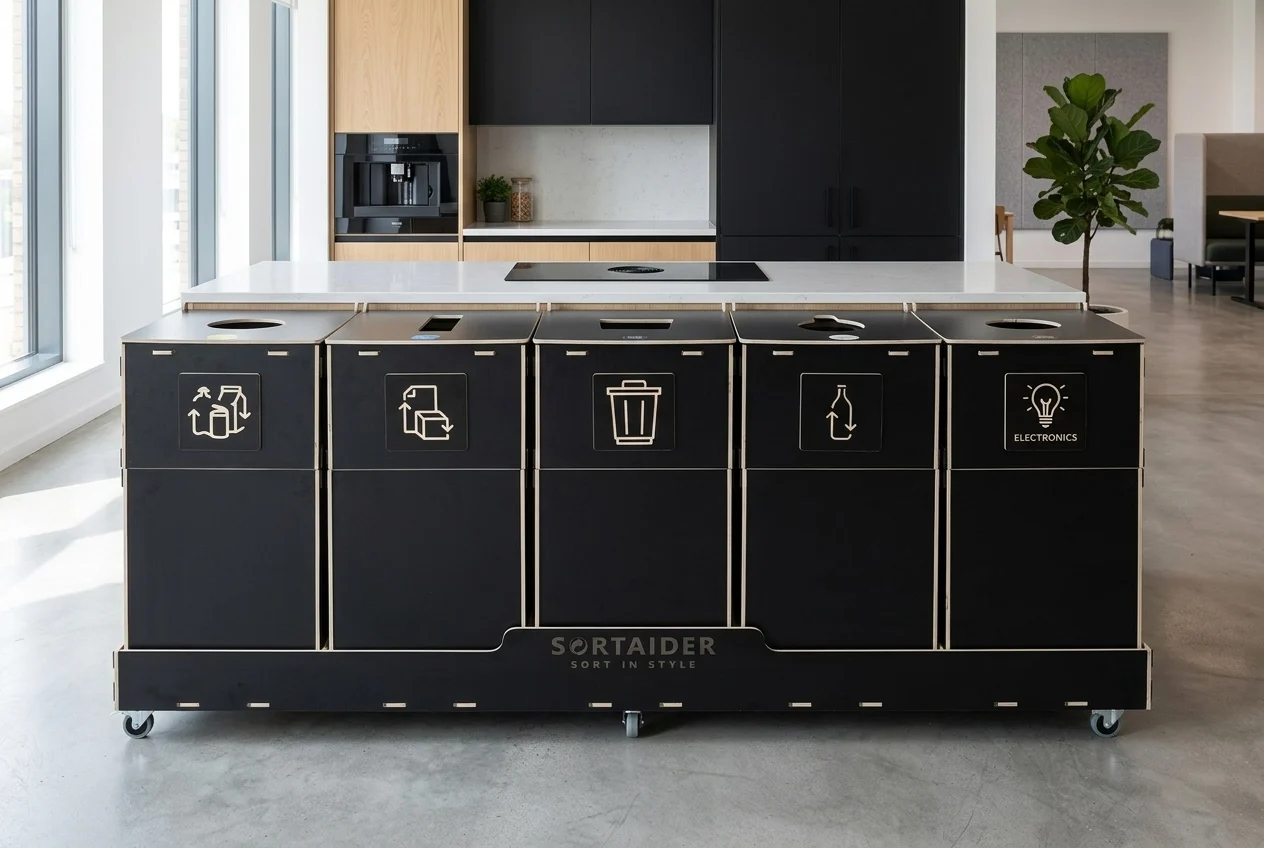
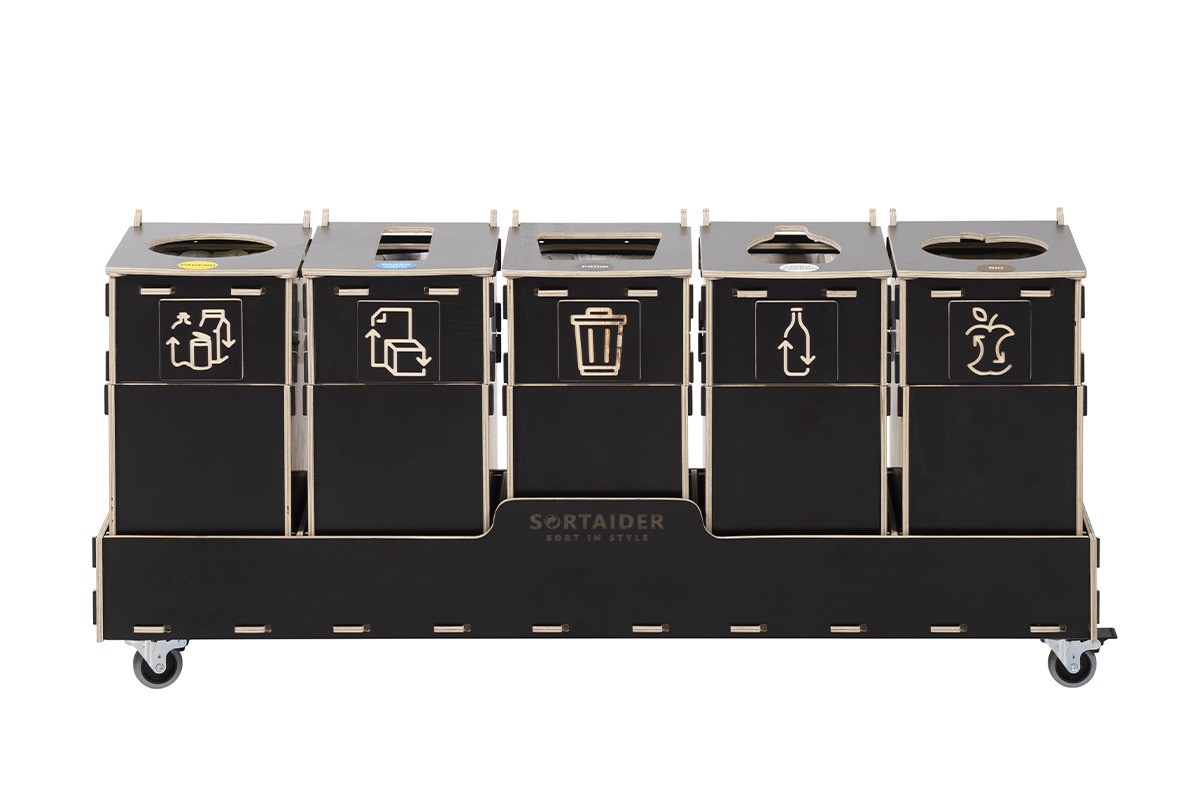
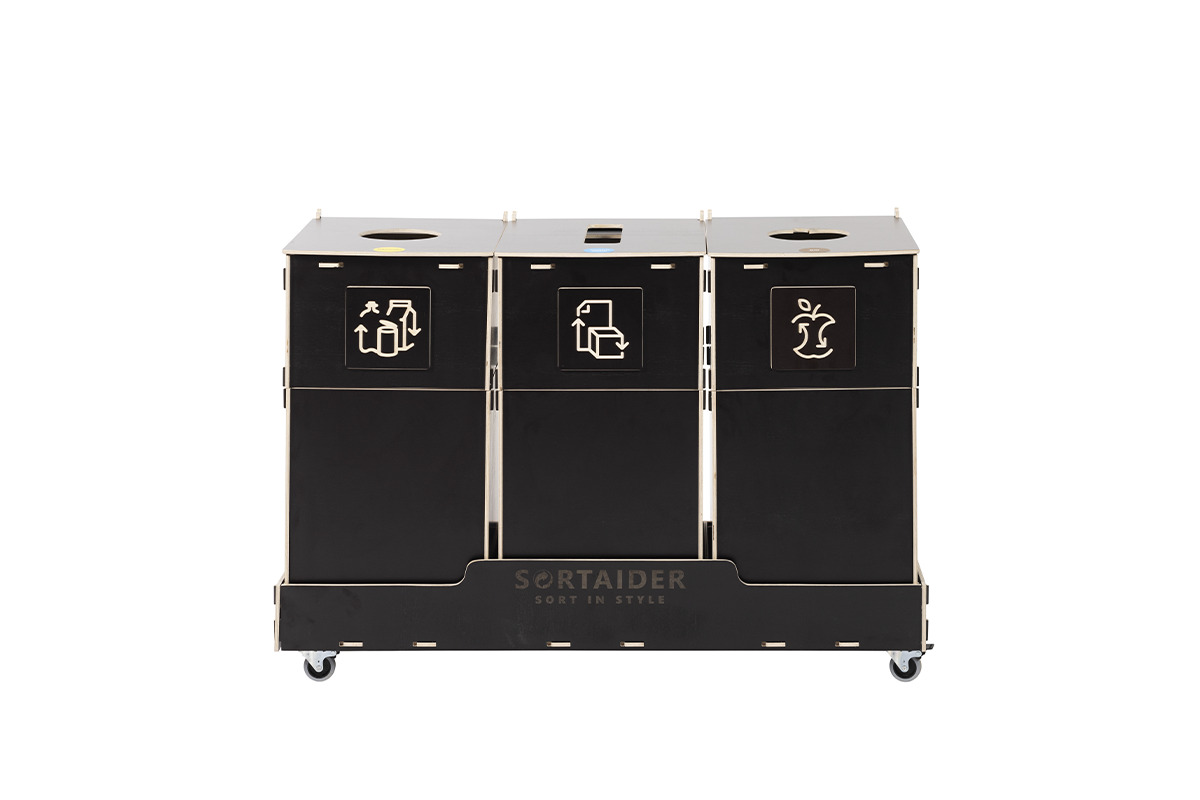
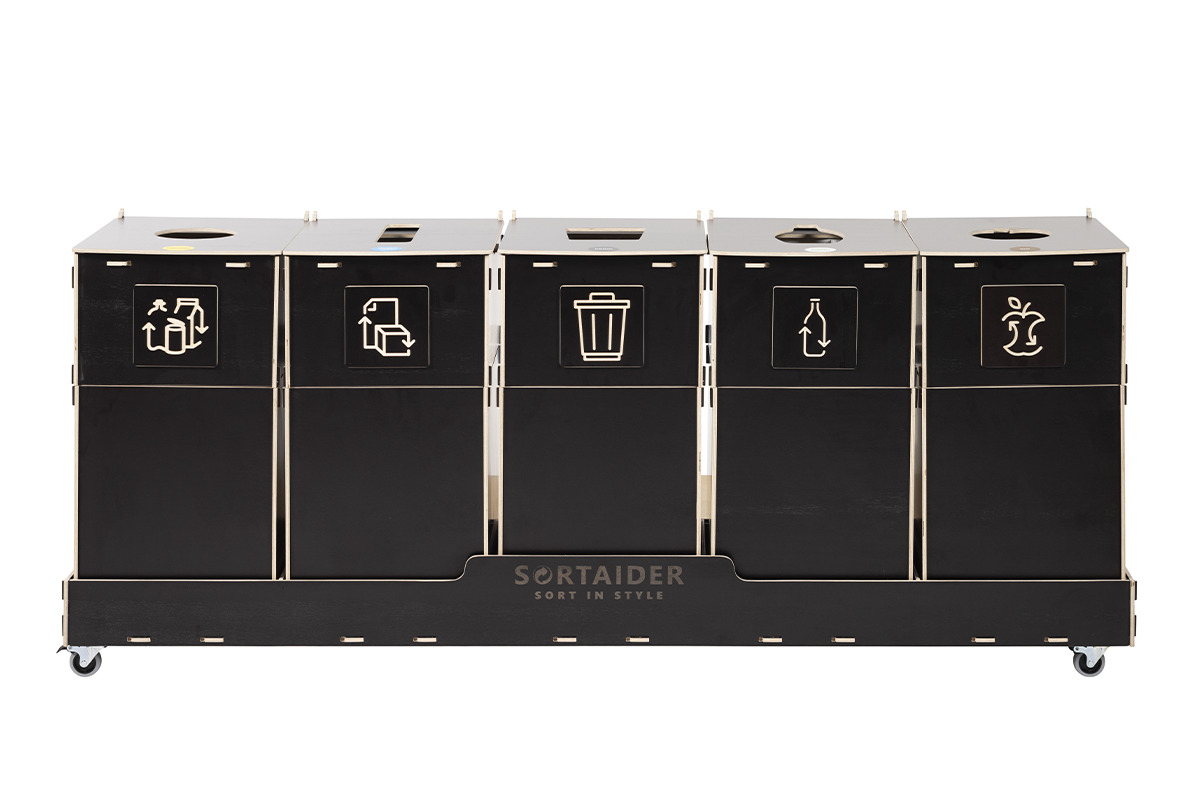
To meet these legal requirements, facility managers must move away from “all-in-one” bins toward sophisticated multi-stream stations. A compliant station should typically offer 3 to 5 separate fractions to cover the mandatory streams of paper, plastic, bio-waste, and general waste. Using a recycling bin sorter that features clear pictograms and bilingual instructions is often the most effective way to ensure employee compliance and reduce the sorting errors that lead to contamination fines.
For high-traffic areas like schools or hospitals, modular systems like the Ecolong series provide the necessary volume while ensuring different waste streams remain separate. In office environments where aesthetics are a priority, the Container series offers a design-led approach that integrates visual sorting cues into professional decor without sacrificing functionality.
Upcoming Changes and Future-Proofing
The regulatory landscape is continuing to evolve as the EU pushes toward a fully circular economy. The Packaging and Packaging Waste Regulation (PPWR), adopted in 2024, will introduce even stricter rules by 2026. This includes mandatory textile collection by 2025 and the expansion of deposit-return schemes for all packaging types by 2029.
In the Baltic markets, bio-waste separation is expected to become mandatory for all sites by 2025, regardless of the volume generated. To stay ahead of these changes, businesses should look toward versatile solutions like the Sorter series or the Sorta series, which allow for easy reconfiguration as new mandatory waste fractions are introduced.
Navigating these regulations requires a combination of the right hardware and robust internal processes. By auditing your current waste streams and comparing them against the local thresholds for your specific market, you can identify gaps before they become legal liabilities. Implementing high-quality, durable sorting solutions today will future-proof your facility against the upcoming wave of European environmental legislation. Explore our range of recycling bins to find a system that fits your local compliance needs and supports your organization’s sustainability goals.