
Does your team know that one greasy pizza box can ruin an entire batch of paper recycling? Navigating the labyrinth of European waste regulations and shifting color-coding systems is a major challenge for facility managers striving for high-performance sustainability targets.
The European Waste Landscape: Regional Variations
While the European Union is moving toward a more circular economy, waste sorting remains a patchwork of regional rules. Currently, there is a remarkable heterogeneity in bin colors across member states, which can lead to significant confusion for employees and visitors in international settings. For instance, Germany often utilizes the Yellow or Orange bin (Wertstofftonne) for packaging, while blue is typically reserved for paper and cardboard. In other markets, however, you may find cardboard assigned to yellow or even red bins.
To address this, the European Commission is developing a proposal for harmonized waste sorting labels and symbols, targeted for implementation around 2026. Until then, facilities in the Nordic and Baltic regions must remain agile. Under the revised Waste Framework Directive, organizations are now legally required to maintain separate collection for specific streams, including bio-waste, which became mandatory in December 2023. These materials must not be mixed, as contamination severely hampers composting and anaerobic digestion processes.
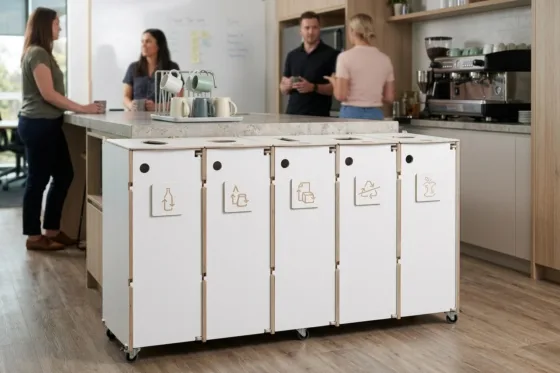
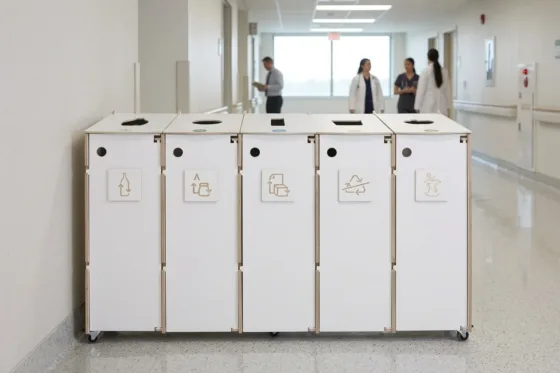
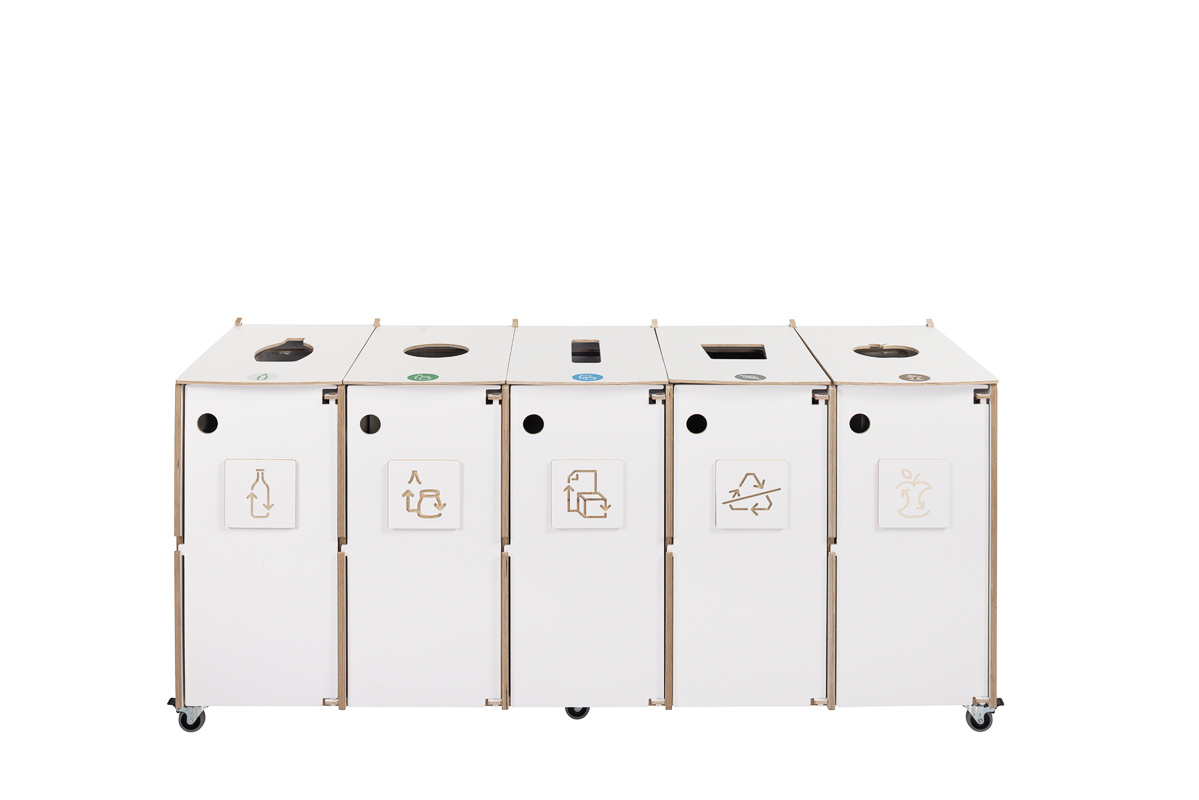
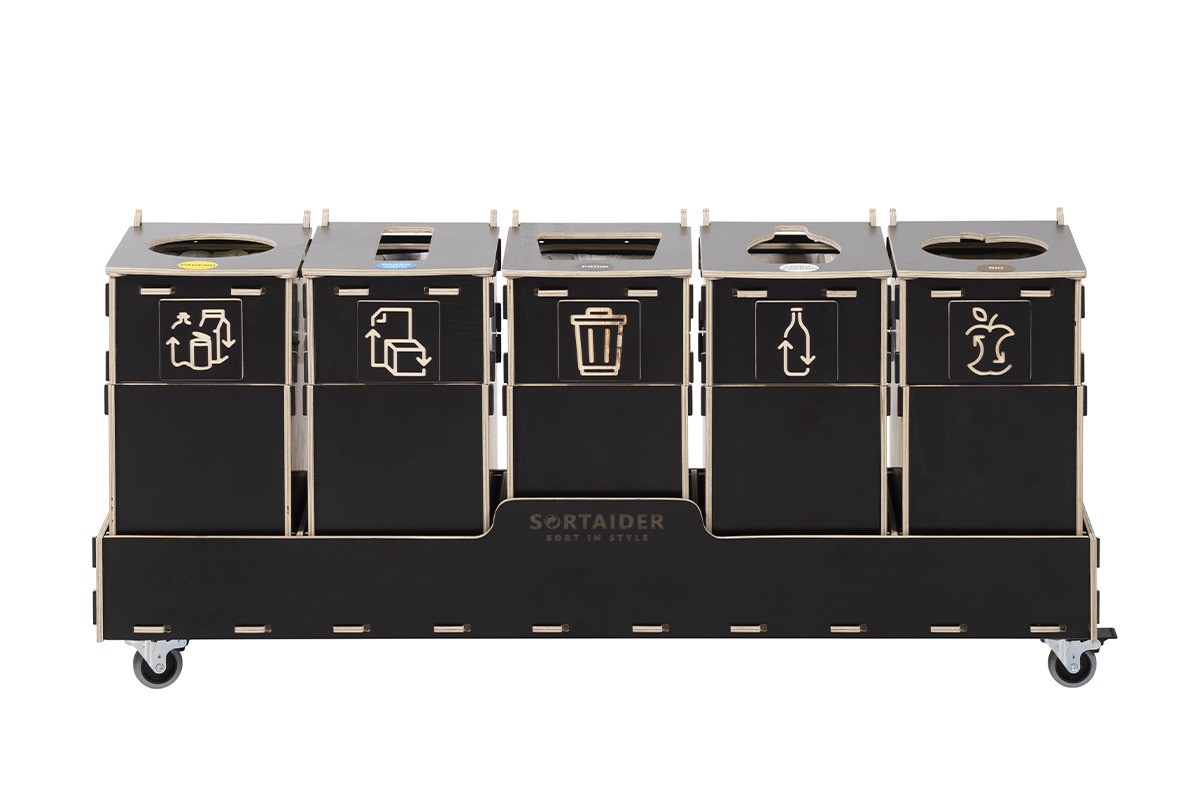
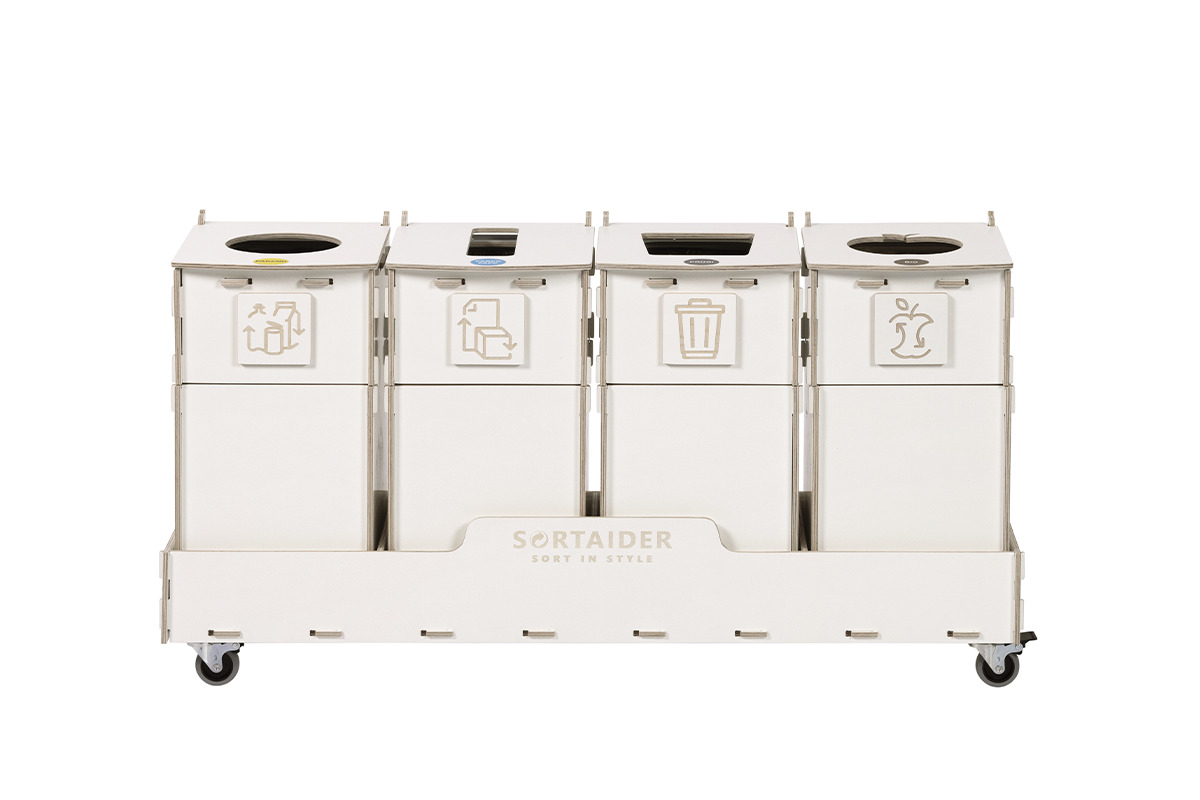
The upcoming Packaging and Packaging Waste Regulation (PPWR) further mandates that all packaging must be recyclable by 2030. For organizations managing high-traffic spaces, implementing these multi-stream requirements in a compact footprint is essential. Solutions like the Ecolong series provide the modularity needed to manage up to five waste streams in a single, hygienic unit.
Sorting Guidelines: What Belongs in Each Bin?
To avoid high rejection rates at Material Recovery Facilities (MRFs), you must educate users on exactly what materials should enter your recycling bins. Even small errors at the point of disposal can have cascading effects on the quality of the recycled material.
Paper and Cardboard
This stream generally accepts clean office paper, newspapers, magazines, and dry cardboard. The most critical rule for facility managers is the “Pizza Box” rule: greasy boxes are a primary contaminant. Fats, oils, and greases (FOGs) prevent paper fibers from separating during the pulping process, potentially ruining the entire batch. Only clean, ungreased cardboard is recyclable; soiled portions must be diverted to residual waste or composting. Additionally, items like used napkins, paper towels, and wax-lined coffee cups should always be excluded.
Plastics and Metals
While this stream typically accepts clean plastic bottles, food tins, aluminum cans, and beverage cartons, it faces challenges with detection. Black plastic is often undetected by automated sorting equipment and may be rejected at the facility level. Furthermore, pressure-sensitive adhesives (PSAs), such as stickers and coupons found on packaging, can be just as damaging to recycling batches as grease is to paper.
Bio-waste
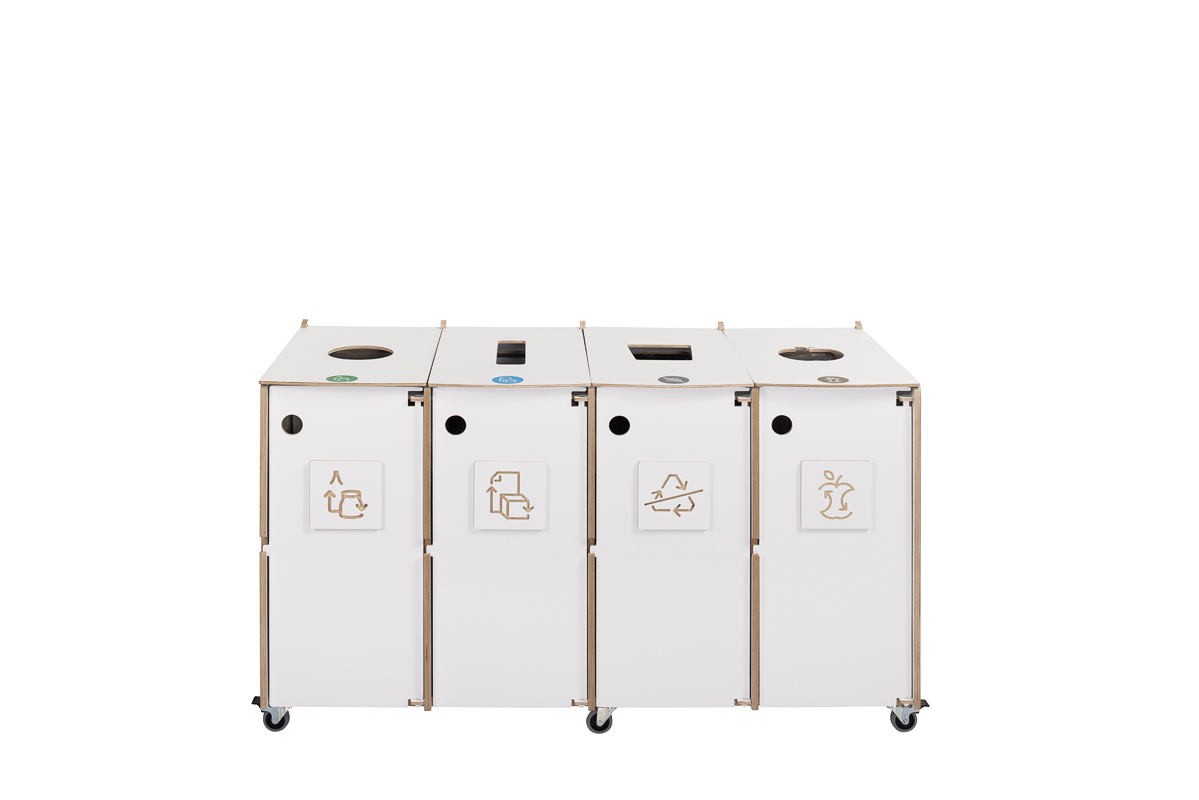
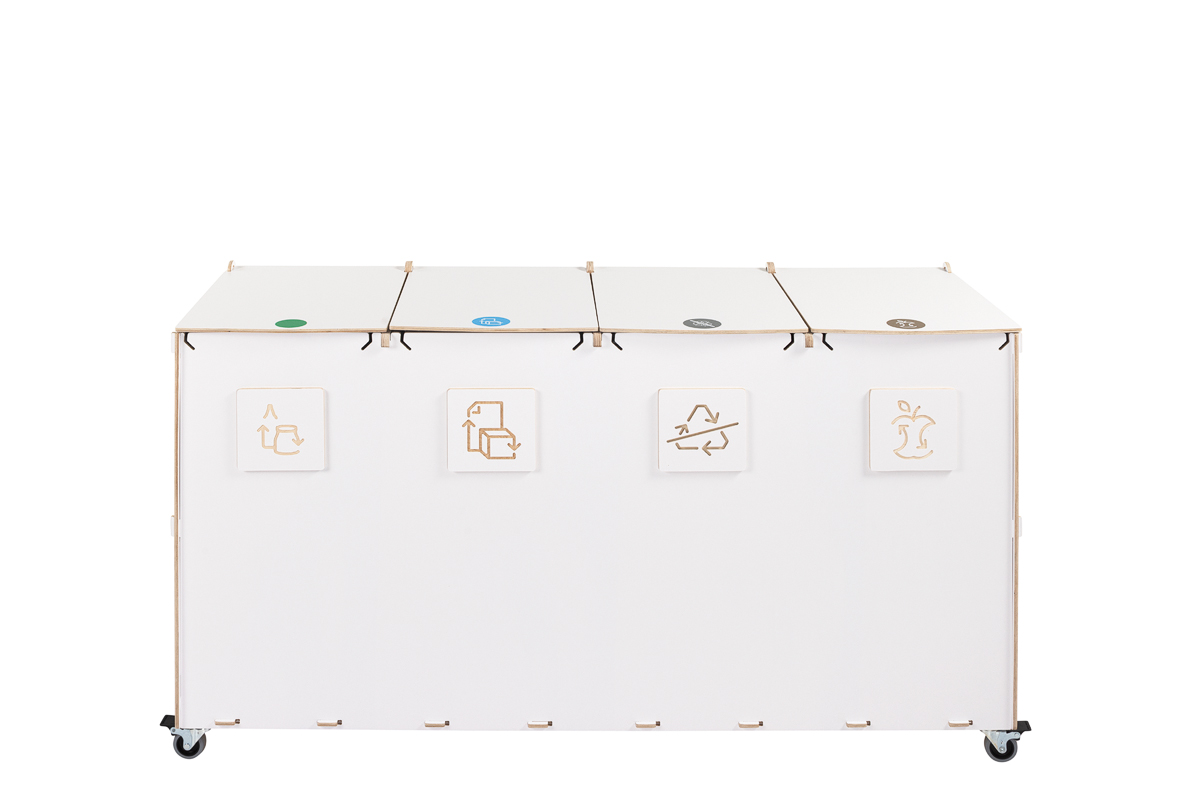
Successful bio-waste collection requires strict separation of food scraps, fruit peels, and coffee grounds. The most common point of failure in this stream is the inclusion of conventional plastic bags, which are a major contaminant in compost. Utilizing the Sorta series can help mitigate these risks, as these units feature clear pictograms and bilingual instructions on the lids to guide users toward the correct choice.
The Hidden Cost of Contamination
Contamination is a significant financial burden that extends far beyond environmental impact. In the UK, over 525,000 tonnes of household recycling are rejected annually at sorting facilities. Each rejected tonne can cost approximately £93 to dispose of through energy recovery or landfill, leading to millions in additional annual costs for local councils and businesses.
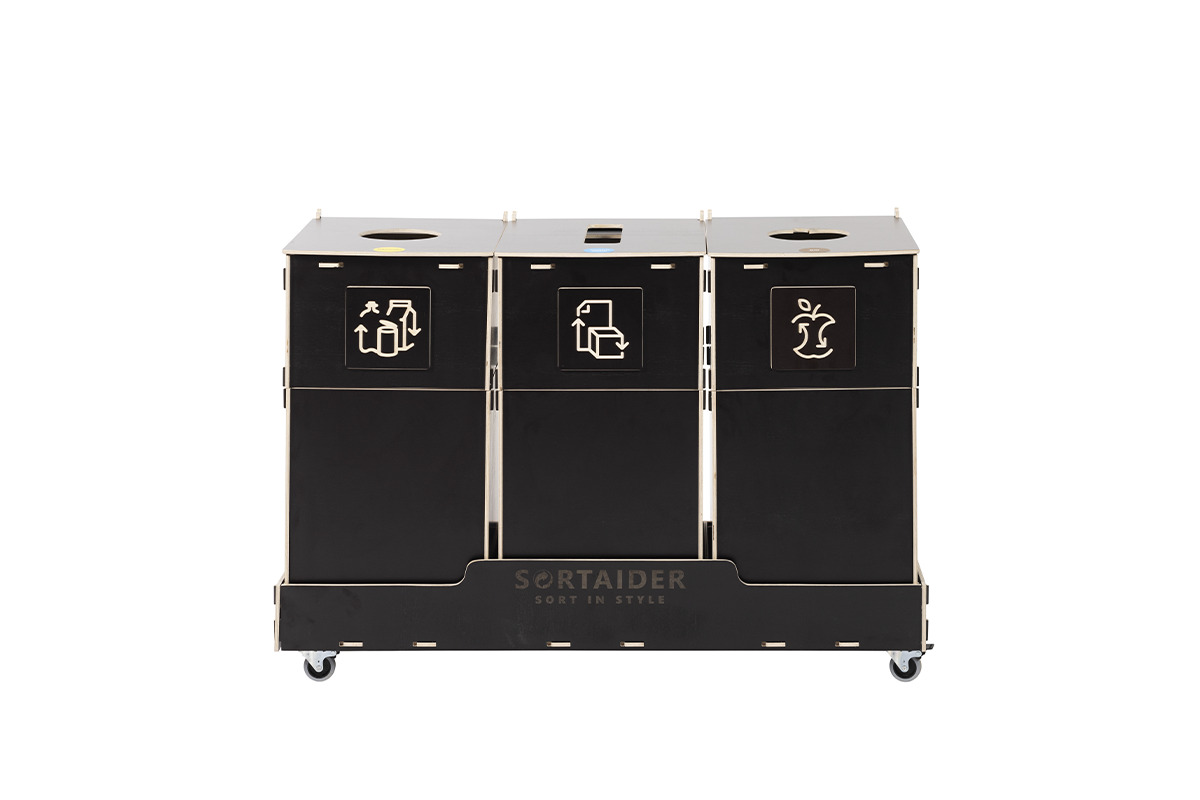
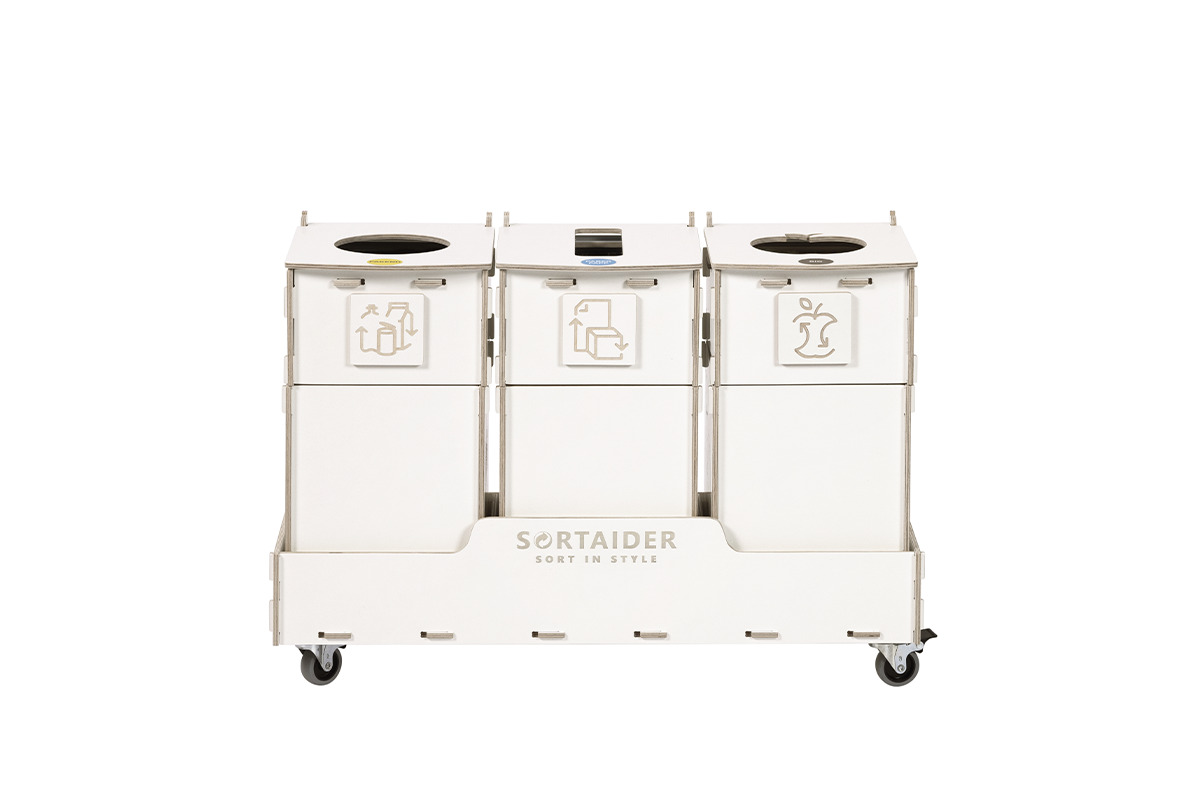
Across Europe, MRFs face at least $300 million in added annual costs due to increased labor, equipment repairs, and slowed processing caused by contaminated loads. Most facilities will reject a load if contamination by weight exceeds a threshold of 3–5%. If your office, clinic, or school produces contaminated loads, you may face increased disposal fees or service interruptions from your waste contractor. To ensure clarity and reduce these risks, many organizations opt for recycling bin sorters that combine durability with intuitive visual guidance.
Best Practices for Facility Managers
Implementing a successful waste-sorting program requires a strategic approach to bin placement and communication. Strategy is essential for long-term compliance, especially in professional environments like hospitals, universities, or transport hubs.
- Strategic Placement: Position waste stations in high-traffic areas such as kitchens and break rooms where the majority of food packaging and bio-waste is generated.
- Clear Visual Cues: Use pictograms rather than text alone. Showing examples of “YES” and “NO” items directly on the bin is more effective for international teams and public spaces.
- Hazardous Waste Management: Batteries containing lithium, nickel, or zinc must be collected separately. Damaged lithium batteries pose a significant fire risk if they enter the general recycling stream.
- Staff Training: Include waste-sorting guidelines in employee onboarding to explain that contamination does not just “mess up the bin” but can ruin the entire building’s recycling efforts for the day.
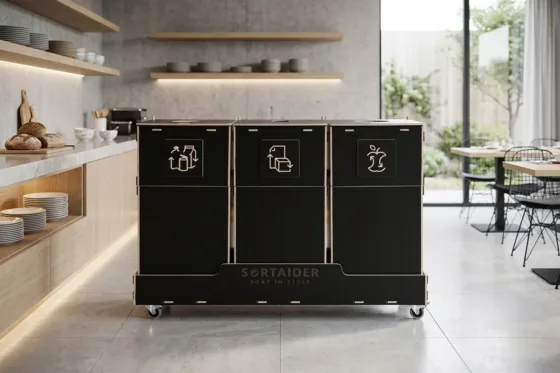
For facilities that prioritize both sustainability and a Nordic minimalist aesthetic, the Sorter series offers a plywood-based solution that emits up to four times less CO2 during its lifecycle than traditional metal alternatives.
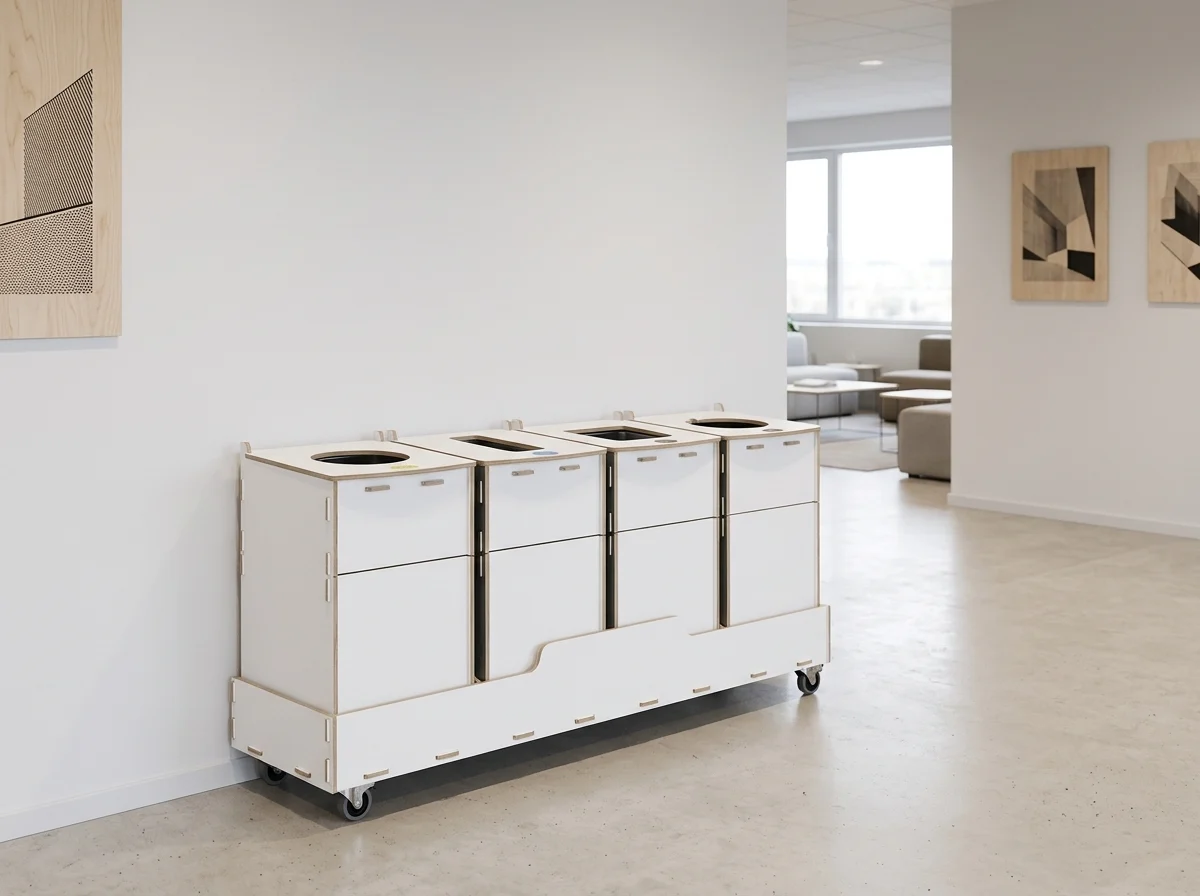
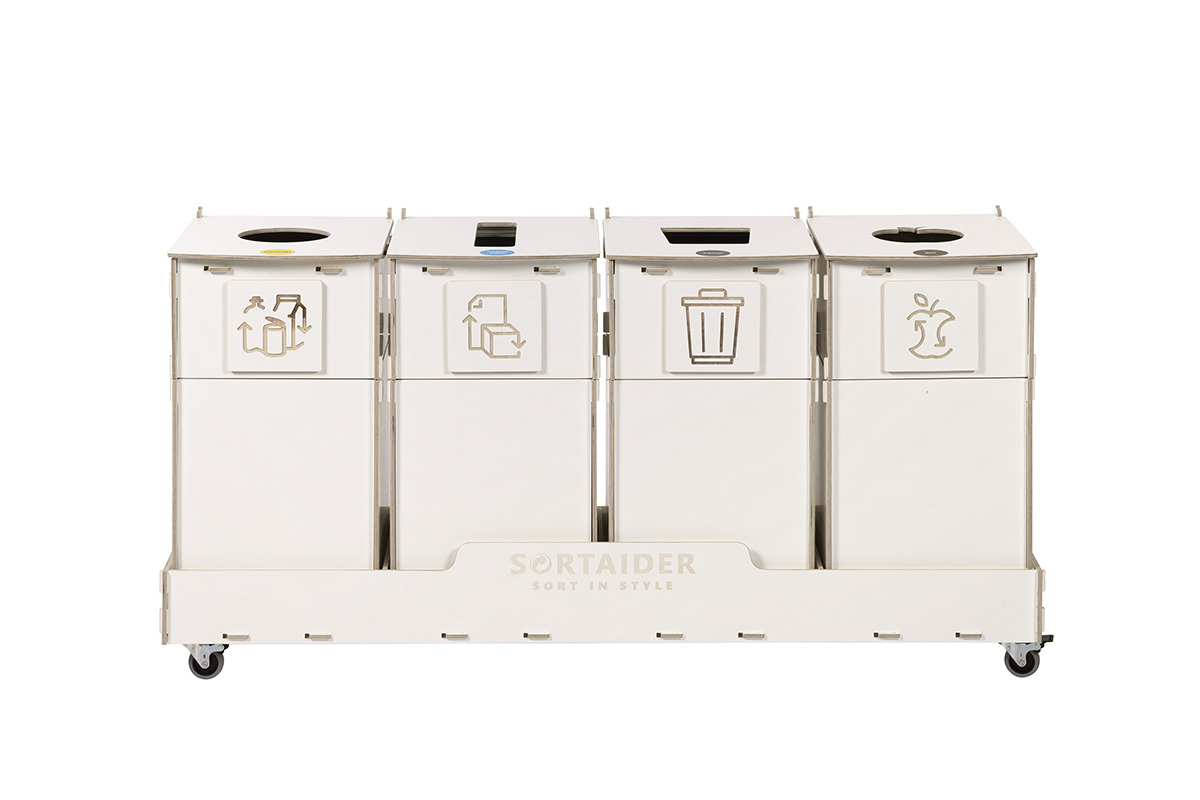
Establishing a robust recycling system is an evolving process that involves staying informed about local municipal changes and upcoming EU harmonizations. By providing clear guidance and high-quality sorting stations, you can significantly reduce your facility’s environmental footprint and operational costs. Explore our range of award-winning recycling bins to find the right configuration for your organization’s specific waste streams.