Did you know that packaging and containers represent 28% of all municipal solid waste? For retail facility managers, managing high volumes of cardboard and plastic is a logistical challenge that directly impacts your bottom line and sustainability targets.
Establishing a Retail Waste Management Strategy
A structured office waste management plan is essential for retail environments where inventory turnover is constant. Your goal should be to move up the waste hierarchy, which prioritizes prevention and reuse over simple disposal. In high-volume distribution centers, the first step involves conducting a thorough waste audit to identify volume fluctuations and the specific material types generated during daily operations.
Right-sizing your waste services based on actual audit results can reduce disposal costs by 30% to 50% by optimizing collection frequency and reducing general waste volume. Furthermore, implementing smarter sorting in professional environments ensures that valuable recyclables are not entering the expensive residual waste stream, which can lower annual operational costs.
High-Volume Solutions for Back-of-House and Warehouses
In distribution centers and warehouse zones, cardboard and plastic film dominate the waste profile. While recent data indicates that cardboard recovery rates currently sit between 69% and 74%, European retail environments face increasingly strict workplace recycling regulations. For instance, Denmark requires a minimum of four separate bins for workplaces to ensure proper material recovery.
For back-of-house operations, you require high-capacity, durable solutions that can handle heavy daily use. The recycling bins Ecolong series offers a unique 3-in-1 system, allowing your team to switch between continuous bag solutions, standard waste bags, or even bag-free collection for clean cardboard and paper within the same unit.
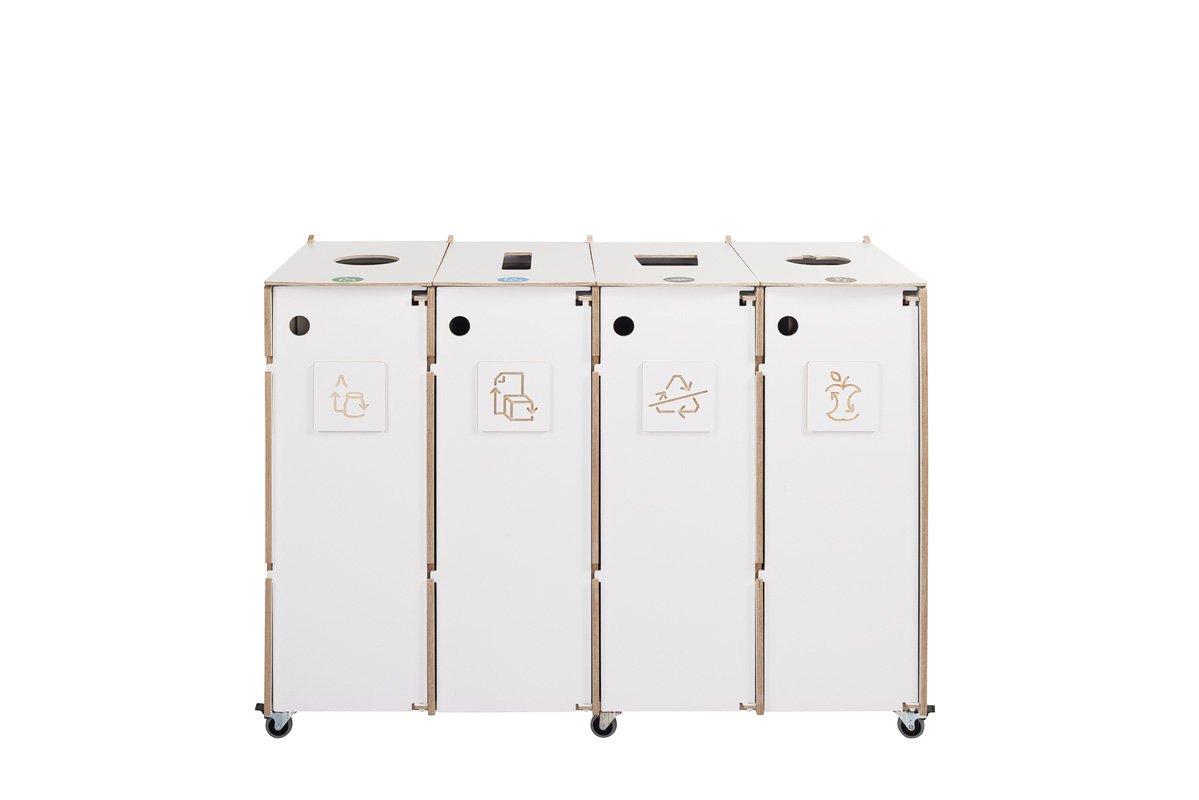
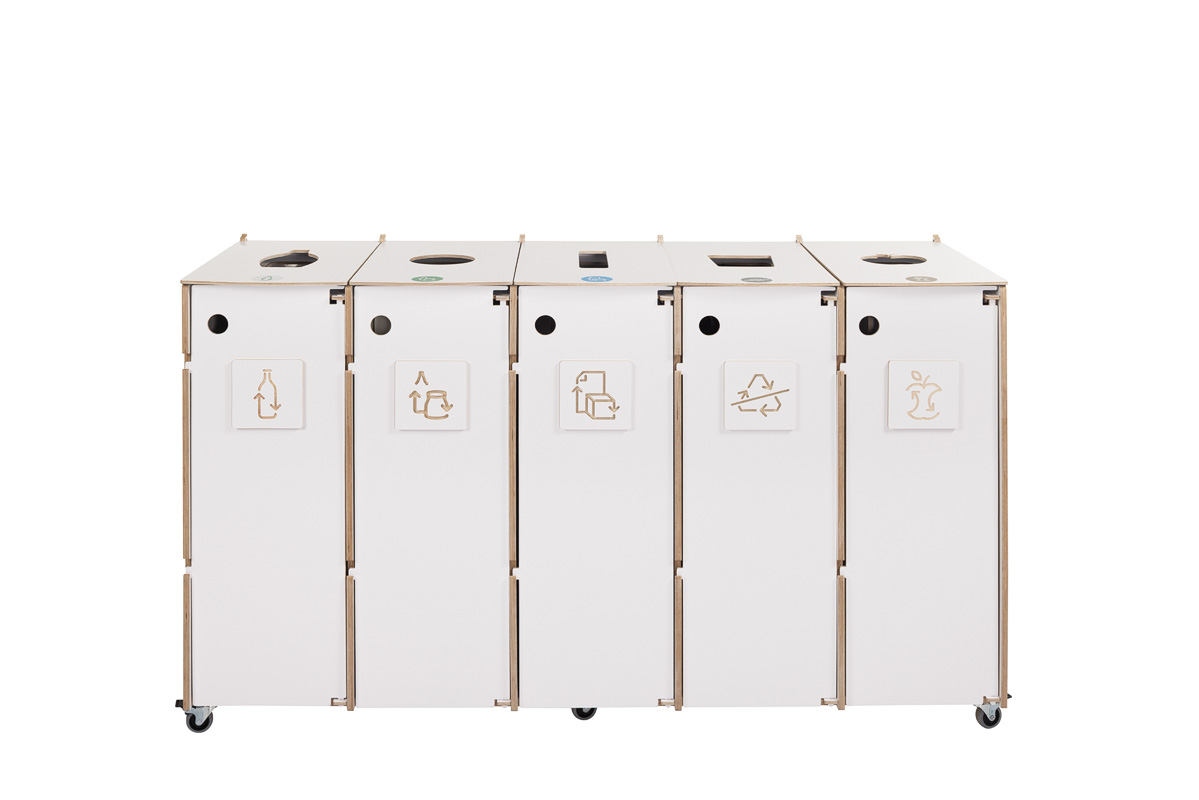
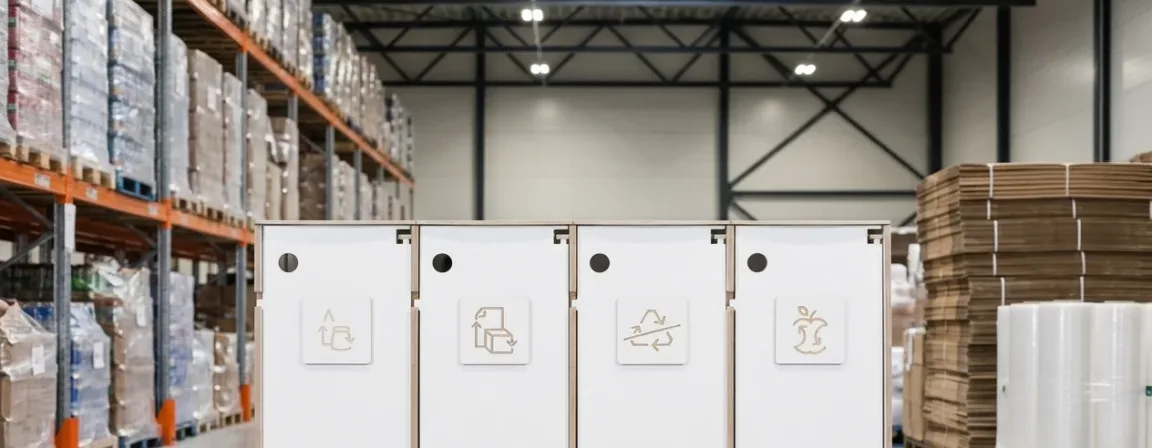
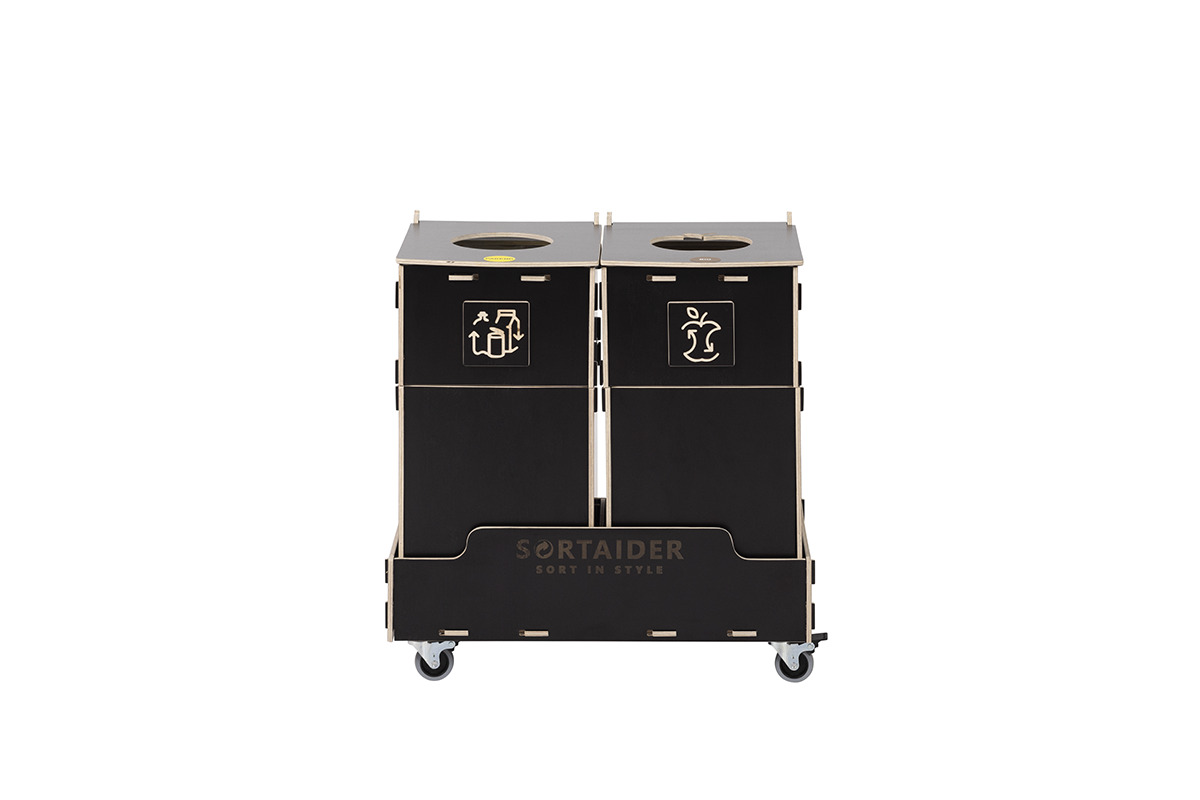
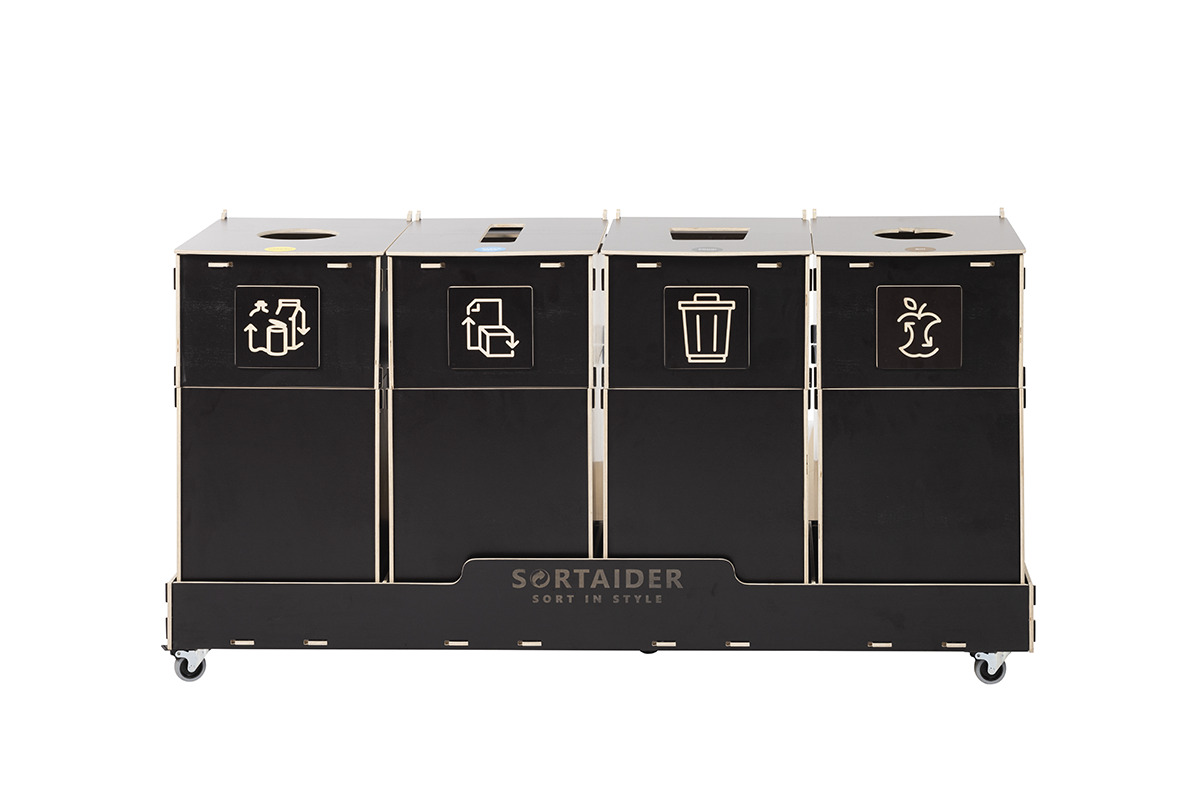
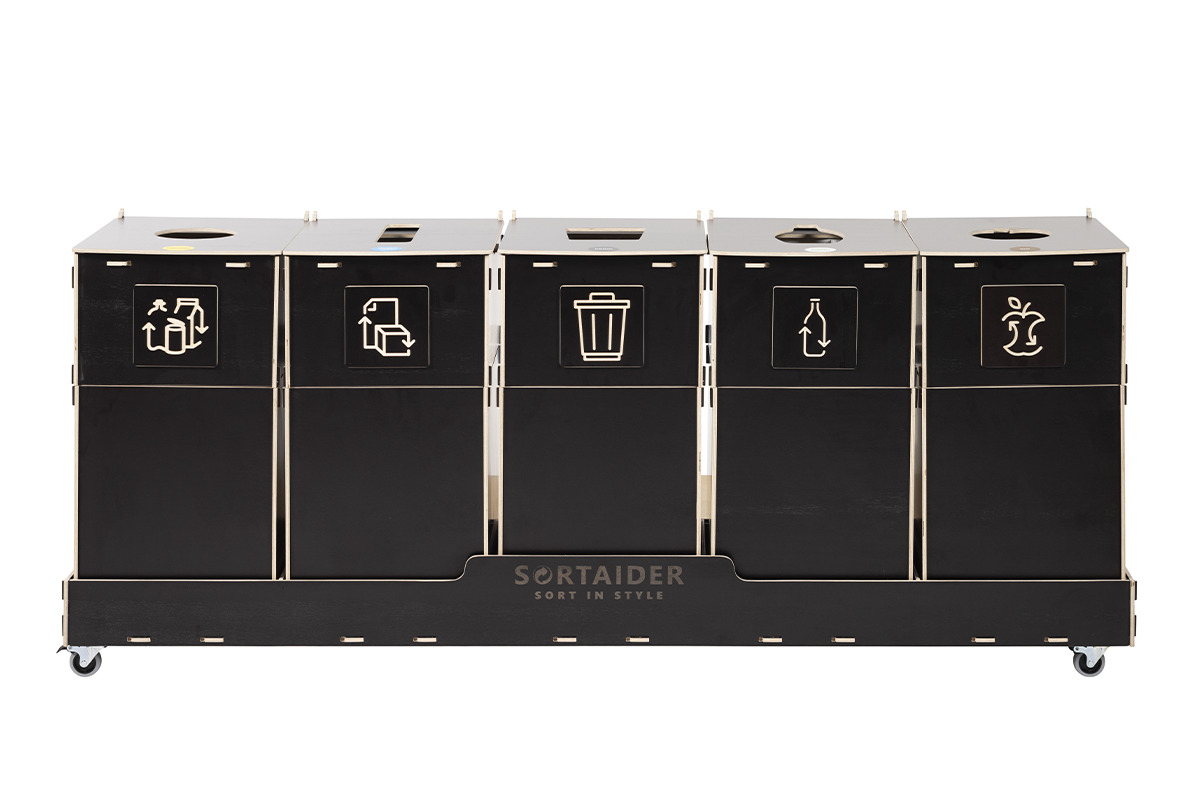
For smaller stockrooms or staging areas where space is limited, recycling bins Sorter units provide a modular approach. These can be customized to your specific waste streams, such as LDPE plastic wrap or paper, ensuring that every material has a designated recovery path.
Front-of-House: Aesthetics and Customer Participation
In consumer-facing retail spaces, the design of your waste station affects both brand perception and sorting accuracy. The EU Waste Framework Directive mandates the separate collection of paper, metal, plastic, and glass, but many Nordic markets have even more rigorous requirements for public-facing businesses.
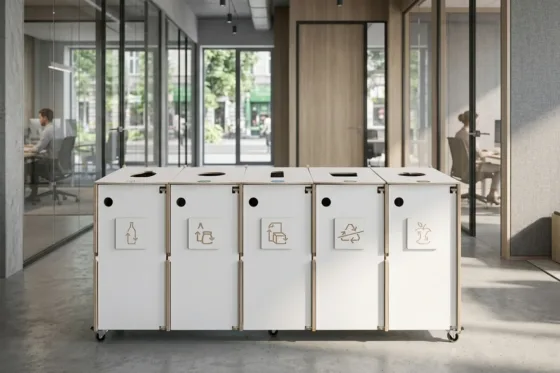
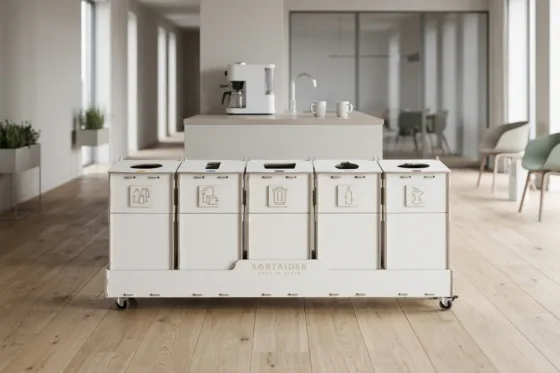
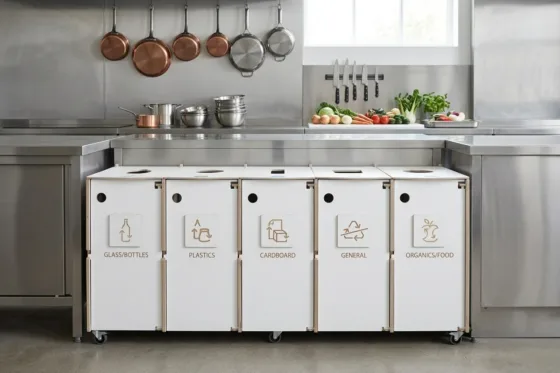
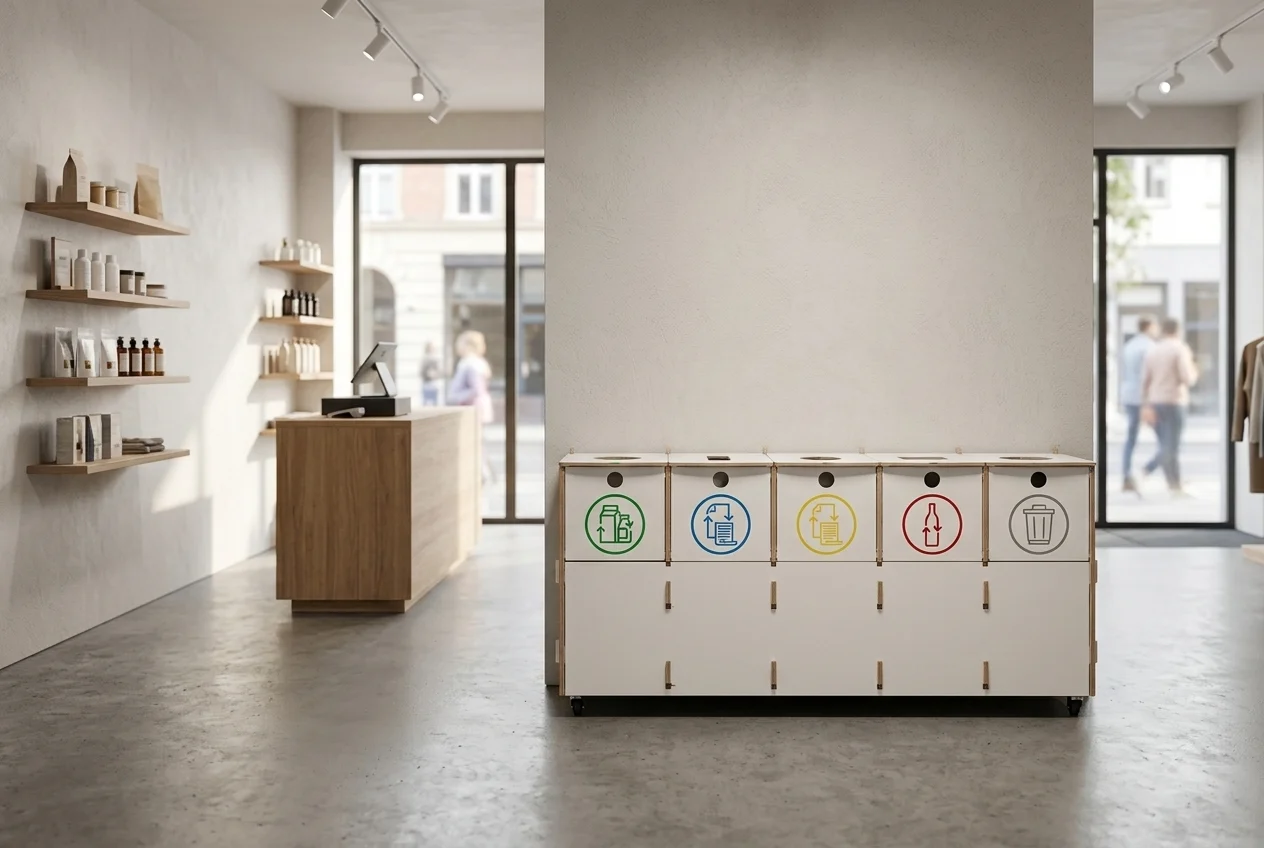
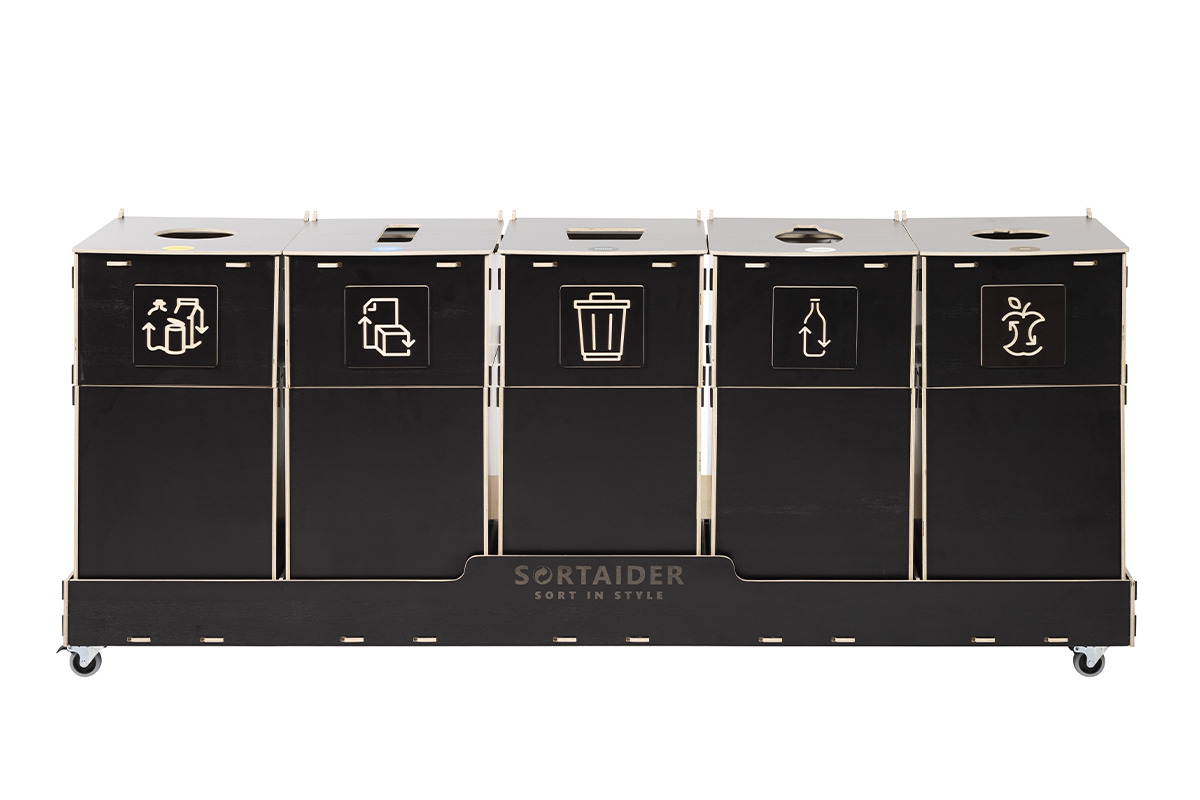
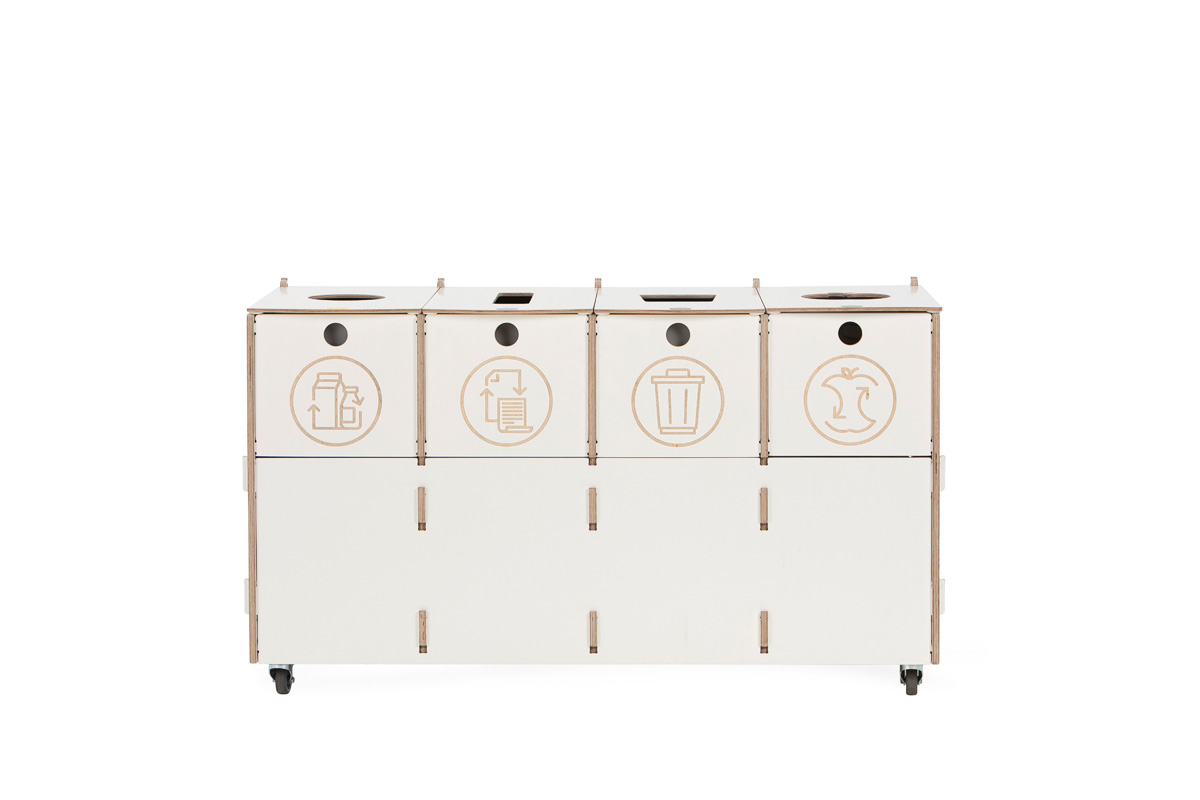
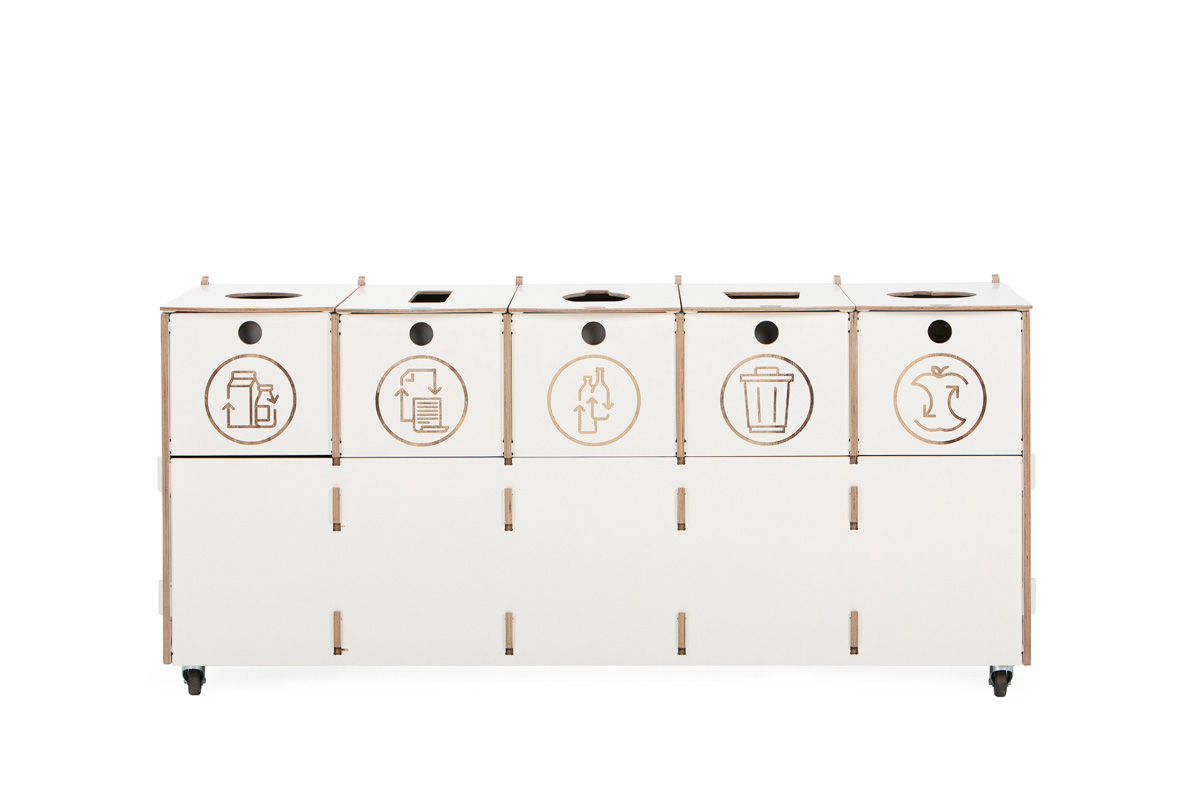
To maximize participation, you should replace scattered, single-stream bins with centralized recycling bins Container stations. Research suggests that centralized hubs can boost waste diversion by up to 40% compared to deskside or scattered bins. These stations should use clear, high-contrast pictograms and standardized color-coding to reduce contamination – a critical factor, as most facilities will reject a load if contamination exceeds 3–5%.
Managing Specialized Streams and Bio-Waste
Retailers with food service components face the added challenge of bio-waste, which carries high contamination risks. In Estonia, separate bio-waste collection is mandatory for sites generating more than 10kg per day. Sweden introduced mandatory food waste collection for all businesses in 2024, and by 2027, municipal collection rules will become even more stringent.
Durable Infrastructure for Organic Waste
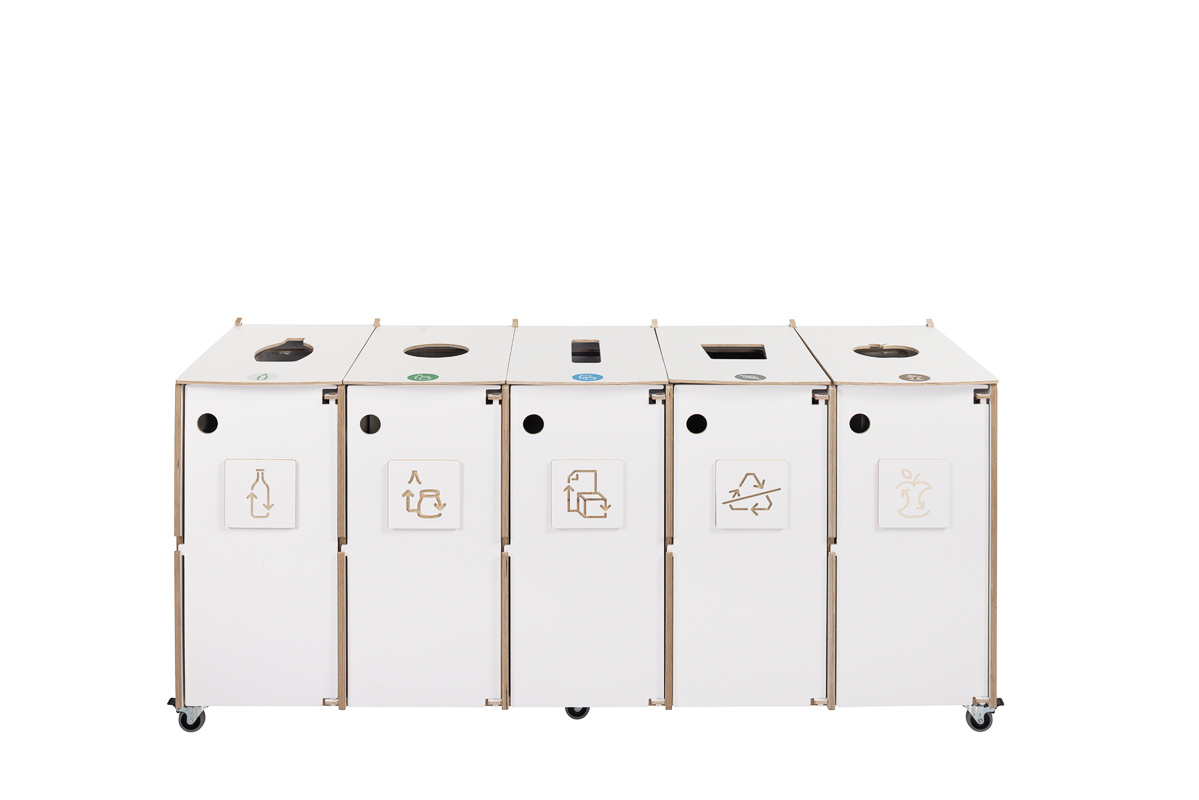
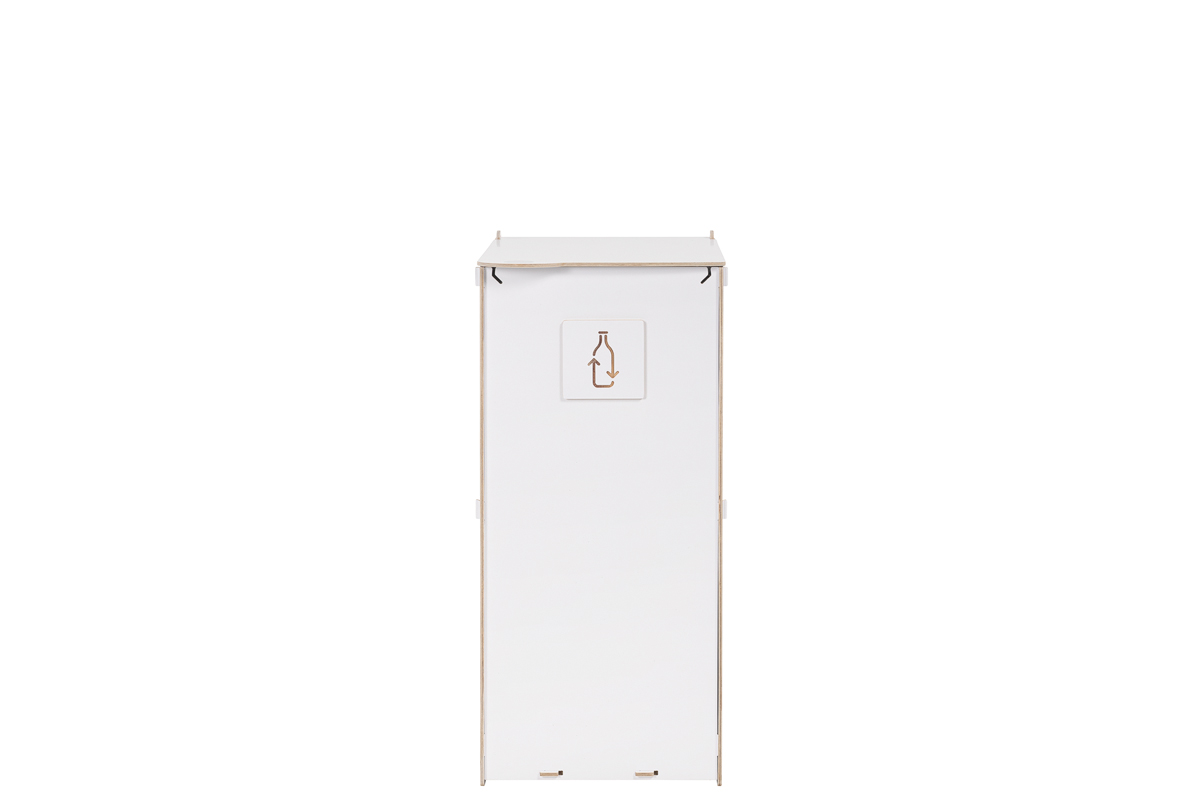
Successful bio-waste collection requires moisture-resistant, hygienic stations that can withstand frequent cleaning. Using waste bins Sort variants made from water-resistant birch plywood provides a durable, eco-friendly alternative to traditional plastic. This plywood construction is not only lighter but also has significantly lower CO₂ lifecycle emissions compared to metal or plastic alternatives.
Optimizing Placement and Hygiene
Strategic bin placement is the most significant driver of success in any retail facility. You should position bins in high-traffic corridors, near entrances, and in staff breakrooms to ensure that the how to set up recycling at work guide is followed naturally by both employees and customers.
Key Considerations for High-Traffic Environments
- Visual Integration: Use modular units that blend into the architectural design to maintain a professional atmosphere while clearly signaling recycling opportunities.
- Maintenance Efficiency: Choose systems that allow for quick bag changes and easy-to-clean surfaces to uphold strict hygiene standards in public spaces.
- Customization: Utilize custom laser engraving for specific waste streams unique to your operations, such as textile recycling or electronic waste, to ensure clear communication.
Implementing an efficient waste management system in a high-volume retail environment requires a balance of high-capacity hardware, clear visual communication, and adherence to regional regulations. By prioritizing high-quality, durable sorting stations, you reduce contamination, lower disposal fees, and ensure your facility meets the circular economy goals of the 2035 EU targets.
Explore our full range of modular sorting solutions to find the right configuration for your retail or distribution facility.