Did you know the average office worker generates 2kg of waste daily? While 75% is recyclable, poor sorting means only 30% is actually recovered. For facility managers, this gap is a financial drain. A systematic waste audit identifies these inefficiencies to ensure compliance and cut disposal fees.
Planning and Scoping the Audit
Before touching a single bin, you must define the scope of your audit to ensure the data is representative. A standard assessment typically lasts between one and seven days to account for the natural fluctuations in daily office activity. If you only measure waste on a quiet Friday, you will miss the high volumes generated during mid-week meetings or catering events.
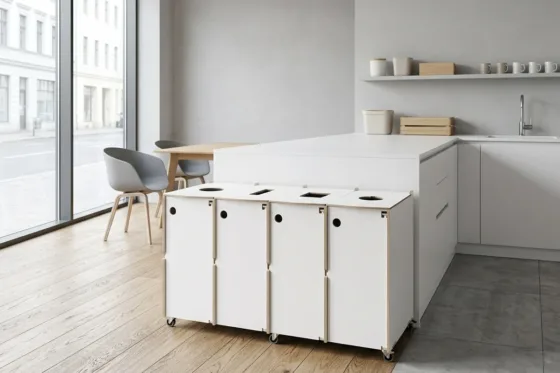
To prepare for the physical sort, gather a team and equip them with industrial scales for accurate weighing, protective gear such as gloves and masks, and data logs to record findings by location. You will also need temporary storage, such as mobile recycling containers, to keep waste streams separate during the analysis. Defining whether you are measuring the entire building or just high-impact zones like the cafeteria will help you set realistic benchmarks for your facility’s performance.
Collection and Categorization Strategies
To gain actionable insights, you must track where waste originates within your layout. Waste from a breakroom, often heavy with organics, looks very different from the paper-heavy waste generated at a bank of desks. Collect bags from different zones – kitchens, printer rooms, and open-plan areas – keeping them strictly separate to identify specific problem areas.
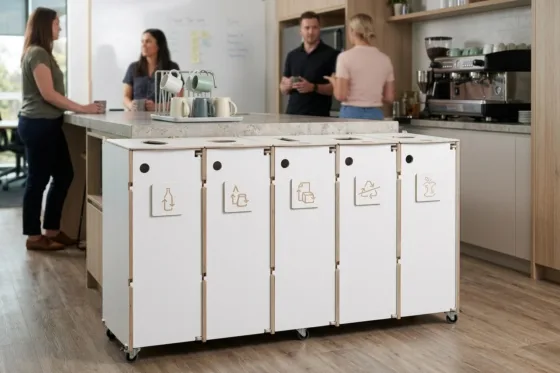
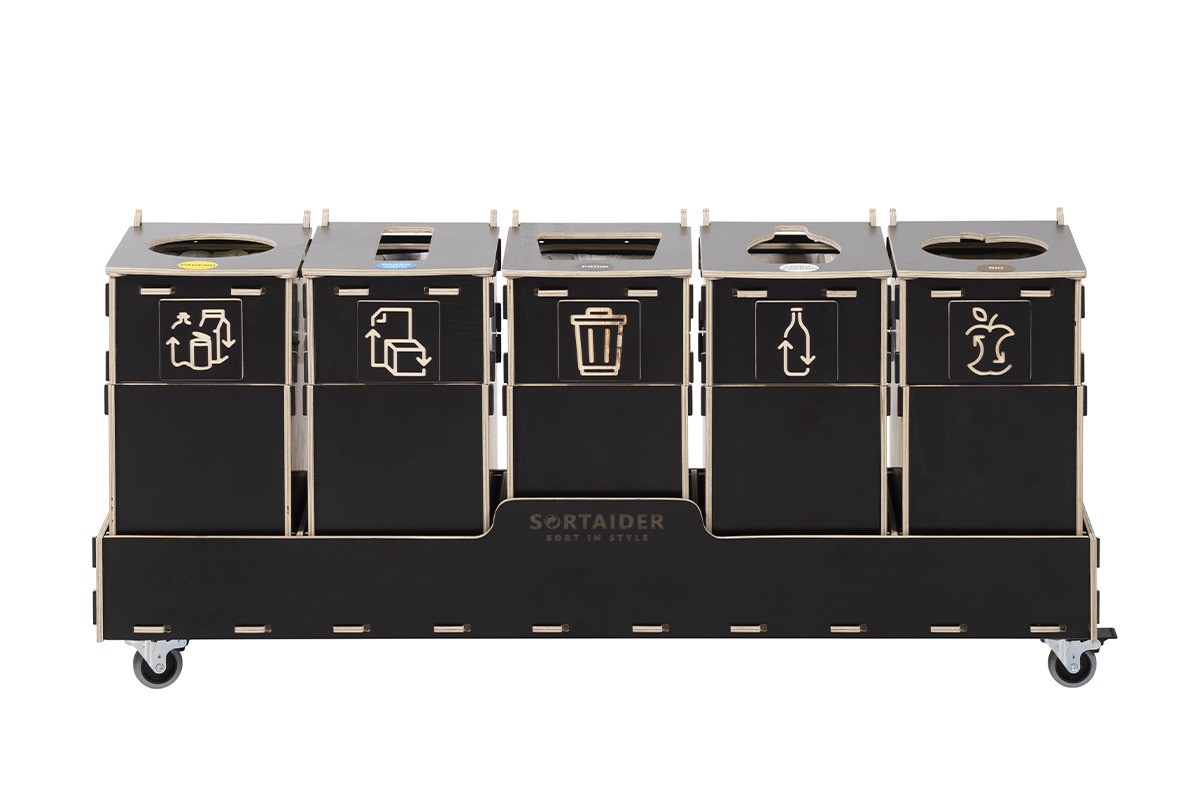
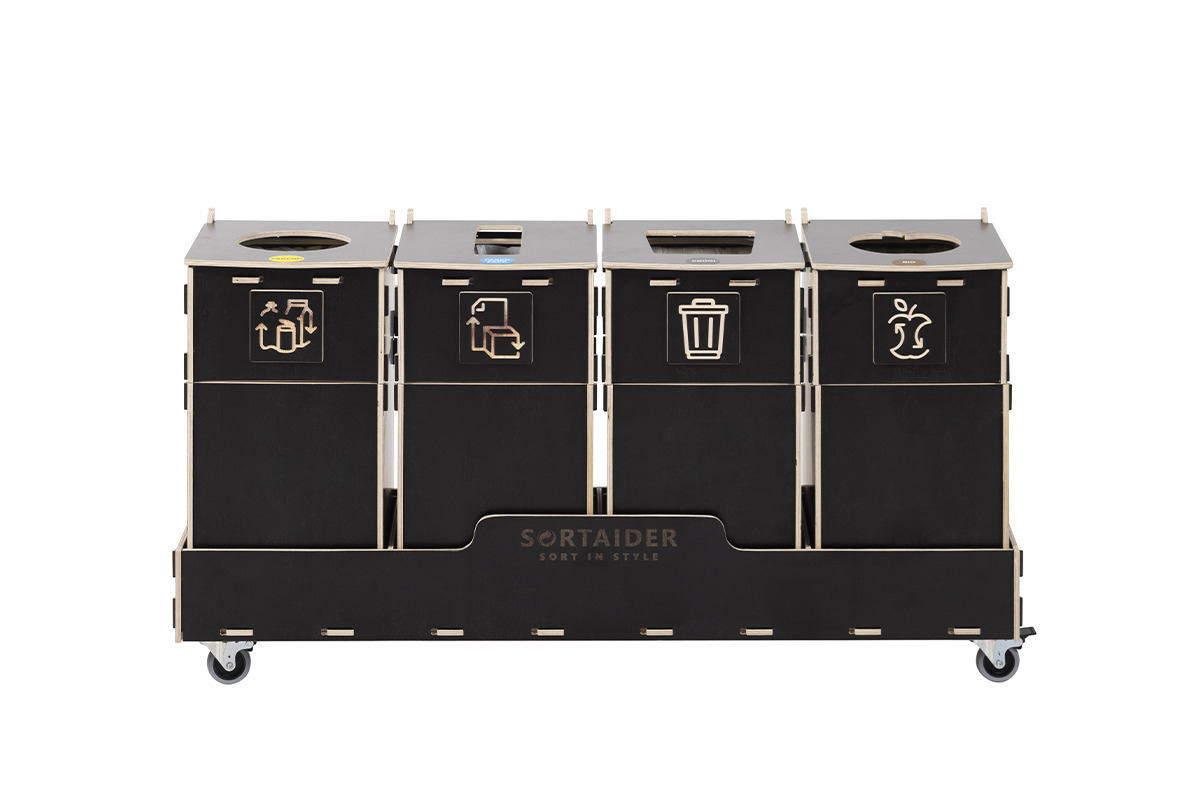
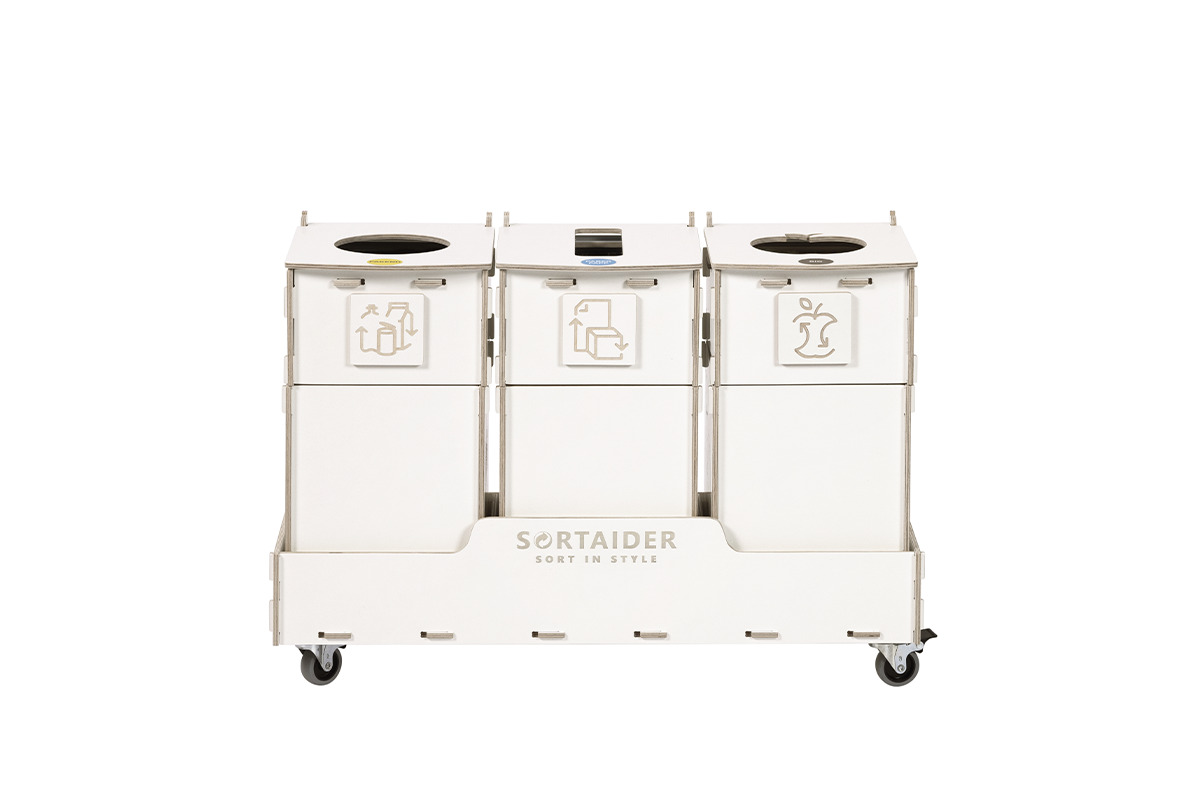
Most professional environments manage several distinct streams. Paper and cardboard usually constitute the largest volume, often accounting for nearly half of total office output. This is followed by plastics, primarily beverage bottles and packaging films, and organics. Food waste is particularly problematic; if it leaks into paper streams, it causes high contamination rates that can lead to entire loads being rejected at the processing facility. You should also monitor e-waste, such as old cables and batteries, alongside residual waste destined for the landfill. Implementing modular recycling bin sorters allows your team to maintain this separation at the point of disposal throughout the audit period and beyond.
Sorting and Measuring for Actionable Data
Once you have collected the material, the sorting phase begins. You should weigh each category and record the data to calculate your Diversion Rate – the percentage of waste successfully kept out of landfills. This data acts as a financial barometer; research indicates that right-sizing waste services based on actual audit results can reduce disposal costs by 30% to 50% by lowering collection frequency and reducing general waste volume.
During this phase, pay close attention to the contamination level. Finding organic food waste inside a paper recycling bag typically means the entire bag is non-recyclable. By quantifying these errors, you can identify exactly which departments need better signage or more intuitive recycling bins to improve sorting accuracy.
Analysis and Strategic Implementation
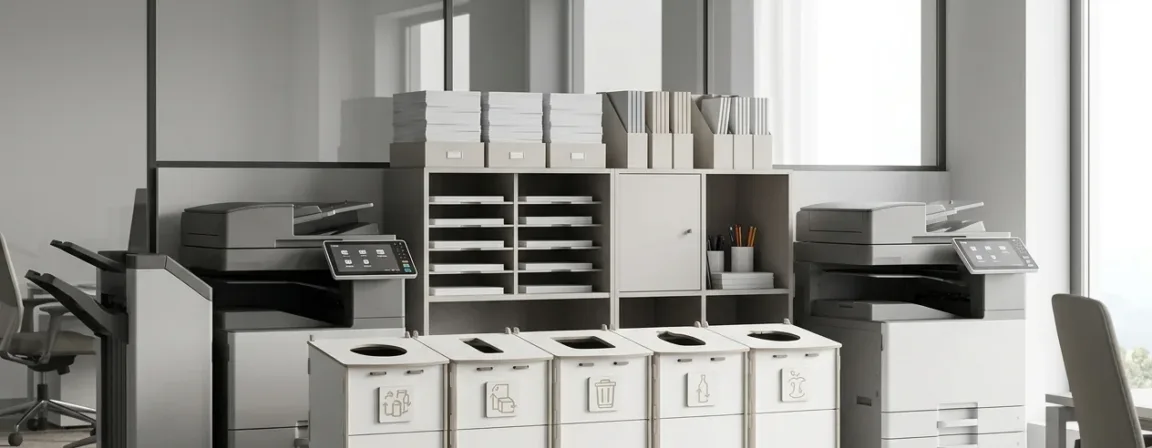
The data from your audit should directly influence your procurement and facility strategy. If the audit reveals a high volume of single-use plastics in the kitchen, it is a clear signal to transition toward reusable alternatives. For offices where paper waste remains high despite digital initiatives, placing high-capacity sorting stations near printers can capture that material before it enters the general waste stream.
In European markets like Scandinavia and the Baltics, waste regulations are becoming increasingly stringent under the EU Waste Framework Directive. This framework emphasizes producer responsibility and a strict waste hierarchy: reduce, reuse, and then recycle. Businesses in these regions are under growing pressure to provide transparent data on their waste handling. Audits provide the necessary documentation to prove compliance while identifying opportunities to generate revenue from high-quality recyclables.
Long-Term Waste Management Success
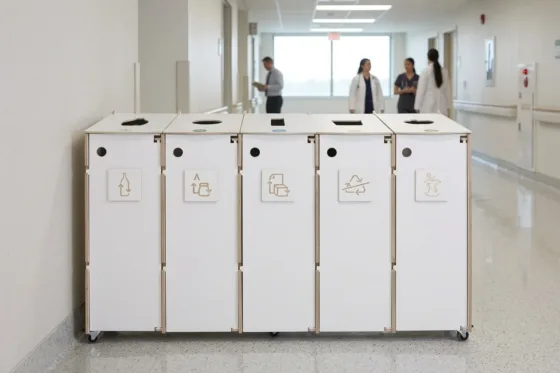
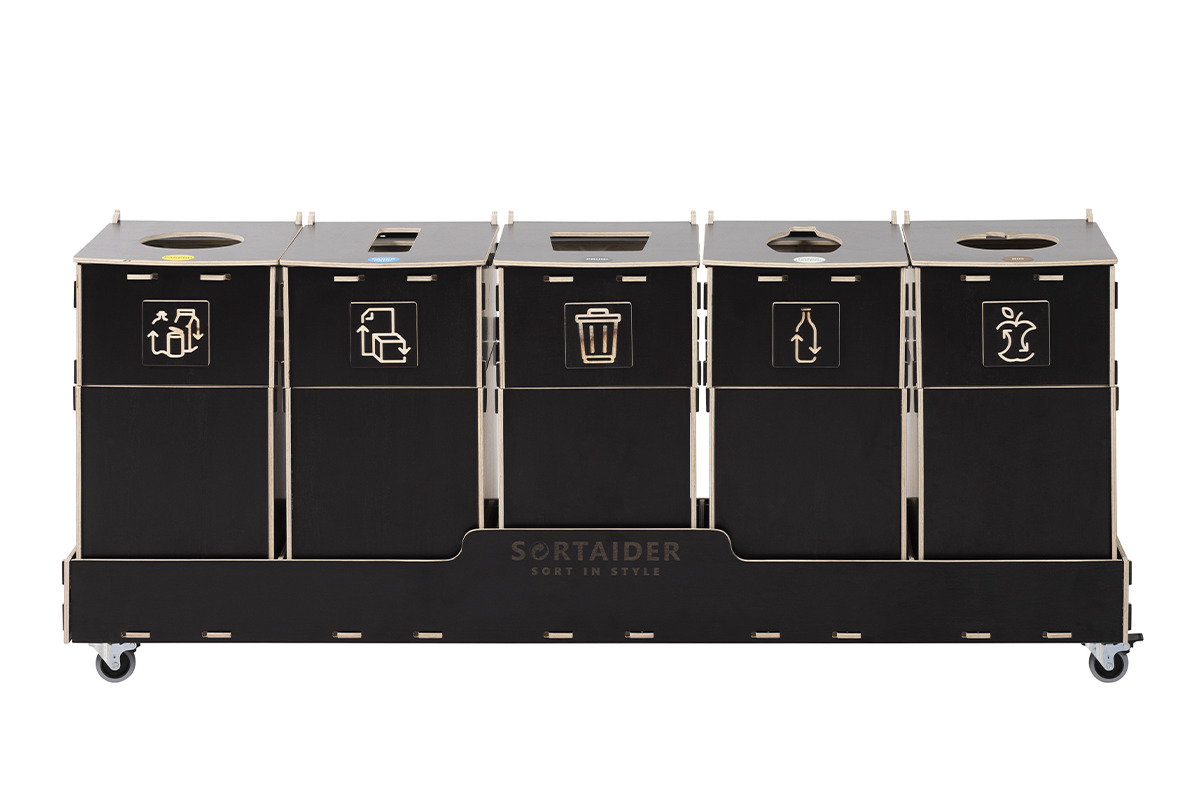
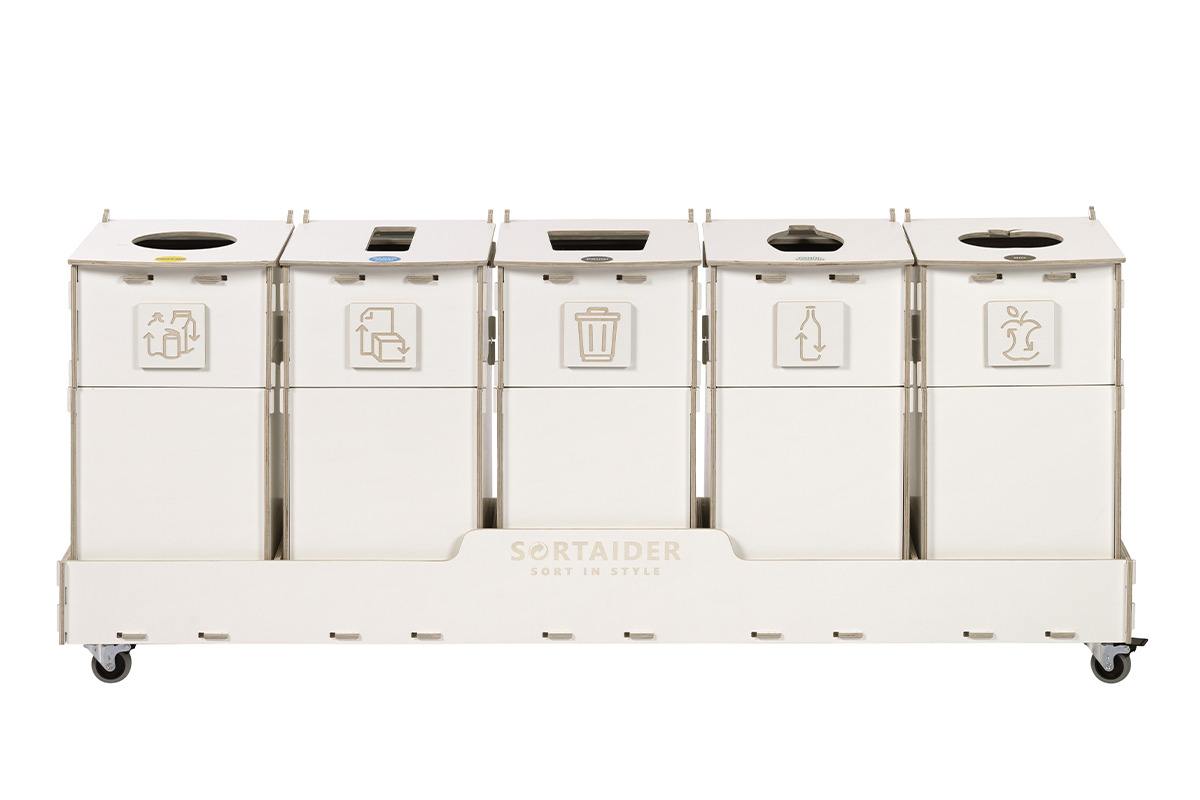
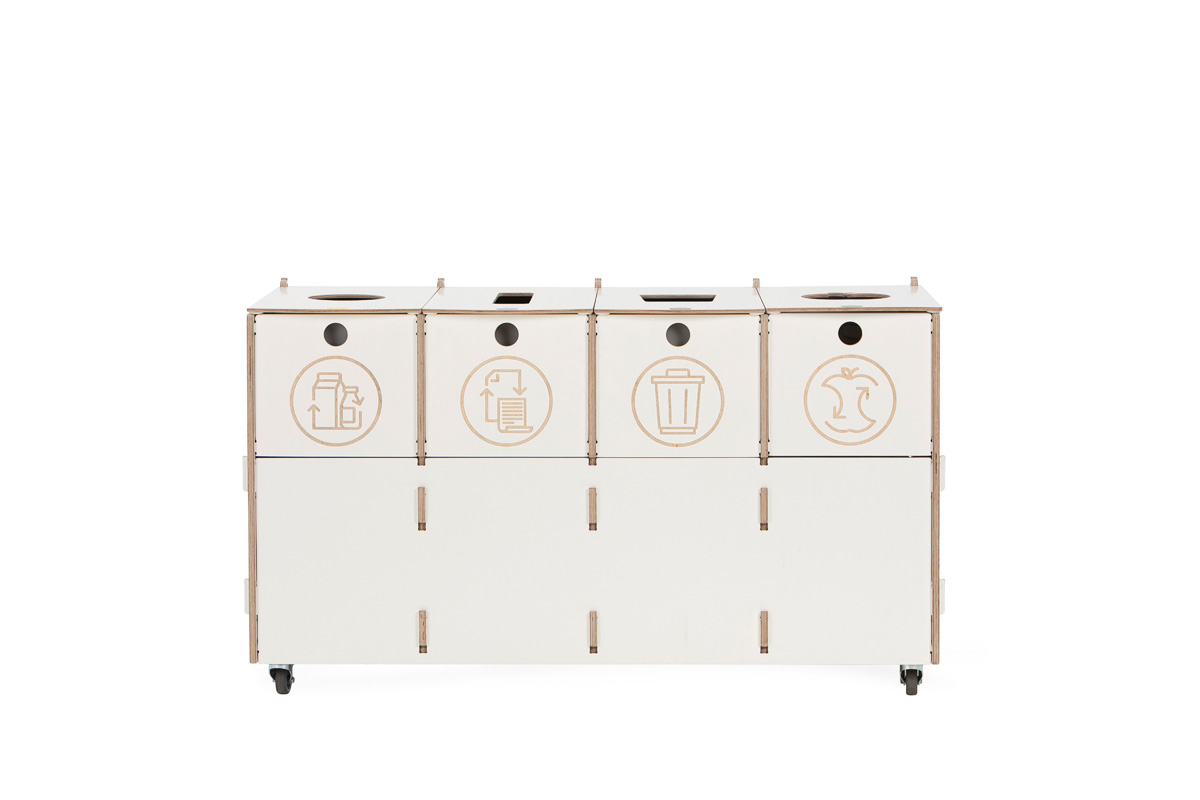
Successful waste strategies rely on intuitive design rather than employee willpower. If a bin is difficult to access or poorly labeled, users will default to the most convenient option, which is usually the general waste bin. Use your audit findings to strategically place multi-compartment recycling bins in high-traffic corridors and communal hubs.
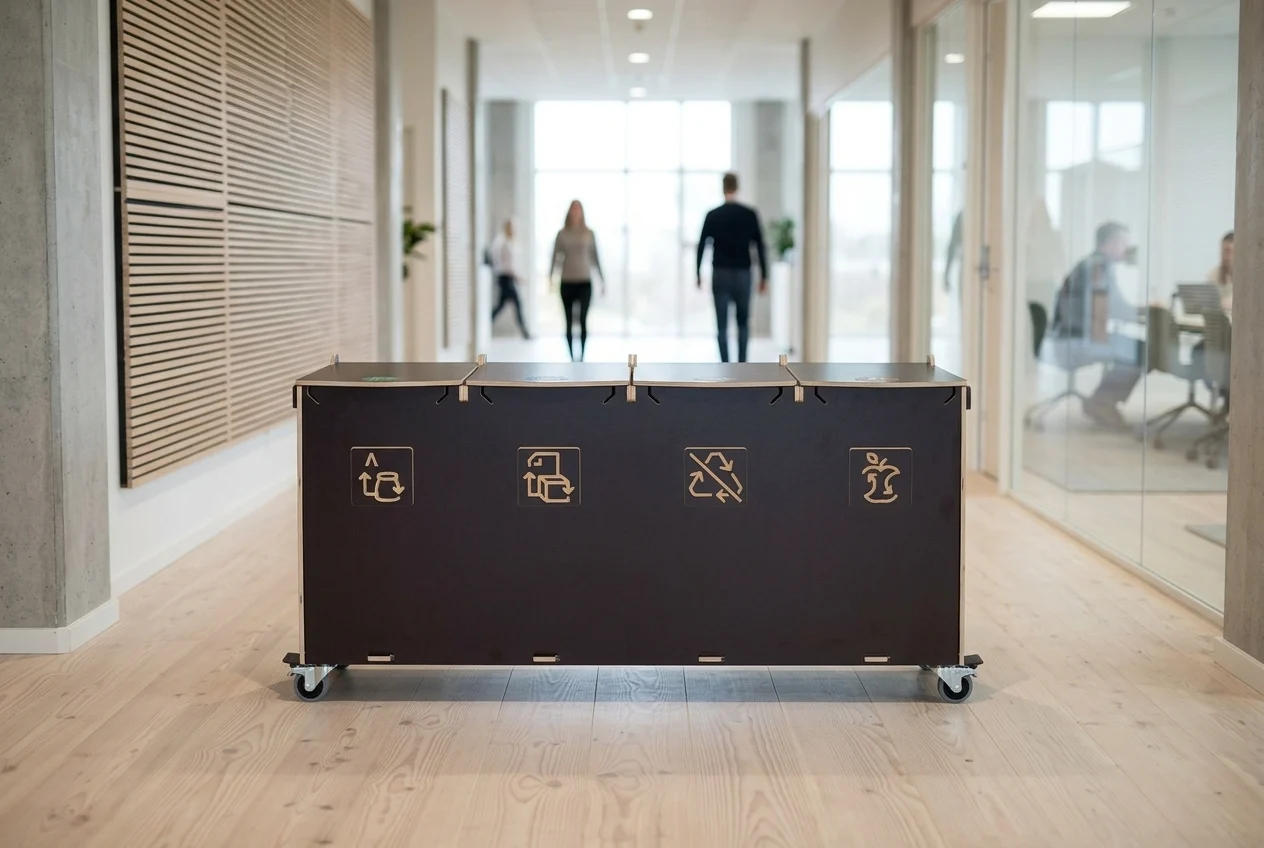
Physical infrastructure also plays a role in your organization’s carbon footprint. Choosing moisture-resistant waste bins made from sustainable materials like plywood can offer significantly lower CO2 lifecycle emissions than traditional plastic or metal alternatives. This ensures that the tools you use to manage waste are as environmentally friendly as the recycling program itself.
-
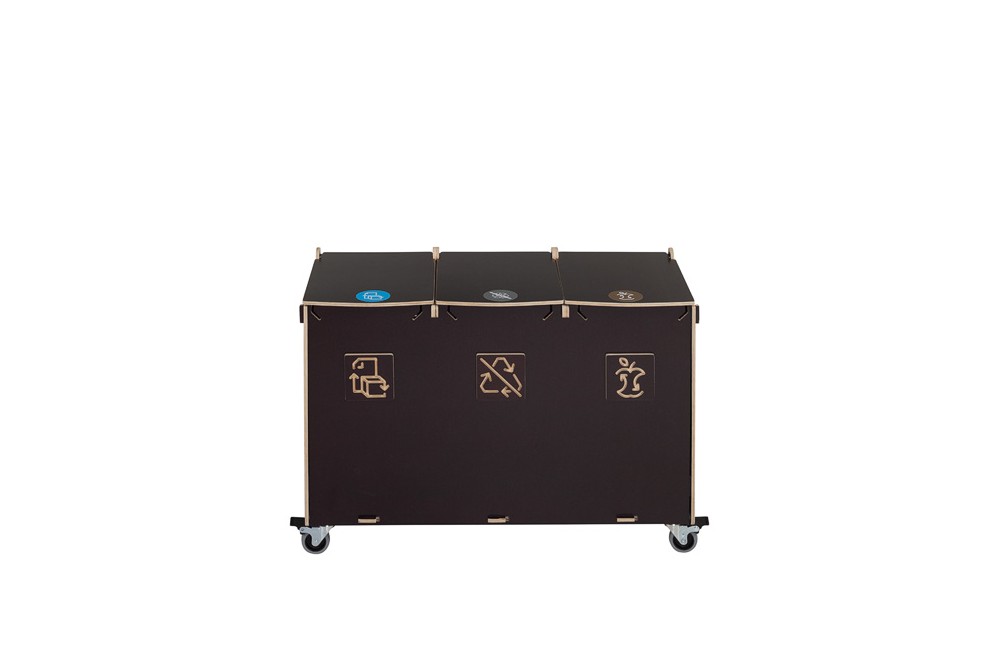
Recycling bin Sorta 20B3
3 types of waste 3 x 20 L384,40 € (incl. 24% VAT)310 € (excl. VAT) -
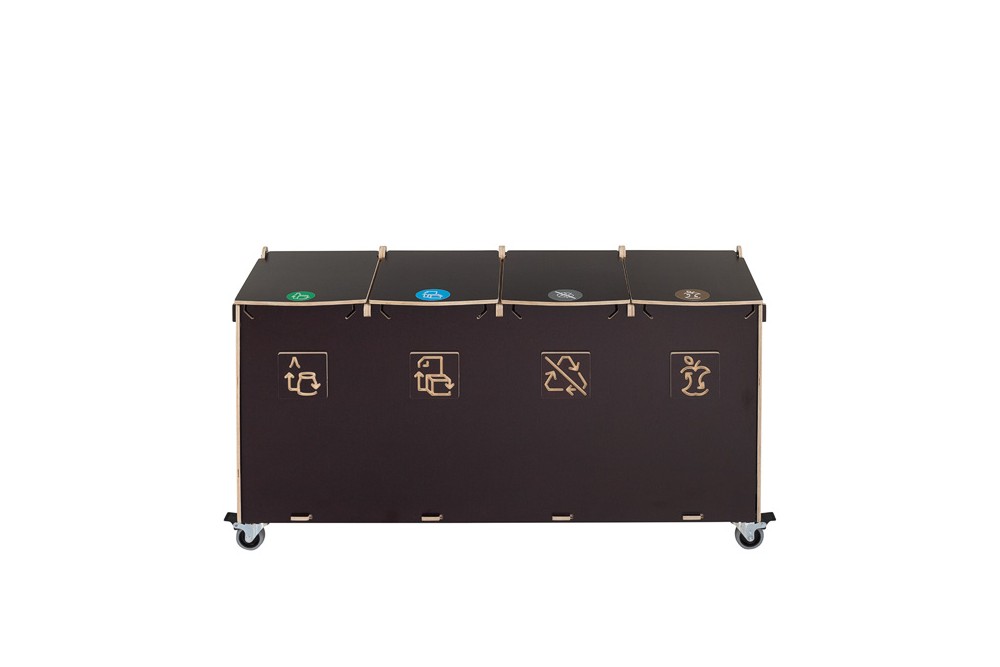
Recycling bin Sorta 20B4
4 types of waste 4 x 20 L458,80 € (incl. 24% VAT)370 € (excl. VAT) -
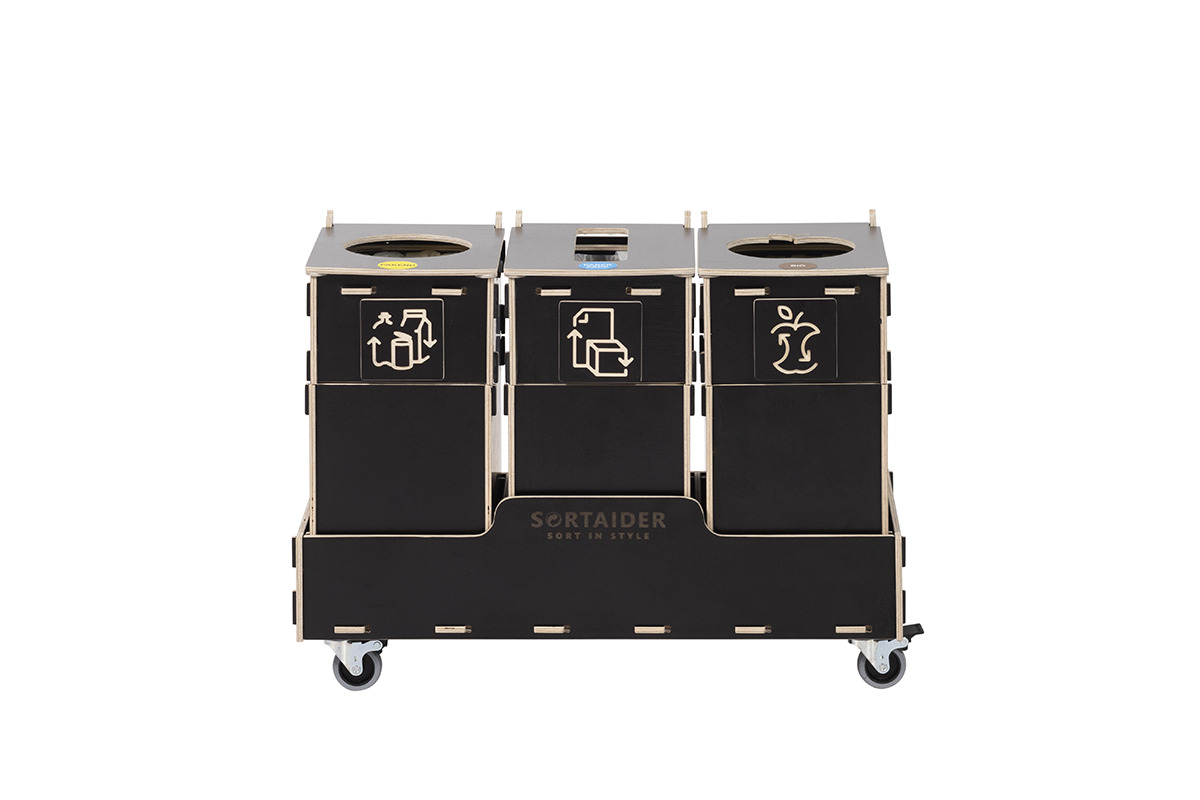
Recycling bin Sorter 10B3
3 types of waste 3 x 10 L297,60 € (incl. 24% VAT)240 € (excl. VAT) -
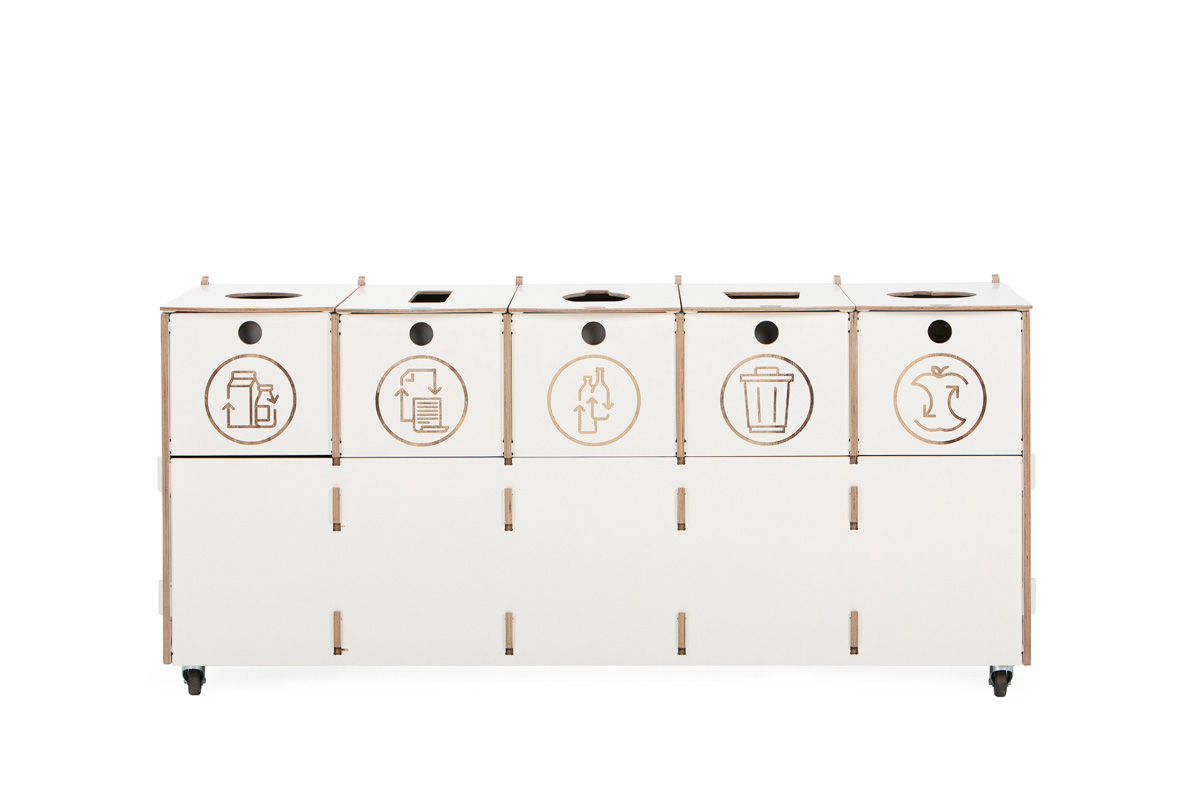
Recycling bin Container W5
5 types of waste 5 x 40 L1 798 € (incl. 24% VAT)1 450 € (excl. VAT)
A waste audit is a benchmark for continuous improvement rather than a one-time event. By quantifying your output today, you can set realistic KPIs for the coming year, significantly reducing your environmental impact while protecting your bottom line. To start optimizing your facility based on your audit data, explore our modular waste sorting solutions designed for modern professional environments.