Why is proper waste sorting important?
Proper sorting allows materials to be recycled, reducing the use of new resources. Each type of waste has a different environmental impact. Proper sorting helps minimize this impact.
Waste sorting: What and where?
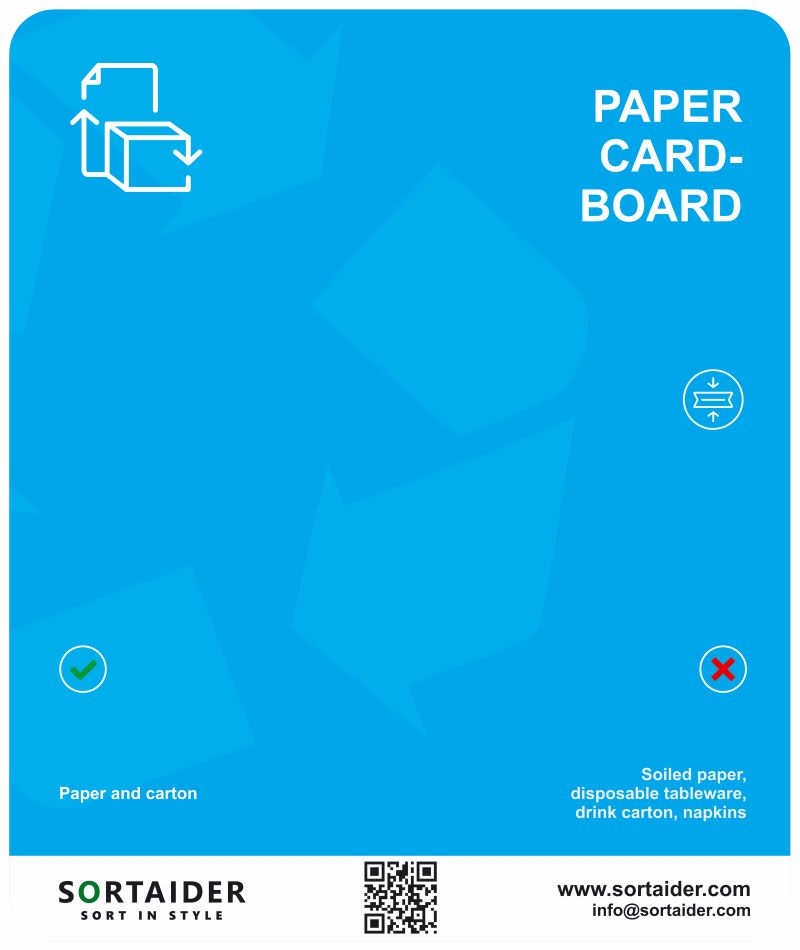
Cardboard and paper:
This waste category includes: cardboard boxes, paper bags, wrapping paper, clean food cardboard and paper packaging.
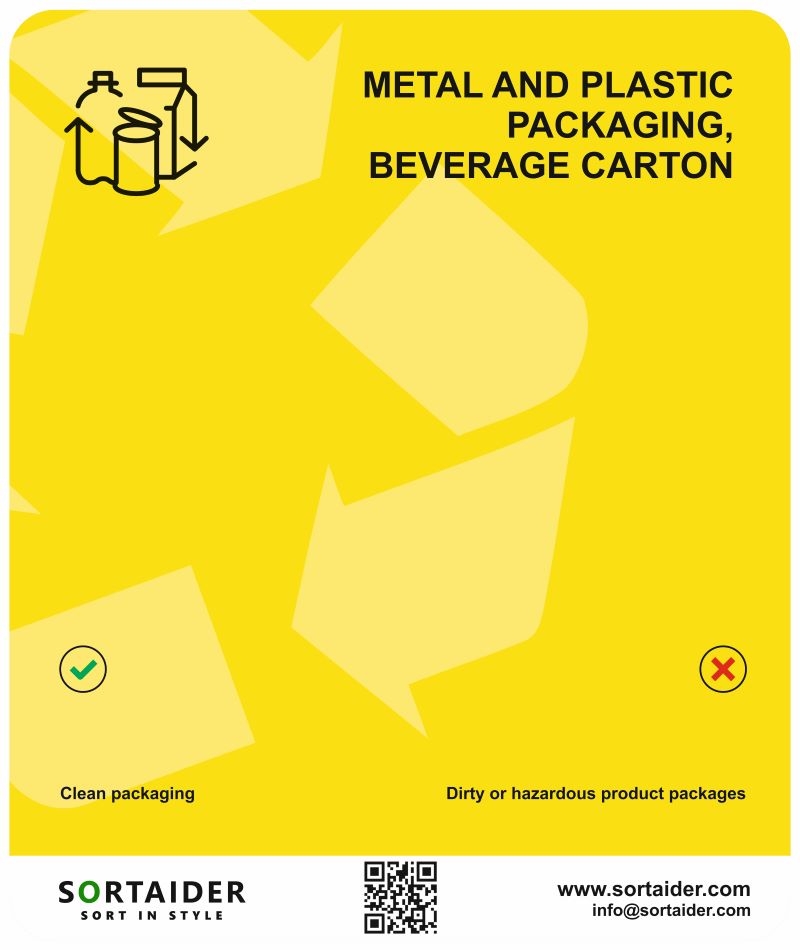
Mixed packaging:
This waste category includes: drink cartons, plastic packaging, metal packaging.
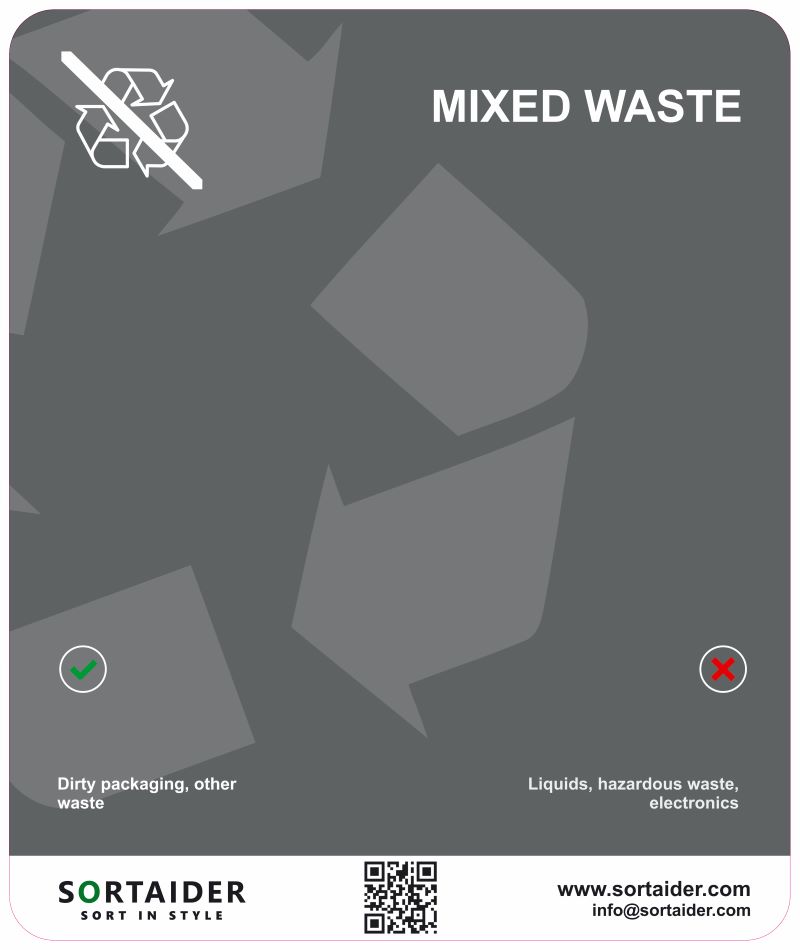
Mixed household waste:
This waste category includes: very dirty and hard-to-clean packaging, large bones from food waste, food supplements and vitamins, cosmetics, diapers, sanitary pads, tampons, packaged wipes, cat litter, cooled ash, animal droppings, CDs, empty/broken pens, paper clips, incandescent light bulbs, cigarette butts, used paper dishes, glass shards, broken dishes (cups, glasses, plates).
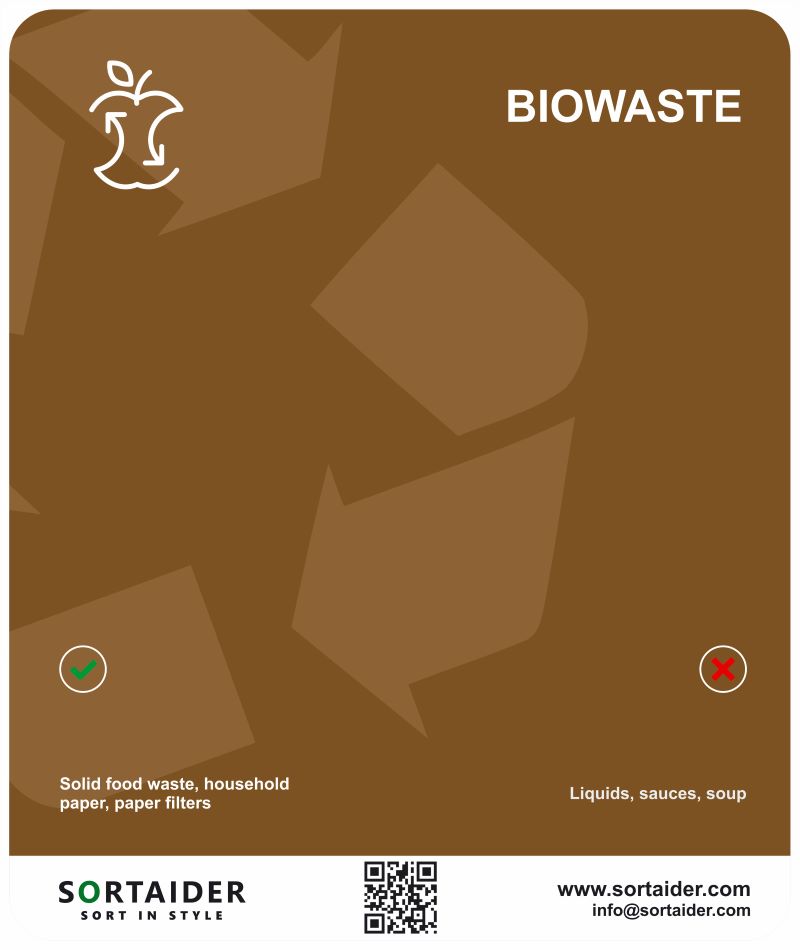
Bio-waste:
This waste category includes: spoiled food and food waste, fruit and vegetable peels and cores, nutshells, coffee grounds and filters, cut flowers, and houseplants without pots.
Tip: It is recommended to get a composter for bio-waste if possible.
Deposit containers:
This waste category includes: bottles and jars with a deposit mark.
Forming the habit of proper waste sorting requires awareness at first, but it quickly becomes a natural part of everyday life. It is important to understand that every step we take is crucial towards a greener tomorrow. By starting with simple tips and sorting correctly, we can all be part of the solution and help create a more sustainable environment.
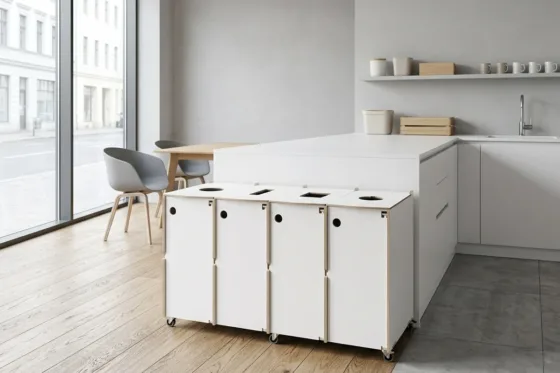
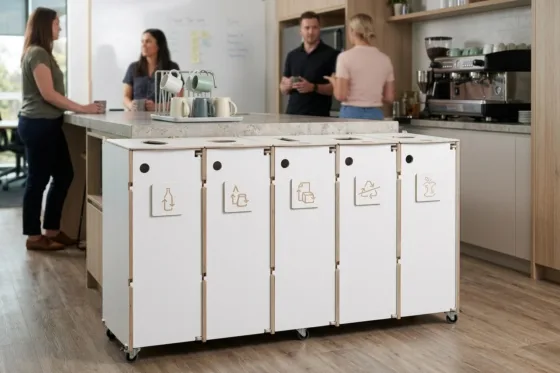
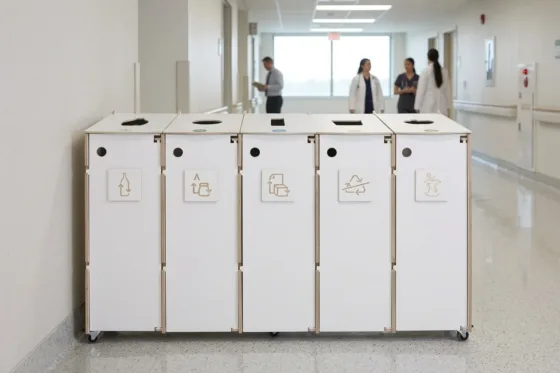
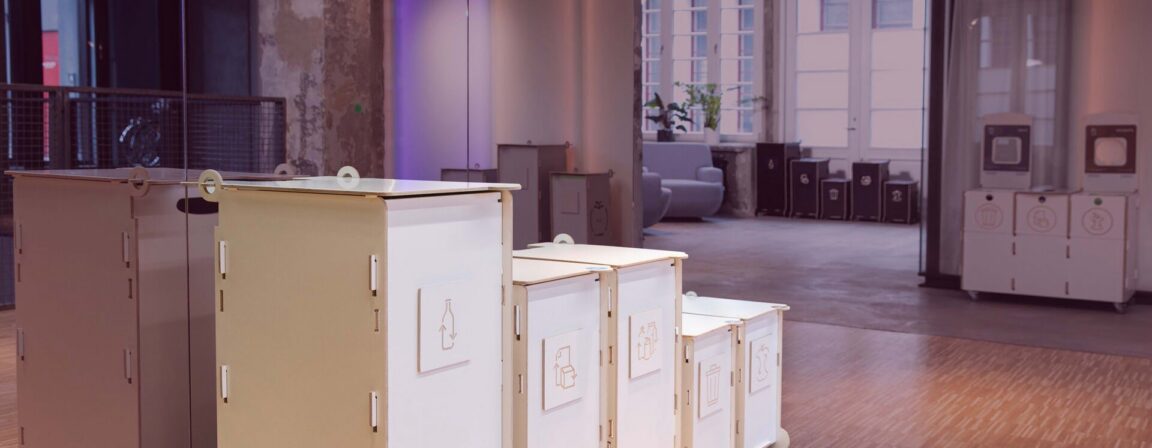
Our recycling bins Container and Sorter waste bins help you sort waste types easily and quickly. Check them out!