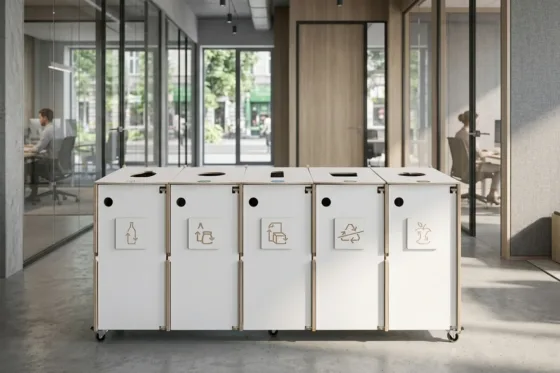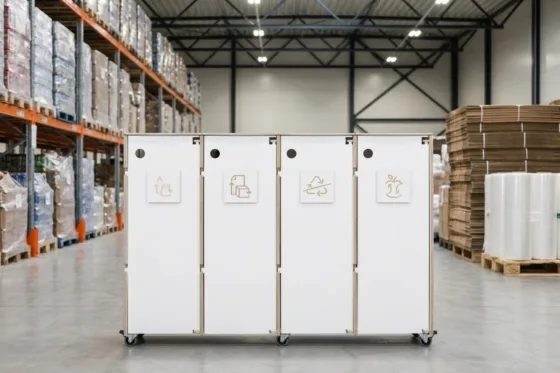
Did you know that switching from text-heavy labels to clear visual icons can reduce sorting errors by up to 40% in multilingual European offices? Effective signage is the bridge between your sustainability goals and the actual behavior of your employees and visitors.
Why Visuals Outperform Text
In a busy professional environment, individuals make disposal decisions in a matter of seconds. Research indicates that signage utilizing icons or pictures of permitted items significantly outperforms text-only instructions by bridging language gaps and accelerating cognitive processing. This is particularly vital in diverse European workplaces where staff may speak multiple languages. Consistency across the facility is equally essential; studies have shown that uniform sign positioning across all bins improves sorting performance. When a label for paper is consistently placed in the same spot on every unit, users develop muscle memory, which significantly reduces the mental effort required to set up recycling at work effectively.
The Permitted Only Rule
A common pitfall in facility management is the inclusion of “What NOT to recycle” lists on bin labels. While well-intentioned, research demonstrates that icons of prohibited items can actually interfere with user performance by causing confusion at the point of disposal. To maintain a clean office waste management plan, your signage should focus exclusively on high-contrast images of items that belong in that specific stream. This clarity ensures that employees do not hesitate, leading to cleaner streams and fewer contamination fines from waste haulers who may reject loads if contamination exceeds a 3–5% threshold.
Ergonomics and Physical Cues
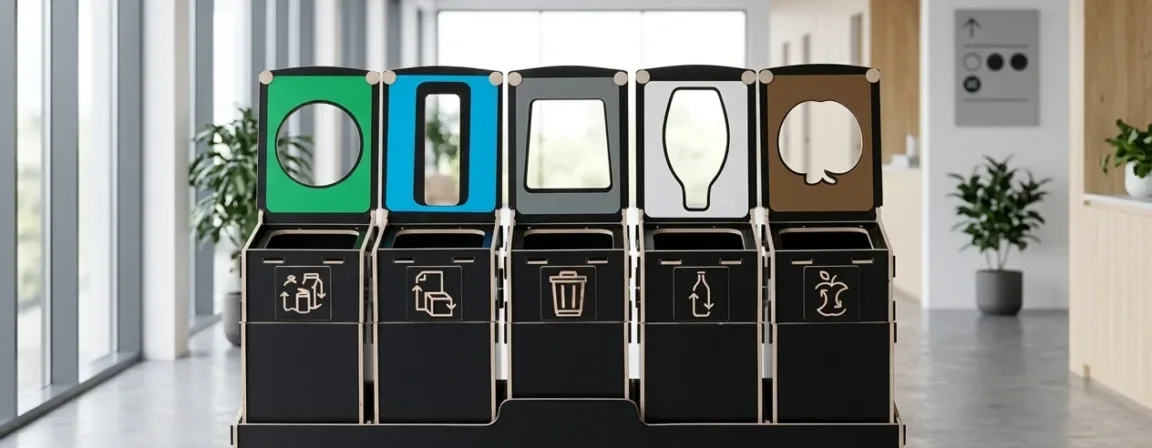
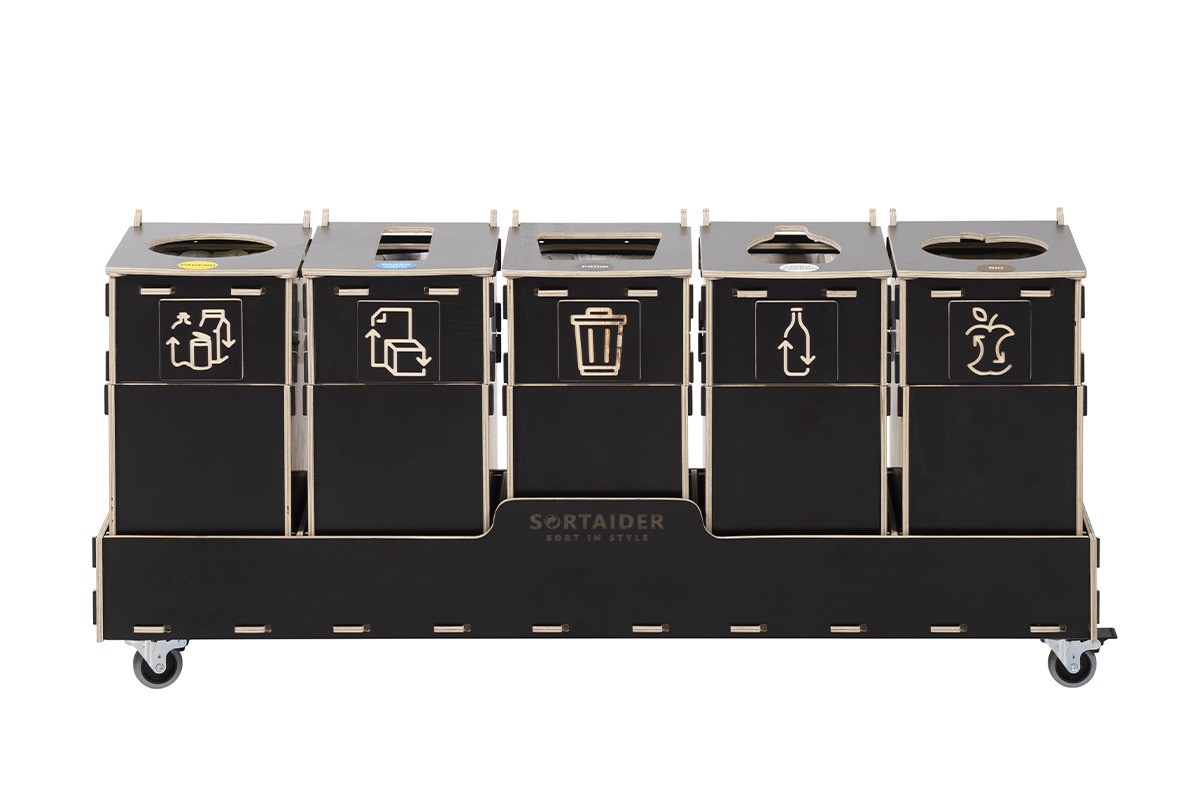
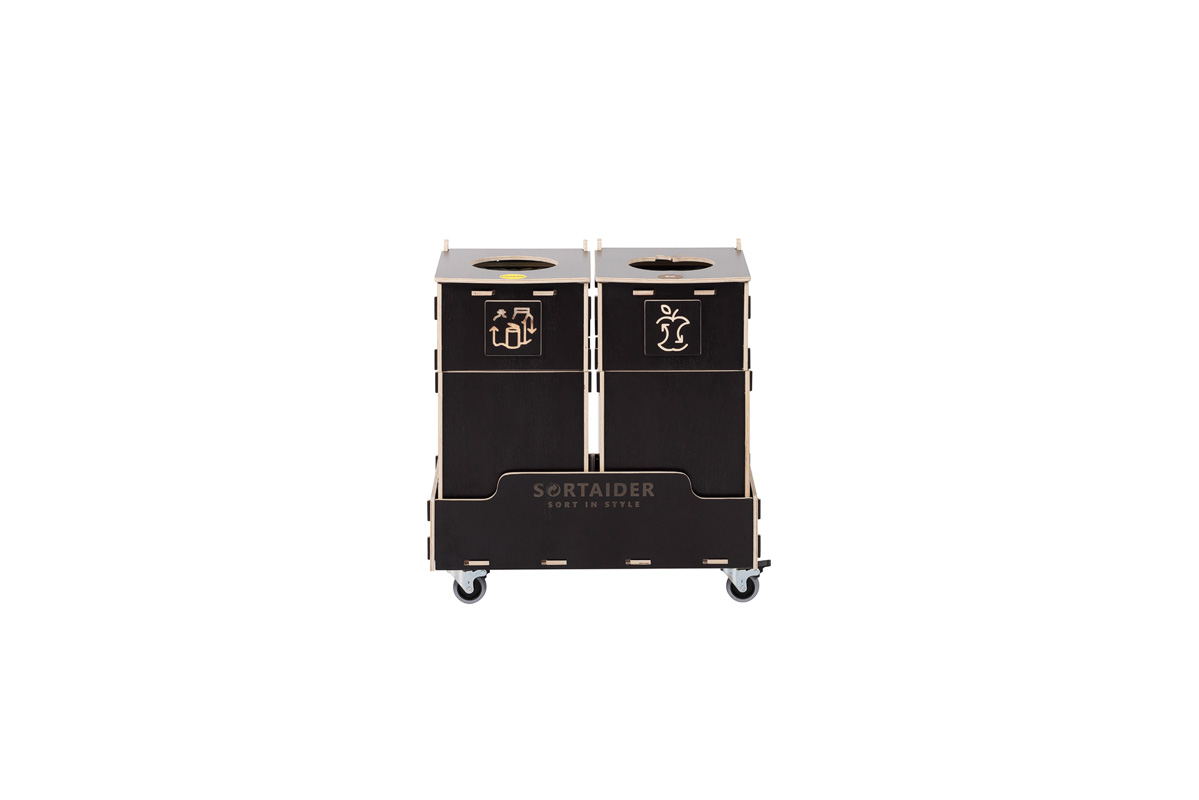
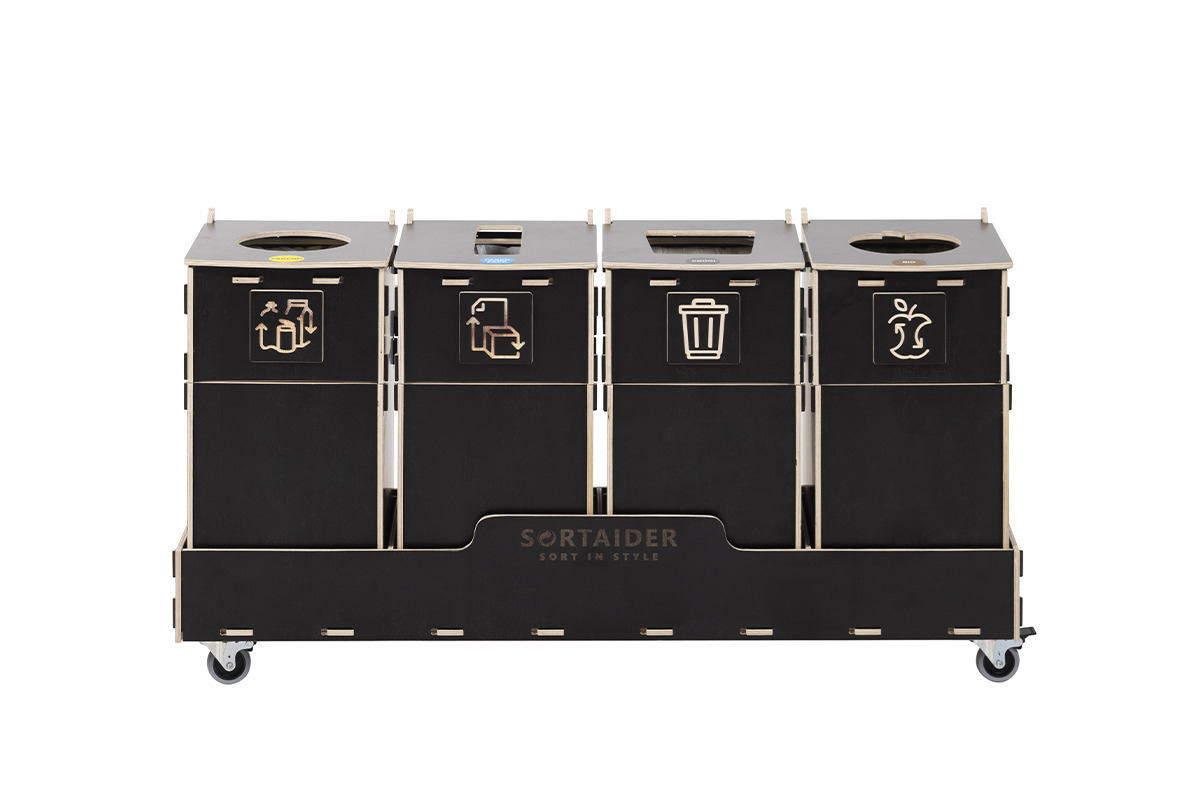
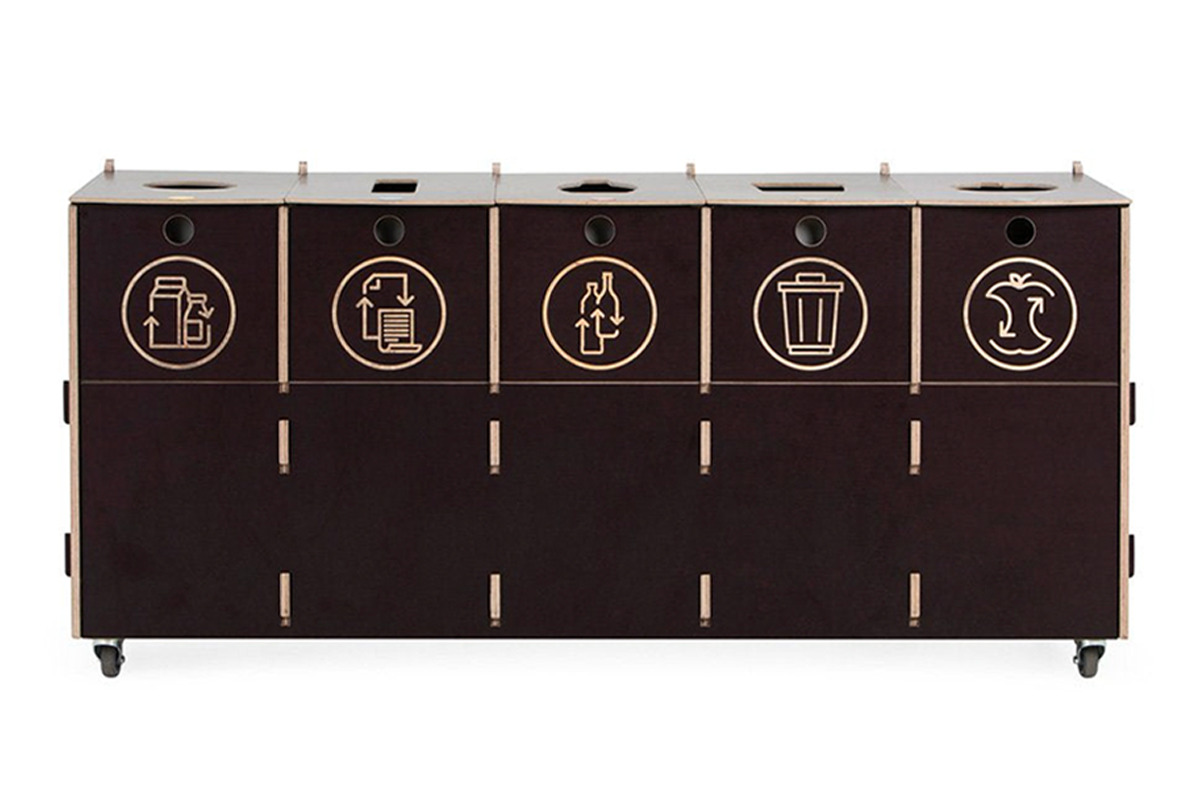
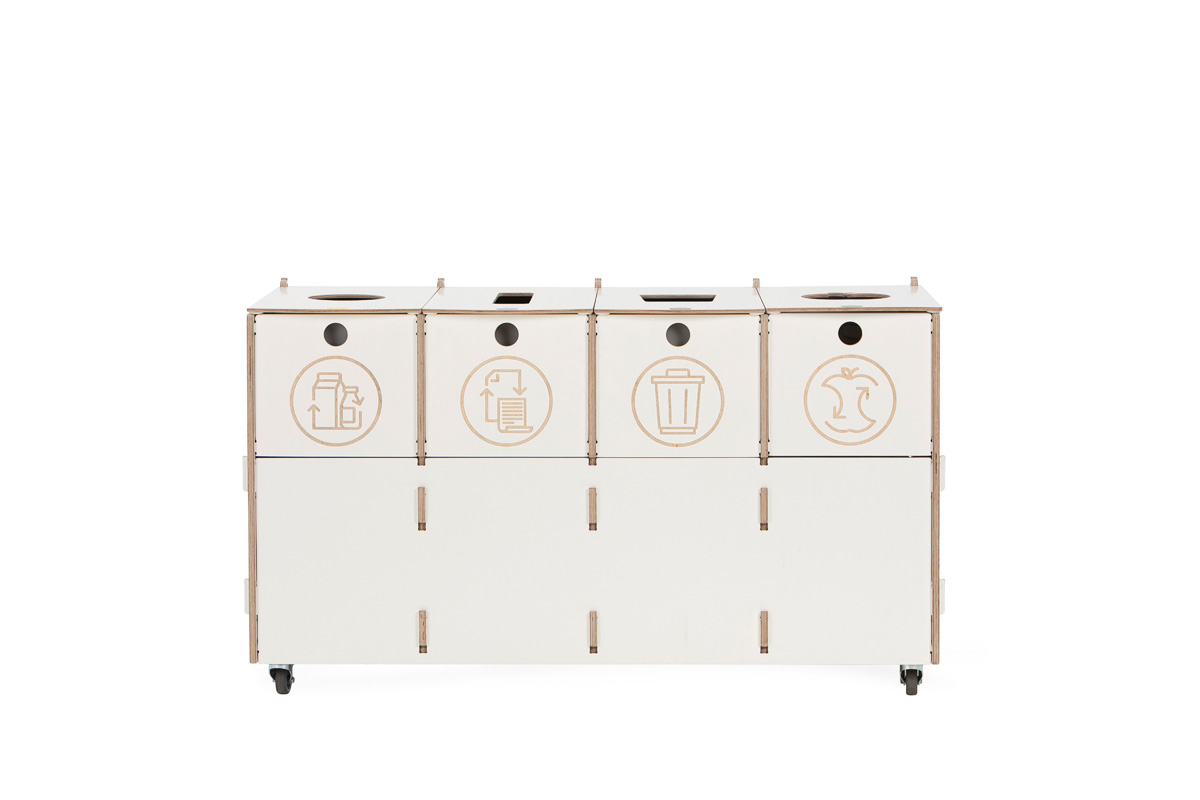
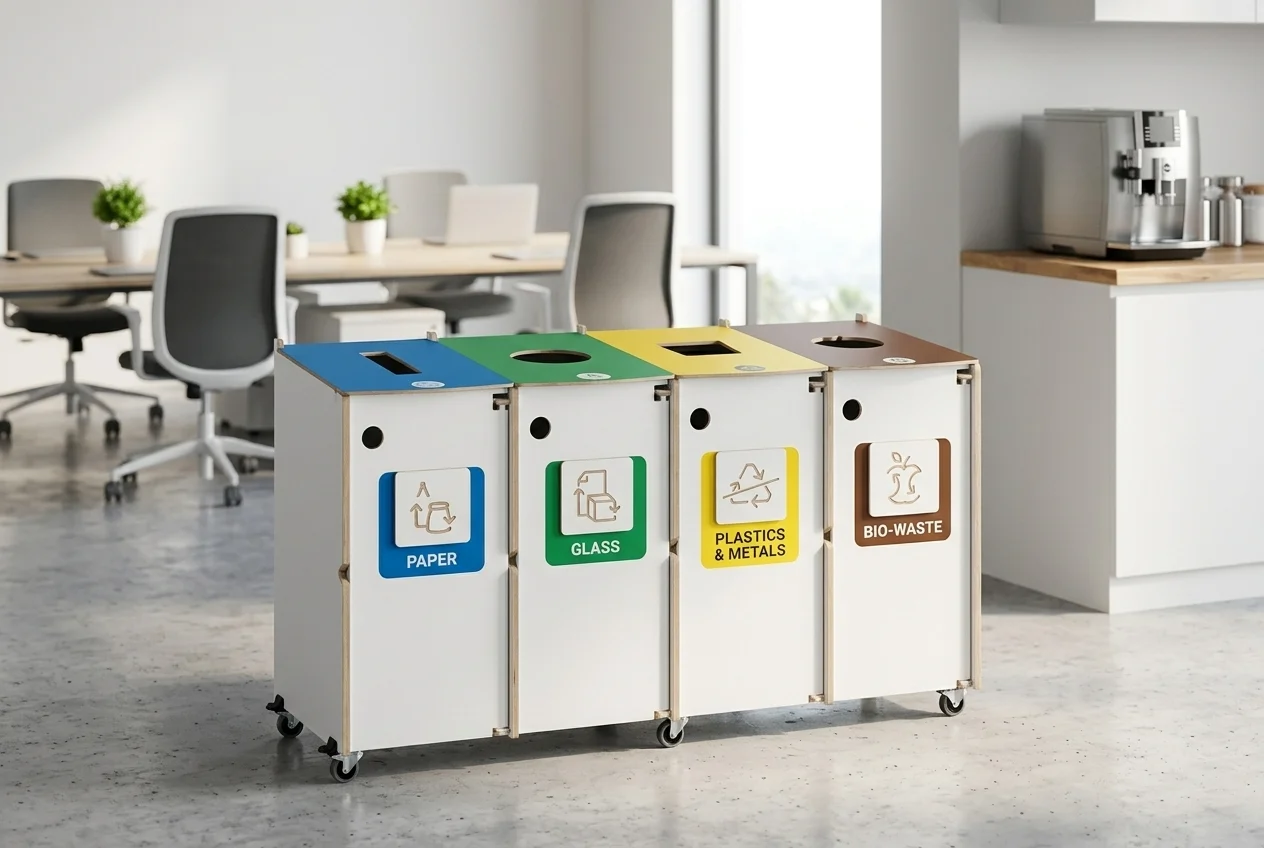
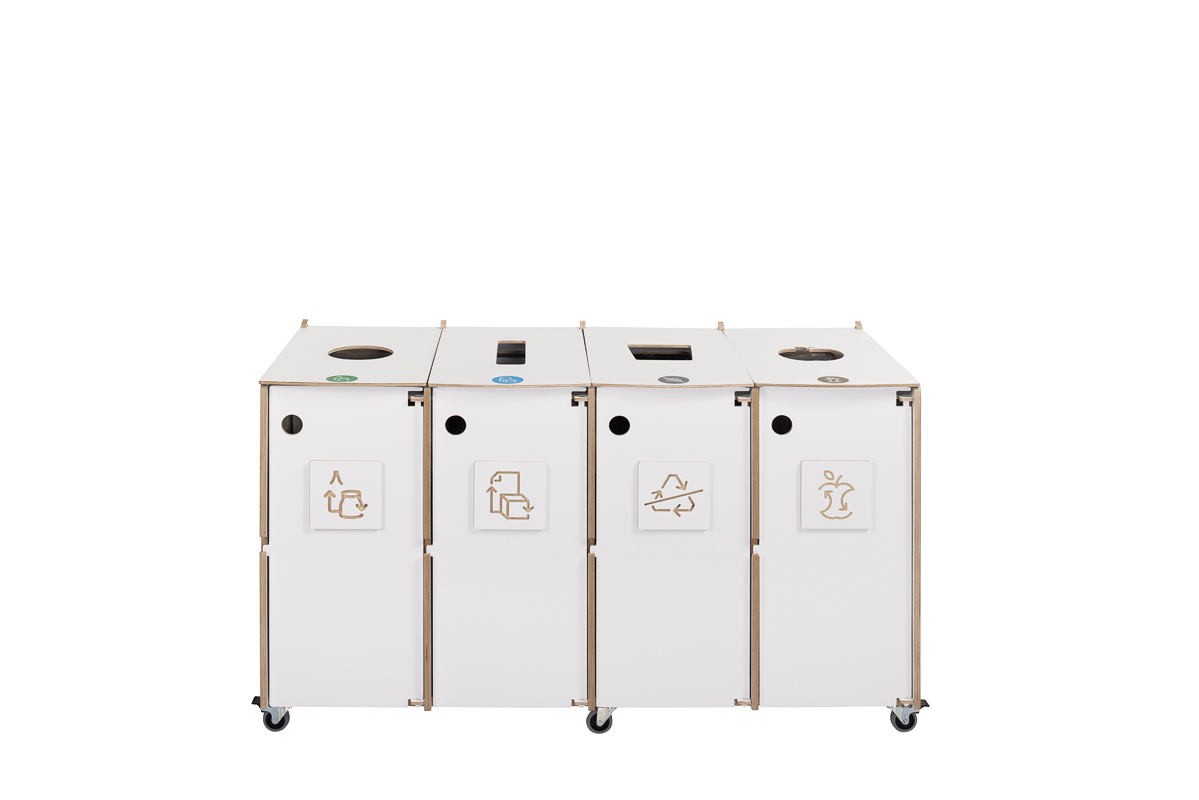
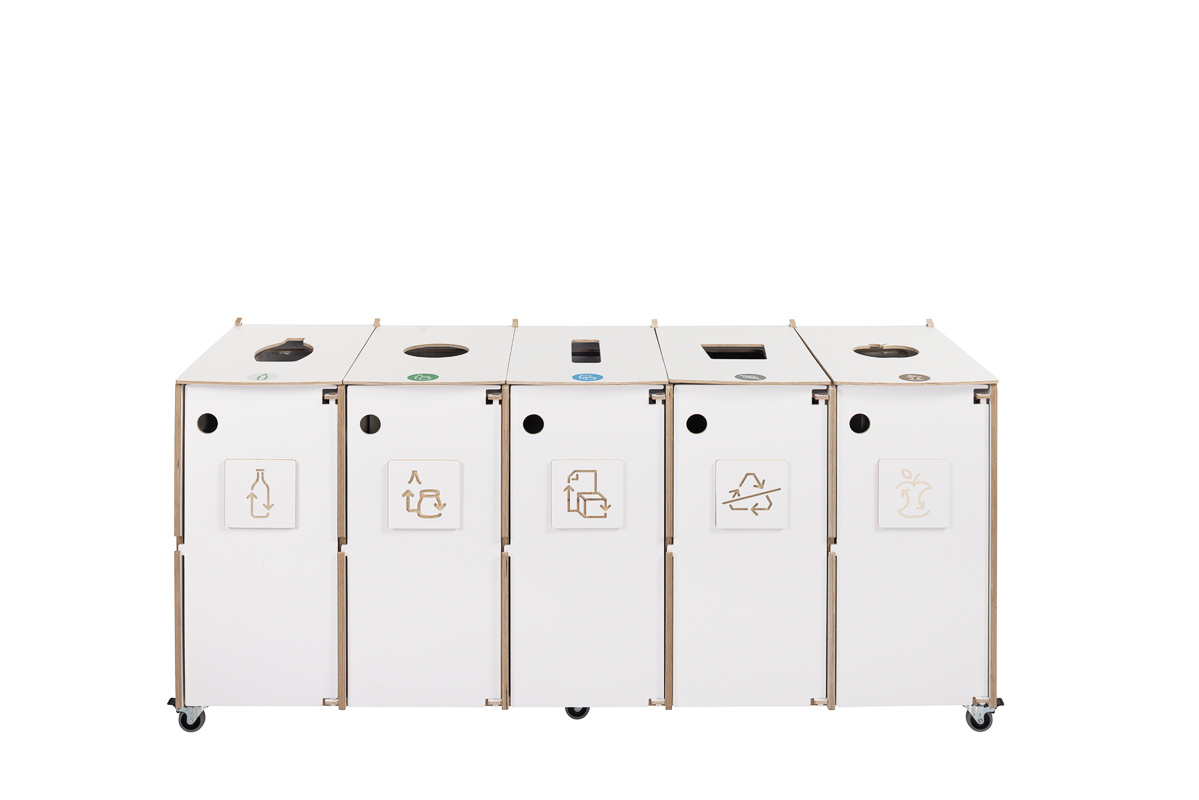
Effective signage extends beyond the printed label to the physical architecture of the bin itself. Ergonomically designed stations that integrate distinct lid-hole shapes have been shown to improve waste-separation efficiency from 56.52% to over 70% in real-world deployments. When the shape of the opening – such as a thin slit for paper or a round hole for bottles – complements the visual icon, it provides a physical “nudge” that reinforces the user’s choice. These cues are essential for busy hubs like airports or hospitals where speed often leads to accidental contamination. By matching the physical entry point to the waste categories you need to sort, you create a fail-safe system for the user.
Standardizing Colors and Compliance
To satisfy the workplace recycling regulations mandated by the EU Waste Framework Directive, organizations should align their bins with the EN 14092 standard. This standard suggests specific color-coding to make sorting intuitive across different European regions. Under this framework, blue is typically designated for paper and cardboard, while green is used for glass. In many markets, yellow or orange is standardized for plastics and metals, and brown is reserved for bio-waste and organics. Utilizing these colors on your recycling bin sorter units ensures that international staff and visitors recognize the waste streams instantly, regardless of their home country’s specific local nuances.
Adapting to New EU Regulations
The European regulatory landscape is shifting with the introduction of the Packaging and Packaging Waste Regulation (PPWR), which aims to harmonize recycling symbols across the Union. Facility managers must ensure their indoor recycling bins feature flexible signage systems that can be updated as these mandatory standards are implemented. Local requirements also play a critical role; for example, Sweden made separate food waste collection mandatory for all businesses in 2024, while Wales recently introduced similar sorting requirements for all public and private organizations. Clear, localized signage is no longer an optional upgrade but a core requirement for legal compliance and avoiding potential penalties.
Strategic Placement for Visibility
Even the most sophisticated signage will fail if the bins are difficult to find or poorly placed. Strategic placement – creating centralized recycling hubs in high-traffic areas like kitchenettes, printer rooms, and main hallways – has been shown to boost participation by up to 50%. A regular waste audit for offices can help you identify high-contamination zones or specific terminal areas where signage needs to be more prominent or lid designs need refinement. By monitoring these zones, facility managers can adjust their signage strategy to address the specific types of waste generated in different parts of the building.
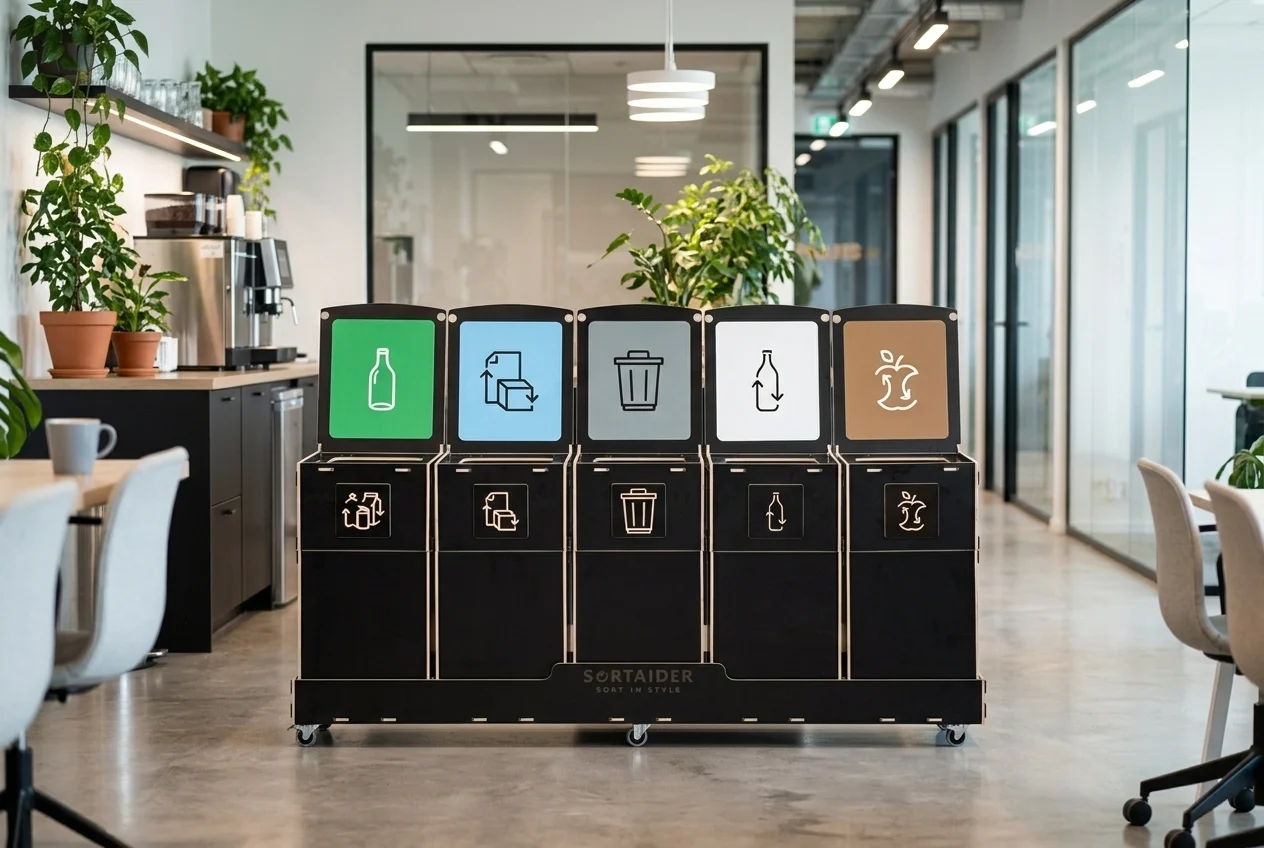
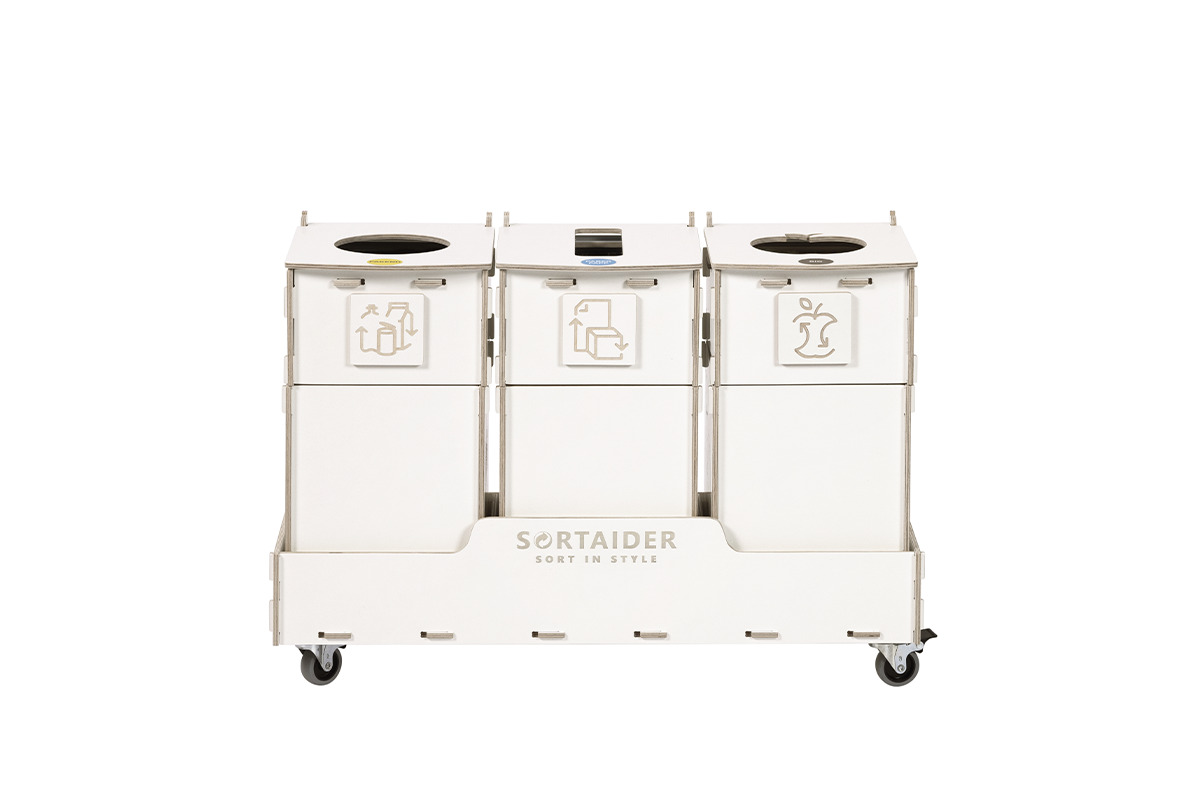
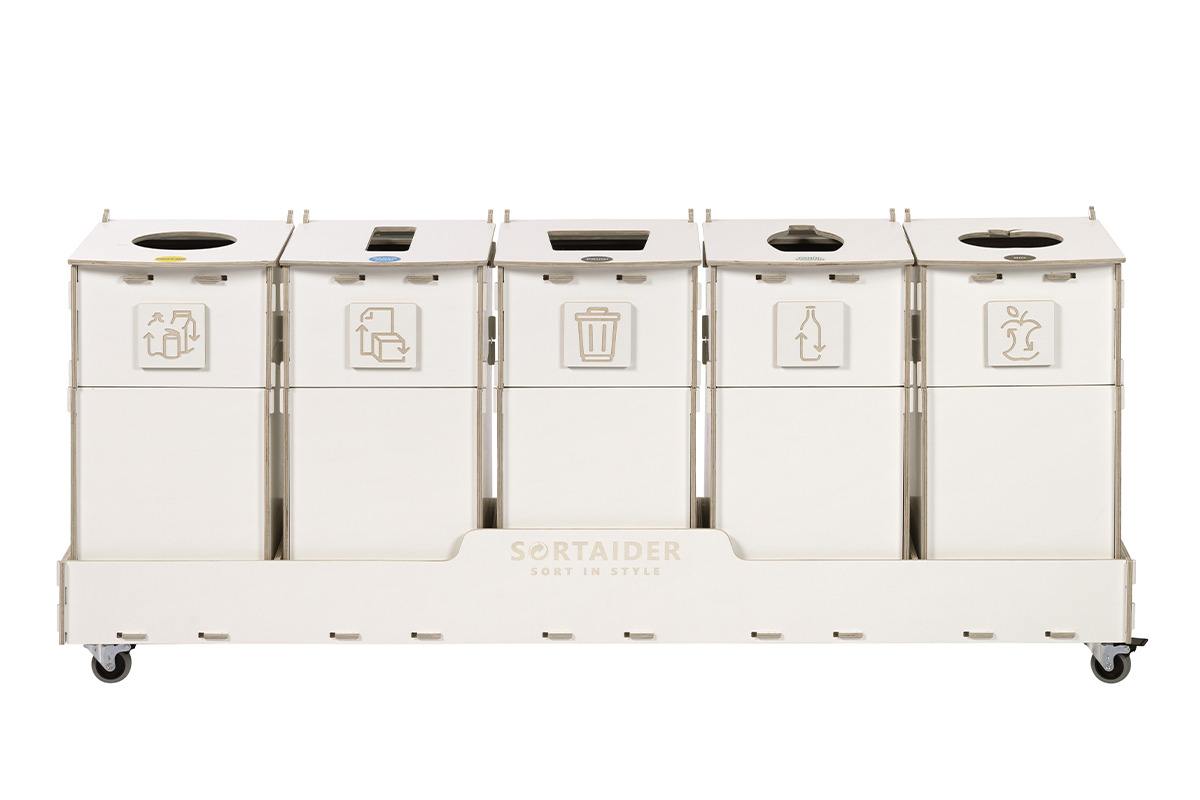
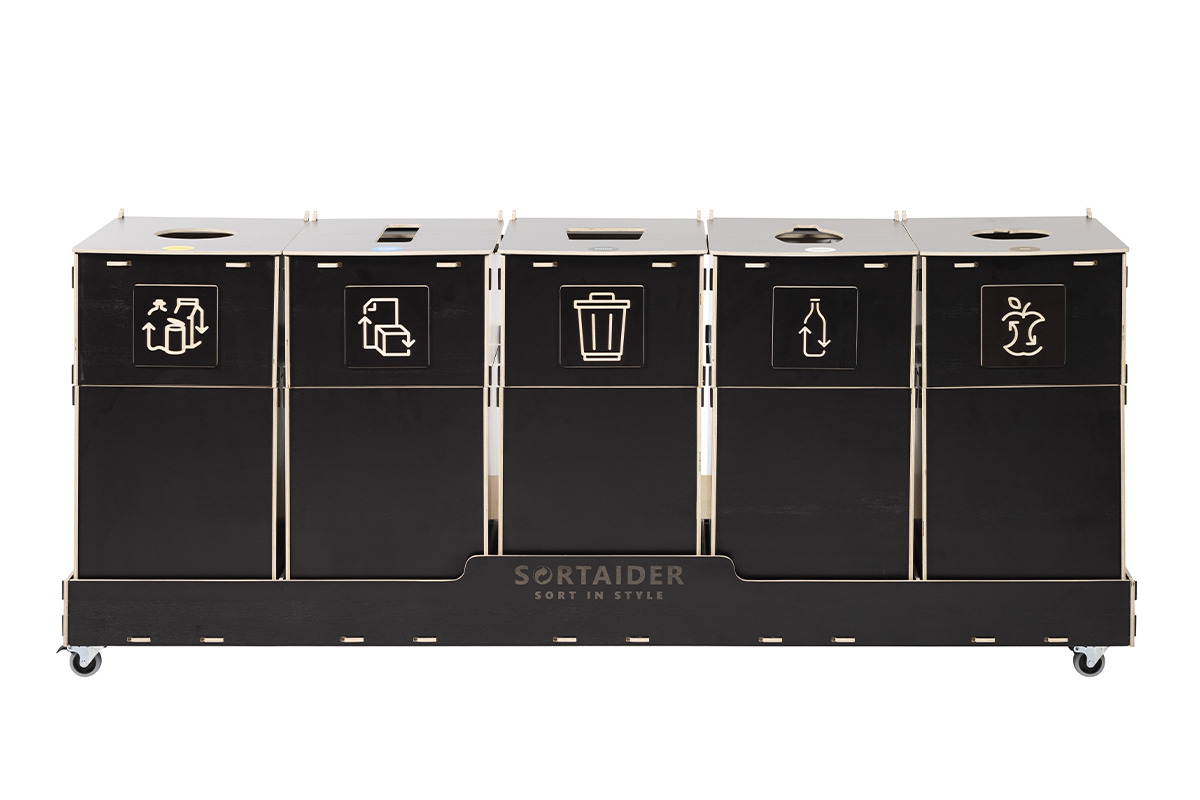
Integrating clear, icon-based signage with ergonomic bin design transforms waste management from a confusing chore into a seamless part of the professional workday. By prioritizing visual clarity and following European color standards, you reduce contamination risks, lower disposal fees, and ensure your facility remains fully compliant with evolving environmental laws. Explore our recycling bin containers to find Red Dot Award-winning solutions that combine high-visibility signage with sustainable Nordic design.