Nearly 85% of hospital waste is non-clinical. If your facility treats recyclables as biohazards, you are likely overpaying for disposal by up to ten times. Here is how to implement a safe, compliant, and sustainable sorting system within your healthcare environment.
The Financial Case for Precise Waste Separation
In a healthcare environment, the cost of error is high – both for patient safety and your operational budget. Municipal Solid Waste (MSW) typically costs between $0.02 and $0.06 per pound to manage, whereas Regulated Medical Waste (RMW) costs can soar to $1.25 per pound. Hazardous pharmaceutical waste is even more taxing, often reaching $6.00 per pound.
When non-clinical items like cardboard packaging, plastic water bottles, or office paper are tossed into red biohazard bags, your disposal costs can inflate by over 700%. Research indicates that while RMW should ideally comprise only 10–15% of a hospital’s waste stream, poor segregation often pushes this figure toward 40%. Implementing high-visibility recycling bins at the point of use is the most effective way to capture the 60% of hospital waste that is potentially recyclable or compostable.
Defining Clinical vs. Non-Clinical Streams
Effective management starts with clear definitions, as misclassification is the primary driver of both non-compliance and unnecessary expenditure. Clinical or Infectious Waste (RMW) includes items saturated with blood or bodily fluids, sharps, cultures, and pathological waste. These require specialized waste bins that are leak-proof, puncture-resistant, and clearly labeled to meet safety standards.
Non-clinical waste encompasses the vast majority of facility output, including administrative paper, food service materials, and clean plastic packaging from the Operating Room (OR). Additionally, hazardous waste such as cytotoxic drugs and certain pharmaceuticals requires specific blue or yellow color-coded containers. In many European markets, including Scandinavia and the Baltics, regulations strictly mandate the separation of hazardous streams to prevent cross-contamination during transport. While specific color codes may vary – for example, some jurisdictions use orange bags while others use red for infectious waste – the requirement for rigid, marked packaging remains universal.
Strategic Bin Placement for Maximum Compliance
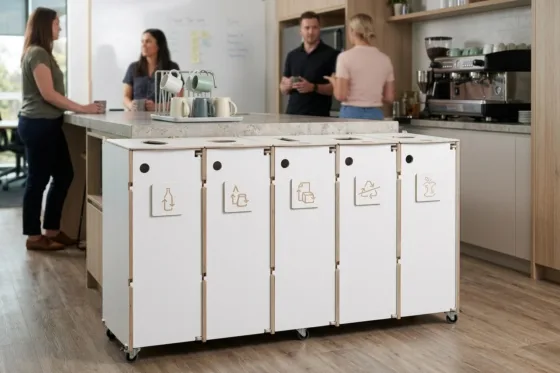
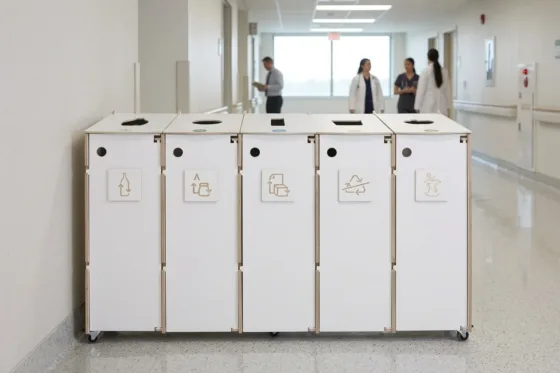
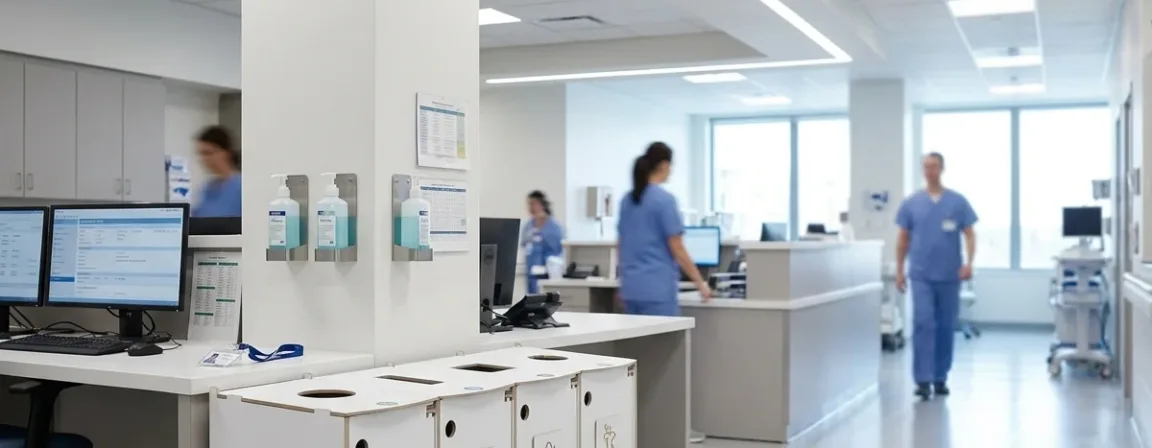
The physical design of your sorting station directly influences staff behavior. In high-pressure environments like nurse stations or ICUs, recycling must be as intuitive as possible. Using a multi-compartment recycling bin allows you to keep clinical waste, paper, and plastics in one streamlined unit, reducing the foot traffic required to dispose of items correctly.
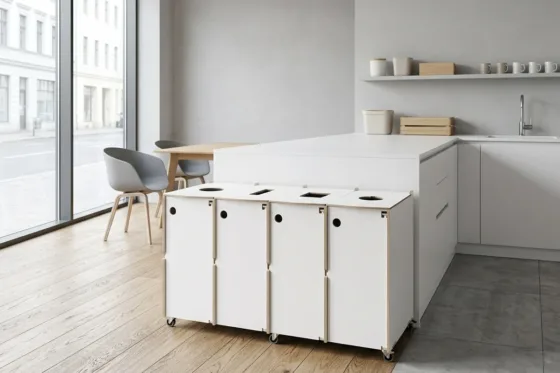
For areas requiring the highest standards of hygiene, the Ecolong series is particularly effective. It utilizes a 3-in-1 system that includes a continuous bag solution, ensuring staff never come into contact with the waste during bag changes. This feature is critical for infection control and maintaining a sanitary environment in high-traffic clinical zones.
-
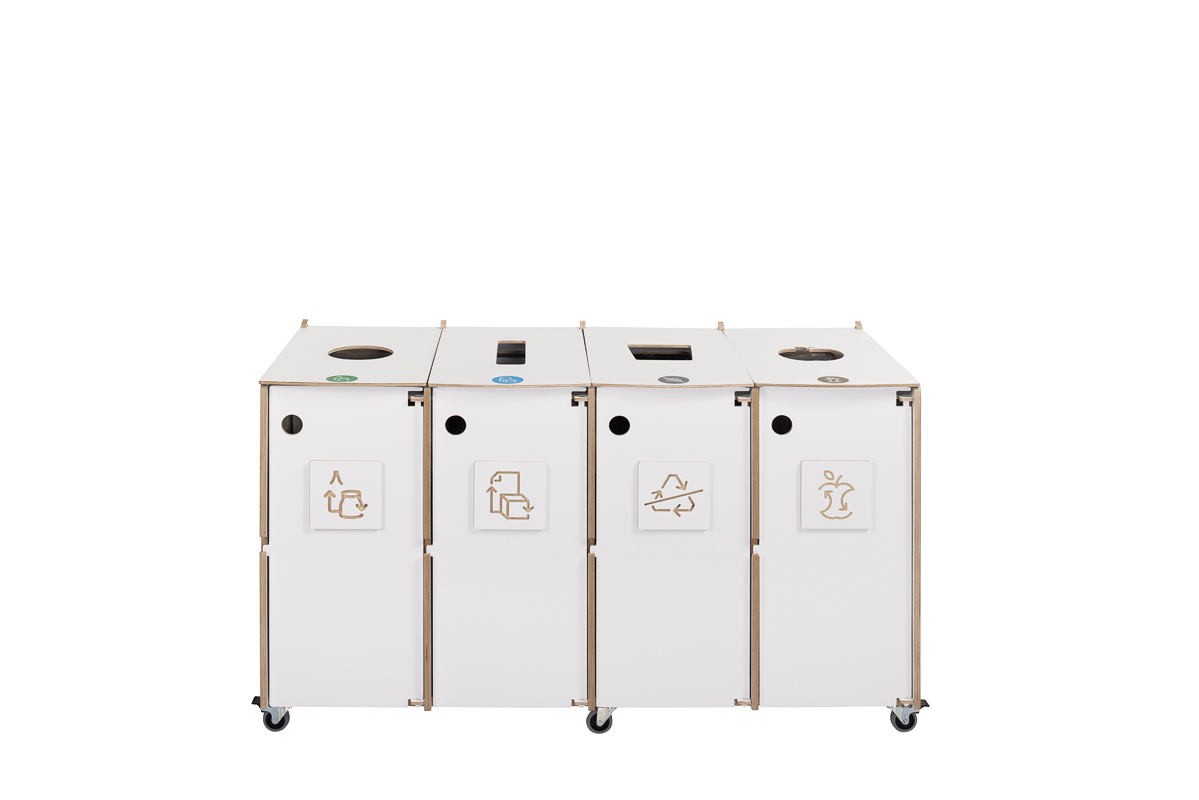
Recycling bin Ecolong 60W4
4 types of waste 4 x 60 L1 872,40 € (incl. 24% VAT)1 510 € (excl. VAT) -
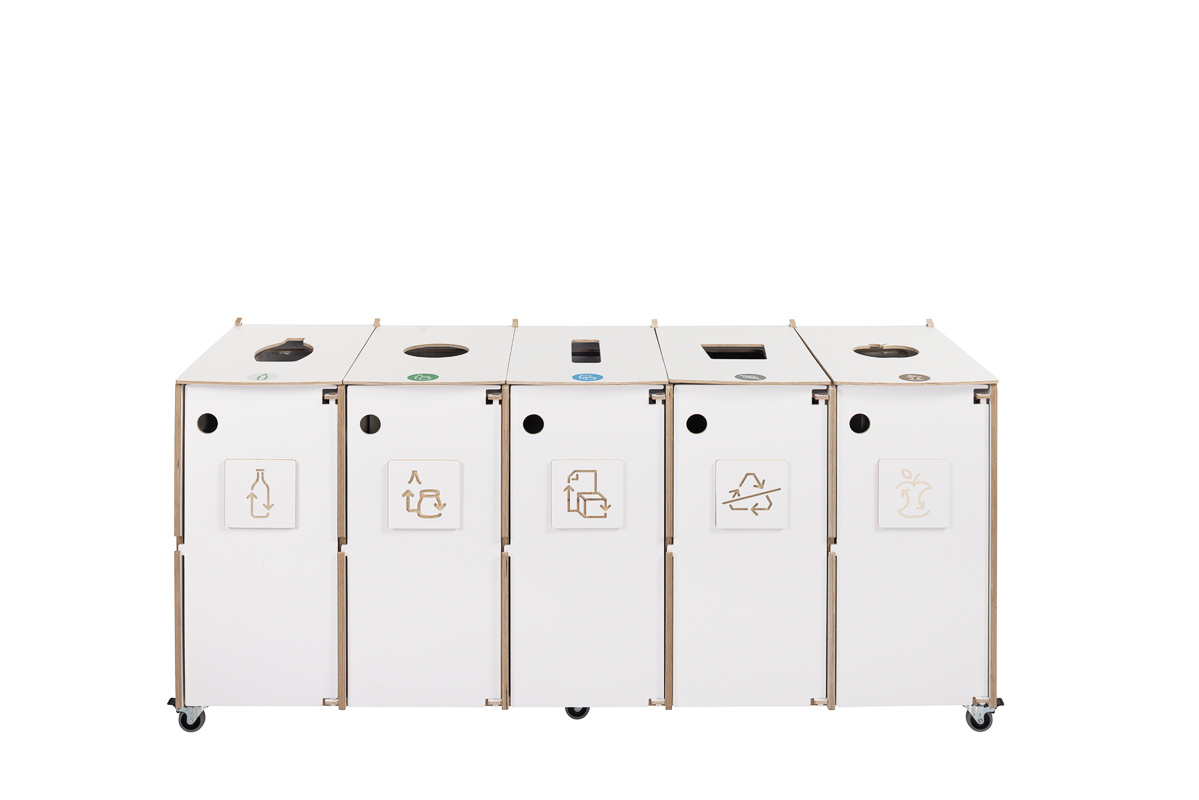
Recycling bin Ecolong 60W5
5 types of waste 5 x 60 L2 269,20 € (incl. 24% VAT)1 830 € (excl. VAT) -
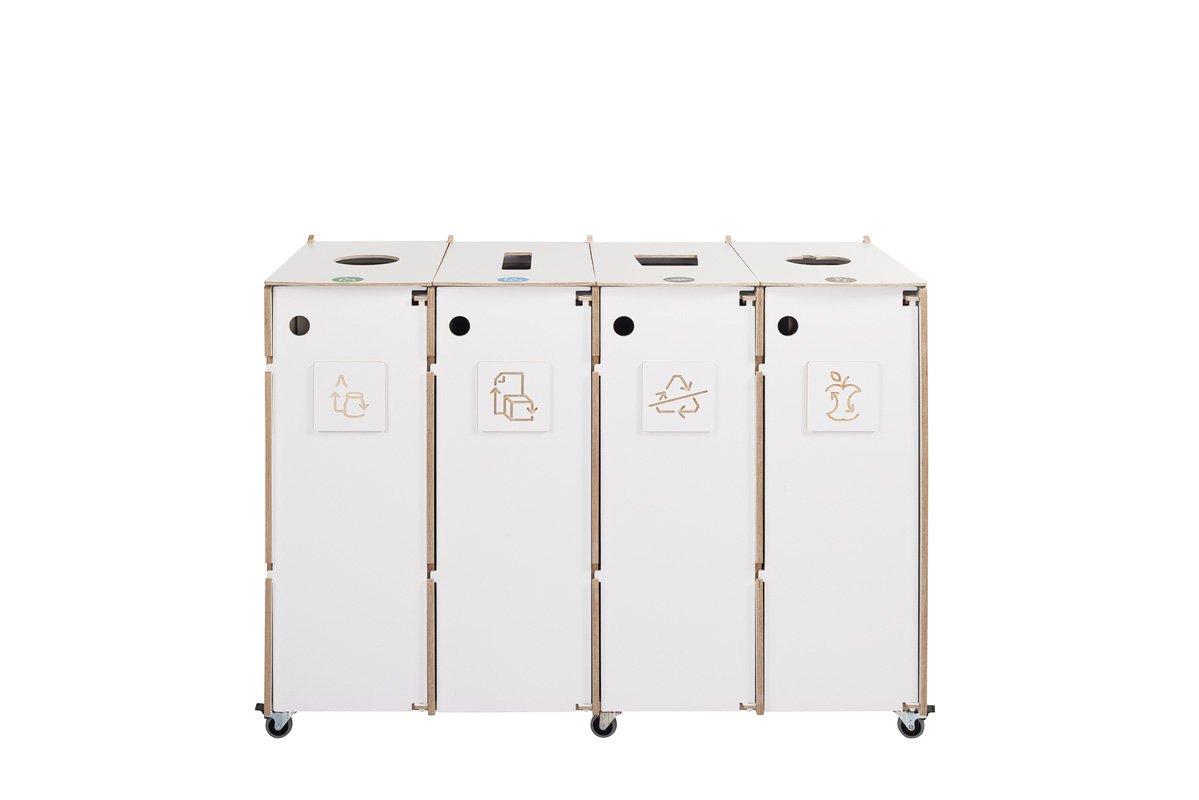
Recycling bin Ecolong 90W4
4 types of waste 4 x 90 L2 442,80 € (incl. 24% VAT)1 970 € (excl. VAT) -
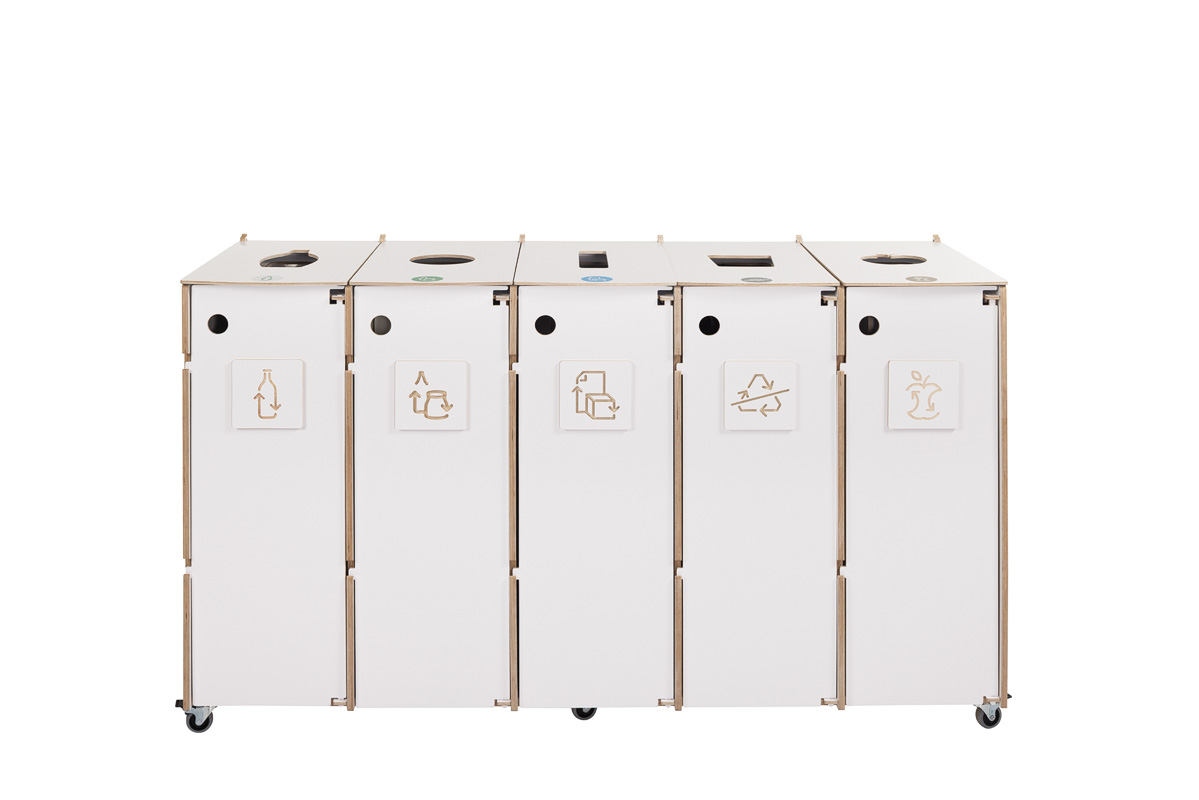
Recycling bin Ecolong 90W5
5 types of waste 5 x 90 L2 926,40 € (incl. 24% VAT)2 360 € (excl. VAT)
Sustainability and the Healthcare Carbon Footprint
Healthcare systems are massive consumers of plastic, which accounts for approximately 25% of total hospital waste. By improving source segregation, major facilities have successfully diverted over one million pounds of waste from incinerators to recycling centers, saving hundreds of thousands of dollars in the process. This shift not only protects the budget but also significantly reduces the facility’s carbon footprint.
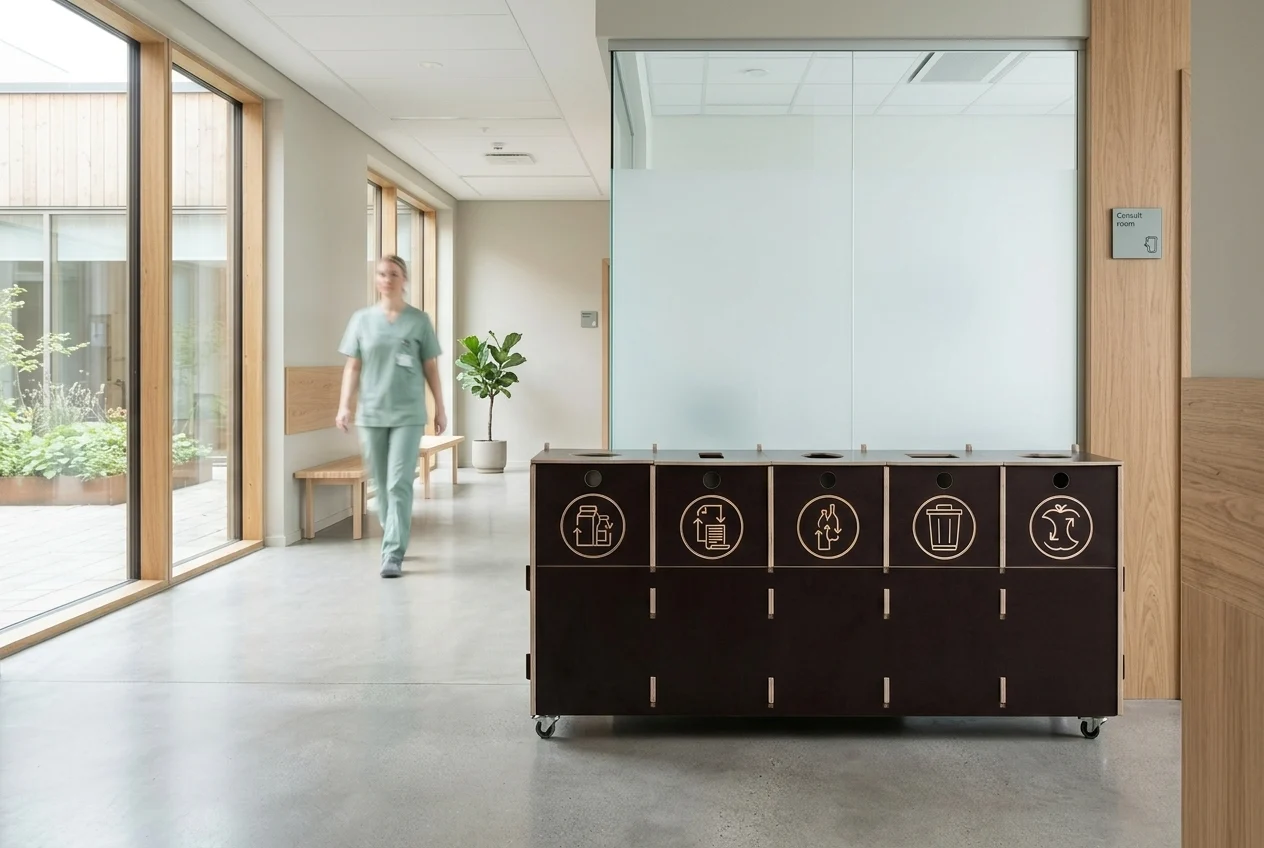
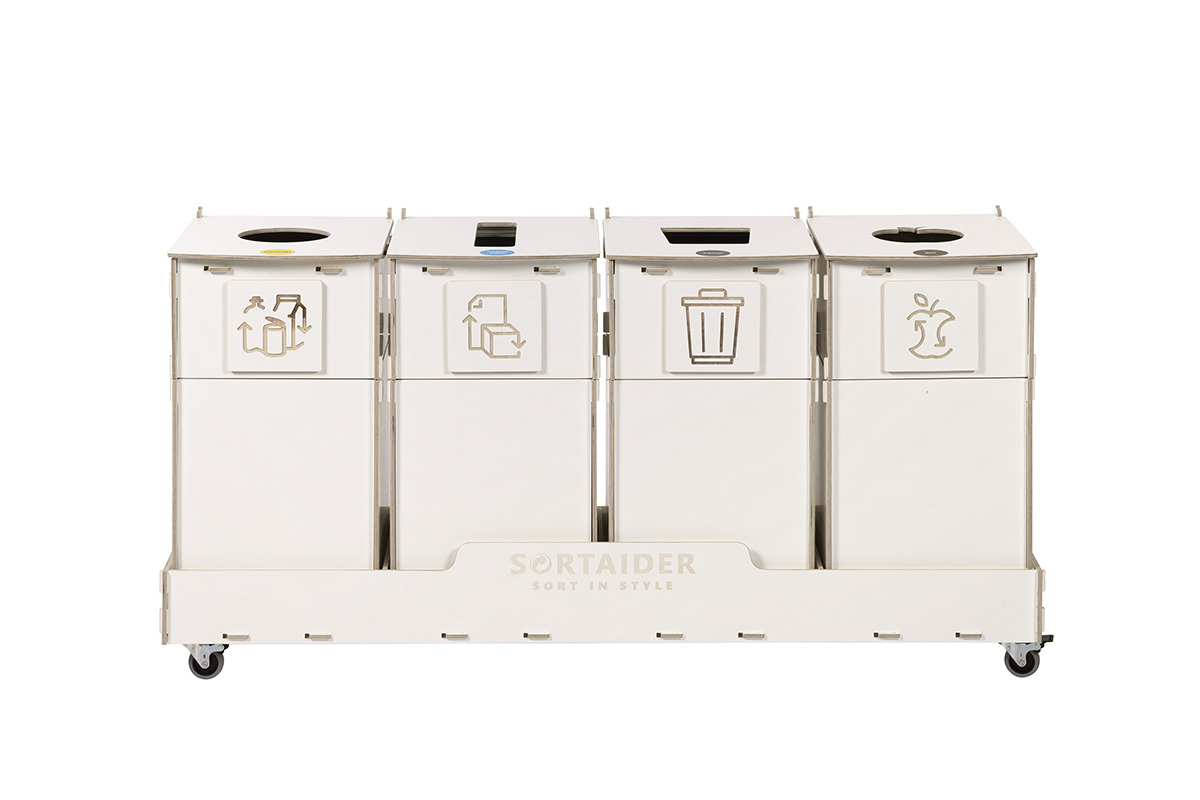
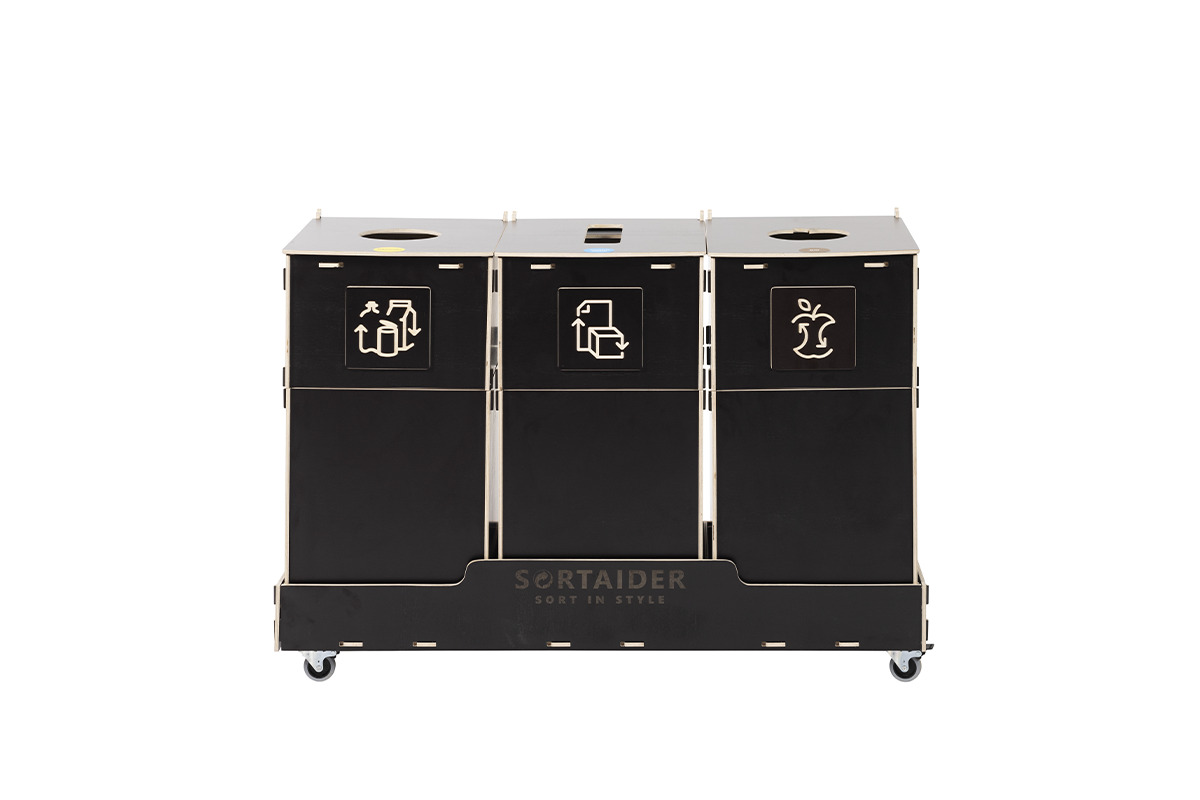
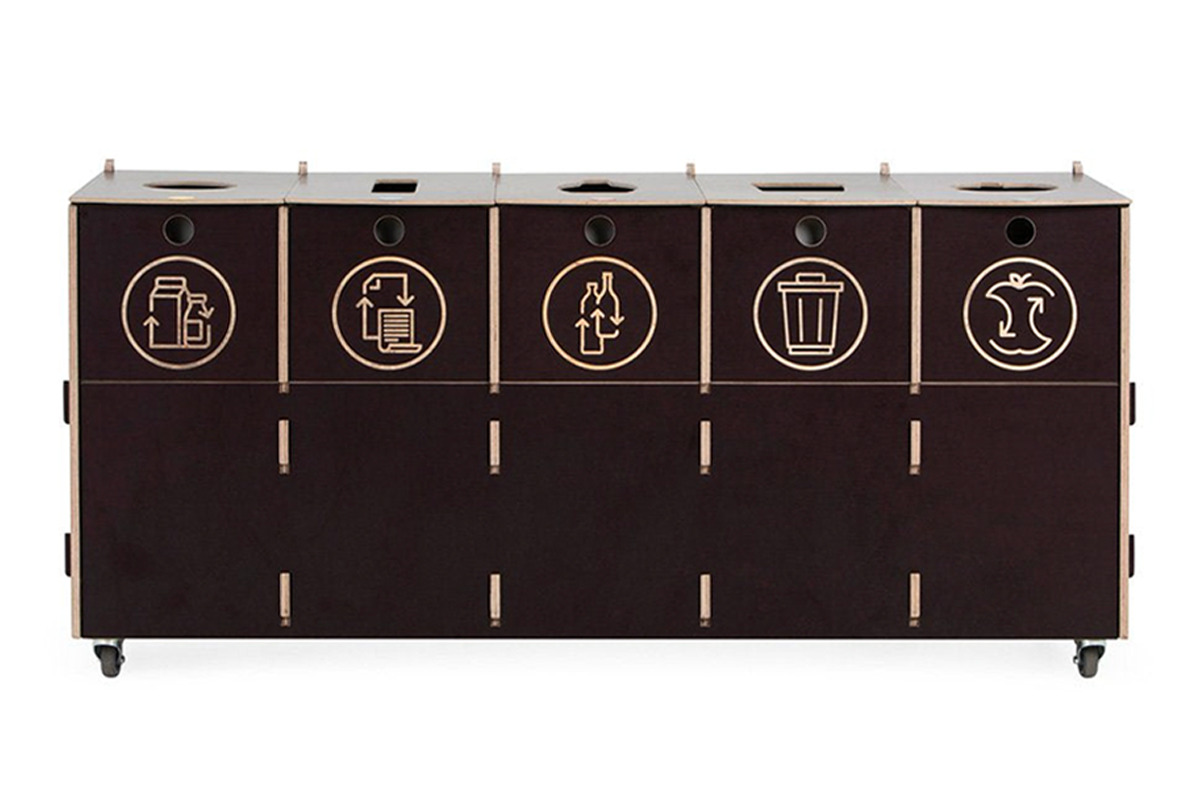
The furniture you choose also contributes to these sustainability goals. While most hospital bins are made of plastic or metal, choosing plywood constructions can offer up to four times lower CO2 lifecycle emissions. Our Nordic-inspired designs, such as the Container series, combine this environmental benefit with a professional, minimalist aesthetic that fits modern clinical interiors.
Implementation Best Practices for Administrators
To move the needle on your diversion rates and improve efficiency, facility managers should focus on operational standardization and regular audits.
- Conduct a Waste Audit: Identify where recyclables are entering the RMW stream. The Operating Room and ICU are common areas for high-volume “look-alike” waste – items that look medical but are actually clean, recyclable packaging.
- Standardize Signage: Use universal symbols and clear text to eliminate confusion. Visual cues on the lids of sorting stations help eliminate “wish-cycling” and prevent stream contamination.
- Prioritize Modular Flexibility: Healthcare needs change rapidly. Use modular systems that allow you to add or remove waste streams, such as adding a dedicated bin for PPE, without replacing the entire unit.
- Invest in Staff Training: Conduct annual training on PPE and proper segregation. Research shows that simple signage combined with brief staff education can cut RMW weight and associated costs by up to 20%.
-
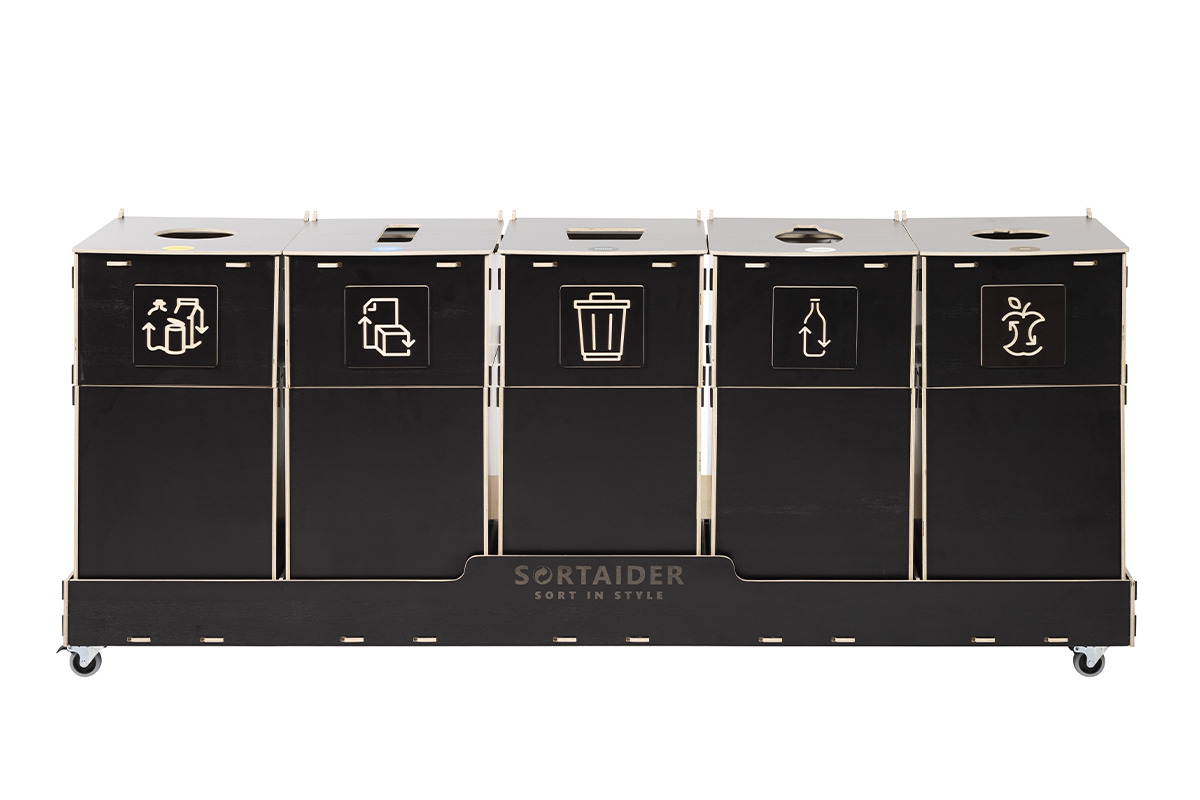
Recycling bin Sorter 60B5
5 types of waste 5 x 60 L1 785,60 € (incl. 24% VAT)1 440 € (excl. VAT) -
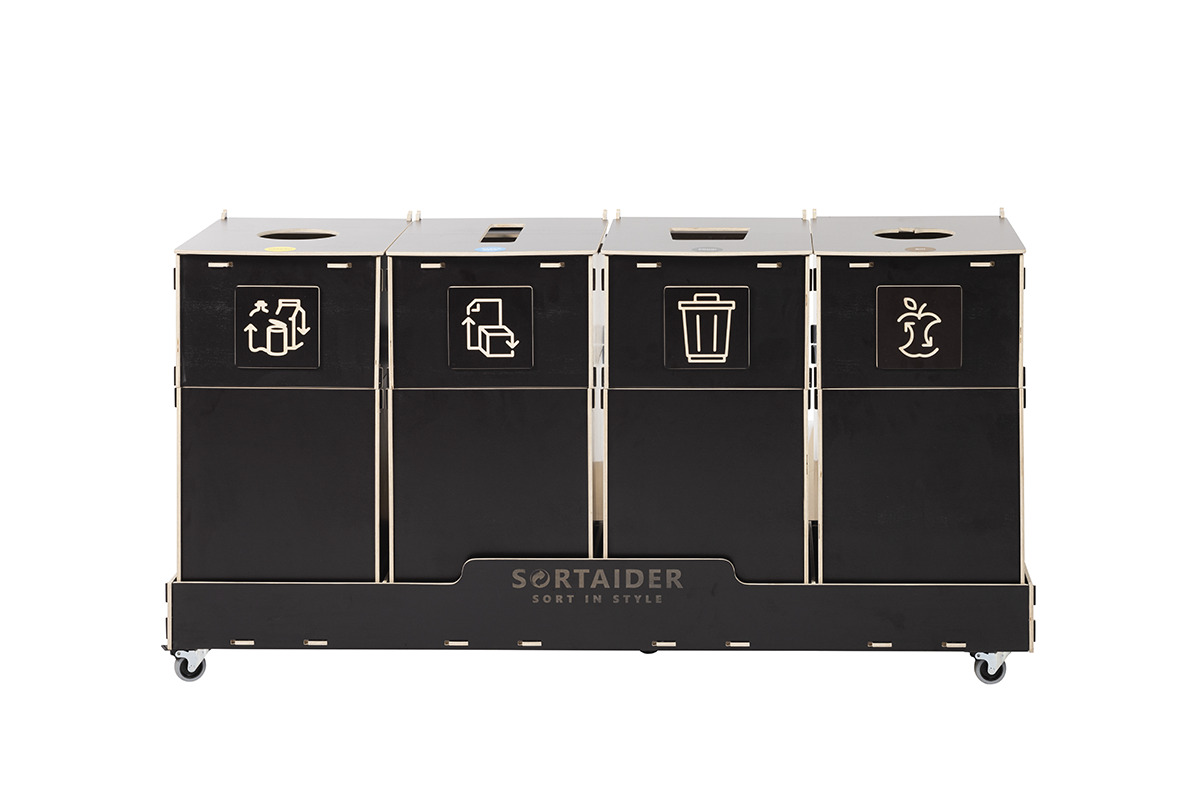
Recycling bin Sorter 90B4
4 types of waste 4 x 90 L1 810,40 € (incl. 24% VAT)1 460 € (excl. VAT) -
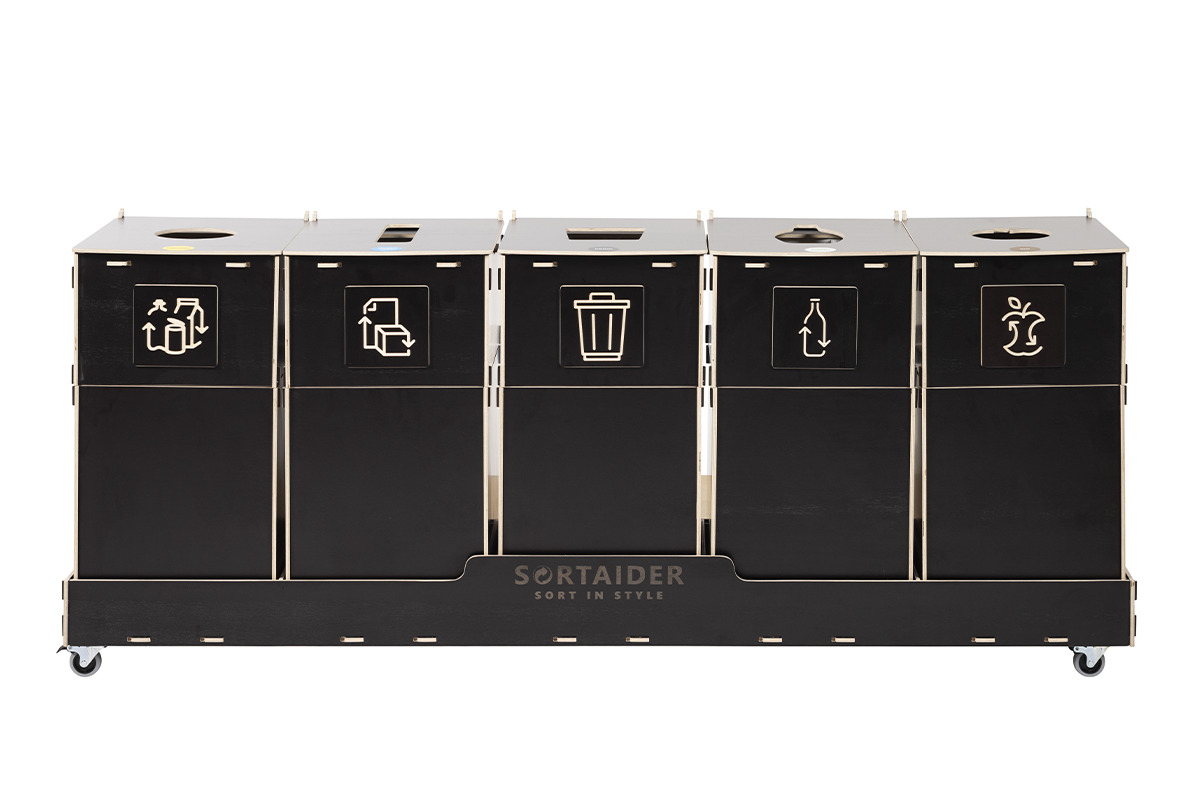
Recycling bin Sorter 90B5
5 types of waste 5 x 90 L2 219,60 € (incl. 24% VAT)1 790 € (excl. VAT) -
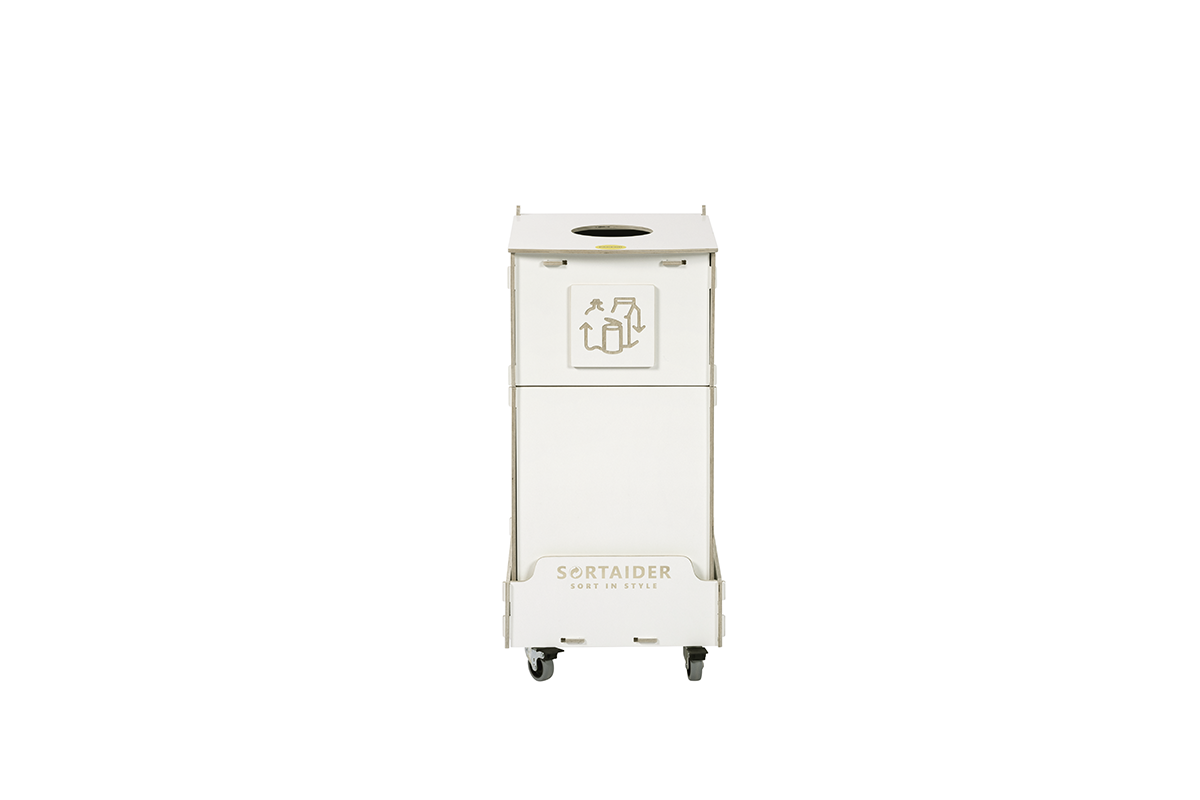
Recycling bin Sorter 90W1
1 type of waste 1 x 90 L533,20 € (incl. 24% VAT)430 € (excl. VAT)
Building a more sustainable hospital does not require compromising on safety or clinical efficiency. By investing in durable, modular waste systems, you can ensure compliance while significantly reducing your facility’s environmental and financial burden. Ready to modernize your facility’s waste management? Explore our range of modular recycling solutions designed for professional healthcare environments.