Did you know that contamination in office recycling streams can increase disposal costs by up to 50%? A structured waste management plan is a logistical necessity for facility managers seeking to optimize efficiency and ensure regulatory compliance while maintaining a professional workplace environment.
Conducting a Comprehensive Waste Audit
Before you can manage your waste, you must measure it. A waste audit identifies the types and volumes of materials your office generates by collecting and weighing waste from different departments over a set period. Research indicates that the commercial sector accounts for roughly 85% of recycling tonnage, yet contamination rates often hover between 15% and 25%.
Identifying where these errors occur allows you to tailor your recycling bins to the specific needs of your workforce. Common office waste streams generally include:
- Paper and Cardboard: These typically represent the largest volume in administrative settings and are the easiest to divert.
- Plastics and Packaging: High-volume, low-weight materials frequently generated in breakrooms and kitchenettes.
- Organic Waste: Food scraps and compostable materials that require frequent collection to maintain hygiene.
- E-waste: Batteries, cables, and old hardware that require specialized disposal to comply with hazardous waste regulations.
Defining SMART Goals and Regulatory Compliance
Effective waste management plans rely on SMART goals that are specific, measurable, achievable, relevant, and time-bound. For instance, aiming for a 30% diversion of waste from landfills within the first year is a realistic benchmark for many organizations. This structured approach helps facility managers track progress and justify the investment in higher-quality infrastructure.
Regulatory compliance is equally critical and varies across the European market. The EU Waste Framework Directive sets a target of 65% municipal waste recycling by 2035, emphasizing a transition toward a circular economy. In markets like Estonia, Finland, and Norway, organizations that fail to source-separate recyclables often face higher collection fees or municipal fines. Using high-quality waste bins that support multiple streams is the most direct way to stay ahead of these shifting regulations and avoid financial penalties.
Optimizing Collection Strategy and Placement
Infrastructure serves as the backbone of any successful plan. Research shows that replacing individual deskside bins with centralized recycling hubs can boost waste diversion by up to 40%. Centralization forces employees to make a conscious choice about where their waste goes, significantly reducing “wish-cycling” – the act of tossing non-recyclables into recycling bins in the hope they can be processed.
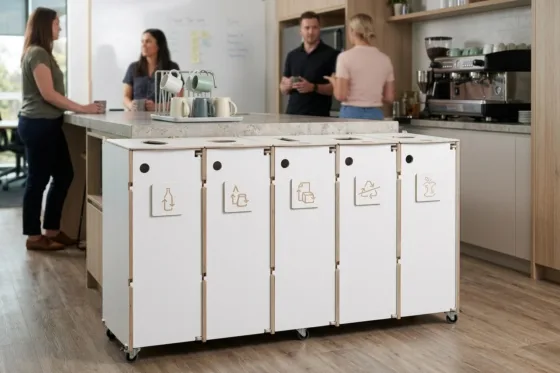
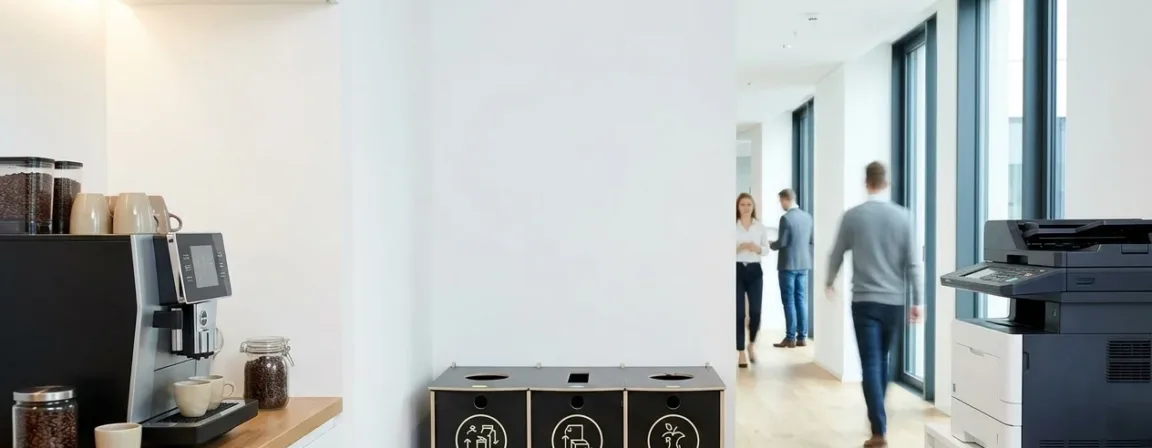
When selecting hardware, consider the “3Cs” of effective waste management: Culture, Communication, and Collection. Your bins should be placed in high-traffic areas such as printer rooms, kitchenettes, and main entrances to maximize participation. For high-end office environments where aesthetics are a priority, the Container series offers a Red Dot-awarded design that integrates seamlessly into modern architecture.
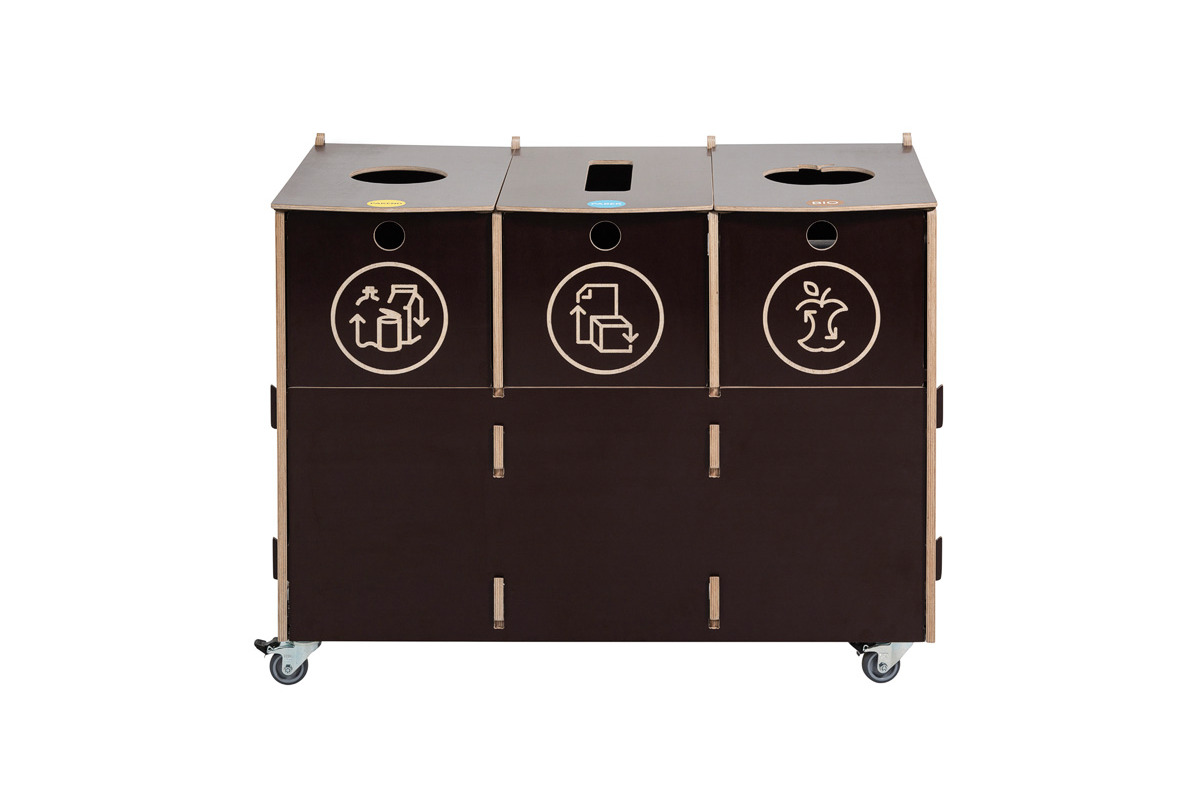
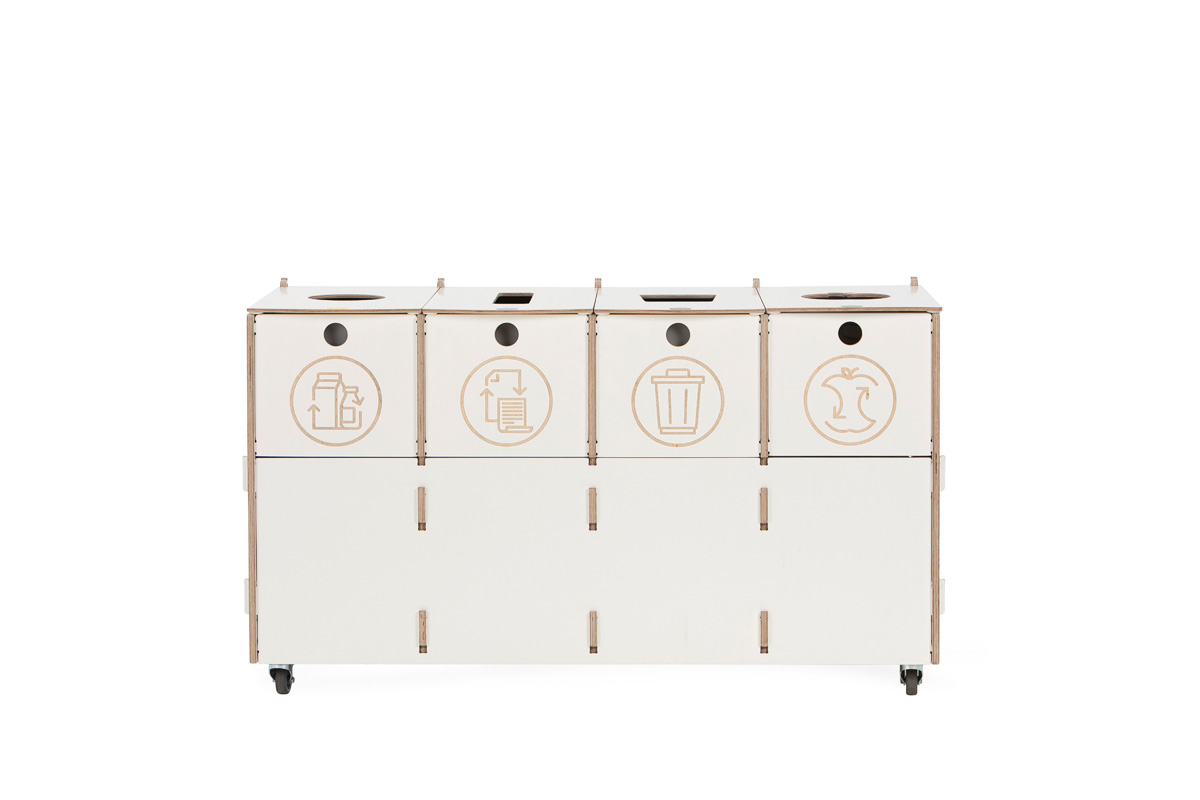
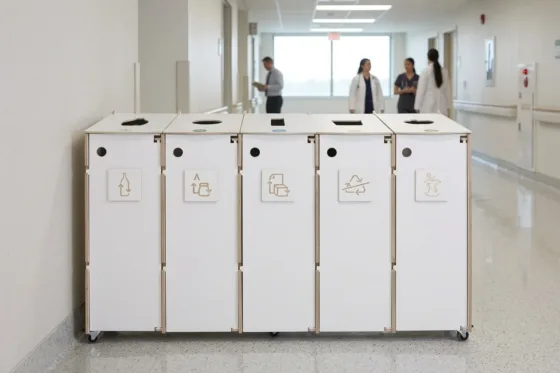
For spaces requiring high-volume sorting in a compact footprint, the Ecolong series provides a modular system that handles up to five waste streams within a minimal width. This versatility is essential for facilities that need to balance high capacity with limited floor space.
Signage and Employee Engagement
Clear communication is the most effective tool for reducing contamination. Labels should use both text and high-contrast pictograms to ensure they are intuitive for everyone, including international staff and visitors. Standardizing these symbols across the entire facility reduces the “decision fatigue” employees face at the bin, leading to more accurate sorting.
Common mistakes often undermine even the best-designed plans:
- Bagging Recyclables: Many facilities mistakenly place loose recyclables in plastic bags, which can cause the entire batch to be rejected at processing centers.
- Inadequate Training: Quarterly workshops or “Green Team” initiatives help keep the waste management plan top-of-mind for the workforce.
- Poor Signage: Visual clutter or confusing icons can lead to a 20-30% increase in stream contamination.
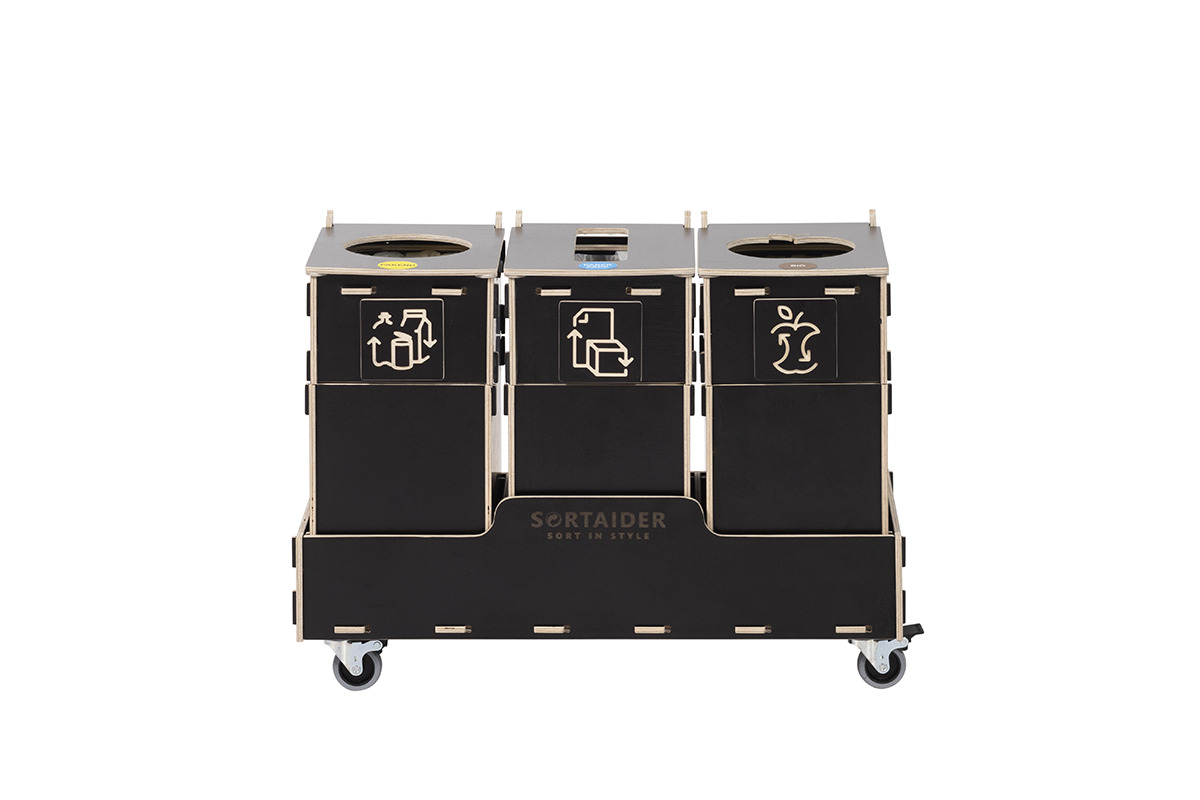
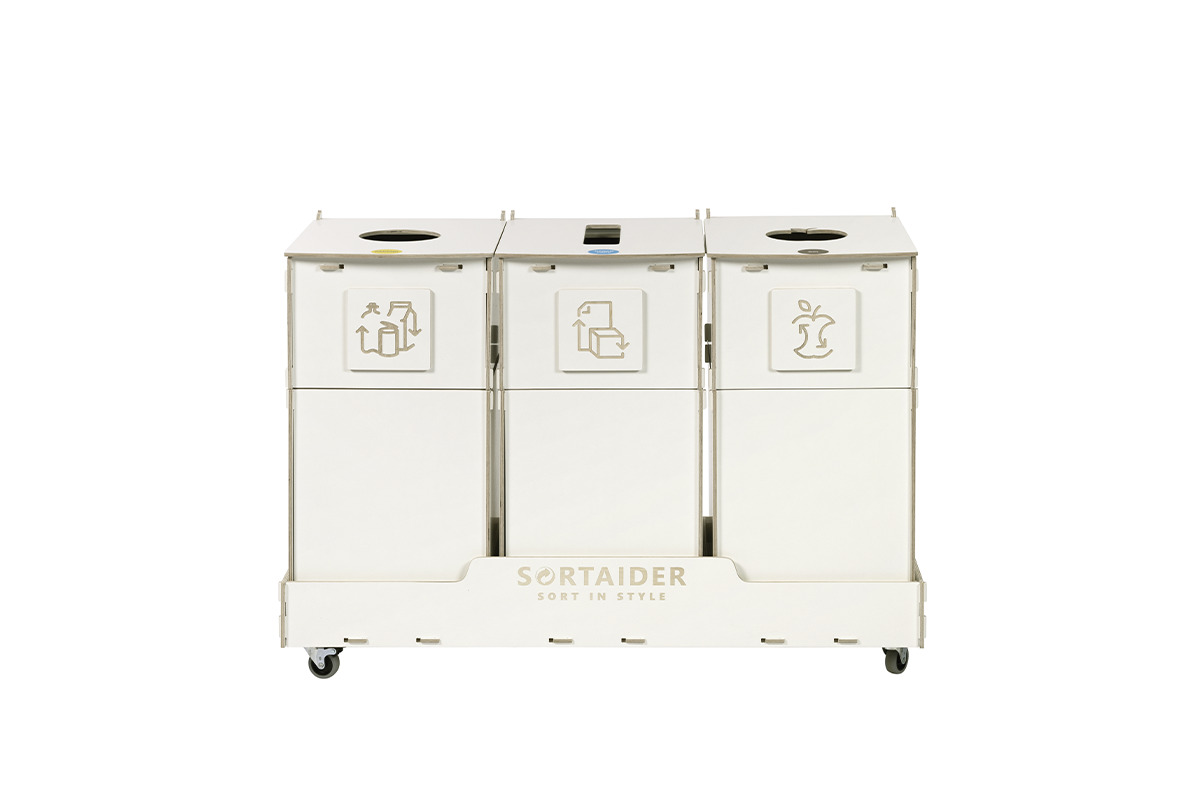
If your organization values brand identity, the Sorter series allows for custom laser-engraved logos, turning a functional necessity into a visible statement of corporate sustainability.
Monitoring and Continuous Improvement
A waste management plan is not a “set it and forget it” project. You should coordinate with your waste haulers to receive monthly diversion reports and track performance metrics. If certain streams show high contamination or unexpected volume, you may need to adjust the size of your bins or re-evaluate their placement within the office layout.
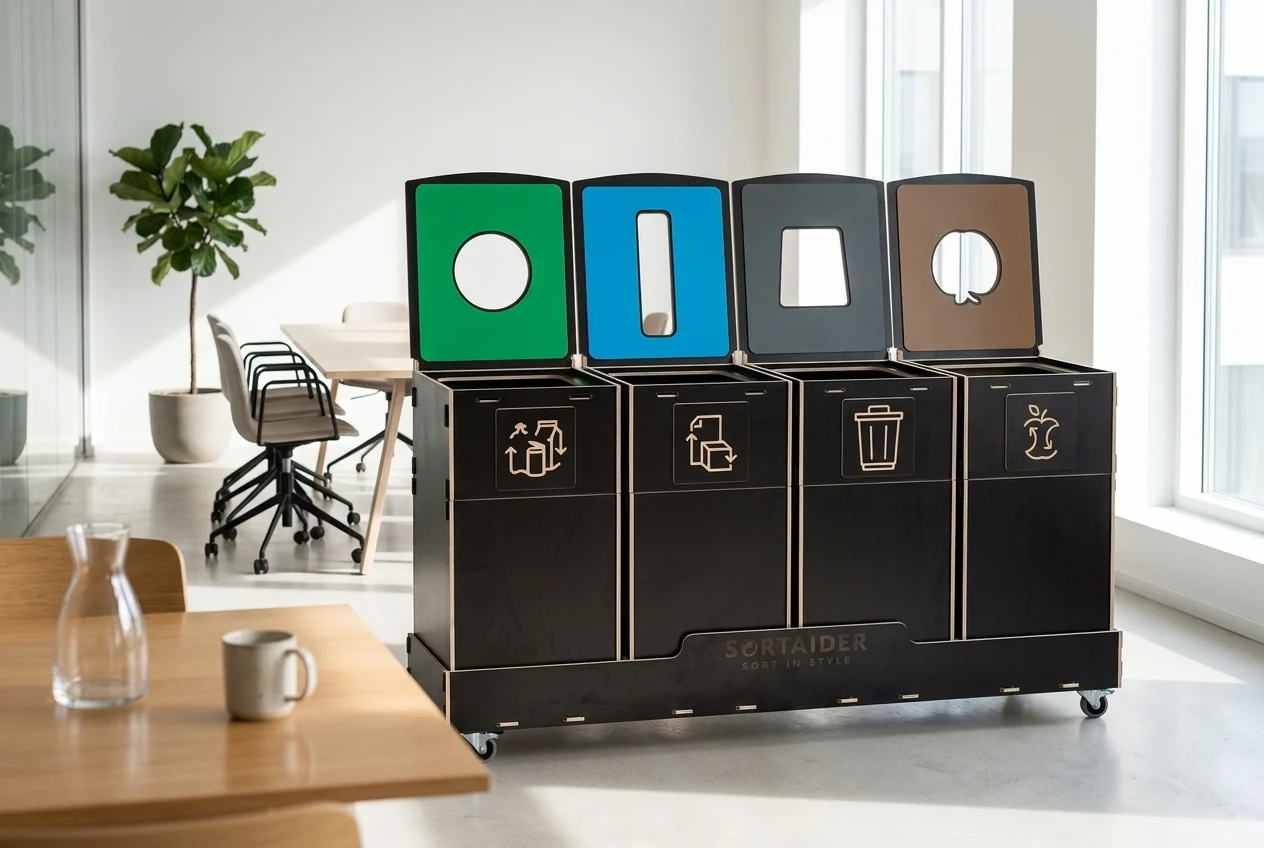
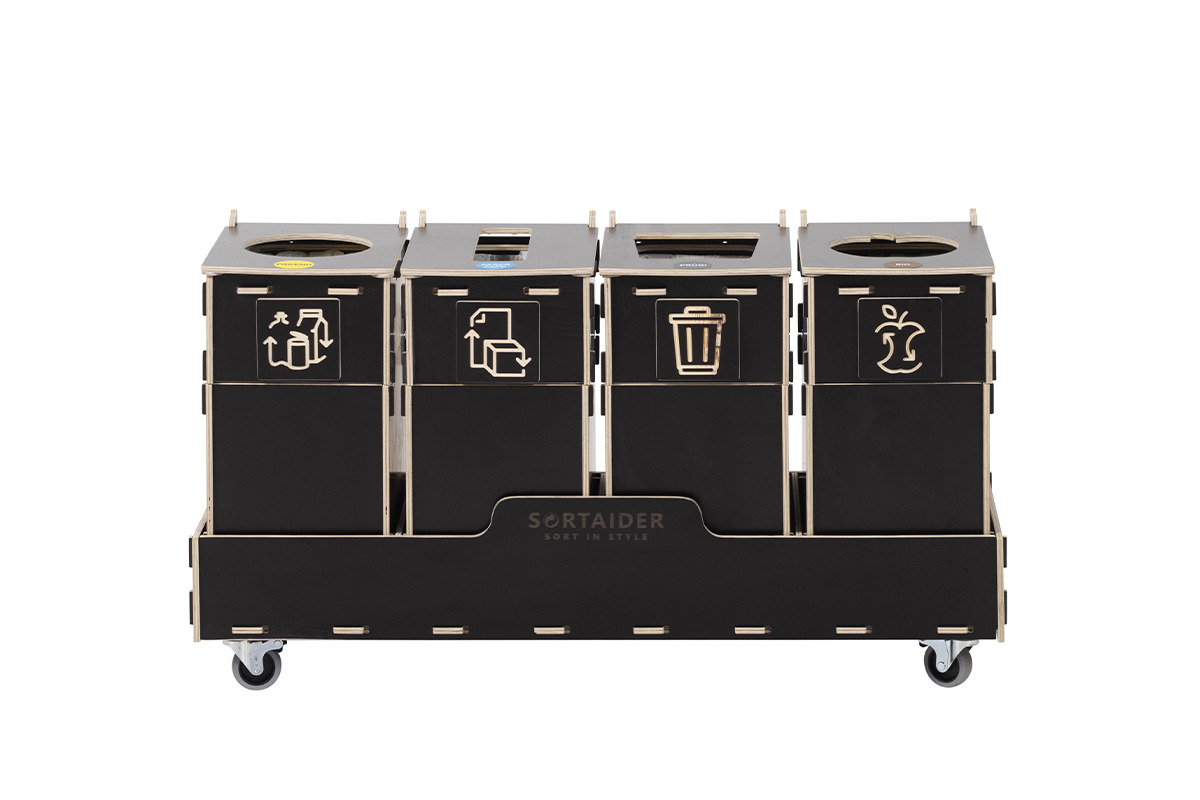
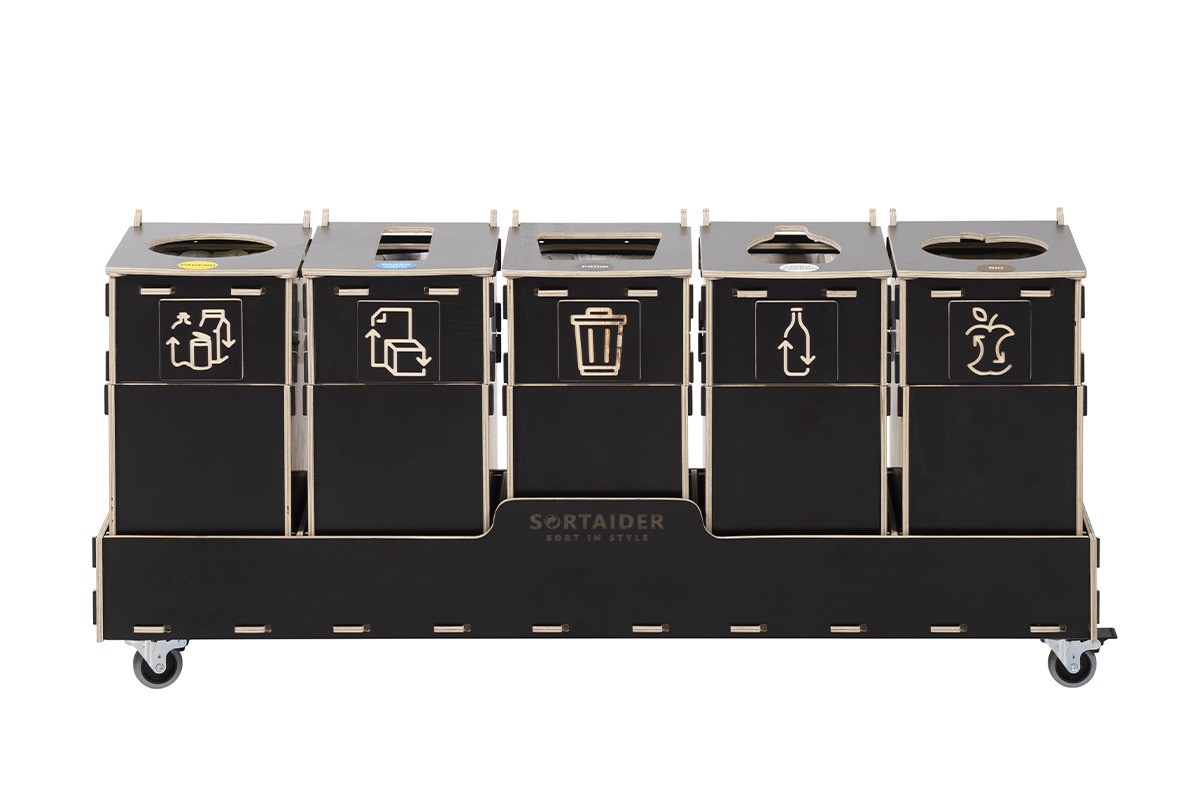
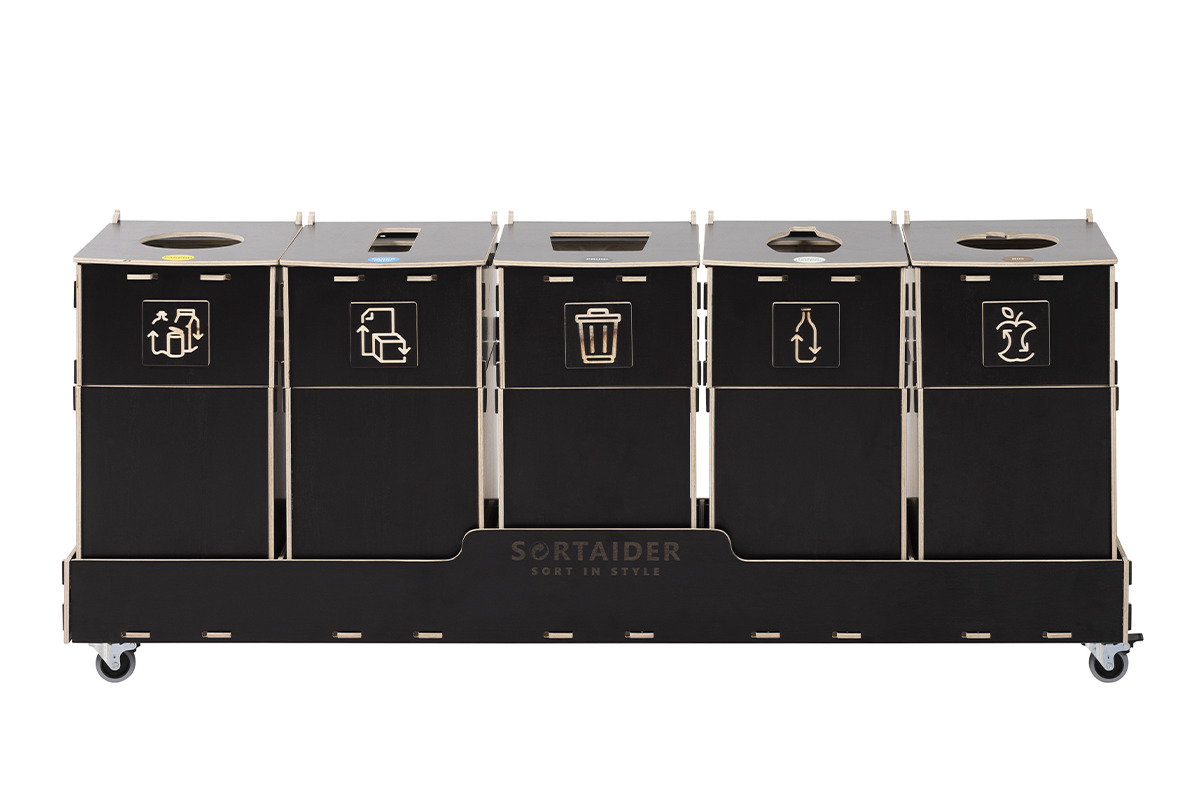
If a specific paper bin is consistently overflowing while the plastic bin remains empty, the modularity of your system becomes a major advantage. The recycling bins sorter range is particularly useful here, as the modular birch plywood construction allows for easy reconfiguration as your office needs evolve over time. Regular audits ensure that your strategy remains aligned with the actual waste production of the facility.
Building a Future-Proof Workplace
A successful office waste management plan optimizes your operational costs while significantly reducing your environmental footprint. By transitioning from plastic-heavy disposal methods to sustainable, plywood-based sorting systems, you can reduce the CO2 lifecycle emissions of your facility’s infrastructure by up to four times compared to traditional alternatives.
Start your transition by auditing your current waste output and identifying the high-traffic zones where centralized sorting hubs will have the greatest impact. If you are ready to upgrade your facility with durable, Nordic-designed sorting solutions, explore our full range of modular recycling bins to find the right fit for your modern office environment.