Is your facility’s environmental footprint its biggest operational risk? ISO 14001 provides a professional framework to turn environmental compliance into a competitive advantage by systematically managing your impact on the planet while streamlining your daily operations.
What is ISO 14001?
ISO 14001:2015 is the internationally recognized standard for an Environmental Management System (EMS). It utilizes the Annex SL high-level structure, which harmonizes various management standards to ensure they share consistent terminology and core requirements. Unlike many environmental regulations that dictate exactly what an organization must do, ISO 14001 focuses on how you manage your processes to achieve improved performance.
The intended outcomes of a robust EMS include the fulfillment of compliance obligations and the achievement of specific environmental objectives. For many organizations, this involves practical steps like reducing waste or actively working to reduce your office carbon footprint. By following this framework, you can protect the environment and improve your organization’s overall environmental performance.
The Core Clauses of ISO 14001:2015
The standard is built on the Plan-Do-Check-Act (PDCA) cycle. To achieve certification, you must address several critical clauses that ensure your management system is both comprehensive and effective:
- Context of the Organization (Clause 4): You must identify the internal and external issues that affect your environmental goals and understand the needs of interested parties.
- Leadership (Clause 5): Top management must demonstrate a clear commitment to the EMS and assign specific responsibilities across the organization.
- Planning (Clause 6): This involves identifying environmental aspects – how your activities interact with the environment – and managing associated risks.
- Support (Clause 7): Your organization must ensure it has the necessary resources, employee competence, and communication channels to support the system.
- Operation (Clause 8): This clause focuses on implementing the operational controls needed to manage environmental impacts, including your waste and recycling processes.
- Performance Evaluation (Clause 9): You are required to monitor, measure, and analyze your EMS performance through internal audits and management reviews.
- Improvement (Clause 10): Organizations must take corrective actions to address non-conformities and ensure the system continuously evolves.
Implementing Operational Controls via Waste Management
Operational control is one of the most visible aspects of Clause 8. A compliant EMS requires you to separate waste at the source wherever it is technically feasible. This alignment is critical for meeting workplace recycling regulations such as the EU Waste Framework Directive, which mandates the separate collection of paper, metal, plastic, glass, and bio-waste.
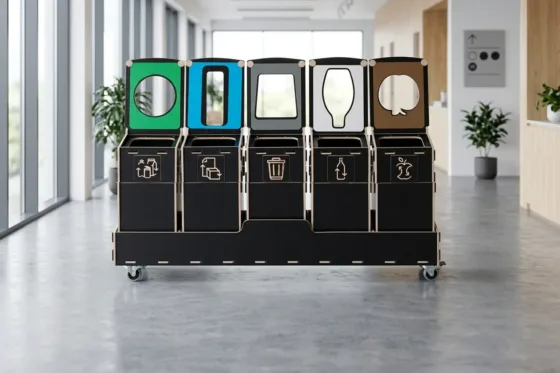
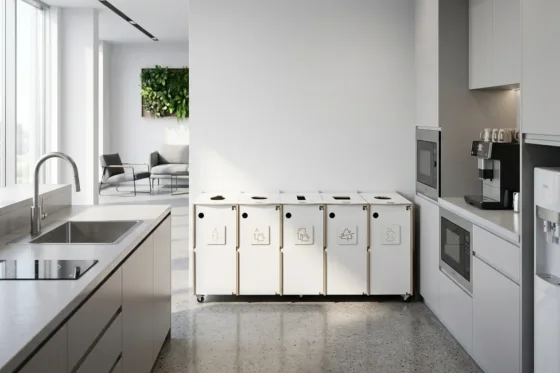
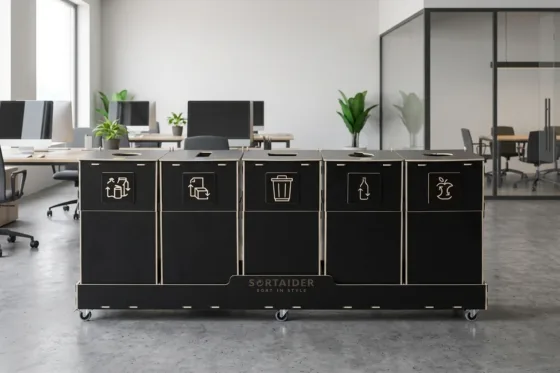
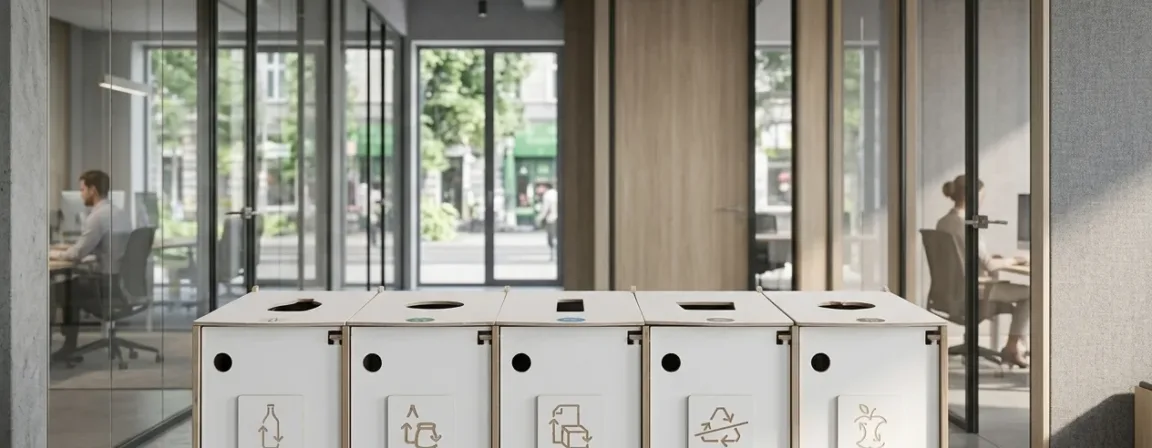
For many European facilities, transitioning to a structured waste management plan is the first tangible step toward ISO certification. Implementing high-capacity, multi-compartment recycling hubs can reduce material contamination and increase recycling yields by up to 40% compared to traditional single-stream bins.
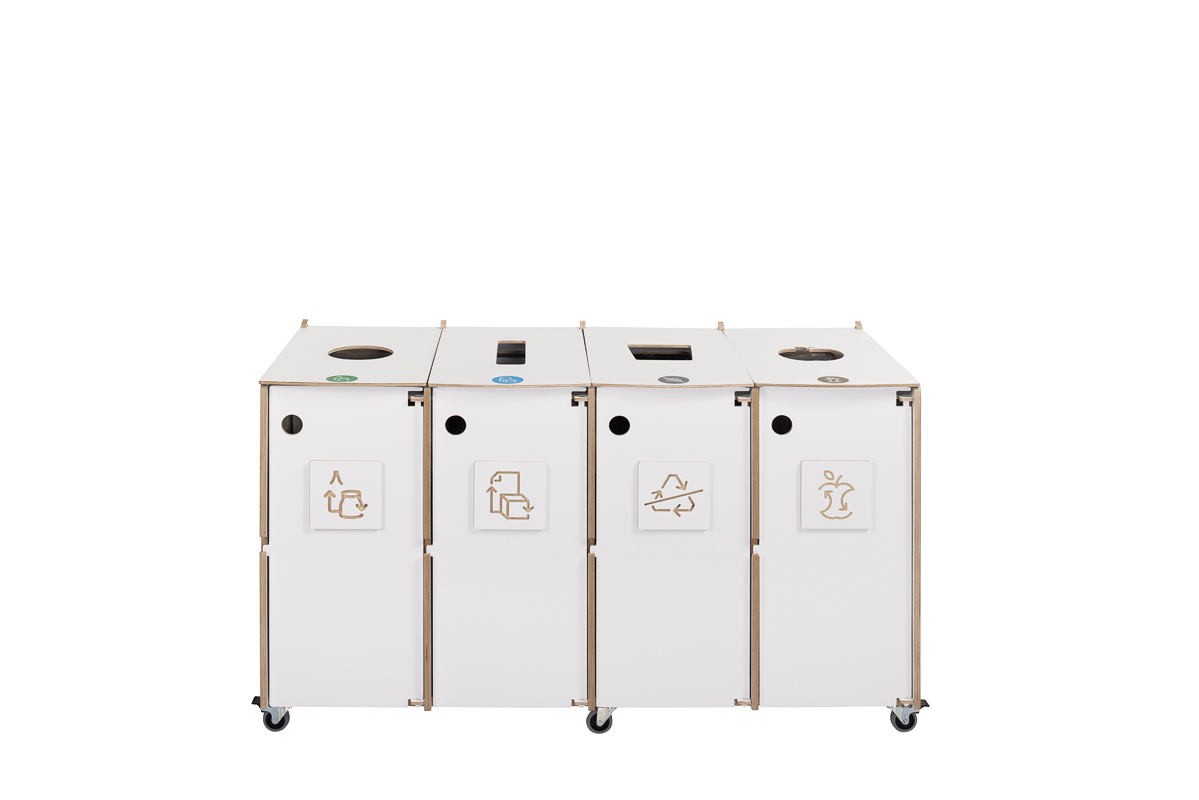
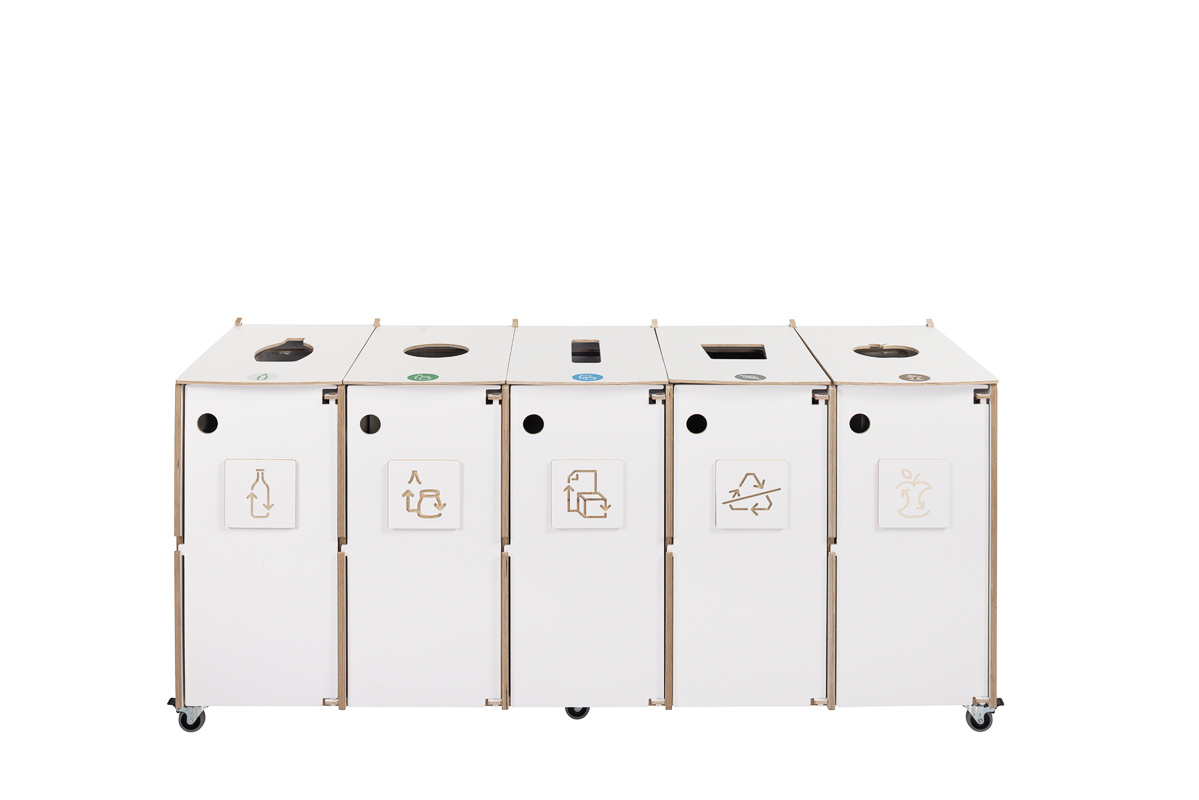
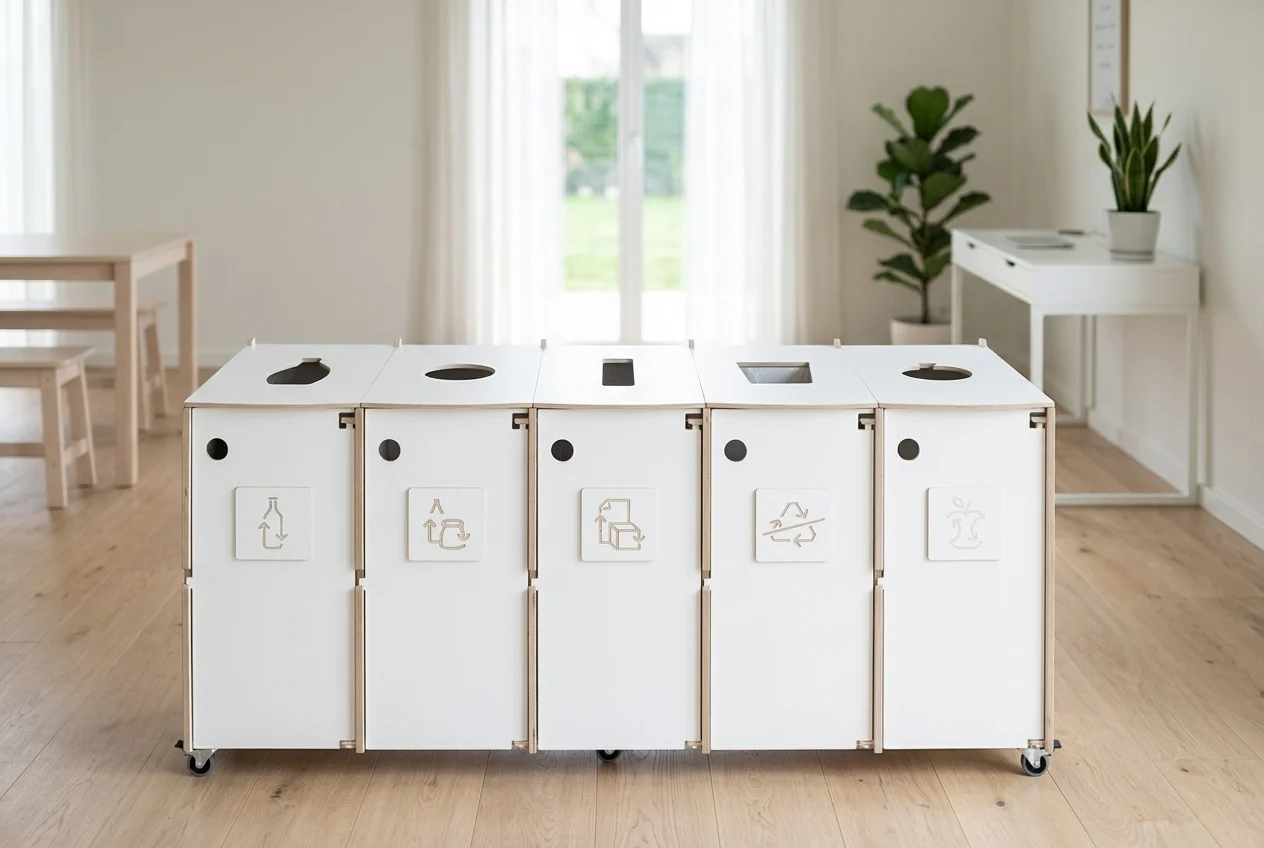
In the Nordic and Baltic regions, local regulations often exceed the general EU baseline. For instance, businesses in Sweden and Estonia face strict mandates regarding the collection of bio-waste. Utilizing modular systems like the Ecolong series allows you to customize waste streams to meet these specific regional requirements while maintaining a clean, Nordic aesthetic in your facility.
The Two-Stage Certification Process
Securing ISO 14001 certification requires an external audit conducted by an accredited body. This process is divided into two distinct stages that verify both your documentation and your daily implementation.
Stage 1: Documentation Audit
During the first stage, the auditor reviews your EMS documentation to ensure it meets the standard’s requirements. They assess your readiness for the full audit and verify that your environmental policy, objectives, and scope are clearly defined. This stage identifies any gaps that you must address within six months to avoid repeating the process.
Stage 2: Implementation Audit
The second stage focuses on the actual effectiveness of your system. The auditor observes your operations, interviews staff, and reviews records to ensure that your documented processes are active on the ground. They will look for evidence of effective workplace recycling and functional operational controls. If successful, your certification remains valid for three years, provided you pass annual surveillance audits.
-
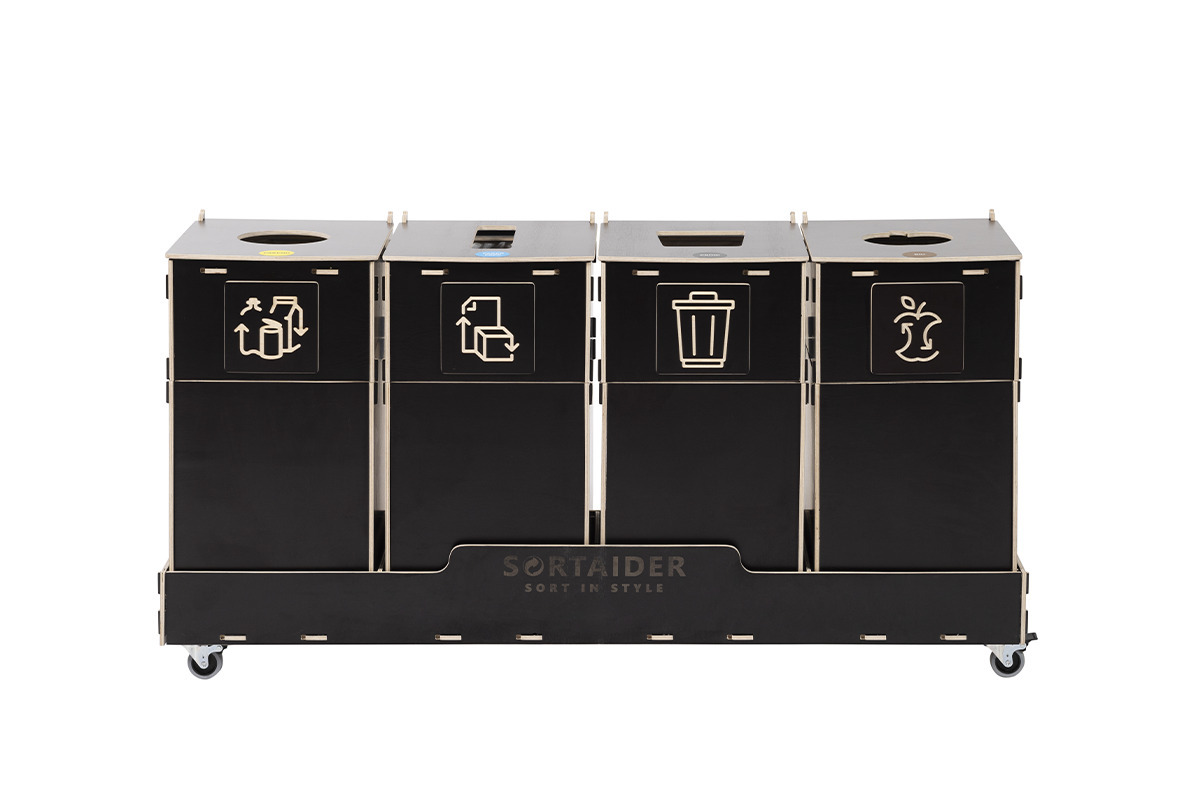
Recycling bin Sorter 40B4
4 types of waste 4 x 40 L1 289,60 € (incl. 24% VAT)1 040 € (excl. VAT) -
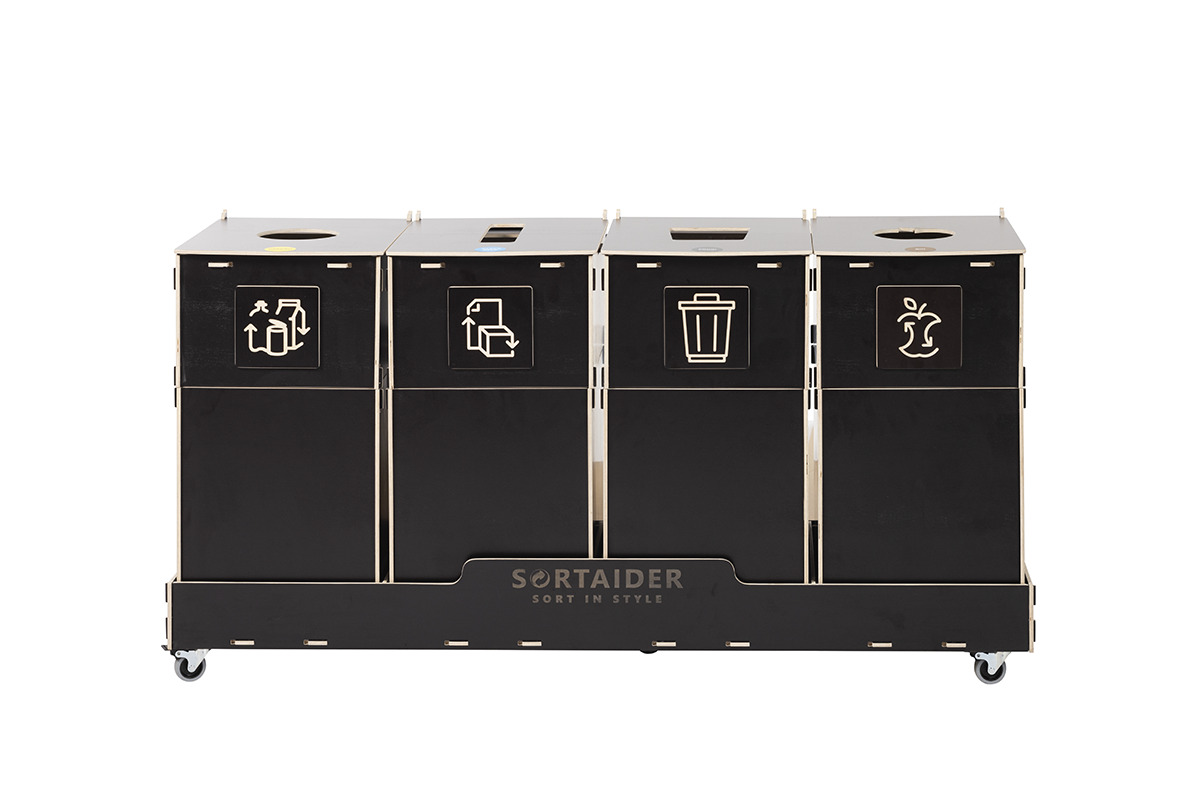
Recycling bin Sorter 60B4
4 types of waste 4 x 60 L1 500,40 € (incl. 24% VAT)1 210 € (excl. VAT) -
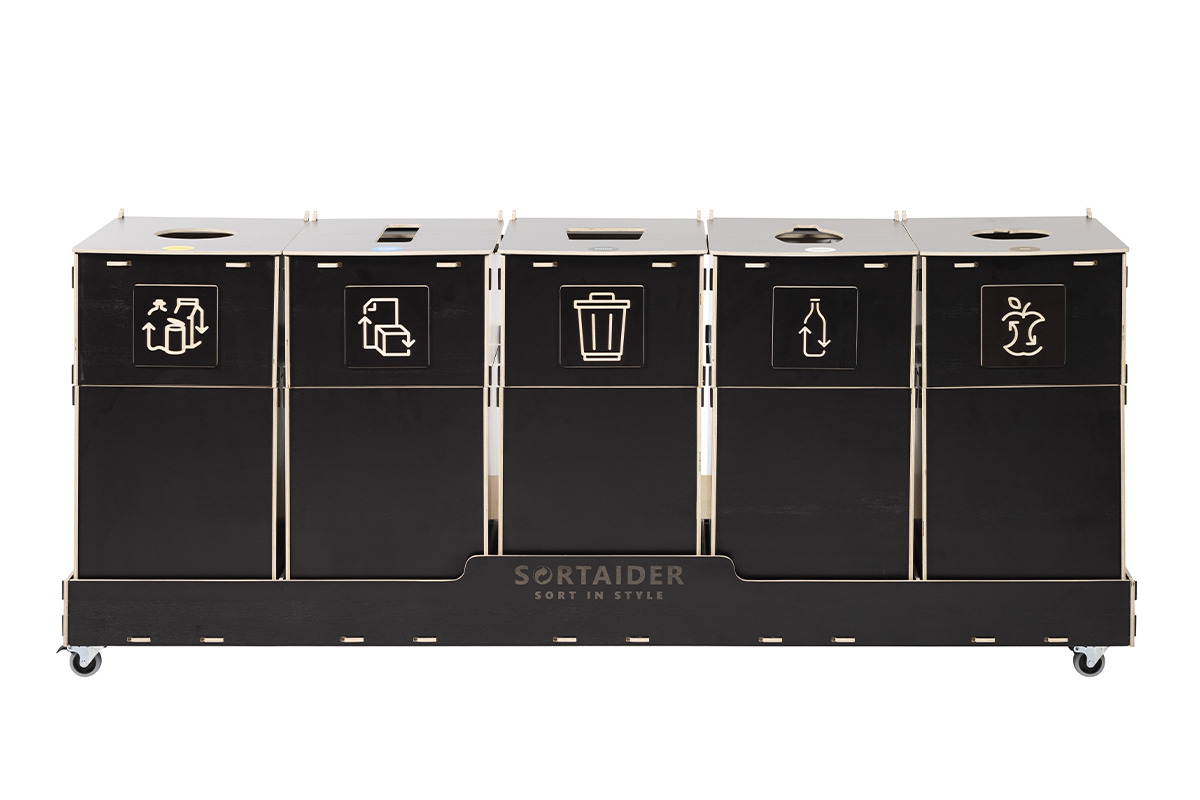
Recycling bin Sorter 60B5
5 types of waste 5 x 60 L1 785,60 € (incl. 24% VAT)1 440 € (excl. VAT) -
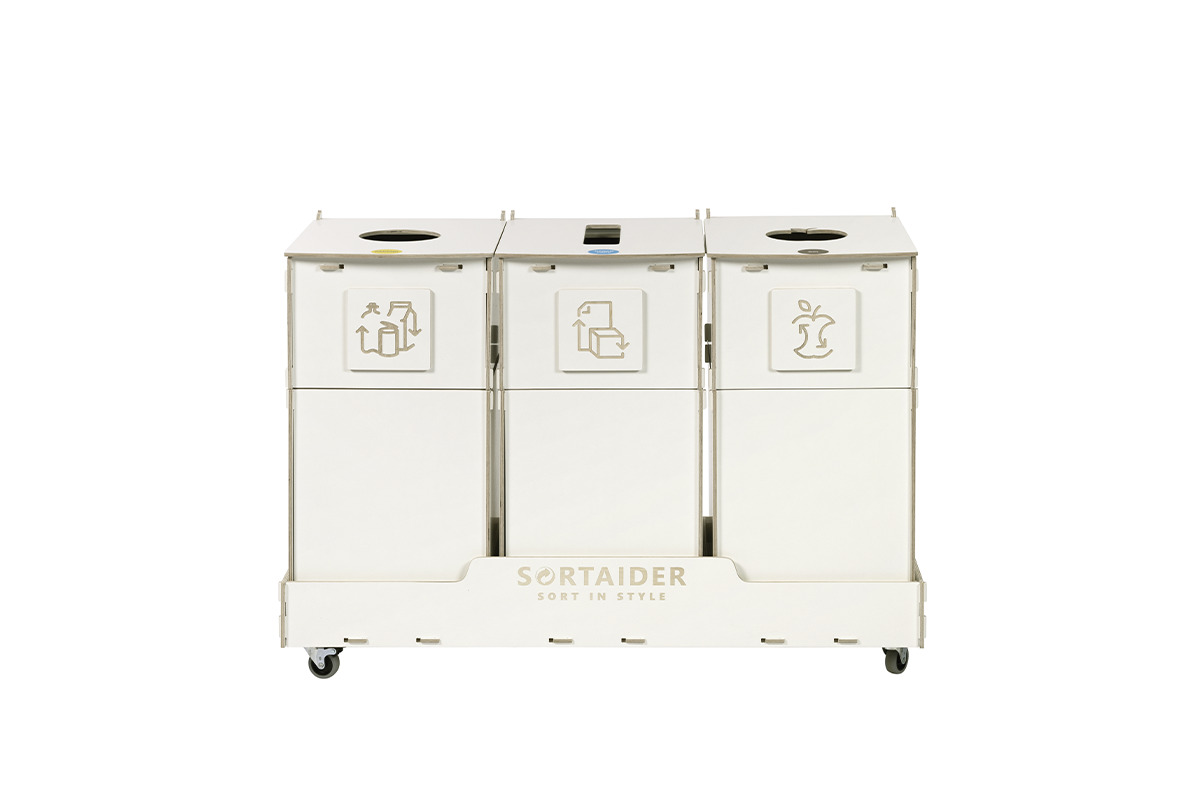
Recycling bin Sorter 60W3
3 types of waste 3 x 60 L1 140,80 € (incl. 24% VAT)920 € (excl. VAT)
ISO 14001 vs. EMAS in Europe
While ISO 14001 is the global benchmark, many European organizations also consider the EMAS (Eco-Management and Audit Scheme). EMAS incorporates all ISO 14001 requirements but adds further elements, such as a mandatory public environmental statement. EMAS registration effectively attests to compliance with ISO 14001 while providing a higher level of transparency for stakeholders.
Choosing ISO 14001 is often the preferred starting point for organizations seeking green office certification. Following this roadmap can lead to significant operational savings, such as lowering energy costs by up to 30% and improving the health and well-being of your employees.
Start with an Environmental Baseline
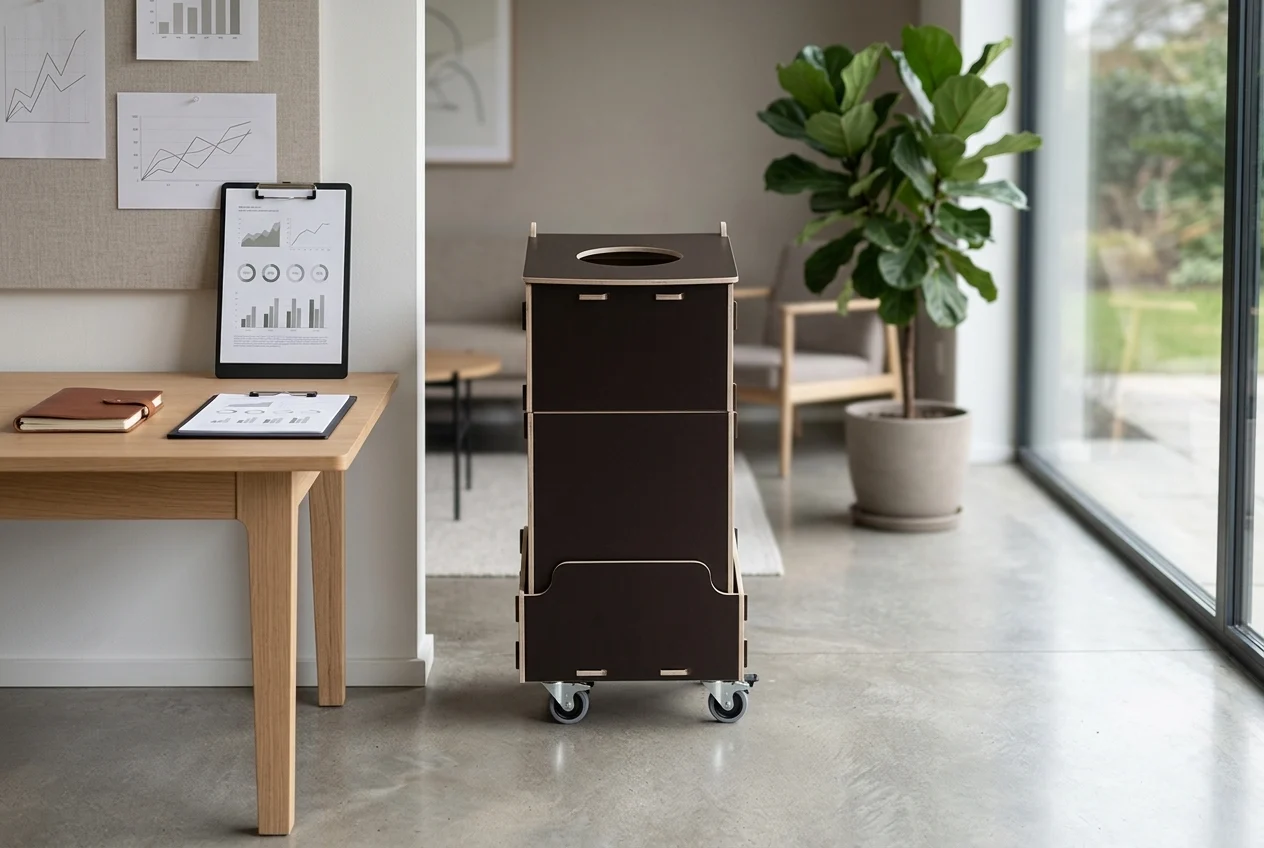
Before beginning the certification journey, you must understand your current impact. A comprehensive waste audit identifies inefficiencies and helps you set SMART goals for waste diversion. By choosing equipment made from renewable materials like birch plywood, you can further lower your lifecycle CO₂ emissions by 2 to 4 times compared to metal or plastic alternatives.
-
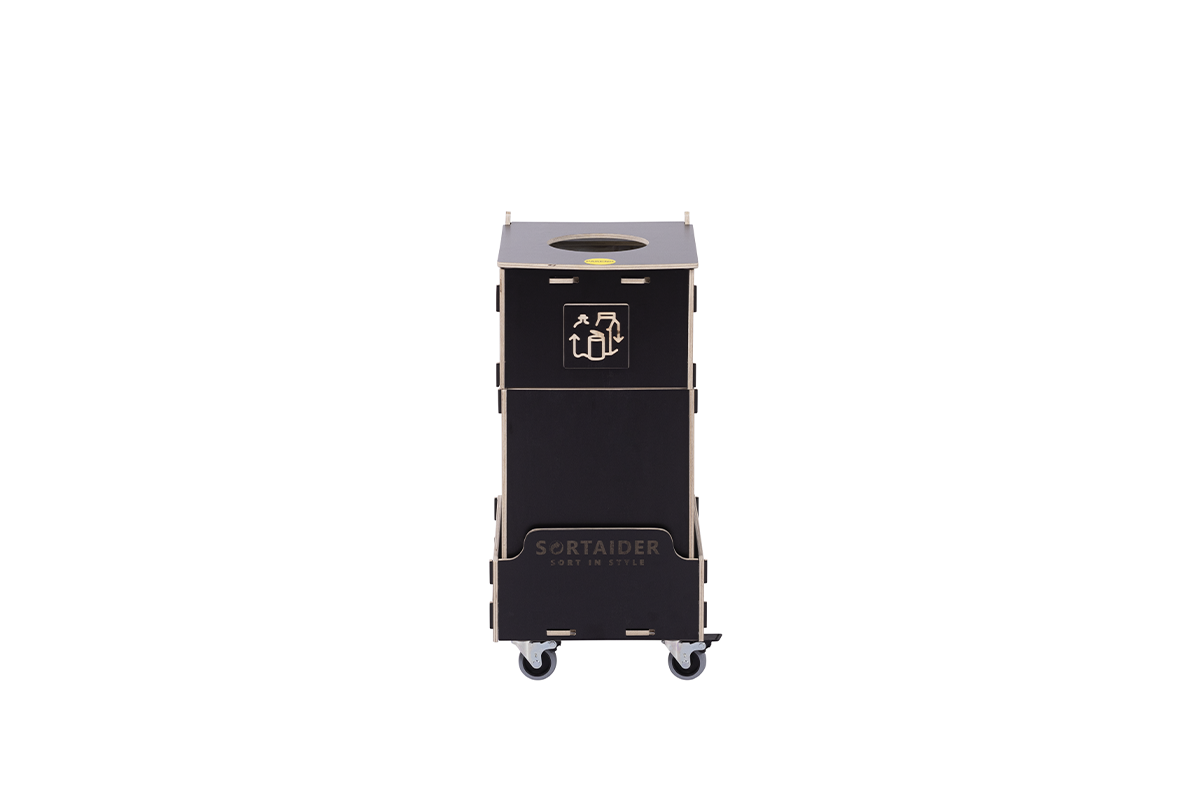
Recycling bin Sorter 10B1
1 type of waste 1 x 10L173,60 € (incl. 24% VAT)140 € (excl. VAT) -
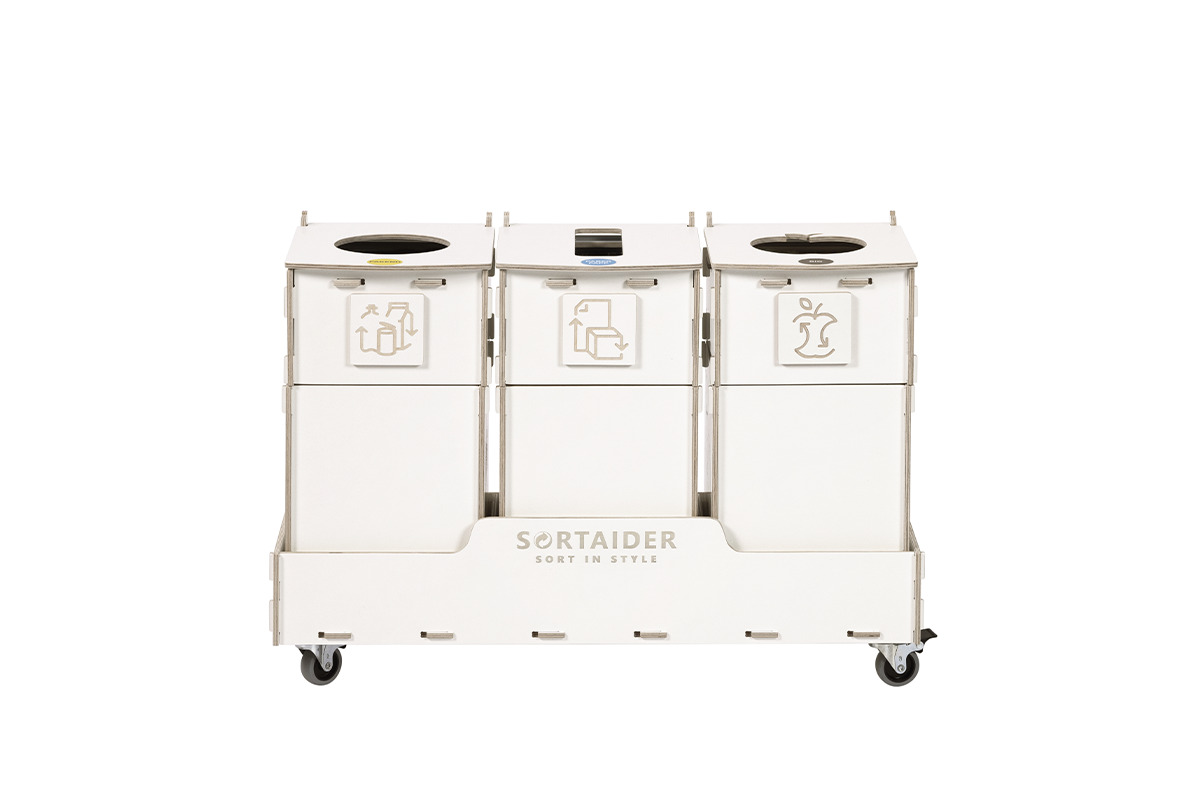
Recycling bin Sorter 20W3
3 types of waste 3 x 20 L471,20 € (incl. 24% VAT)380 € (excl. VAT) -
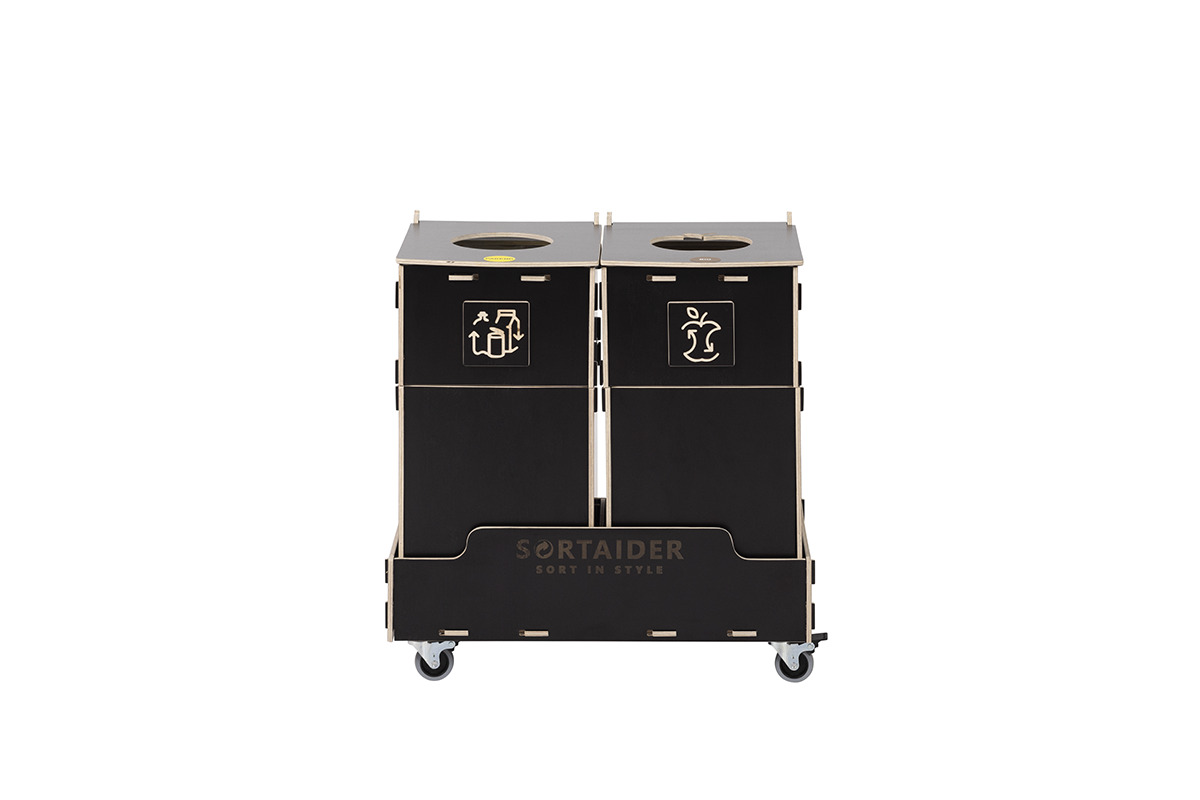
Recycling bin Sorter 30B2
2 types of waste 2 x 30 L508,40 € (incl. 24% VAT)410 € (excl. VAT) -
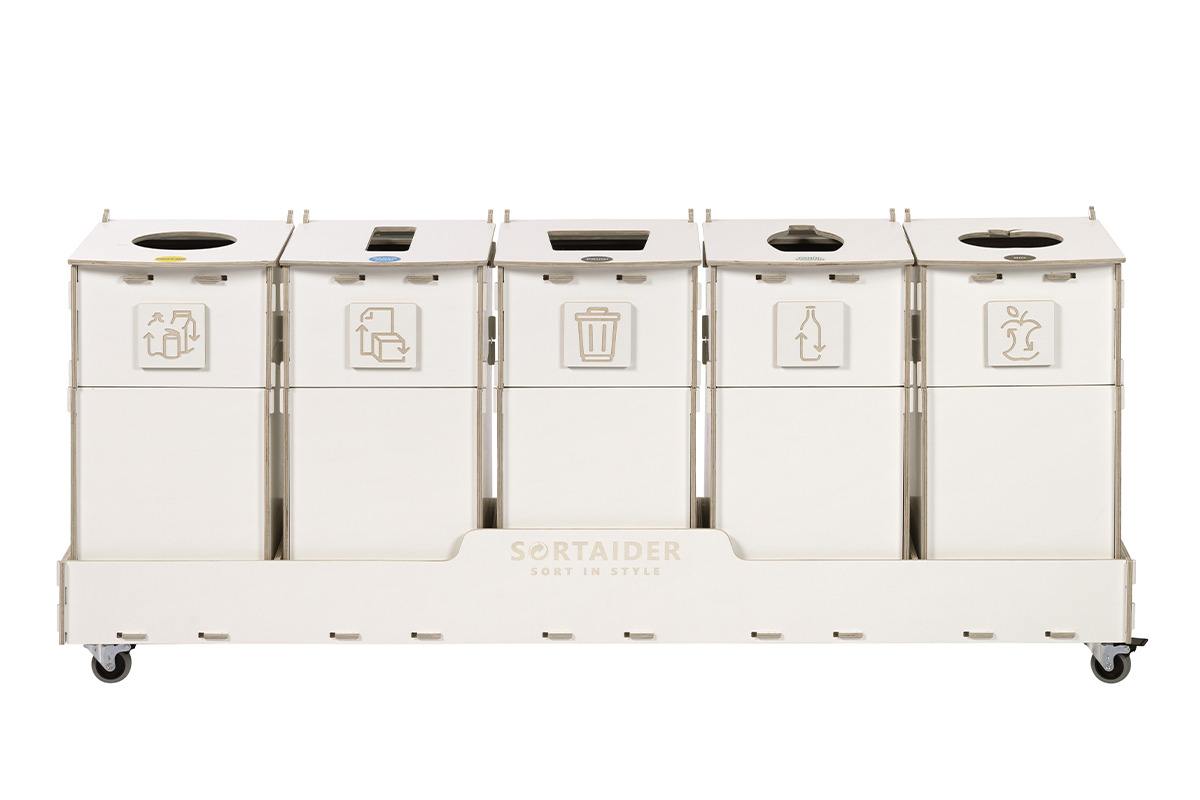
Recycling bin Sorter 30W5
5 types of waste 5 x 30 L1 165,60 € (incl. 24% VAT)940 € (excl. VAT)
To ensure your facility meets the operational requirements of ISO 14001, explore our range of modular recycling bins designed for clear waste separation and seamless integration into professional environments.