
Is your organization actually recycling, or are you just paying for bins to be emptied? Without precise data, sustainability is just a guessing game. Measuring your recycling performance allows you to prove progress to stakeholders, cut disposal costs, and meet strict European environmental regulations.
Collecting Accurate Waste Data
To report on performance, you first need a reliable baseline. The most effective way to establish this is through a waste audit for offices. According to the U.S. EPA, businesses should utilize three primary approaches for assessment: records examinations, facility walk-throughs, and physical waste sorts. By analyzing waste hauler invoices and conducting a physical sort, you can identify exactly what is leaving your building and where inefficiencies lie.
During a physical audit, you should weigh each waste stream separately. Because an average office worker generates roughly 2kg of waste daily, even a small firm can produce tons of material annually. It is vital to collect bags from different zones – such as kitchenettes, printer rooms, and open-plan areas – keeping them strictly separate to identify specific problem areas. Building a structured office waste management plan ensures this data collection becomes a routine part of facility operations rather than a one-time event.
How to Calculate Your Recycling Rate
The primary metric for workplace sustainability is the Waste Diversion Rate. This figure represents the percentage of total waste that is successfully diverted from landfills or incineration through recycling or composting efforts. To calculate your rate, you must divide the total weight of diverted material by the total weight of all waste generated.
- Sum the total weight of all recycled material and composted material.
- Divide that sum by the total weight of all waste produced (including general waste).
- Multiply by 100 to find your percentage.
For example, if your office produces 500kg of waste in a month and you recycle 200kg while composting 50kg, your diversion rate is 50%. Tracking this metric is a core requirement for achieving a green office certification, such as LEED or BREEAM. These certifications do more than provide prestige; they can lower building maintenance costs by up to 20% while providing a clear roadmap for environmental performance.
Standardizing Your Sustainability Reporting
For formal reporting, many organizations follow the GRI 306: Waste 2020 standard. This globally recognized framework requires businesses to report the total weight of waste generated, diverted, and directed to disposal. This standard also encourages organizations to report on the specific recovery operations used, such as whether waste was handled onsite or offsite, providing transparency for ESG (Environmental, Social, and Governance) disclosures.
Reporting requirements vary significantly across European markets, making local compliance essential:
- In Denmark, facilities producing more than one ton of waste annually must utilize digital tracking systems for every shipment leaving the premises.
- In Sweden, separate food waste collection became mandatory for all businesses in 2024, requiring precise data points for organic streams.
- In Lithuania, regulators utilize the APVIS digital registry to monitor waste activity in real-time.
- In Estonia, businesses must separate paper, plastic, metal, glass, and bio-waste, particularly if the site generates more than 10kg of bio-waste daily.
By aligning your internal tracking with these workplace recycling regulations, you ensure your data is robust and “investor-ready.”
Identifying Areas for Improvement
Data collection often reveals “hidden” inefficiencies that hamper your sustainability goals. For instance, high levels of contamination – often caused by the “Pizza Box rule” where greasy cardboard ruins a paper batch – can lead to entire loads being rejected by recovery facilities. Most facilities will reject a load if contamination exceeds a threshold of 3–5% by weight. Across Europe, MRFs face significant annual costs due to increased labor and equipment repairs caused by such contamination.
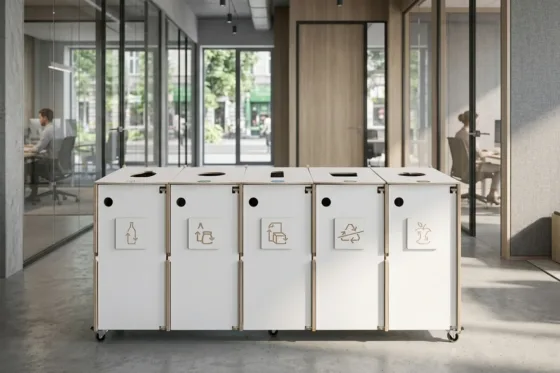
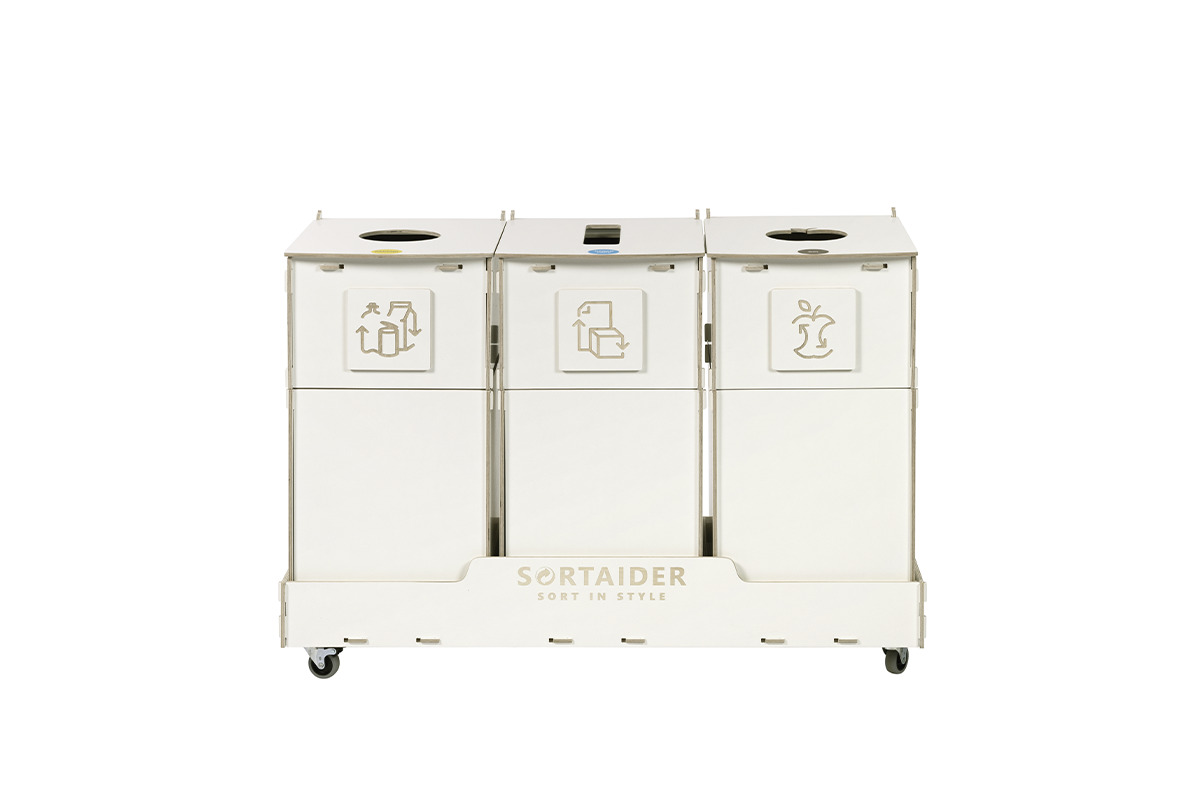
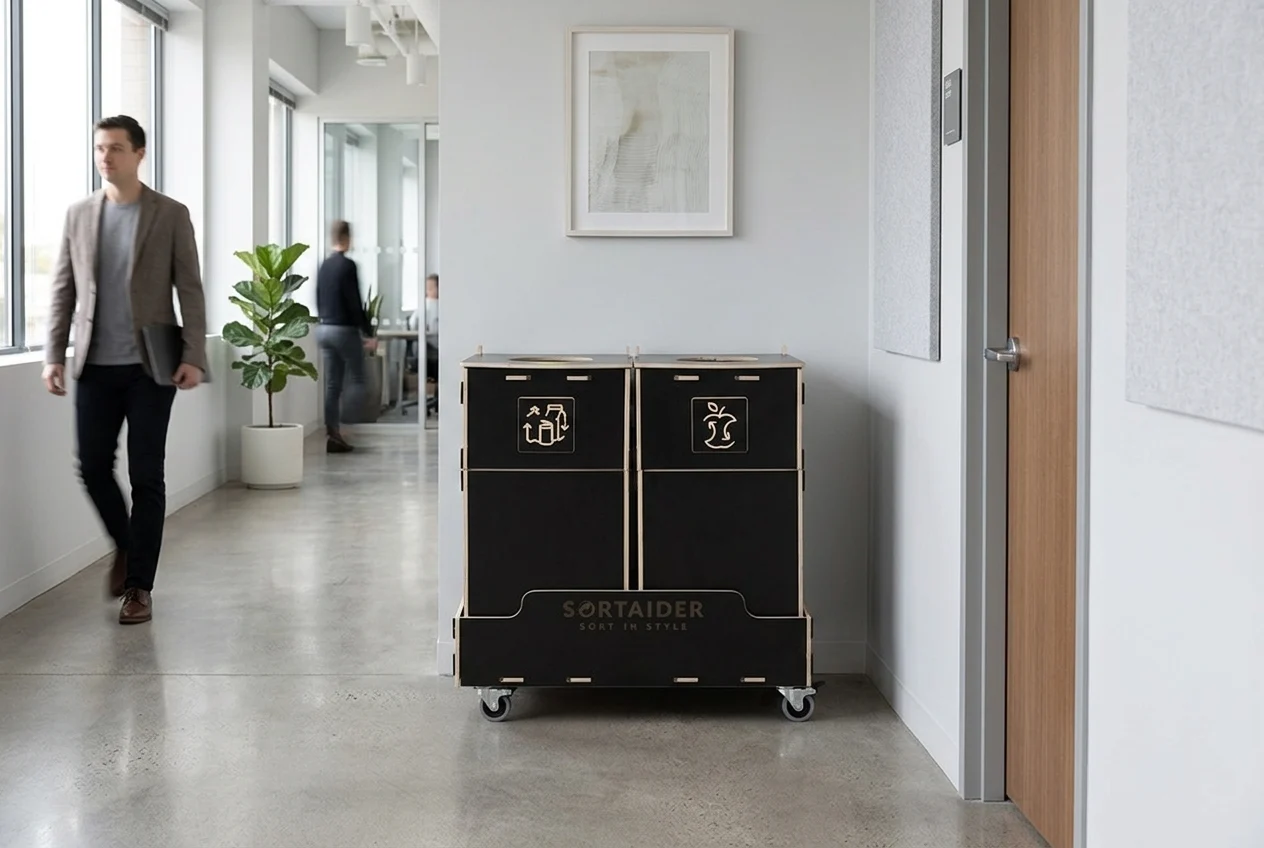
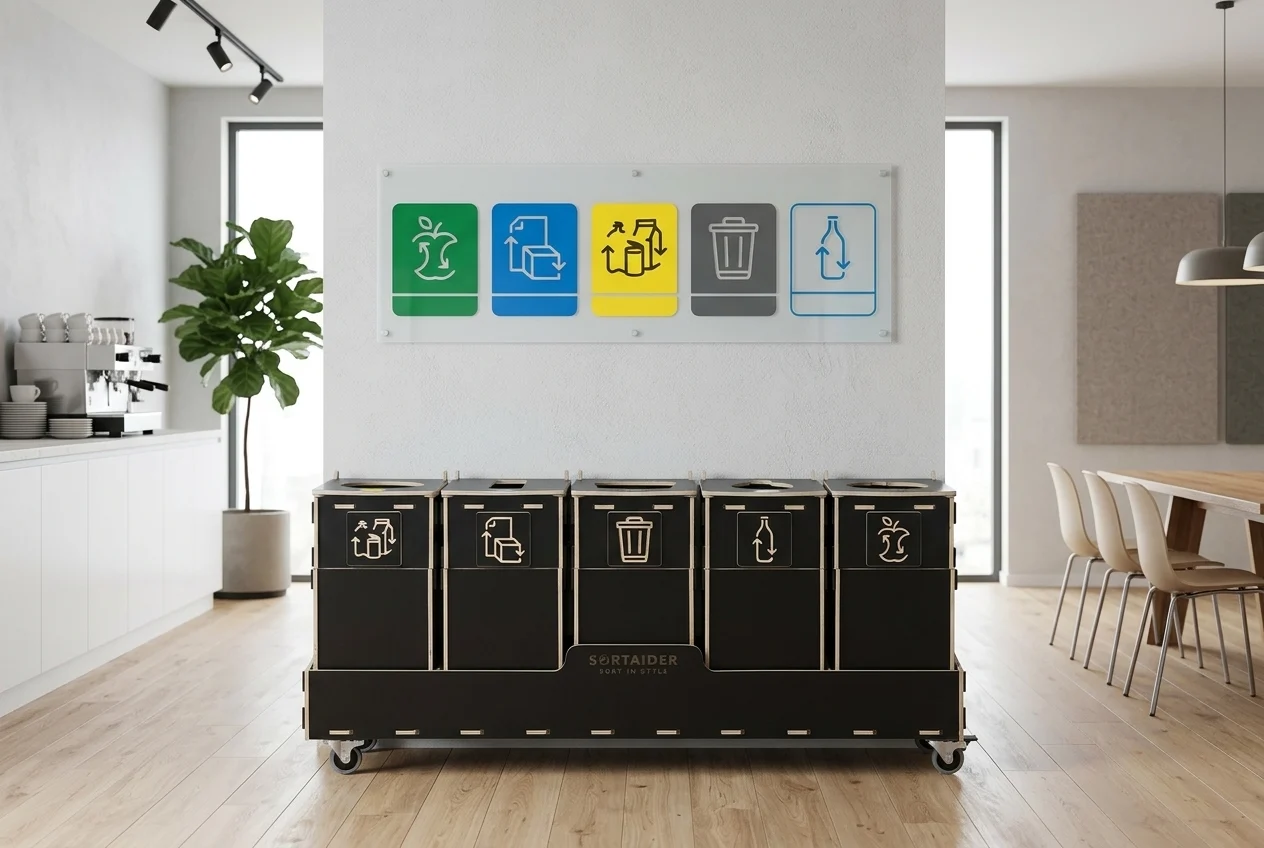
If your recycling rate is lower than the EU target of 65% municipal recycling mentioned in your office waste management plan, consider the “proximity effect.” Research indicates that strategic bin placement can boost participation by 30–50%. Replacing individual deskside bins with centralized recycling hubs in high-traffic corridors is often the most effective way to improve data accuracy and diversion rates simultaneously.
Communicating Results to Stakeholders
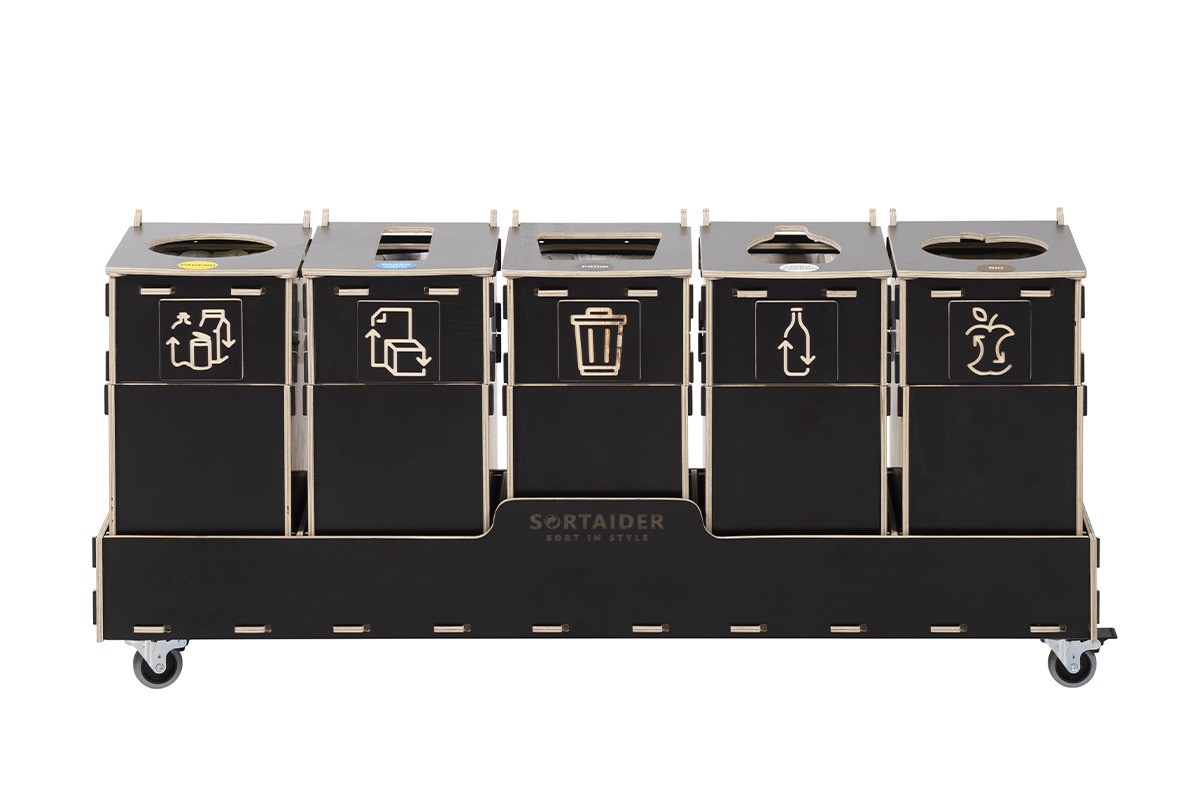
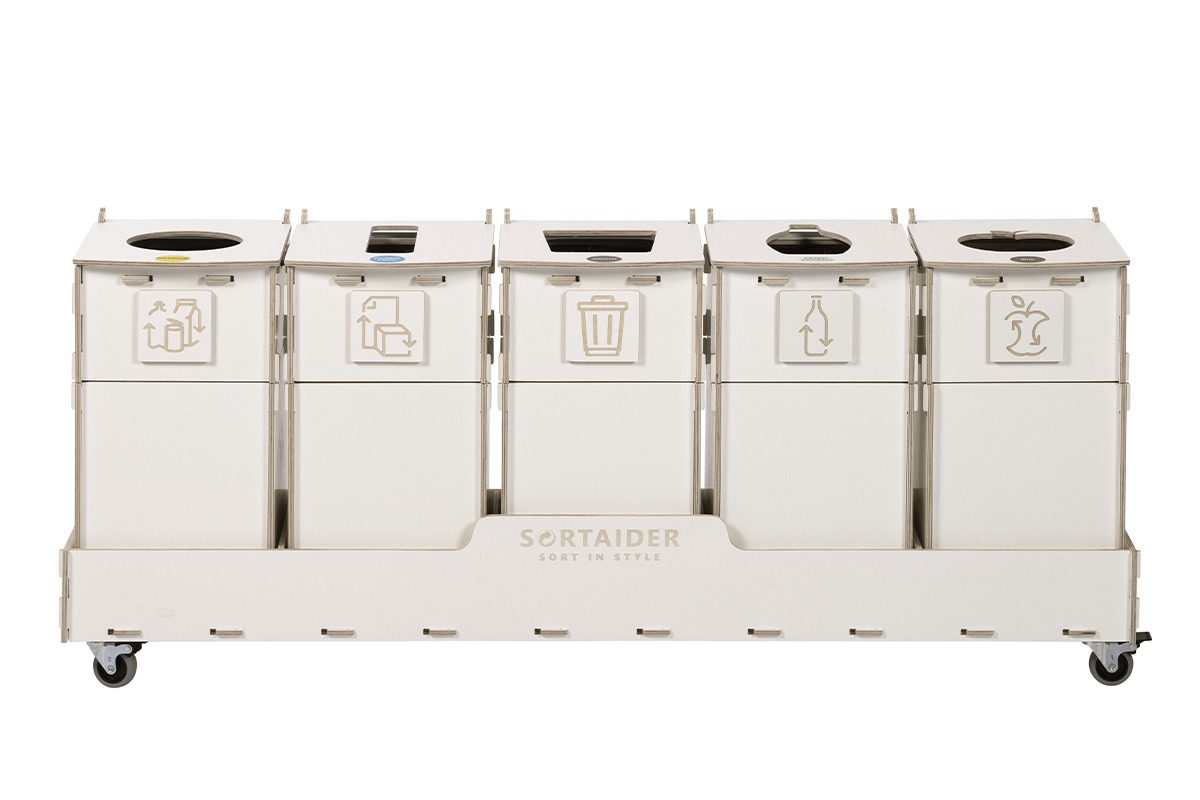
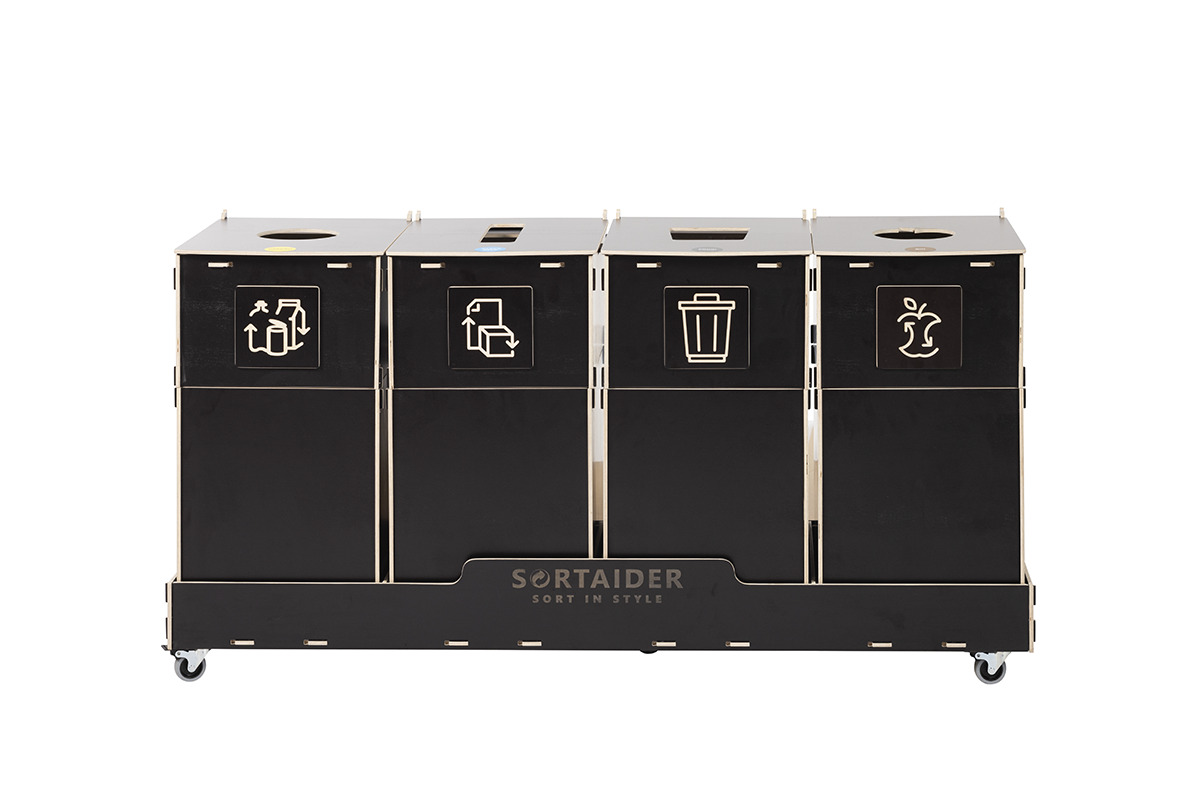
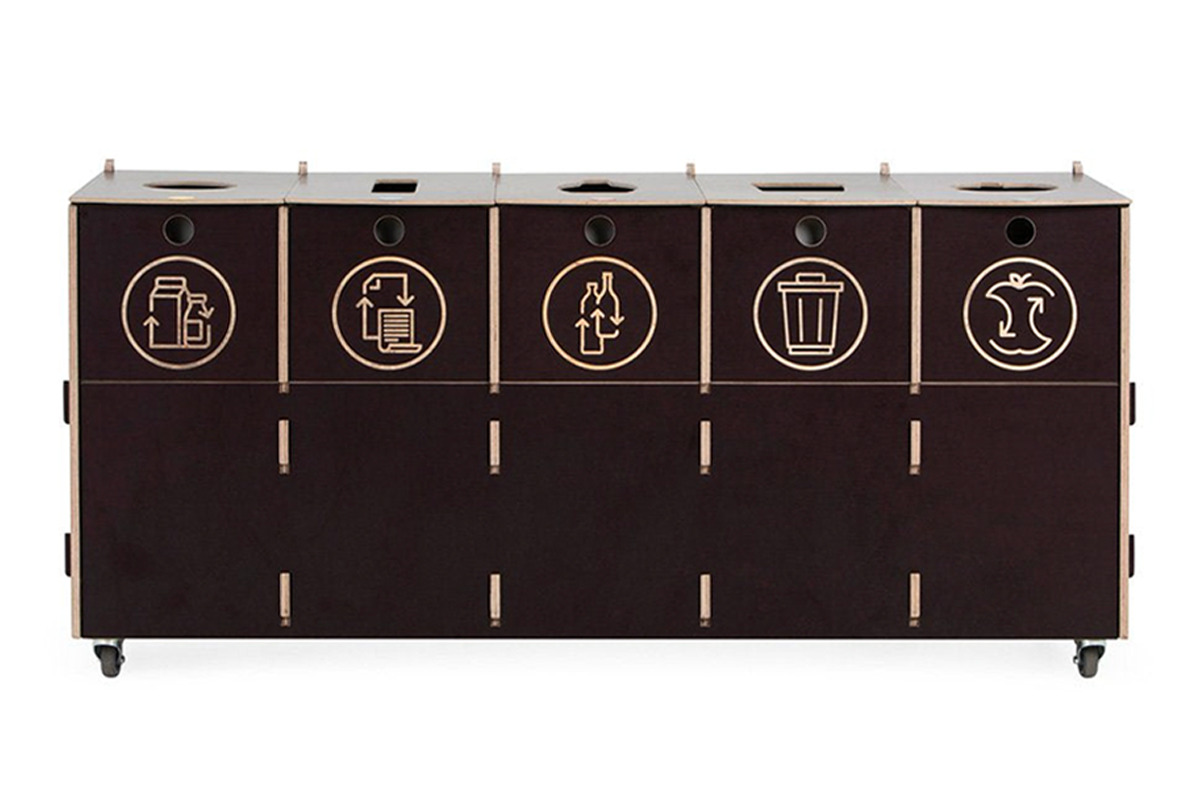
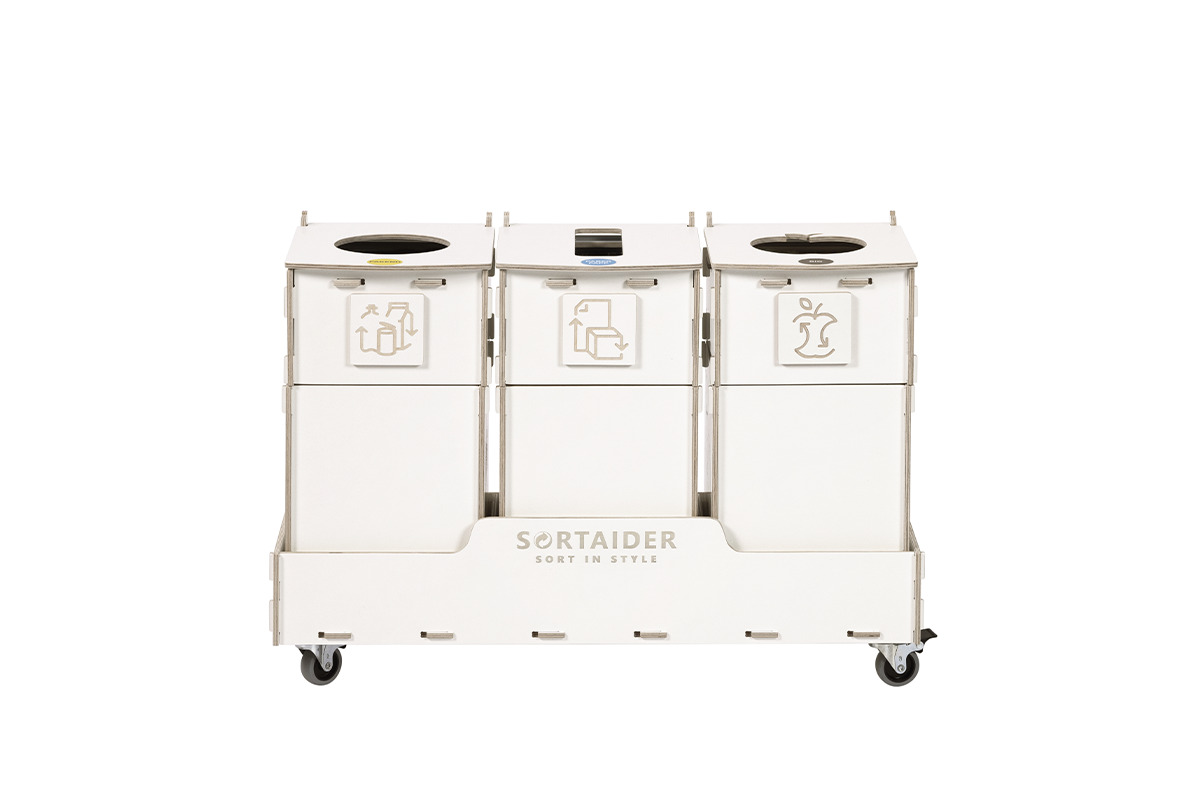
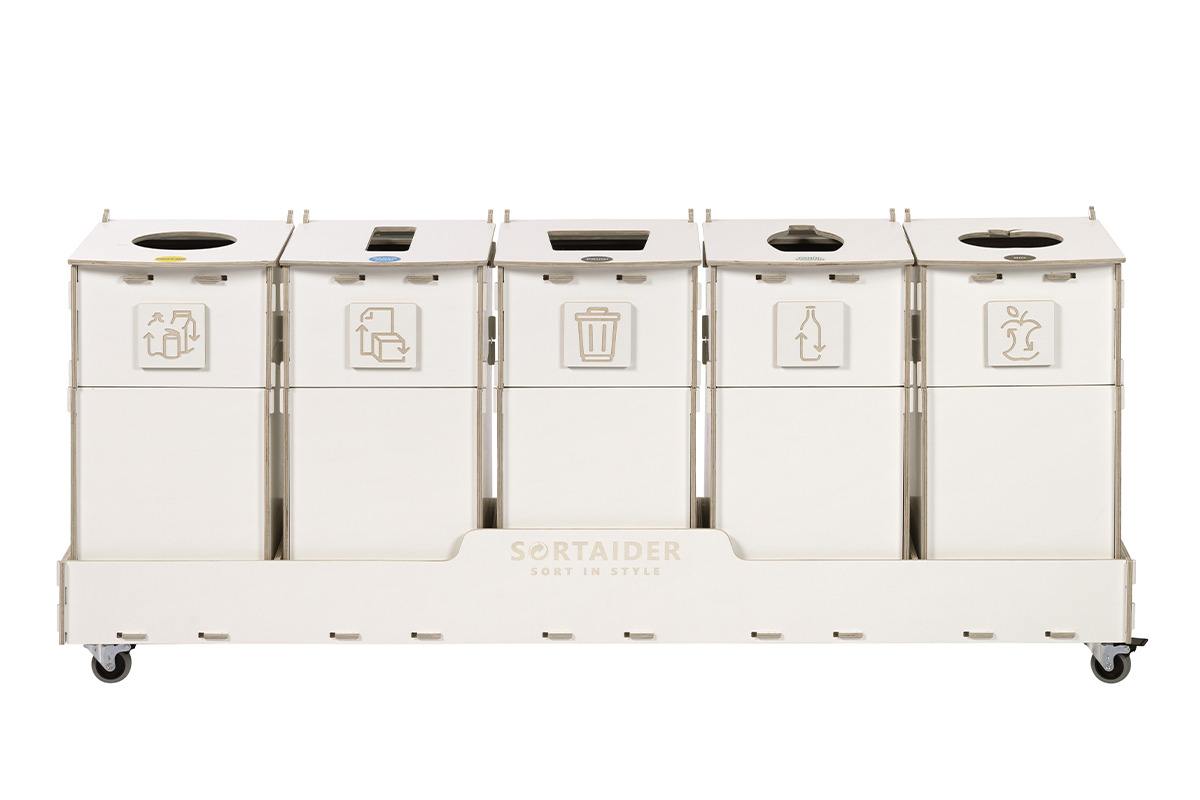
Reporting shouldn’t just be for compliance; it is a powerful tool for employee engagement. Sharing monthly diversion reports helps staff see the tangible impact of their sorting efforts. To maintain these levels, you should use effective bin signage featuring clear pictograms and bilingual instructions, which has been shown to reduce sorting errors by up to 40% in multilingual workplaces.
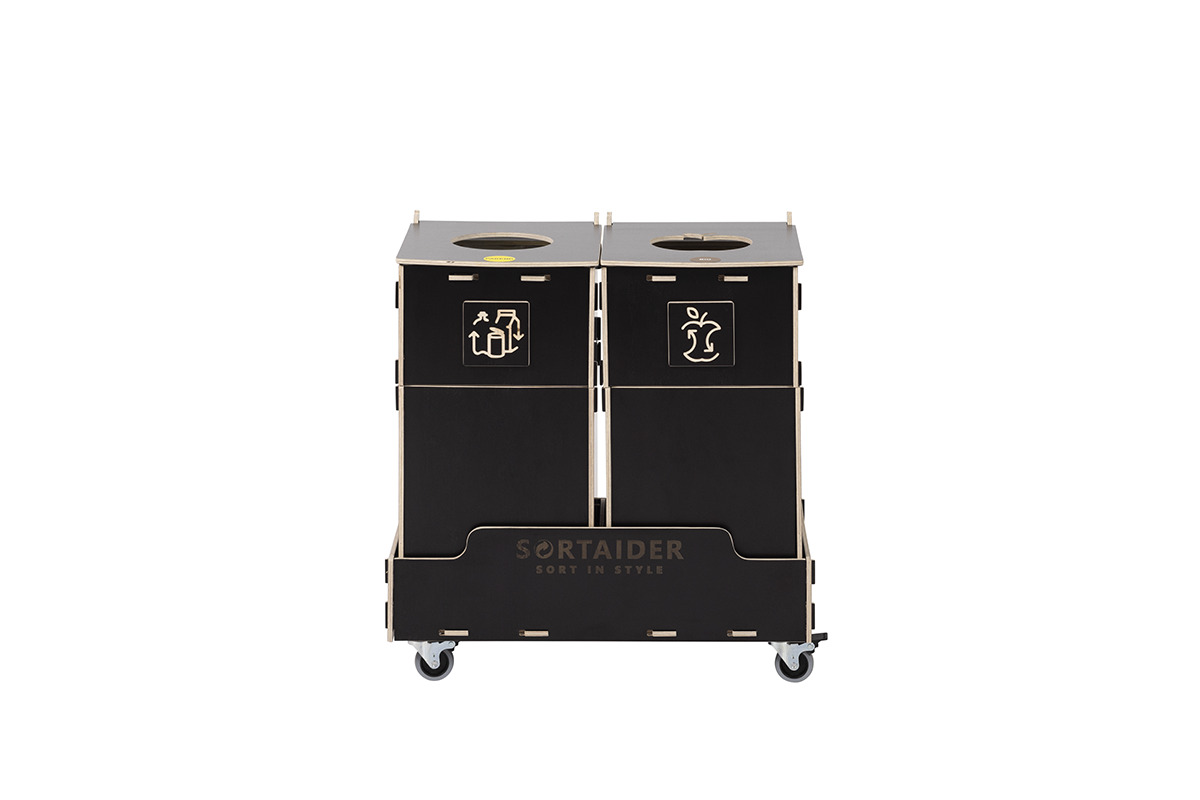
When reporting to management, focus on the financial benefits of accurate tracking. “Right-sizing” waste services based on audit findings can reduce disposal fees by 30% to 50% by lowering collection frequency. Furthermore, choosing infrastructure with a low carbon footprint, such as moisture-resistant plywood bins that emit up to 4x less CO2 than metal or plastic alternatives, adds a qualitative layer to your sustainability report.
To start improving your workplace diversion rates today, explore our range of modular, award-winning sorting solutions designed for professional environments.