
Is your office space working against your sustainability goals? While energy use remains the primary driver of corporate emissions, integrating smart procurement and waste management can significantly accelerate your path to net-zero while improving operational efficiency.
Implement Occupancy-Based Controls
Energy use for heating, cooling, and lighting represents the largest direct operational source of carbon emissions in most modern offices. Research indicates that occupancy-based controls can lead to an average 22% reduction in operational energy use and carbon emissions. By utilizing sensors to adjust HVAC and lighting based on real-time room usage, you eliminate “vampire” energy drain in meeting rooms and communal spaces that often remain empty for over 70% of the business day.
Beyond automated HVAC adjustments, combining these controls with LED lighting retrofits can further reduce energy consumption by 25% to 80% compared to traditional bulbs. This transition not only cuts Scope 2 emissions but also reduces heat output, which significantly lowers the strain on your cooling systems during summer months. Maintaining CO2 levels and humidity through smart building management systems ensures that environmental targets are met without compromising occupant health.
Transition to Low-Embodied Carbon Procurement
Your Scope 3 emissions – those originating from your supply chain and purchased goods – often outweigh your direct energy use. When refreshing office interiors or selecting operational equipment, you should prioritize materials with a lower lifecycle carbon impact. For instance, choosing furniture and fixtures made from renewable birch plywood rather than metal or plastic can result in 2 to 4 times lower CO₂ emissions over the product’s lifecycle.
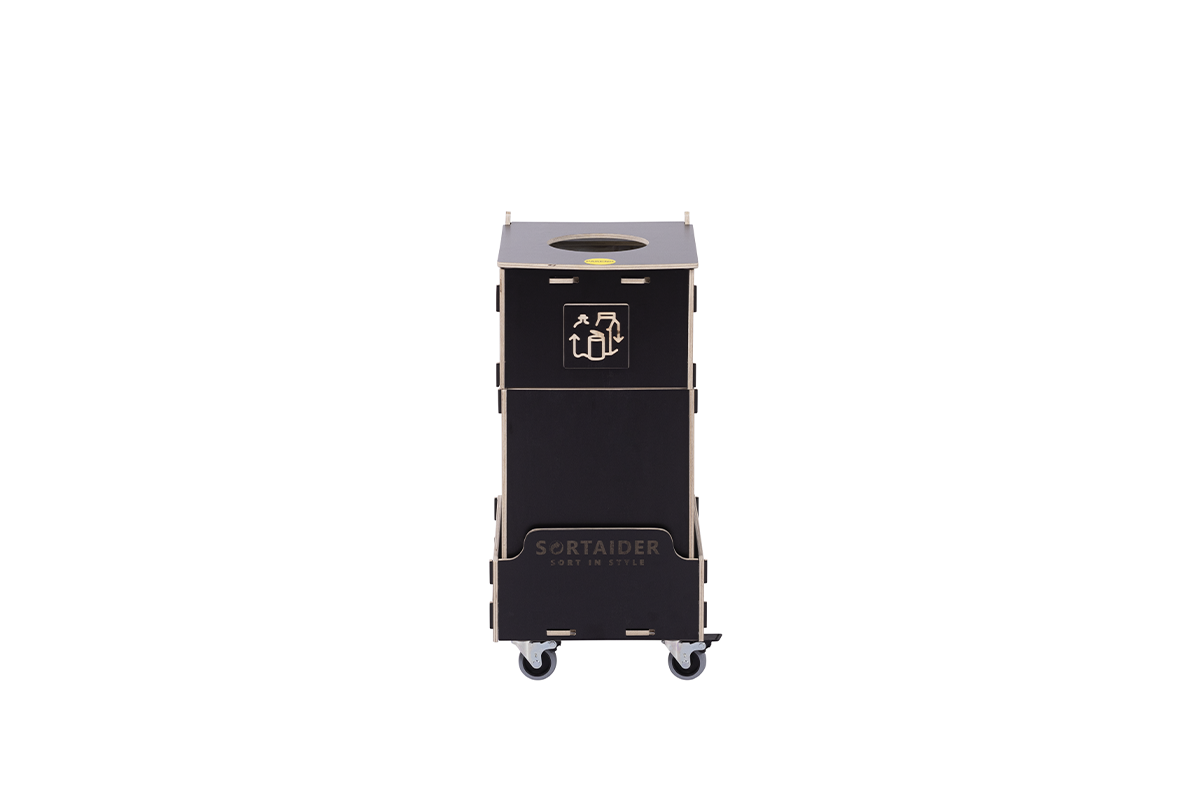
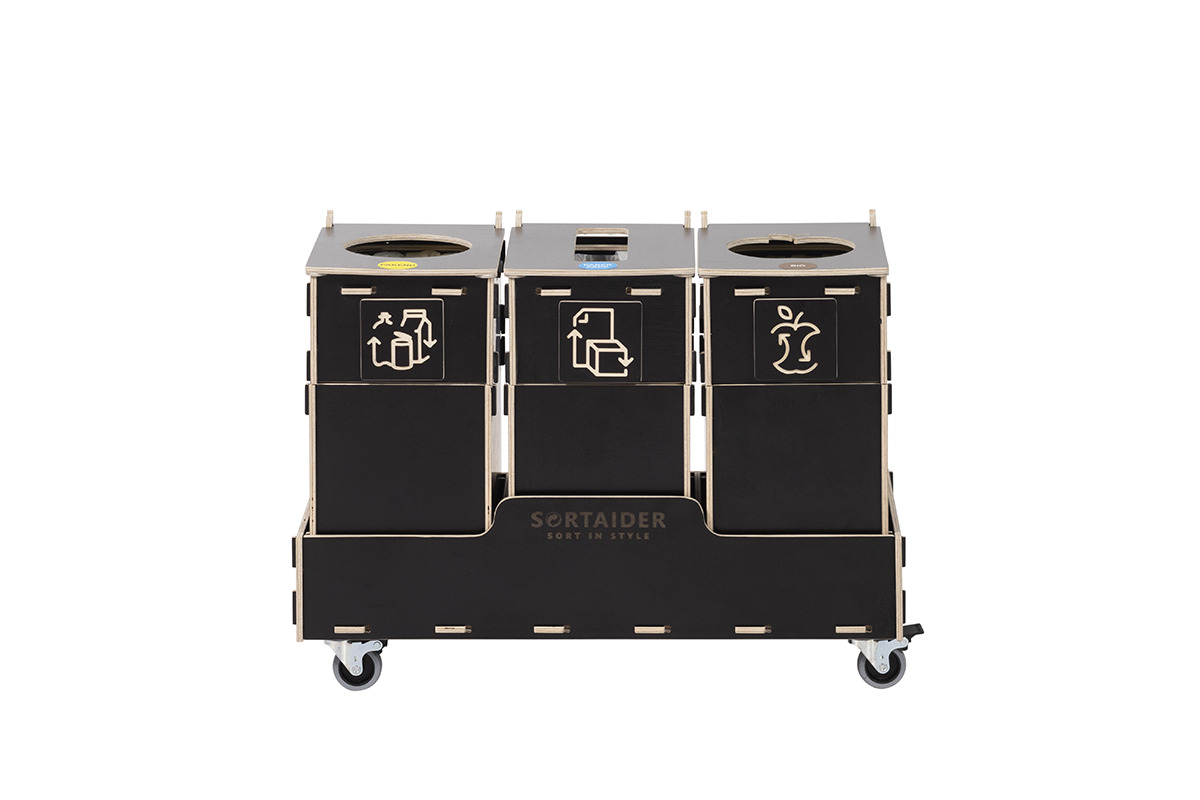
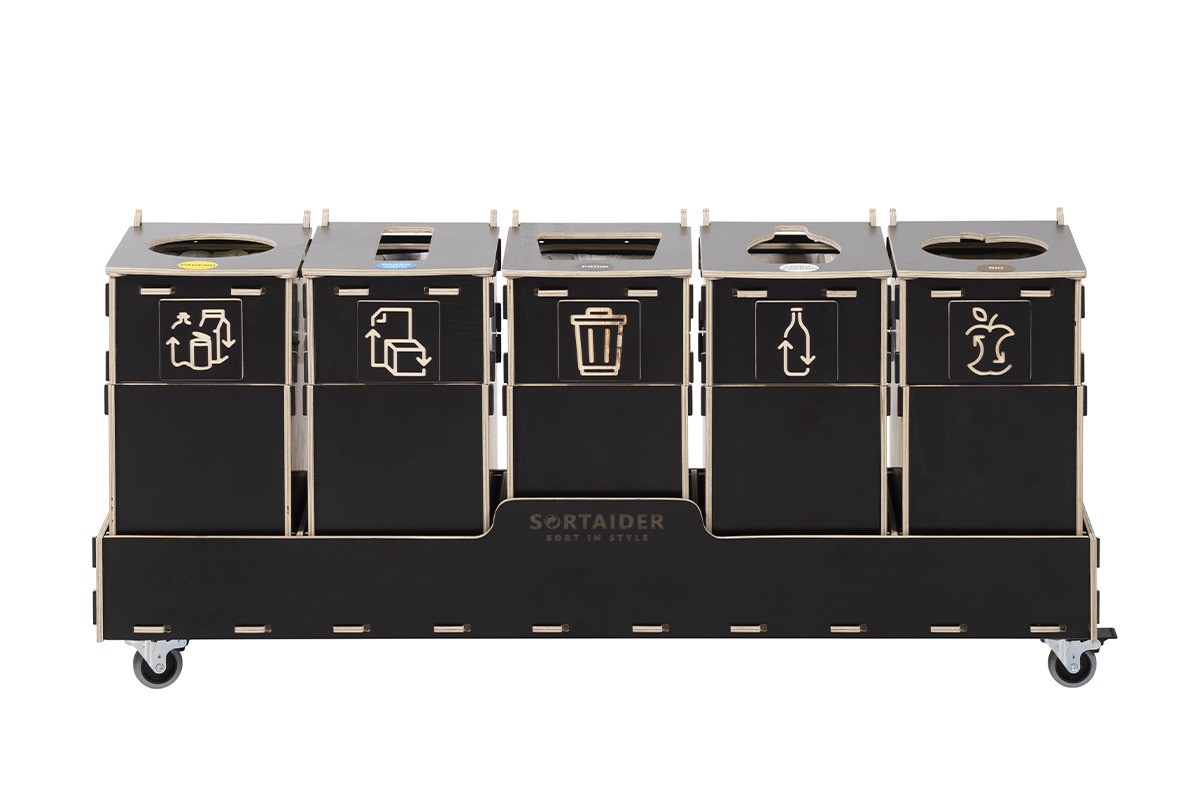
By shifting to local sourcing and vendors who provide transparent carbon reporting, you send a clear market signal that accelerates broader industry decarbonization. Focus on products designed with a modular or screwless assembly philosophy, as these are inherently easier to repair, relocate, or recycle. This approach extends the functional life of your capital goods and ensures that the carbon embodied in your office equipment remains productive for as long as possible.
Optimize Waste Diversion at the Source
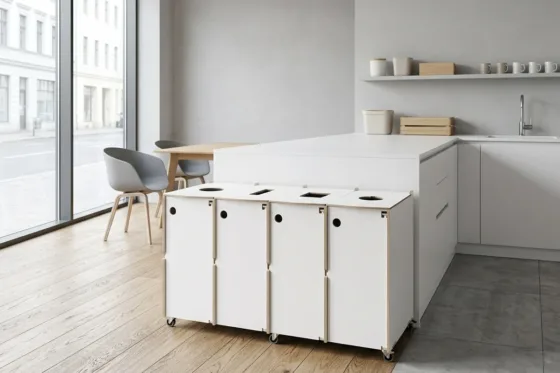
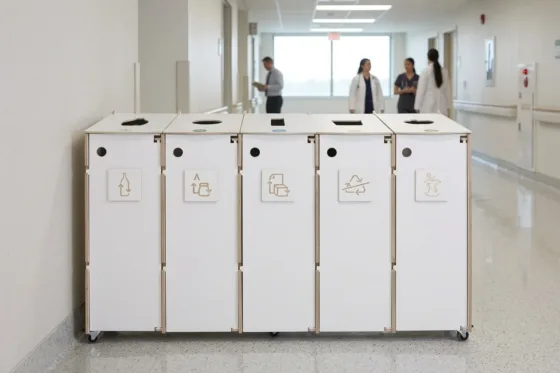
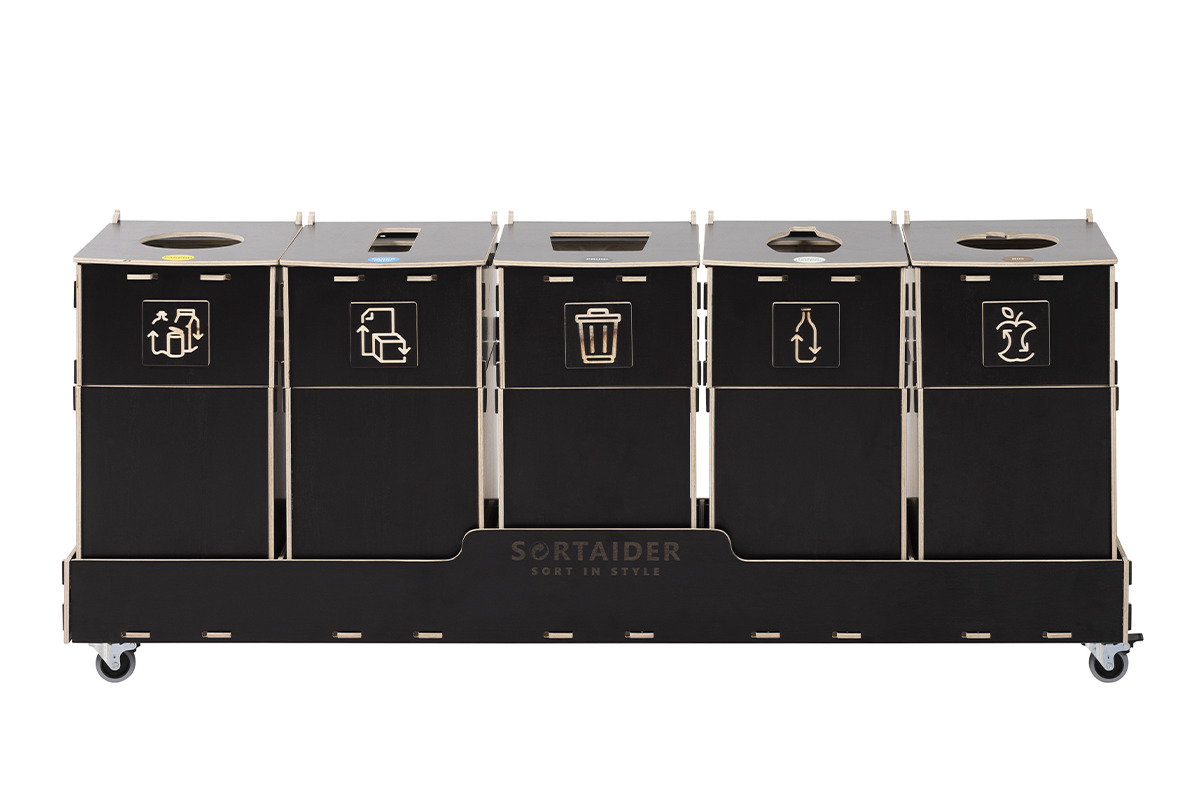
Waste generated in daily operations contributes to emissions through high-impact transport and landfill processing. To reach the ambitious diversion rates of 50% or higher targeted by leading organizations, facility managers must move beyond the traditional “trash” bin. High-capacity sustainable waste-sorting systems that support multiple waste streams – including paper, plastic, organics, and e-waste – are essential for reducing material contamination and increasing recycling yield.
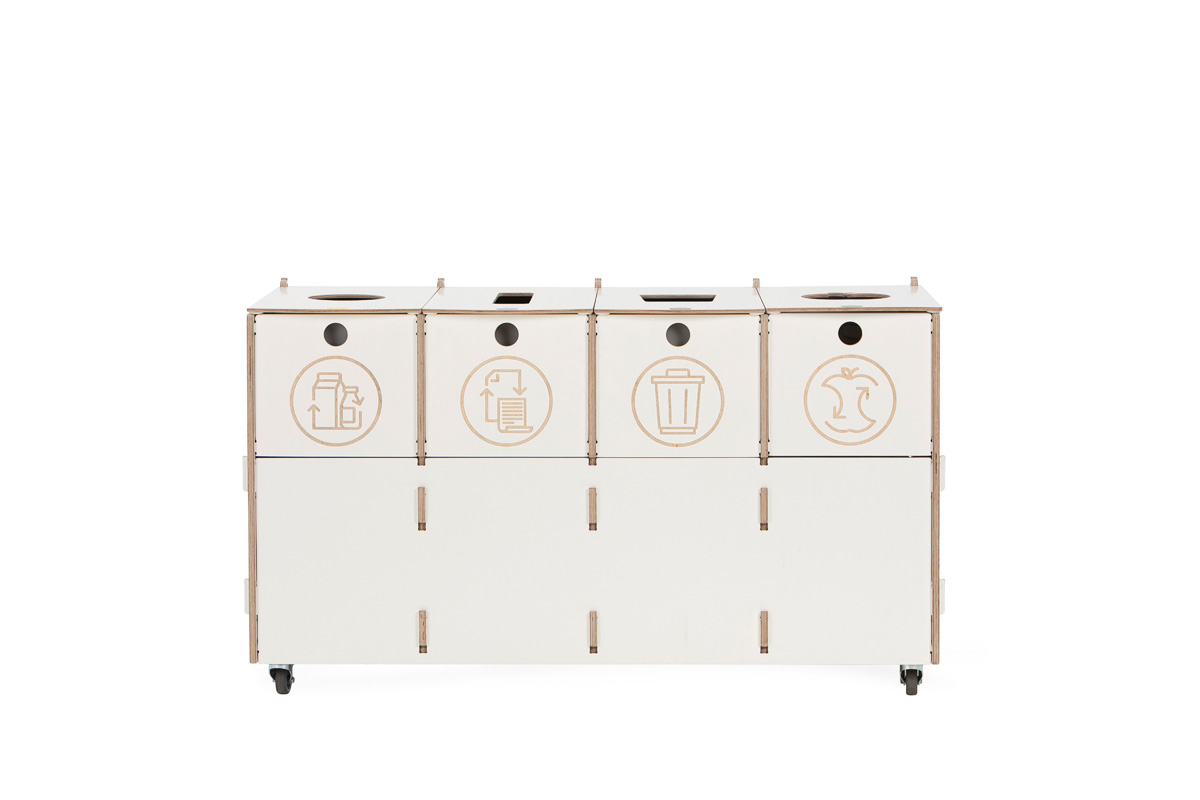
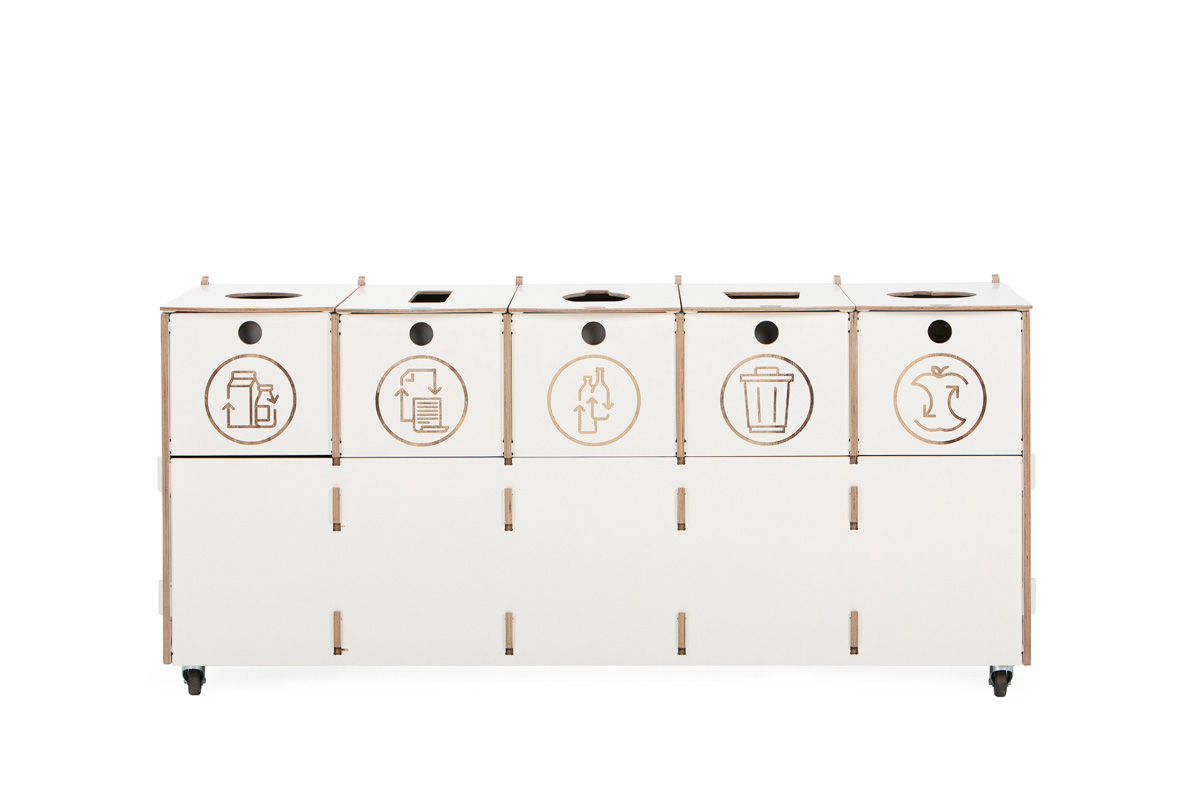
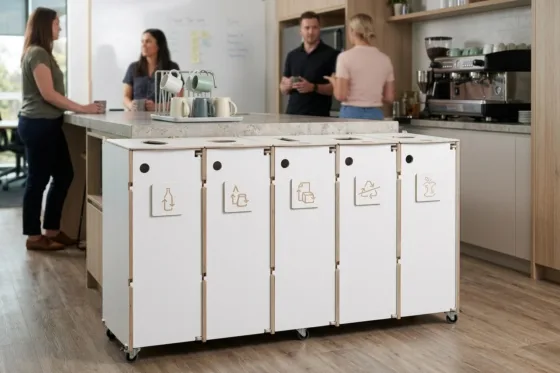
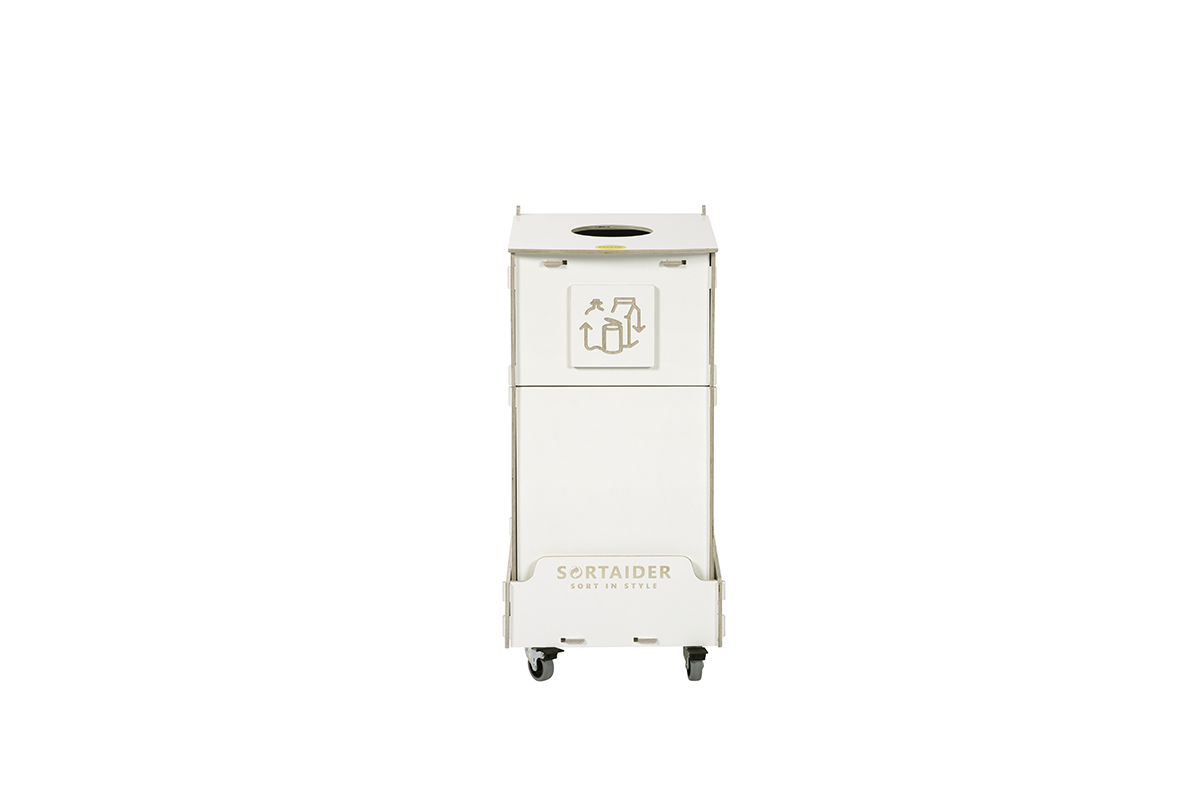
Implementing a high-end Container series system in high-traffic areas ensures that materials like organic waste are effectively diverted from landfills, which directly reduces methane emissions. For modern, flexible offices, the Ecolong waste sorting solution offers a versatile 3-in-1 system that adapts to your specific volume needs, whether you are collecting large volumes of paper or utilizing continuous bag systems for general waste.
Conduct Regular Waste Audits and Staff Training
You cannot manage what you do not measure, and the same applies to your office’s waste output. Conducting periodic waste audits allows facility managers to identify exactly what materials are being discarded and where the sorting process is breaking down. Clear, bilingual instructions and intuitive visual guidance – such as the pictograms featured on the Sorta series – significantly reduce user error and improve the quality of your recyclables.
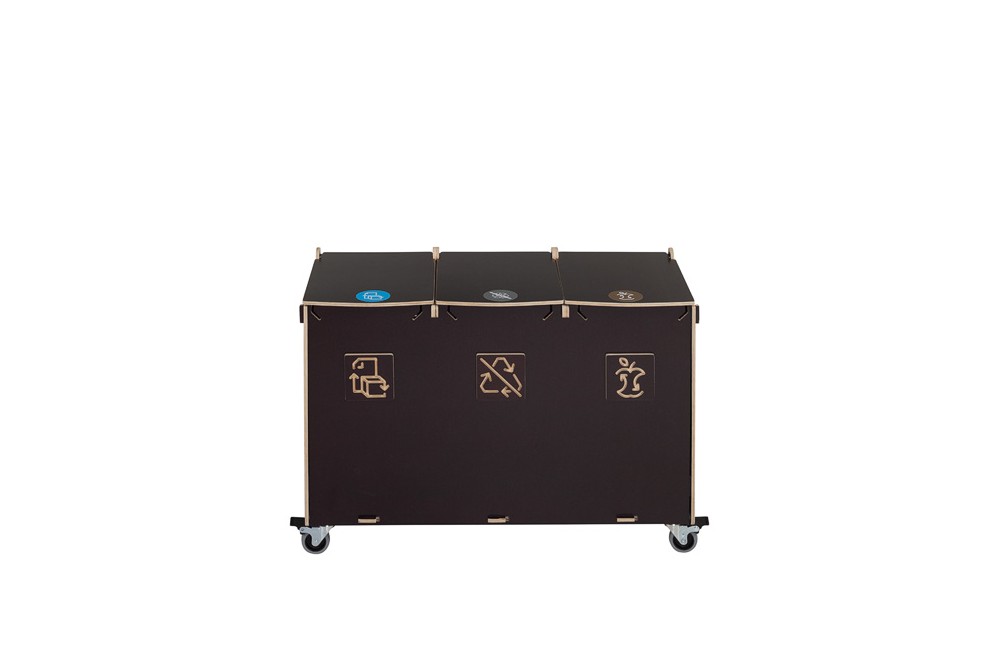
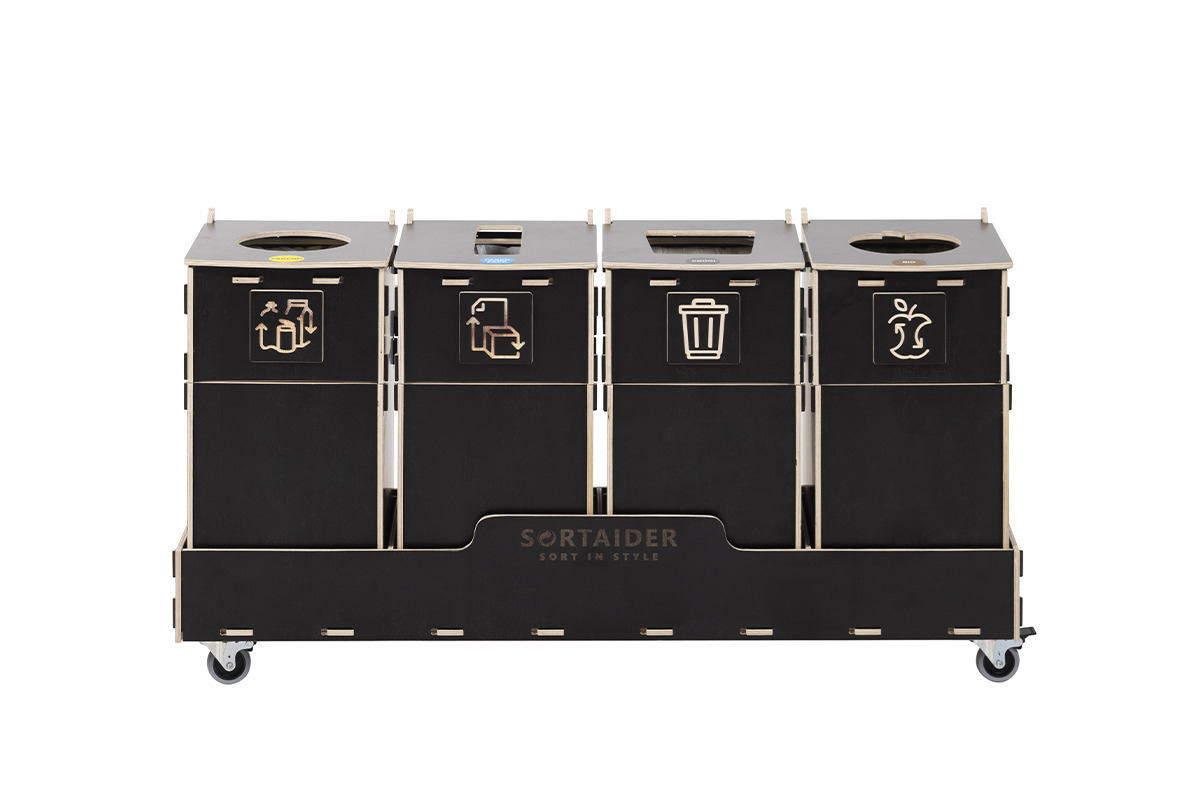
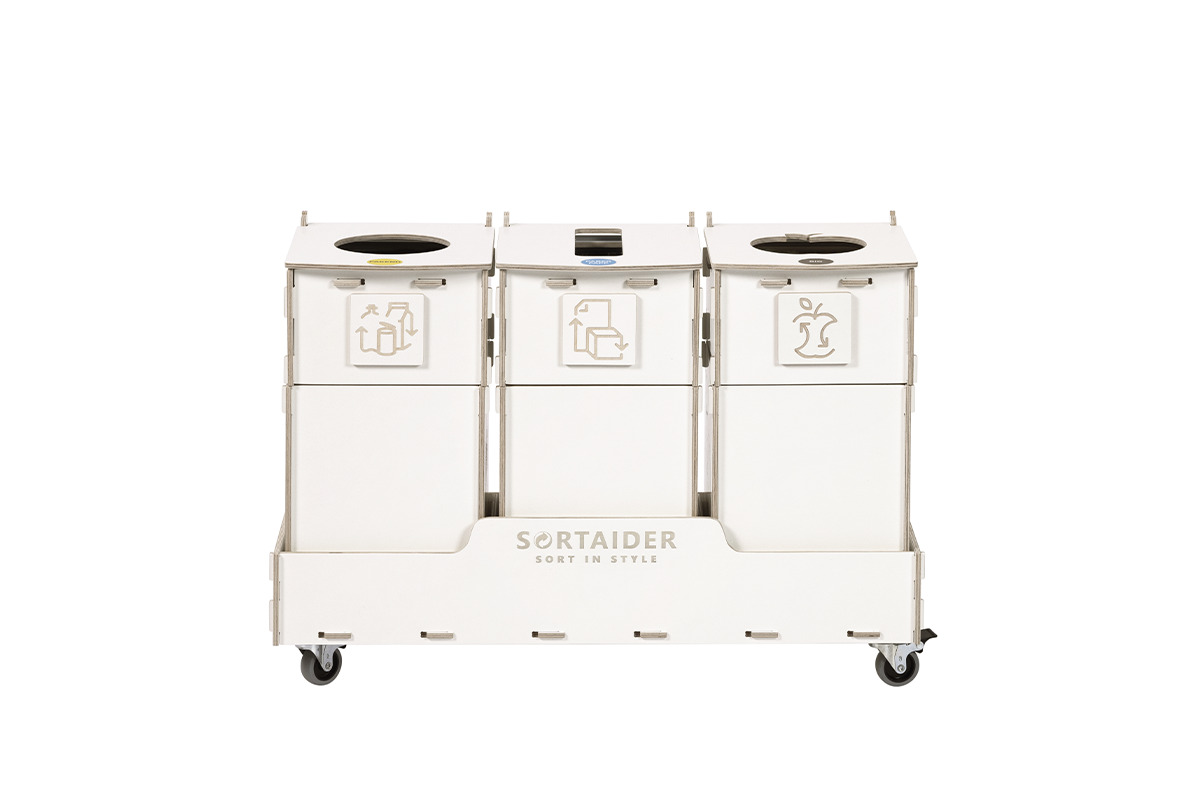
In European markets, staying ahead of regulations like the EU Waste Framework Directive requires robust internal systems and clear reporting. Utilizing Sorter recycling stations with custom brand engraving can help integrate sustainability into your corporate identity. When waste management becomes a visible, branded part of the office culture, staff engagement increases, leading to higher accuracy in source separation and lower disposal costs.
Align with Global Reporting Frameworks
To ensure your carbon reduction efforts are credible and measurable, align your office operations with recognized international standards. The GHG Protocol remains the global benchmark for accounting for Scope 1, 2, and 3 emissions, while frameworks like ISO 14001 and ISO 14064 provide a structured roadmap for identifying emission sources and maintaining continuous improvement in environmental management.
For facility managers, tools like ENERGY STAR Portfolio Manager are invaluable for benchmarking building performance against similar assets. As ISO and the GHG Protocol move toward a unified reporting standard in 2025, establishing these tracking habits now will simplify future regulatory compliance and strengthen your sustainability reporting for investors and stakeholders. Establishing a baseline today ensures that every improvement in energy or waste management is documented and verified.
Transforming your office into a low-carbon workspace requires a combination of high-tech energy solutions and high-quality, sustainable hardware. Start your transition today by upgrading your facility’s waste management system with our award-winning, CO₂-friendly recycling bin solutions.