Did you know the average European office worker generates 2 kg of waste every single day? For small business owners and facility managers, transitioning to sustainable operations is no longer just a “green” initiative – it is a strategic necessity to balance environmental impact with operational efficiency.
Understanding the Waste Management Hierarchy
To build a realistic sustainability plan, you must first understand the waste management hierarchy. This conceptual ladder prioritizes actions based on their environmental benefit to ensure resources are used as efficiently as possible. The most effective strategy is always waste prevention, which involves reducing what you use at the source. This is followed by reuse, recycling, and recovery. Disposal in landfills is the least desirable option and should always be the last resort.
By following this hierarchy, you can significantly reduce your office carbon footprint while lowering operational costs. For instance, moving away from single-use plastics toward durable, reusable alternatives aligns with the highest tiers of the hierarchy. This shift does more than just help the planet; it often results in long-term cost savings by eliminating the need for constant procurement of disposable items.
Establishing Your Environmental Baseline
You cannot manage what you do not measure. Before setting ambitious goals, you must establish an accurate baseline of your current operations. This data provides the foundation for every decision you make regarding infrastructure and policy.
Conduct a Workplace Waste Audit
A systematic waste audit involves collecting and weighing the materials your facility generates over a set period – typically one to seven days – to account for daily fluctuations. This process identifies exactly what materials are being discarded and where sorting errors are occurring. In many administrative settings, paper and cardboard represent the largest volume of waste. Identifying these streams allows you to right-size your waste services, which can reduce disposal costs by 30% to 50%.
Commercial Energy Benchmarking
Energy use for heating, cooling, and lighting is the largest direct operational source of carbon emissions for most modern offices. Energy benchmarking allows you to measure your building’s efficiency against similar facilities. To start, gather at least one year of electricity and gas bills to calculate your energy intensity baseline. Using tools like the EPA’s Portfolio Manager can help you enter building characteristics, track progress annually, and meet local policy requirements.
Setting SMART Sustainability Goals
Once you have your baseline, you can set SMART goals: Specific, Measurable, Achievable, Relevant, and Time-bound. Vague goals often lead to inconsistent results, whereas specific targets provide a clear roadmap for your team.
Instead of a vague goal like “we want to recycle more,” a SMART goal would be: “Increase our office waste diversion rate to 50% by the end of Q4 through the implementation of centralized recycling bins and employee training.”
These goals should align with broader European targets. For instance, the EU Waste Framework Directive aims to recycle 65% of all municipal waste by 2035. Aligning your internal targets with these regulations ensures your business stays ahead of future compliance requirements and avoids potential penalties.
Implementing Operational Changes
With goals in place, the next step is implementing practical changes that balance environmental impact with business resources. This involves looking at both how waste is managed and what materials are brought into the building.
Optimizing Waste Collection and Placement
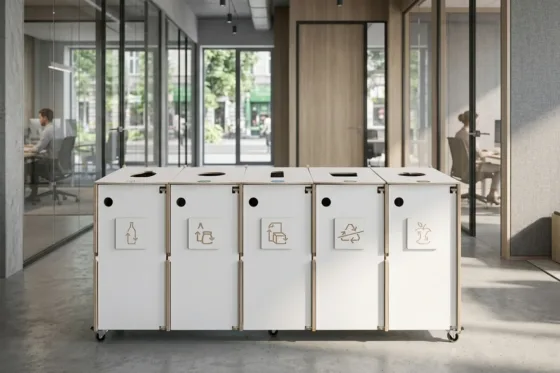
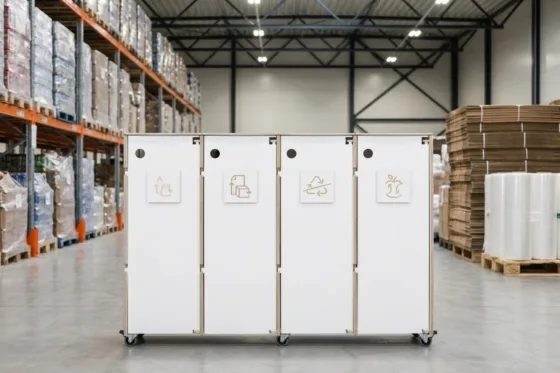
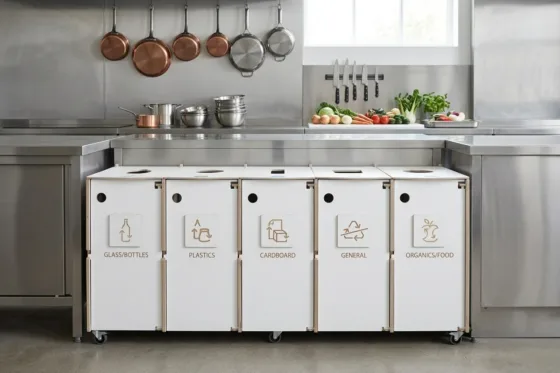
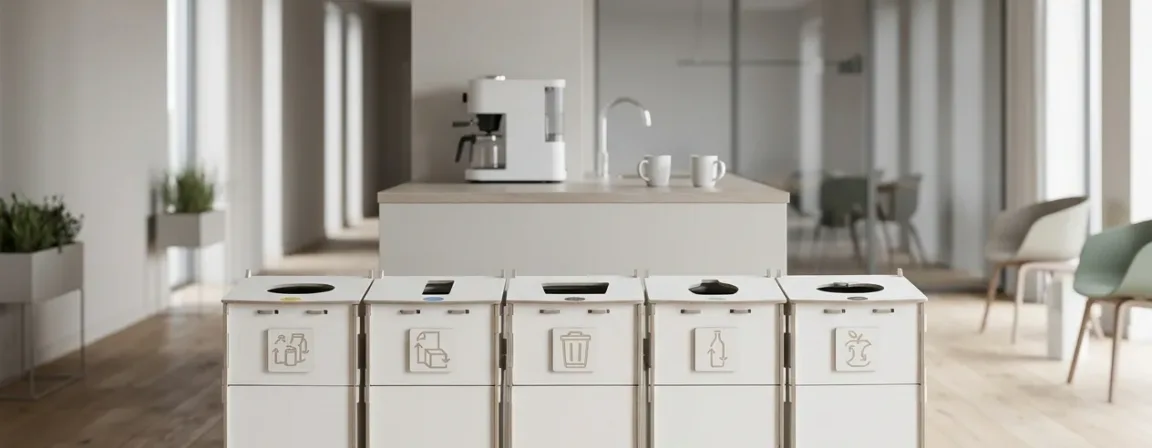
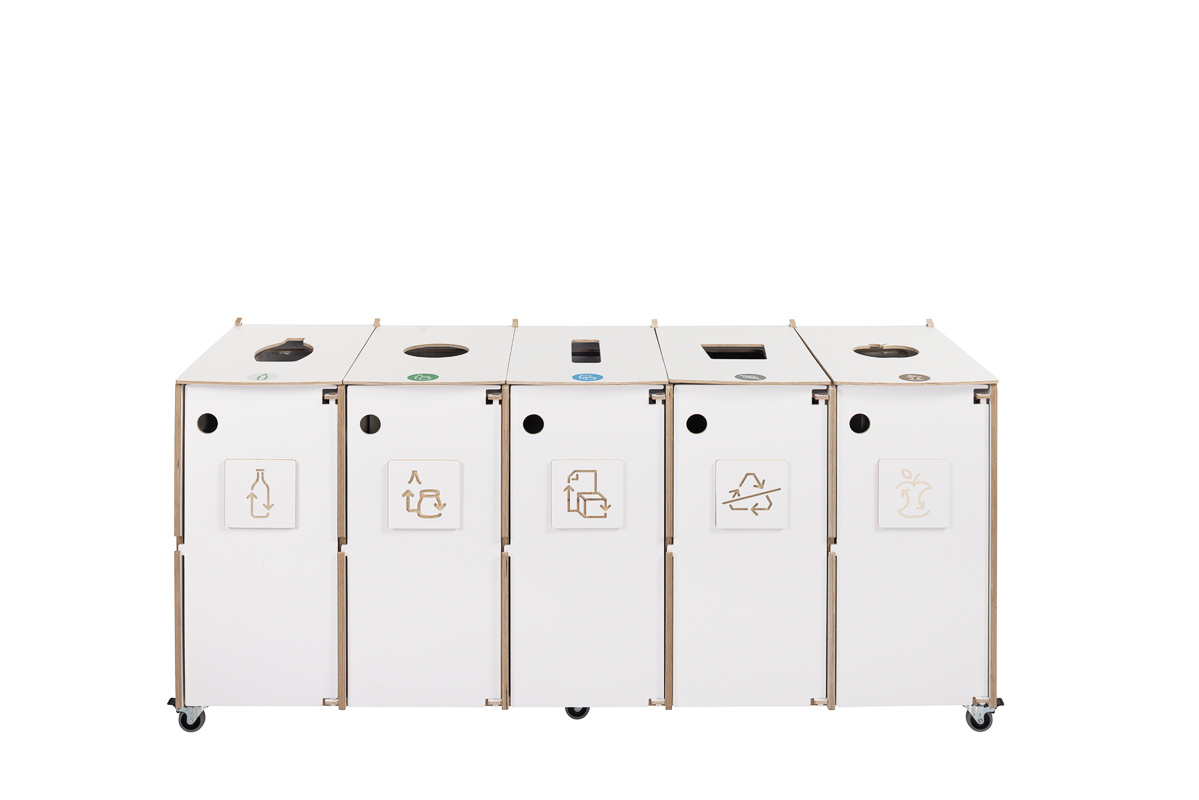
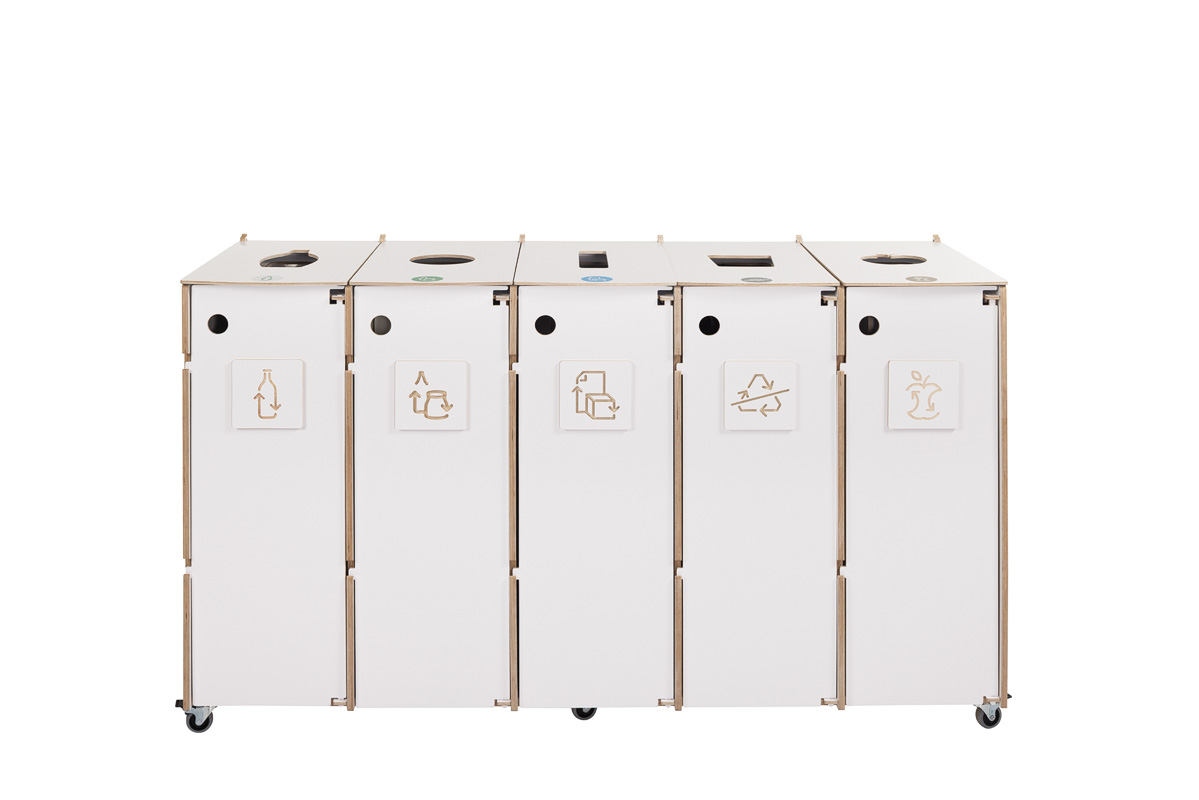
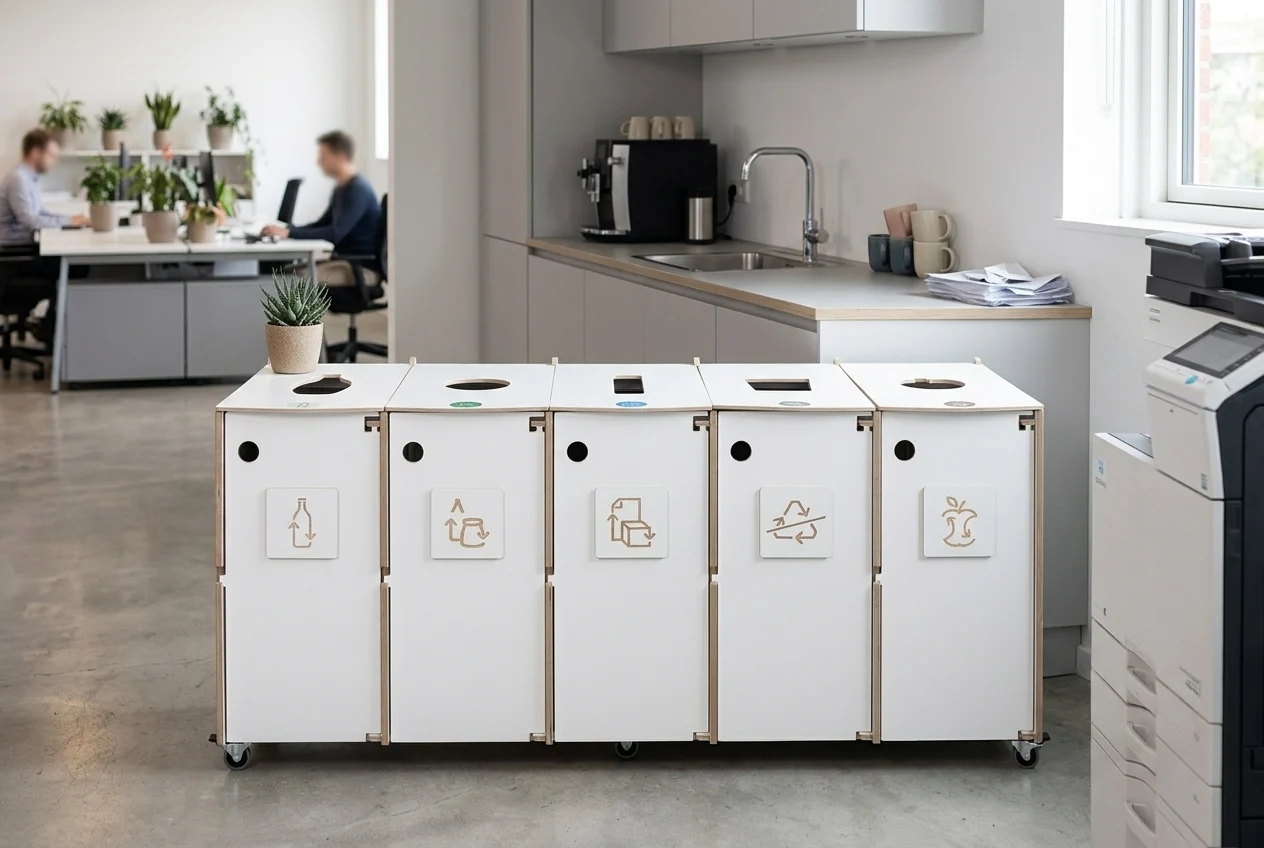
Research shows that replacing individual deskside bins with centralized recycling hubs can boost waste diversion by up to 40%. Proximity is the strongest driver of success in office waste management; placing recycling bin sorters in high-visibility areas like kitchenettes, printer rooms, and main hallways increases participation by 30–50%.
-
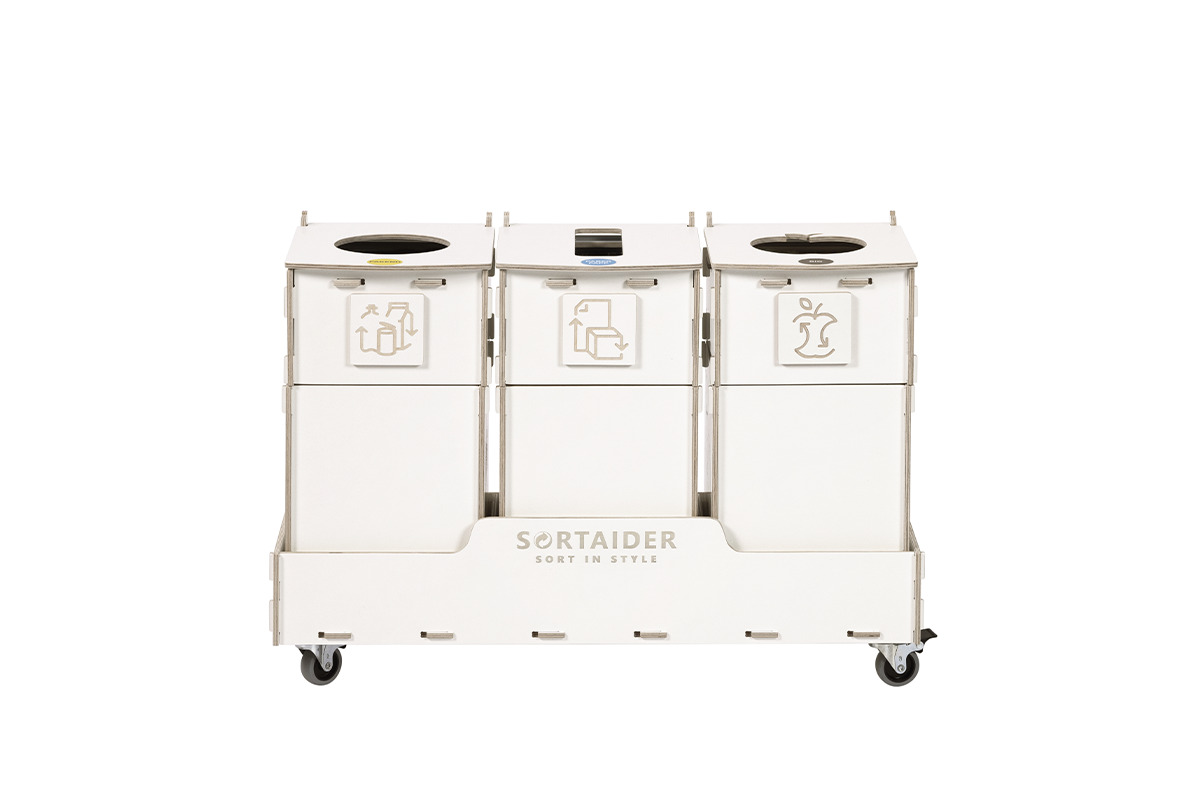
Recycling bin Sorter 20W3
3 types of waste 3 x 20 L471,20 € (incl. 24% VAT)380 € (excl. VAT) -
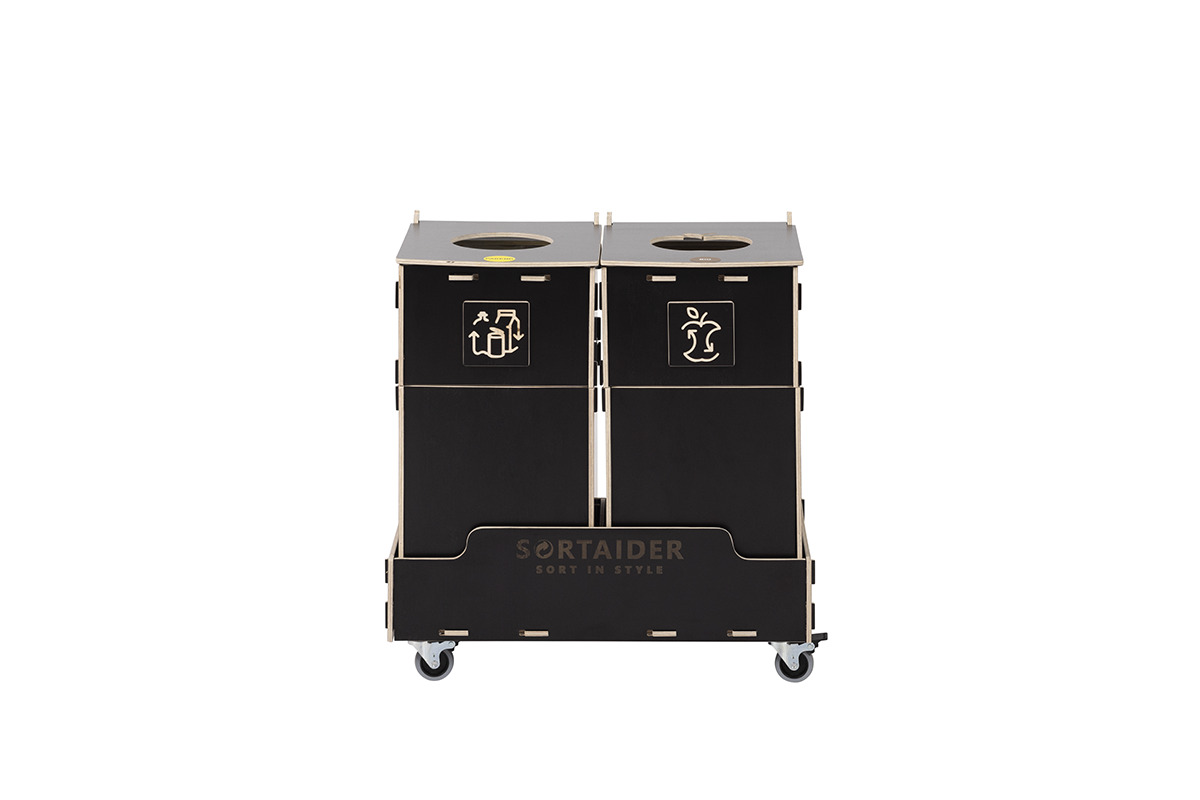
Recycling bin Sorter 30B2
2 types of waste 2 x 30 L508,40 € (incl. 24% VAT)410 € (excl. VAT) -
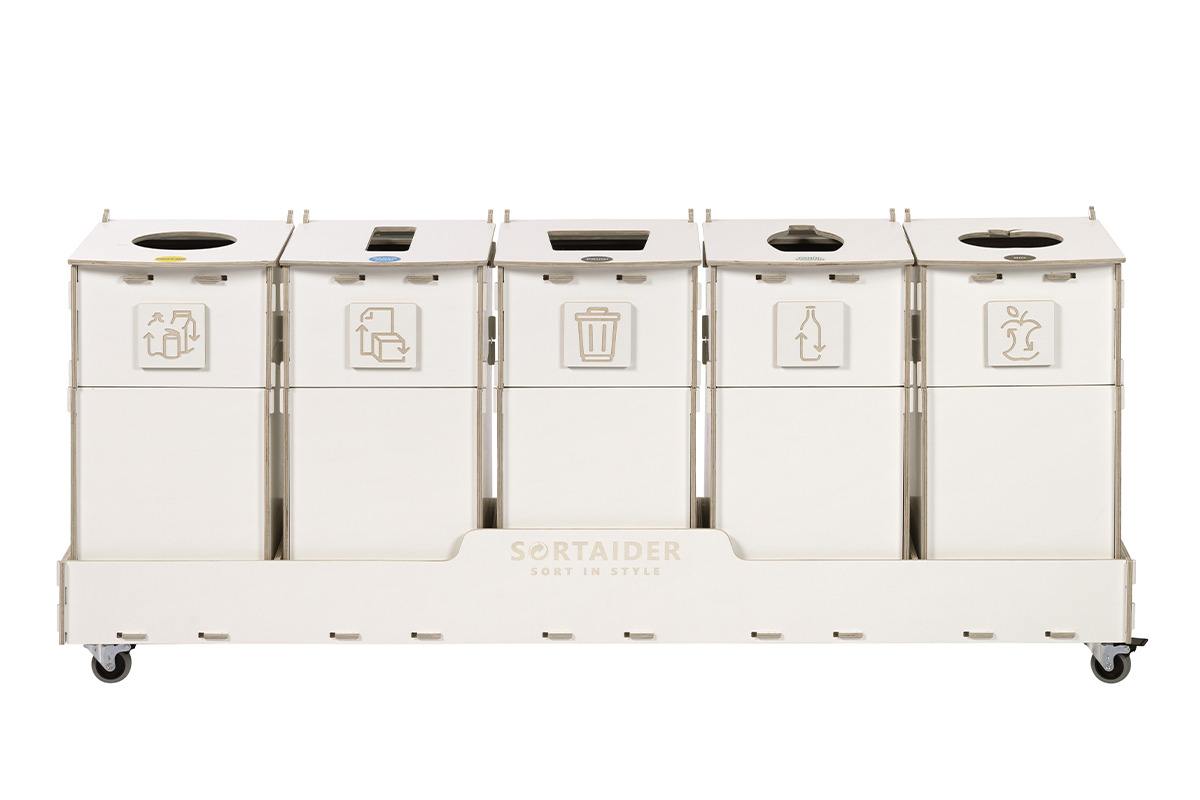
Recycling bin Sorter 30W5
5 types of waste 5 x 30 L1 165,60 € (incl. 24% VAT)940 € (excl. VAT) -
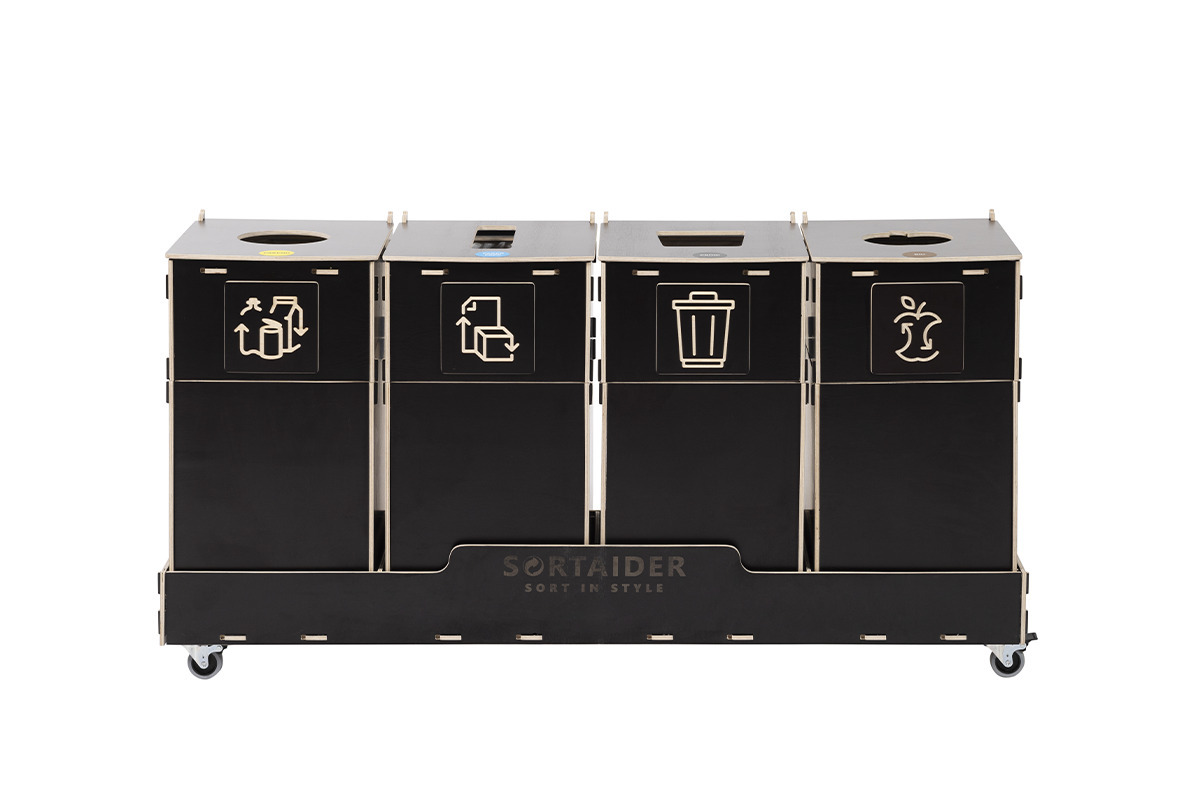
Recycling bin Sorter 40B4
4 types of waste 4 x 40 L1 289,60 € (incl. 24% VAT)1 040 € (excl. VAT) -
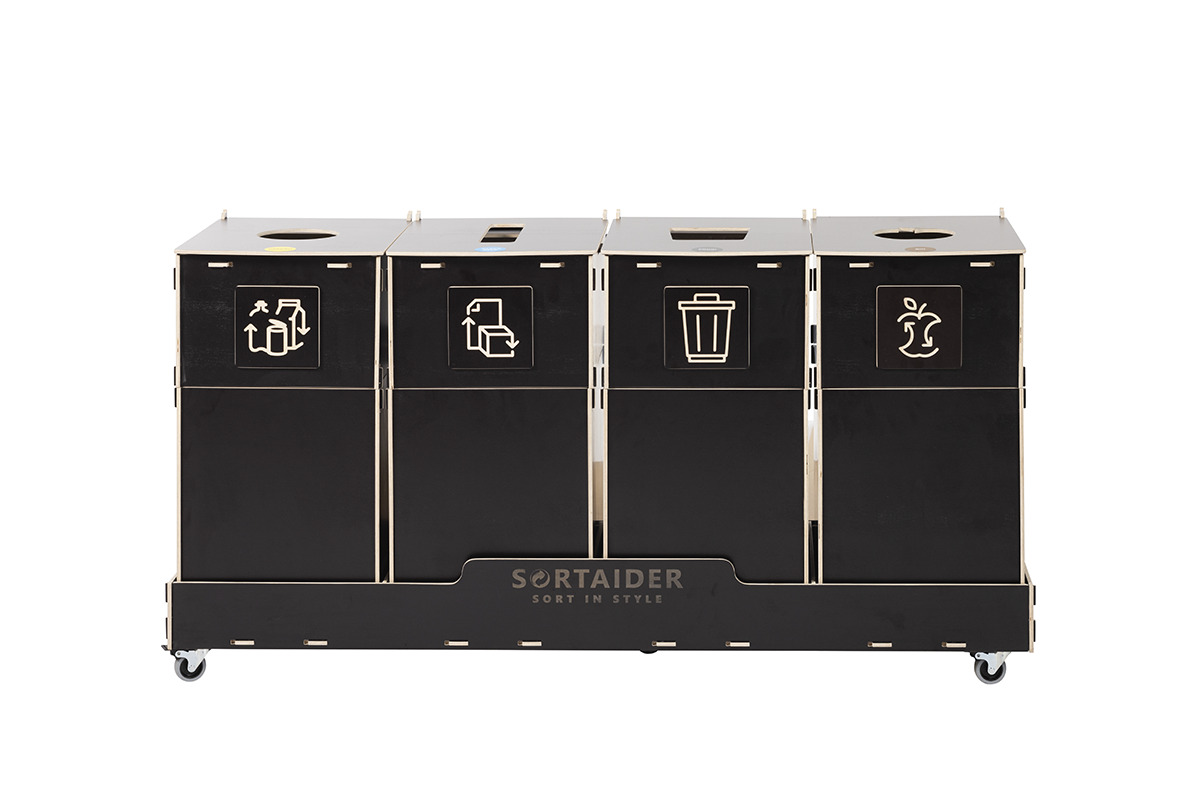
Recycling bin Sorter 60B4
4 types of waste 4 x 60 L1 500,40 € (incl. 24% VAT)1 210 € (excl. VAT)
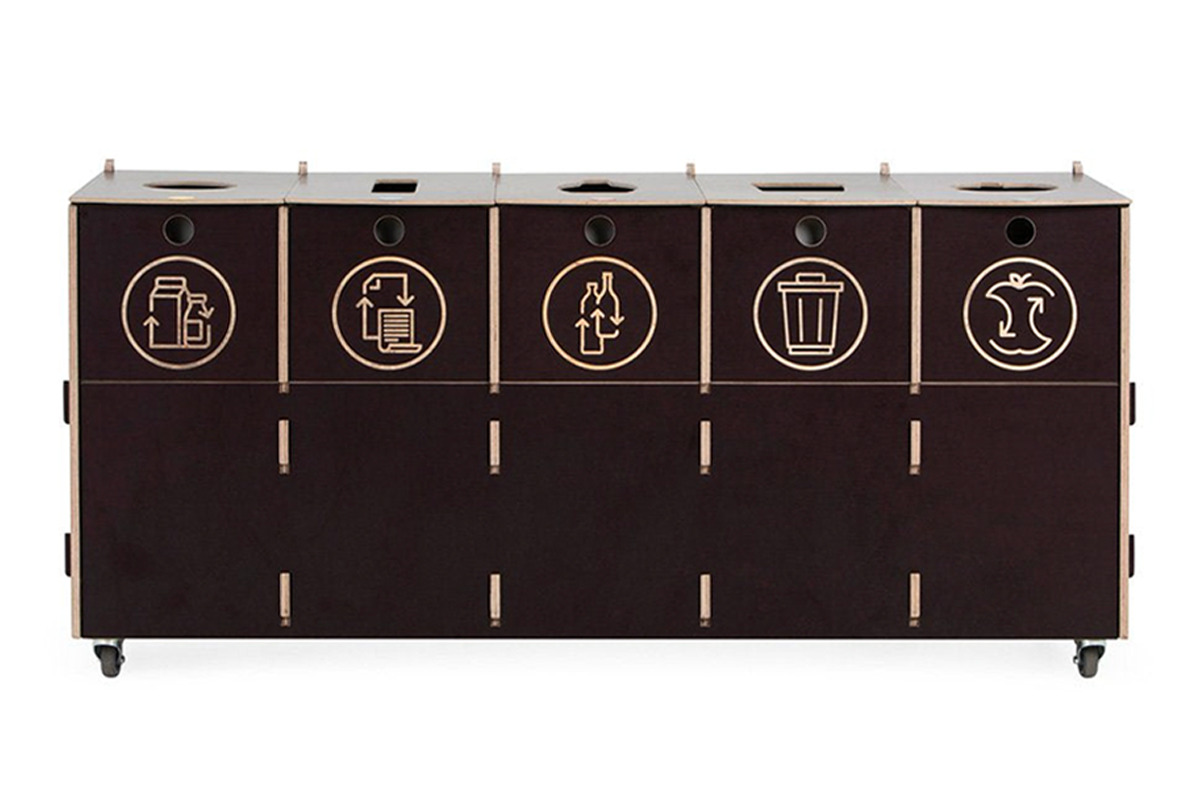
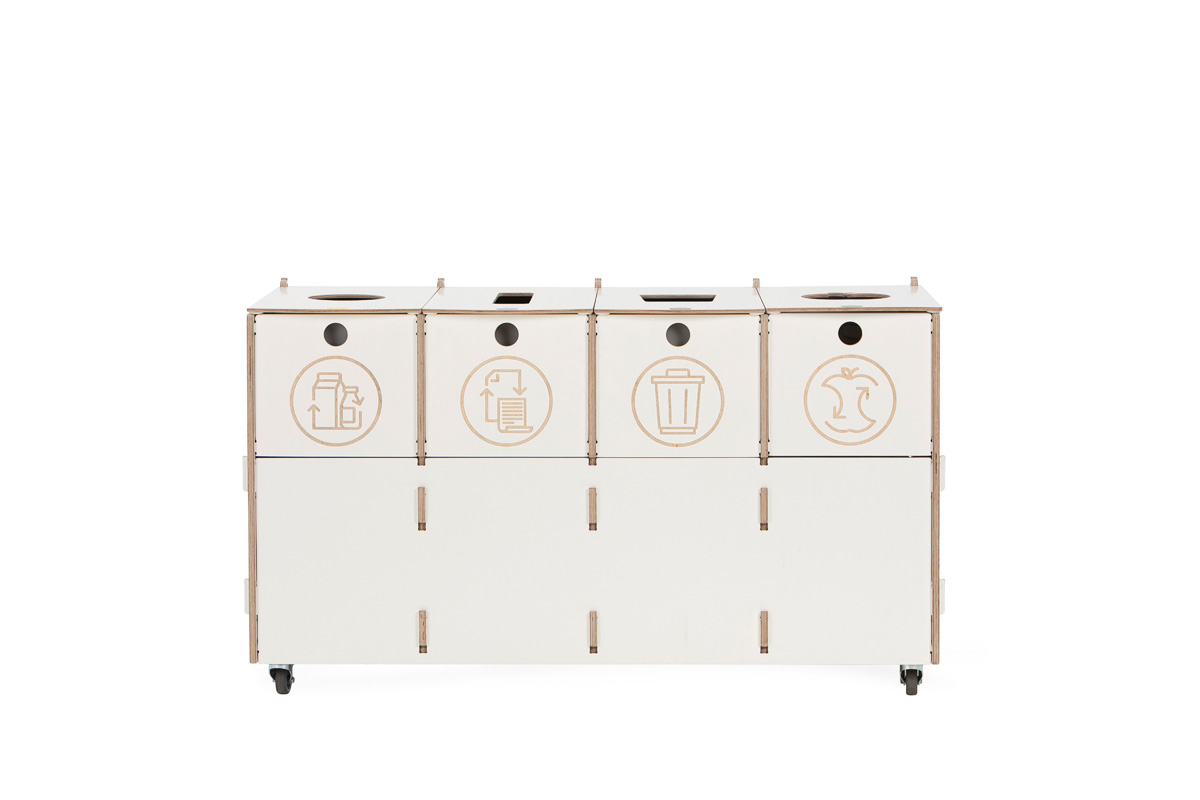
To further reduce material contamination, ensure your bins use clear, high-contrast pictograms rather than text alone. Understanding what goes in each recycling bin is critical for staff. Most Material Recovery Facilities will reject a load of recyclables if contamination exceeds 3–5% by weight, leading to higher costs and wasted effort.
Choosing Low-Embodied Carbon Procurement
Sustainability also applies to the equipment you purchase. Scope 3 emissions – those originating from your supply chain and purchased goods – often outweigh your direct energy use. When selecting office furniture and fixtures, the material lifecycle is a major factor. Choosing products made from renewable birch plywood rather than metal or plastic can result in 2 to 4 times lower CO₂ emissions over the product’s lifecycle.
Navigating European Regulations
Facility managers must navigate a patchwork of regional rules that vary significantly between markets. In the Nordics and Baltics, regulations are becoming increasingly stringent to support a circular economy.
- In Sweden, separate food waste collection became mandatory for all businesses as of 2024.
- In Denmark, facilities producing more than 1 ton of waste annually require specific permits and digital tracking systems for every shipment.
- In Estonia, businesses must separate bio-waste if the site generates more than 10kg per day.
- In Latvia, Extended Producer Responsibility (EPR) applies to packaging exceeding 300kg per year, necessitating strict recovery targets.
Staying compliant requires a structured waste management plan that includes “Waste Transfer Notes.” These notes prove that your waste was handled legally by licensed carriers and are often required for environmental audits.
Achieving Long-Term Success
Transitioning to sustainable operations is a marathon, not a sprint. Obtaining a green office certification, such as LEED or WELL, can provide a documented roadmap and significantly boost employee health and productivity. Certified buildings often see a 20% reduction in maintenance costs, proving that sustainability and profitability go hand in hand.
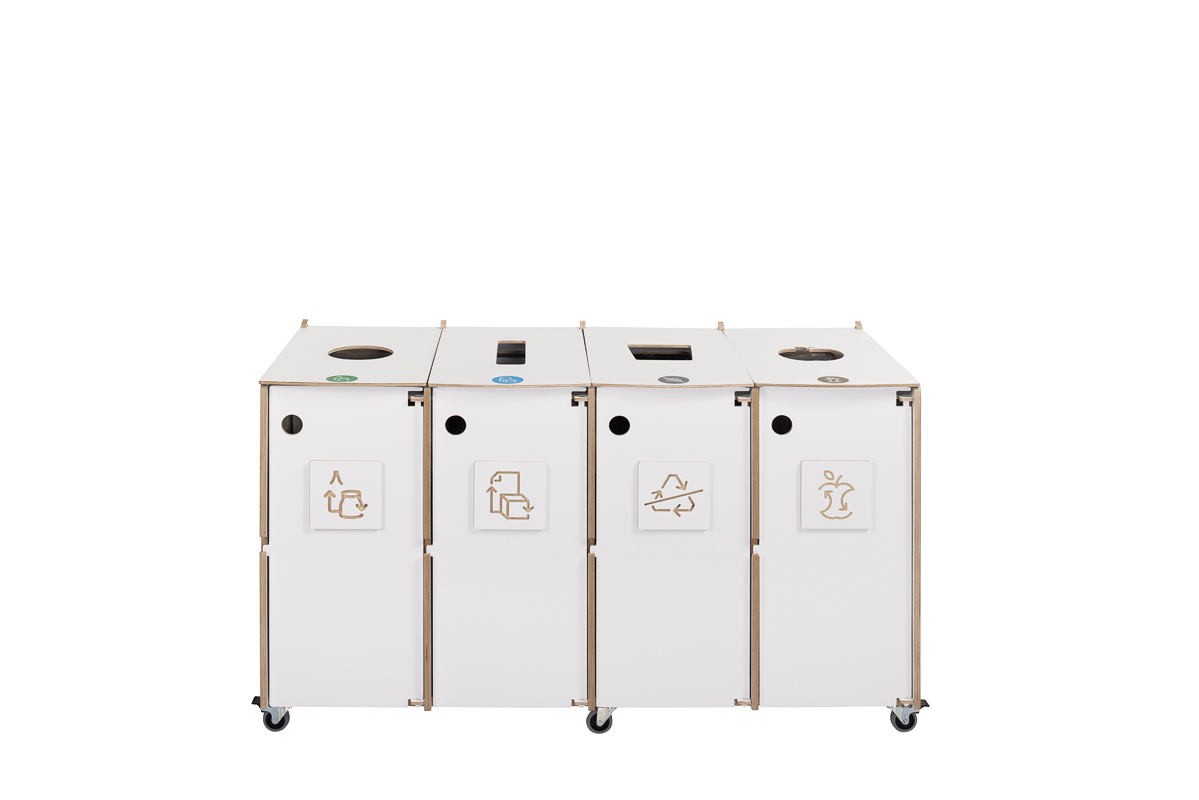
To ensure your efforts stick, establish consistent feedback loops. Share monthly diversion reports with your team and use intuitive recycling systems that simplify the process for everyone in the building. Clear, visual guidance reduces sorting errors by up to 40% in multilingual workplaces, ensuring your high-quality recyclables actually enter the circular stream.
Ready to take the first step toward a more sustainable facility? Start by assessing your current waste streams to identify where you can make the most immediate impact.