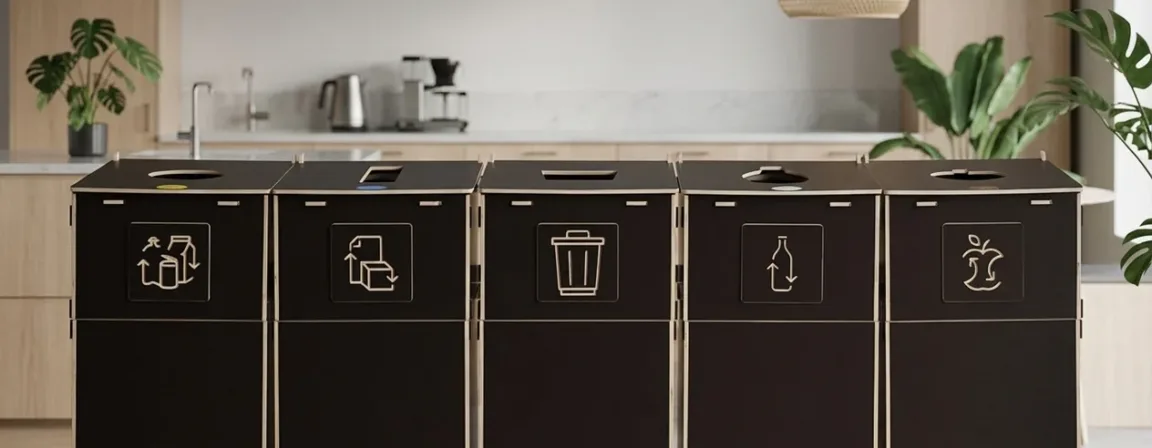
Does your office recycling station emit a faint, unpleasant odor despite being emptied daily? Maintaining professional hygiene standards requires more than just swapping bags; it demands a systematic approach to sanitisation to prevent bacteria buildup and pest attraction in communal work environments.
Why Routine Sanitisation Matters for Facility Managers
In a professional environment, recycling bins – especially those handling bio-waste or food packaging – can quickly become breeding grounds for bacteria. While health authorities like the CDC note that regular cleaning is often sufficient to prevent the spread of most germs, high-traffic areas require a more rigorous schedule to maintain air quality and safety. Neglecting these stations leads to several operational issues that can disrupt the workplace.
- Persistent Odors: Decomposing organic matter in unwashed bins creates smells that permeate office floors, making the environment unpleasant for staff and visitors.
- Pest Attraction: Residue from soda cans or food containers attracts fruit flies, ants, and rodents. Removing waste at least weekly is a critical baseline for preventing pests both indoors and out.
- Recycling Contamination: A dirty bin discourages employees from sorting correctly. If a station looks unhygienic, staff are more likely to toss waste in from a distance, increasing the risk of recycling contamination and higher disposal fees.
Step-by-Step Guide to Cleaning Recycling Bins
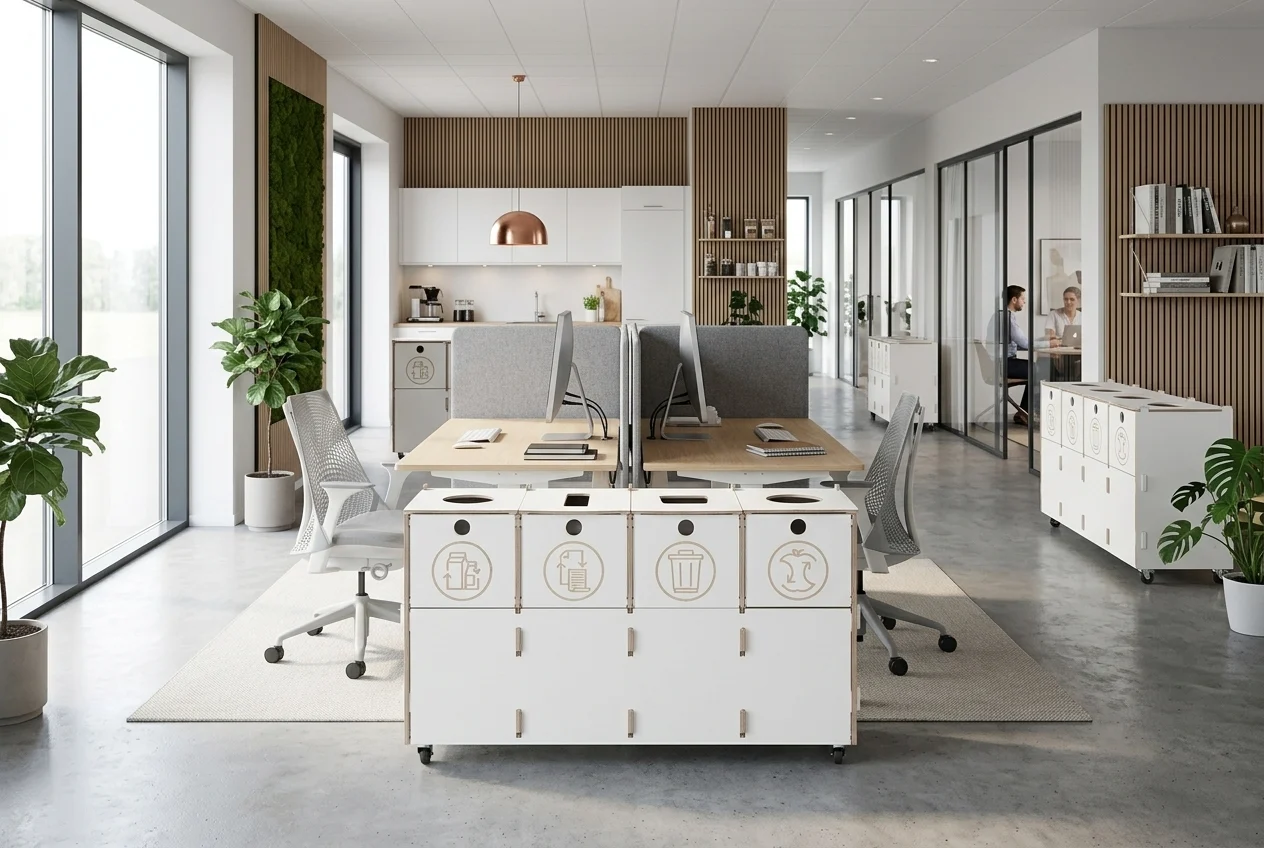
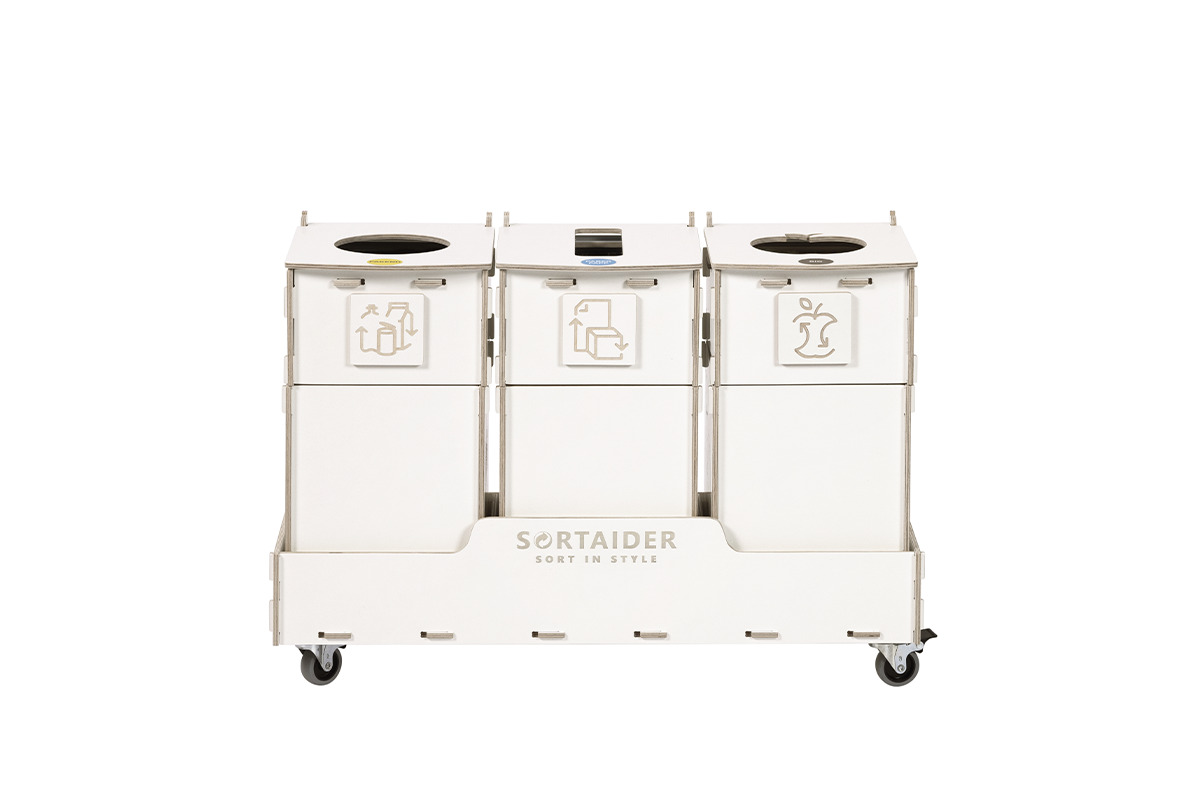
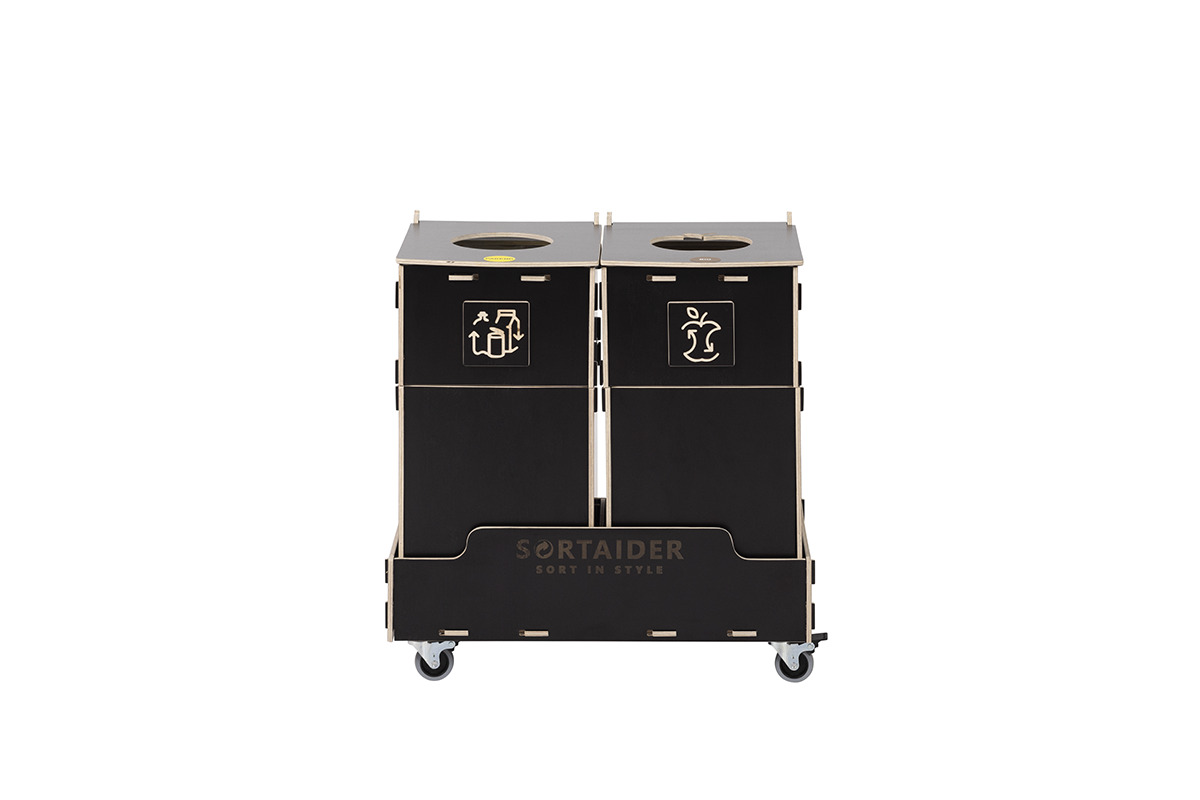
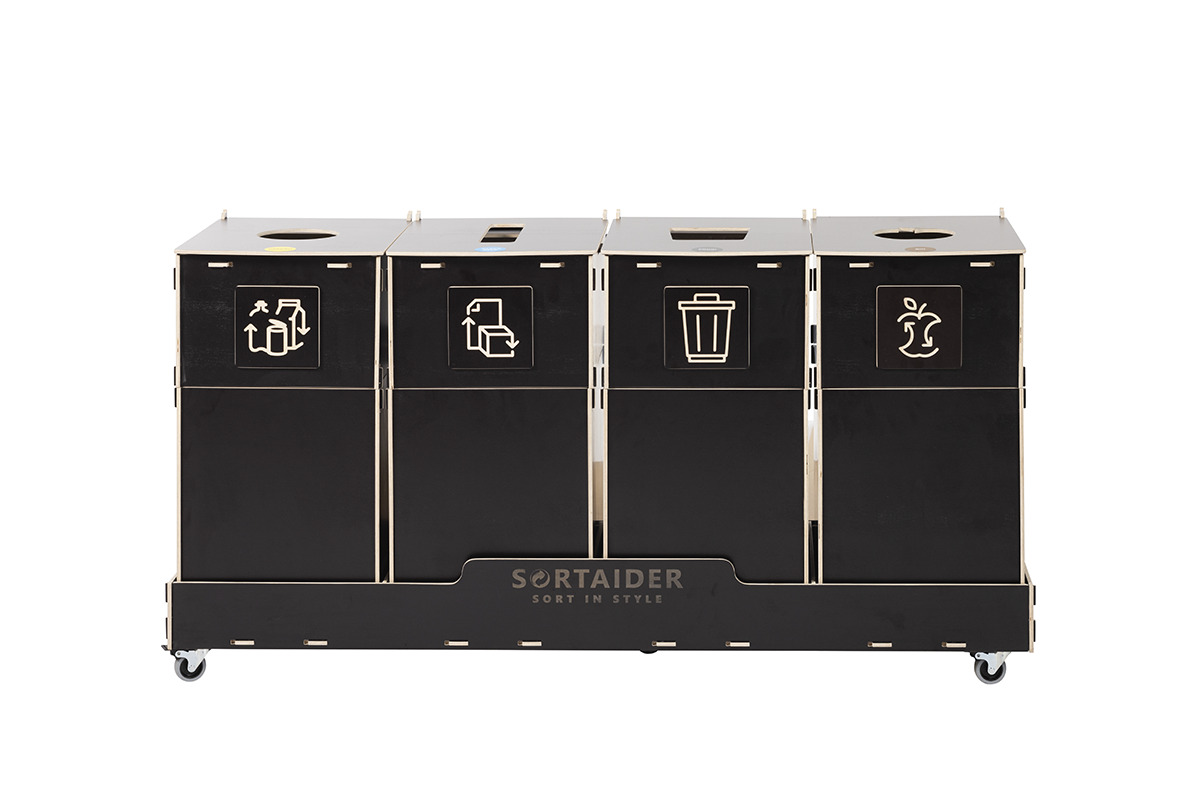
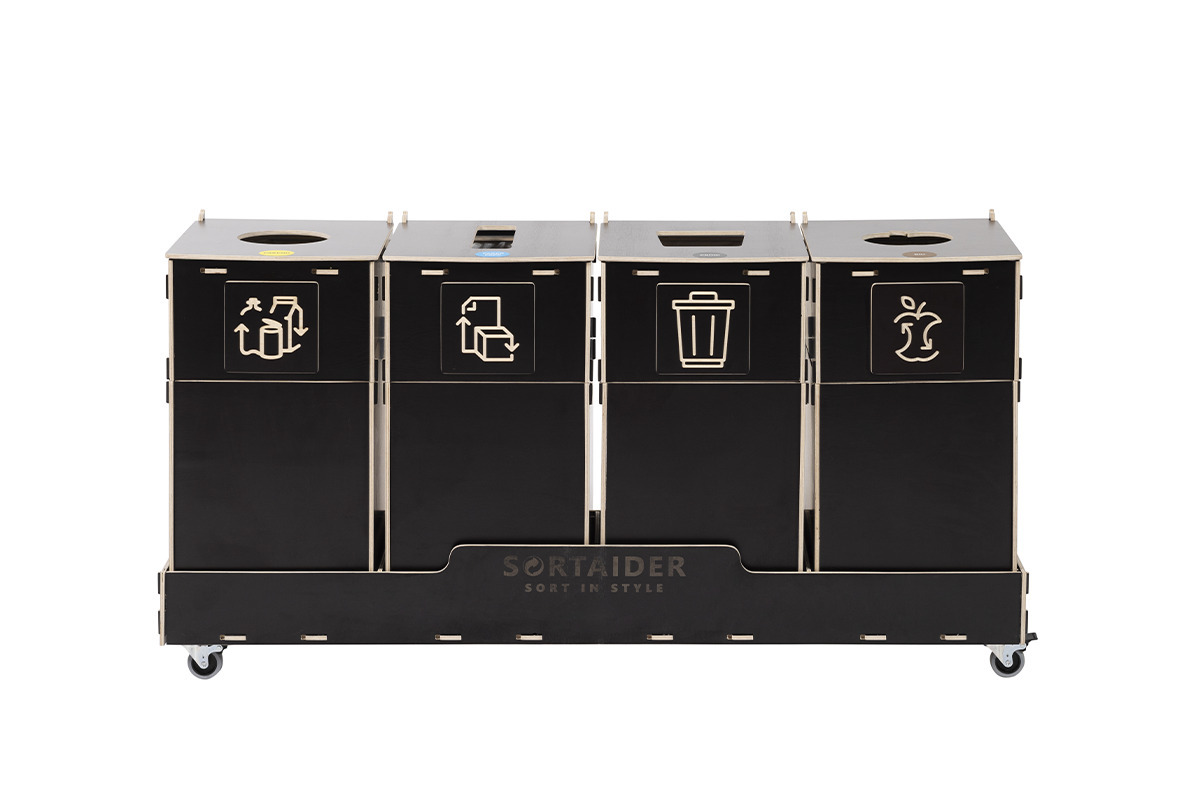
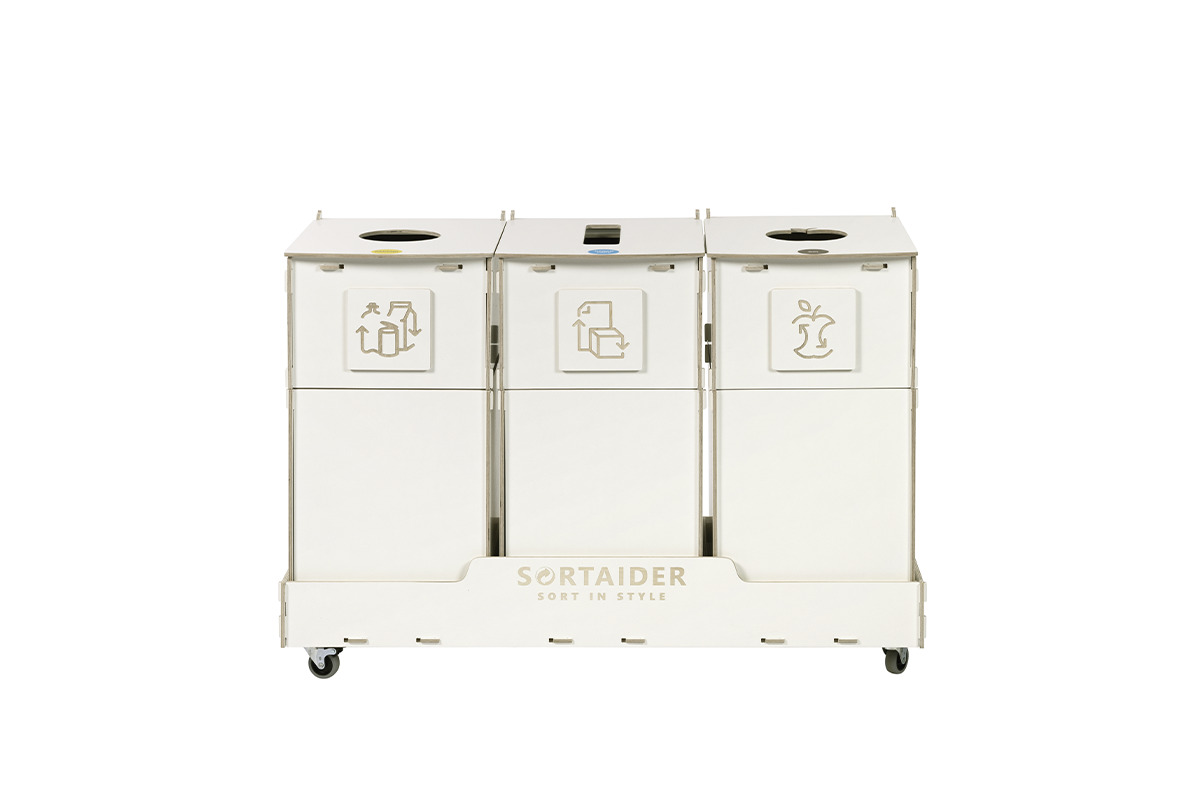
To maintain a professional environment, your cleaning staff should follow a standardised protocol. Modern stations, such as those in the Sorter series, are designed specifically for effortless maintenance with accessible compartments and durable furniture-grade finishes.
Preparation and Inspection
Before starting the cleaning process, ensure each compartment is completely empty. Inspect the interior for leaks or tears in the previous liner that may have allowed liquids to reach the bin’s structure. If your units are designed with drains, ensure the drain plugs remain in place during the cleaning process and are only removed for the final rinse to prevent liquid from spilling into unauthorized floor areas.
Debris Removal
Wipe away loose debris, dust, or sticky residue from the interior and exterior. For multi-compartment recycling bins, pay close attention to the rim and the lid. These specific areas often collect residue from disposed liquids or food particles, which can become the primary source of odors if ignored.
Surface Washing
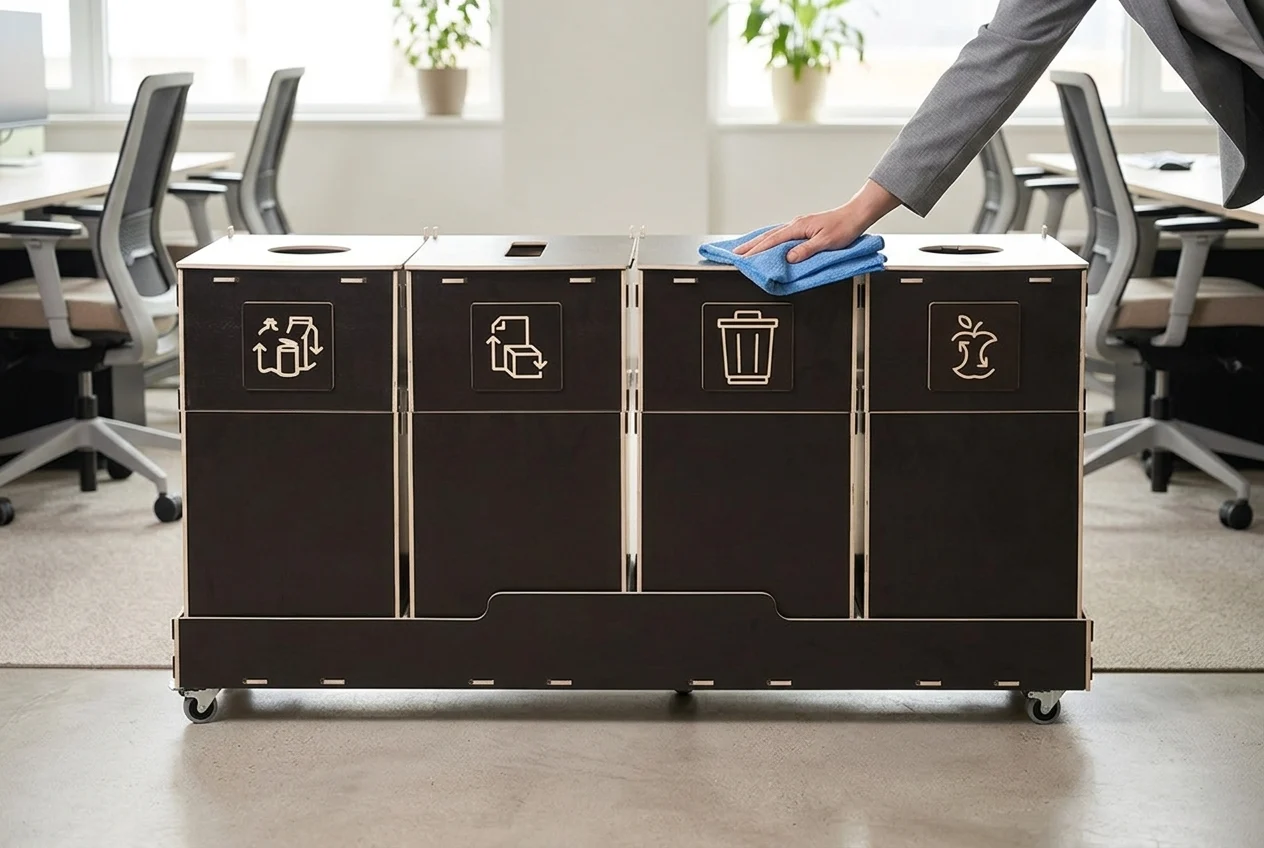
Use warm water mixed with a mild detergent to clean all surfaces. For units featuring laminated plywood, a damp microfibre cloth is usually sufficient to restore the finish. Avoid abrasive chemicals that can damage protective coatings. If you are managing high-traffic indoor spaces, choosing bins with smooth, easy-to-clean surfaces significantly reduces the labour time required per unit.
Disinfection
Apply a professional-grade disinfectant to the interior surfaces and high-touch areas like lids and handles. Focus specifically on the bio-waste and residual waste streams, as these are the primary sources of bacterial growth. Effectively isolating and separating organic waste is the most efficient way to keep the rest of the station clean and simplify the sanitisation process.
Drying and Relining
Allow the bin to air dry completely before inserting a new liner. Trapping moisture between the liner and the bin wall can lead to mold growth and musty smells. For faster maintenance during busy shifts, utilize systems that feature a tool-free bag replacement, which allows janitorial staff to work more efficiently and maintain high hygiene standards without delays.
Managing Odors and Pests in Communal Areas
Odor control is a cornerstone of a successful office waste management plan. Across Europe, strict regulations govern the separation of food waste to improve sustainability. For instance, in Sweden, separate food waste collection became mandatory for all businesses in 2024, requiring facility managers to be more vigilant about bin hygiene.
- Secure Bagging: Ensure all odor-causing waste is securely bagged and sealed tightly to prevent leaks and spills that could seep into the bin’s base.
- Continuous Bag Systems: Consider using modular systems like the Longopac continuous bag solution found in the Ecolong series, which ensures waste is sealed off quickly and hygienically before it can emit smells.
- Natural Neutralizers: A small amount of baking soda placed at the bottom of the bin liner can help neutralize acidic odors between deep cleaning cycles.
-
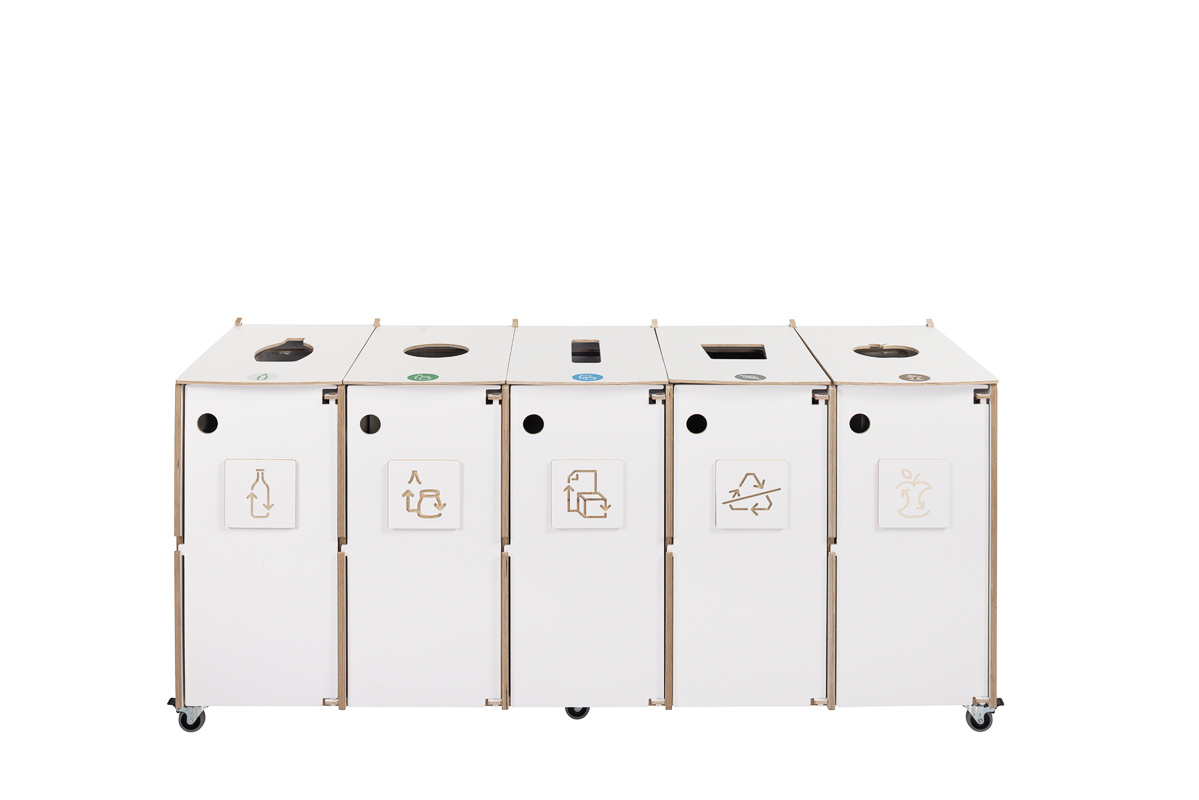
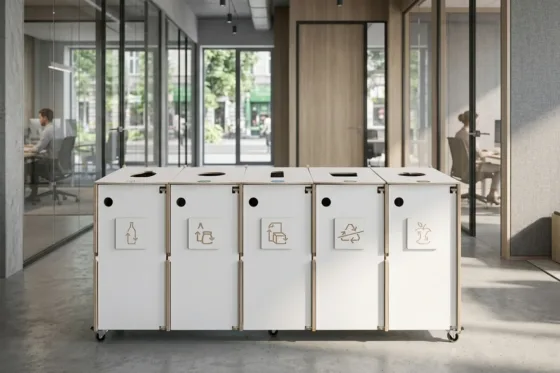
Recycling bin Ecolong 60W5
5 types of waste 5 x 60 L2 269,20 € (incl. 24% VAT)1 830 € (excl. VAT) -
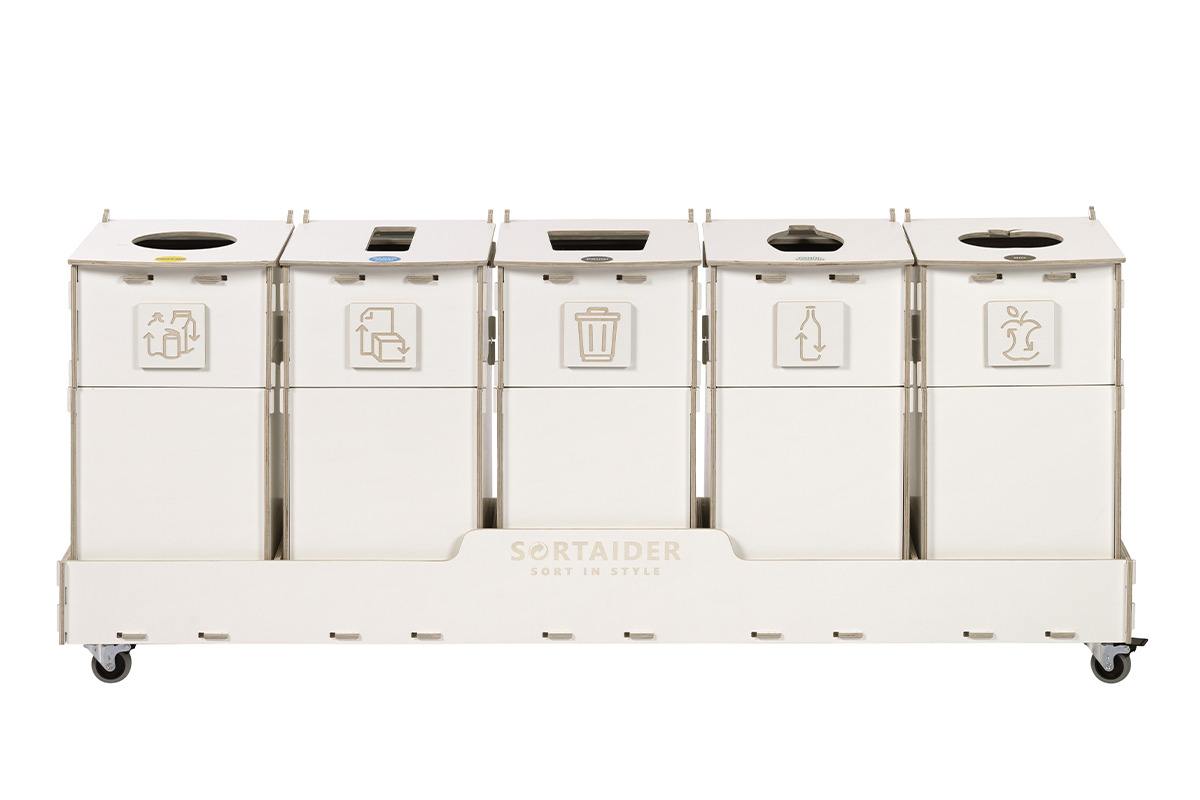
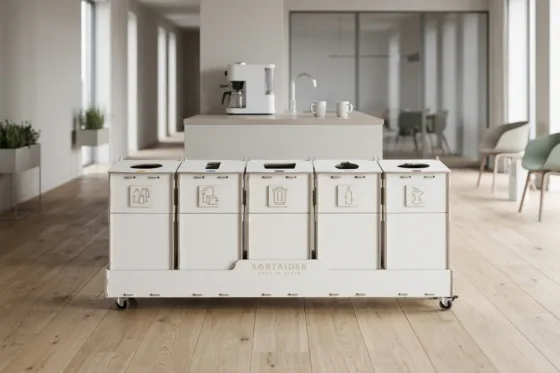
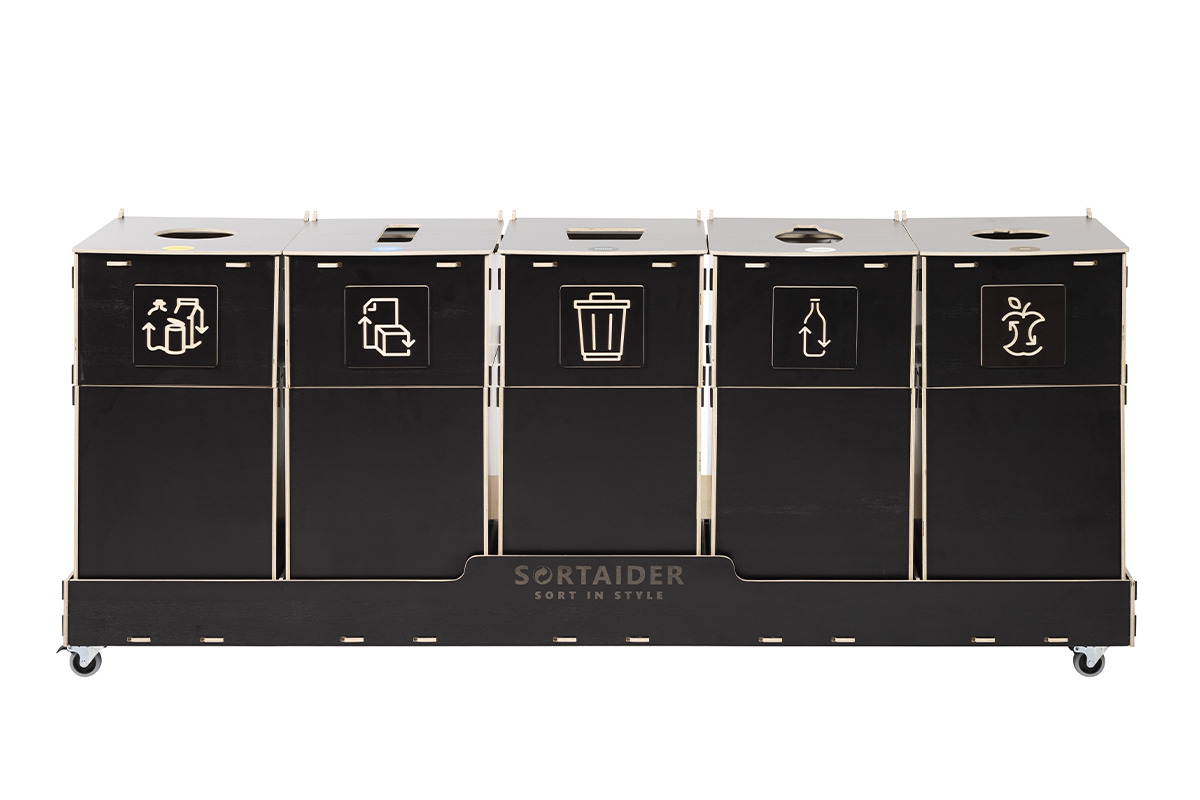
Recycling bin Sorter 30W5
5 types of waste 5 x 30 L1 165,60 € (incl. 24% VAT)940 € (excl. VAT) -
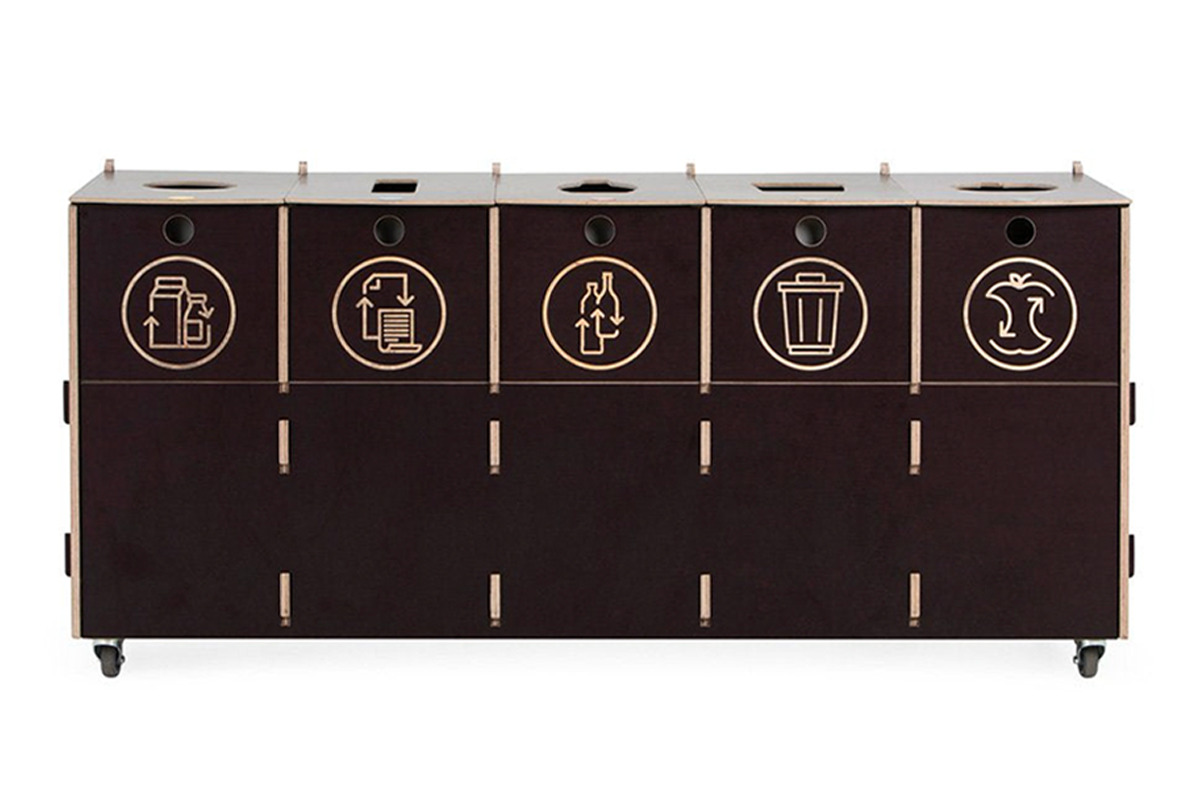
Recycling bin Container B5
5 types of waste 5 x 40 L1 798 € (incl. 24% VAT)1 450 € (excl. VAT) -
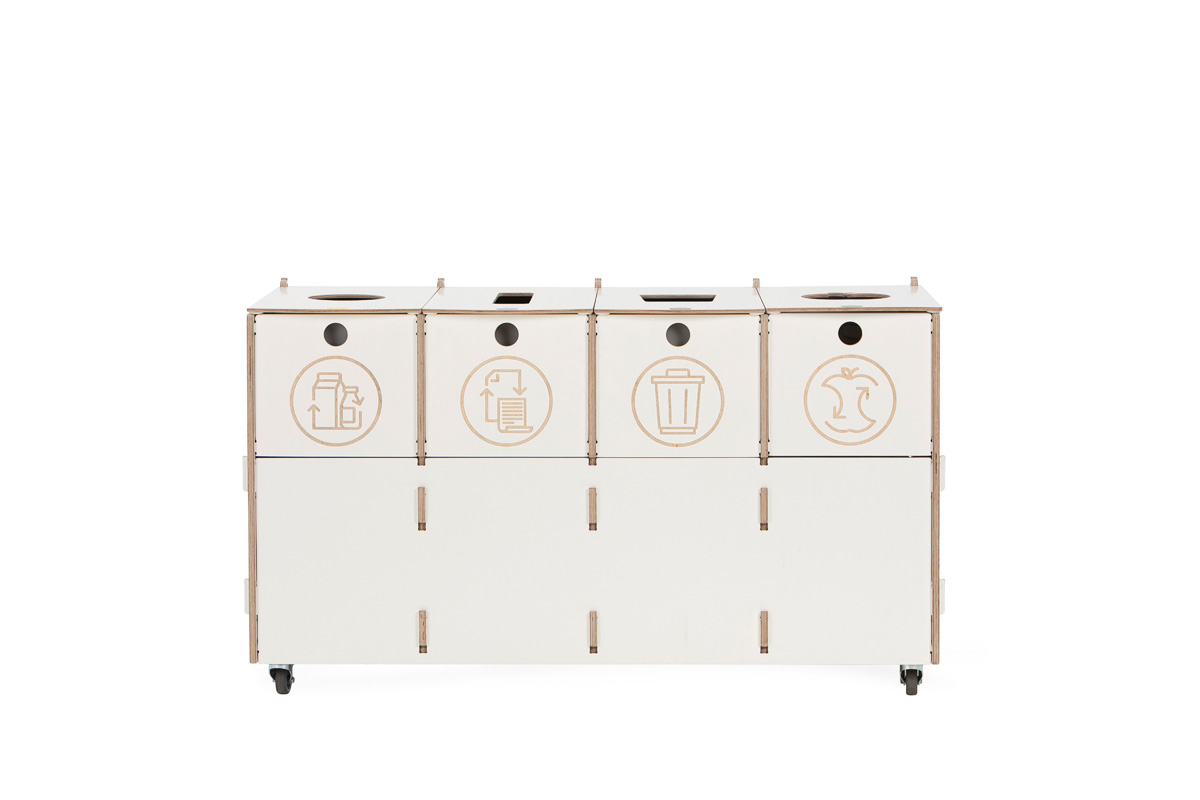
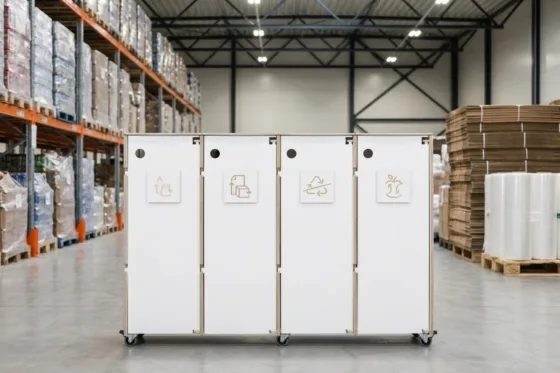
Recycling bin Container W4
4 types of waste 4 x 40 L1 612 € (incl. 24% VAT)1 300 € (excl. VAT)
Regional Variations in Maintenance Standards
Local laws often dictate specific cleaning frequencies or waste handling methods. In Denmark, facilities producing more than one ton of waste annually face stricter digital tracking and permit requirements that may influence how often bins are serviced. In Estonia, sites generating more than 10kg of bio-waste daily must adhere to rigorous separation and hygiene protocols. Familiarizing yourself with the workplace recycling regulations in your specific region ensures your cleaning schedule remains compliant with both health and environmental standards.
Establishing a clear schedule – such as a daily surface wipe and a monthly deep sanitisation – ensures that your recycling stations remain an asset to your office design rather than a maintenance burden. By choosing modular, user-friendly equipment and following a consistent hygiene protocol, you create a cleaner, more inviting environment for employees and visitors alike. To optimize your cleaning resources, start by conducting a waste audit for offices to identify which waste streams require the most frequent attention.